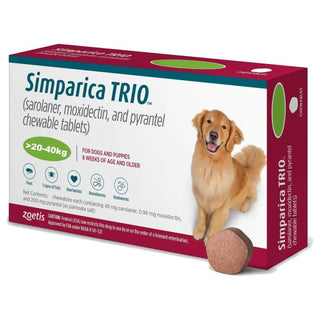
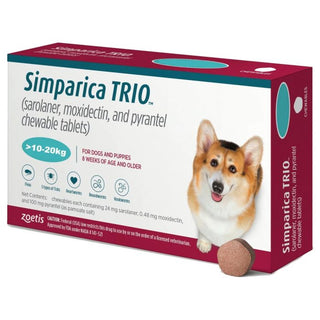


Not much to add. Dog tolerates it and price is good


Keeping your cat protected from parasites can feel confusing. Fleas, ticks, and intestinal worms all require different treatments, and many pet owners wonder whether it is safe to give more than one medication at the same time.
So, can I give my cat flea, tick, and worm medicine all at once?
In many cases, yes—but only when the products are suitable for cats, correctly dosed for your cat’s weight, and do not contain overlapping ingredients that could lead to accidental double dosing. The safest approach is to use a veterinarian-recommended parasite plan designed for your cat’s lifestyle and health needs.
This guide explains when flea, tick, and worm medicines can be combined, what mistakes to avoid, and how to keep your cat protected safely.
Fleas, ticks, and worms are different parasites, so one treatment may not protect against all of them.
A flea product may kill adult fleas but provide no protection against ticks or intestinal worms. A worming tablet may treat roundworms or tapeworms, but does nothing for fleas. Some products protect against several parasites at once, while others are designed to target only one problem.
Your cat’s parasite risk can depend on factors such as:
Even indoor cats can sometimes be exposed to fleas or worms, so parasite prevention should be based on your cat’s real lifestyle rather than whether they spend all their time indoors.
Yes, flea, tick, and worm medicine can sometimes be given together. However, it is not automatically safe to combine any two or three parasite products.
The most important rule is this:
Never combine treatments unless you know exactly what each product contains and what parasites it already covers.
For example, a combined spot-on treatment may already protect against fleas, ticks, certain worms, ear mites, or heartworm. Adding another flea or worm product without checking the label could mean your cat receives duplicate active ingredients or unnecessary medication.
A veterinarian can help you decide whether your cat needs:
Some veterinary parasite treatments are designed to protect against multiple parasites in one dose. Depending on the product and country where it is sold, combination treatments may cover some of the following:
A combination product can make parasite prevention easier because there are fewer doses to remember. It may also reduce the risk of mistakenly giving two products with similar ingredients.
However, not every combined product covers every type of worm or every tick species. Always check the label carefully instead of assuming that “broad-spectrum” means complete protection against every parasite.
Your veterinarian may recommend separate flea, tick, and worm treatments when one product does not provide the coverage your cat needs.
For example, your cat may need:
Separate products can be used safely in some situations, but timing and active ingredients matter. Your veterinarian may advise giving products on the same day, spacing them apart, or choosing a single combination medicine instead.
Do not make this decision based only on online reviews or what worked for another cat.
The biggest danger when combining parasite medicines is accidental double dosing.
Two products may look different because they have different brand names, packaging, or application methods. However, they may contain the same active ingredient or ingredients from the same drug class.
This can increase the risk of side effects.
Before giving any parasite treatment, check:
Keep a note on your phone, calendar, or pet-health record with the product name, dose, date, and reason it was given. This can prevent confusion in homes where more than one person cares for the cat.
Dog parasite treatments should never be used on cats unless a veterinarian has specifically confirmed that the exact product is safe for feline use.
Cats process certain chemicals differently from dogs. Certain flea and tick treatments formulated for dogs, especially those containing permethrin, can be highly toxic and potentially life-threatening to cats.
A cat may be exposed not only when a dog product is applied directly to them, but also by grooming or rubbing against a recently treated dog.
Keep cats away from recently treated dogs until the product has dried fully, and follow the product instructions carefully.
Sometimes it can be safe, but you should not assume it is safe for every product combination.
A flea treatment and worming tablet may be prescribed together when they contain compatible ingredients, and your cat needs both forms of protection. However, some treatments may already include worm coverage, making a separate worming tablet unnecessary.
Before giving both treatments on the same day, ask yourself:
When in doubt, pause and contact your veterinarian before giving another dose.
Some cats need a more careful parasite-control plan. Speak with your veterinarian before combining treatments if your cat is:
Kittens are especially vulnerable because their age and body weight can change quickly. A dose that was correct several weeks ago may no longer be appropriate.
Most cats tolerate parasite medicines well when the correct product and dose are used. Still, side effects can happen.
Contact your veterinarian promptly if your cat develops symptoms such as:
If you think your cat has received the wrong product, too much medication, or a dog-only parasite treatment, seek urgent veterinary advice immediately. Keep the product packaging with you so the veterinary team can identify the active ingredients.
A safe parasite-control routine starts before you open the package.
Never guess your cat’s weight. Many parasite treatments are sold in weight ranges, and using the wrong pipette or tablet can lead to underdosing or overdosing.
Even if you have used the same product before, read the label again. Instructions, warnings, dosage ranges, and approved uses can vary between products.
Look at your cat’s health record before giving anything new. Write down the date, brand, active ingredients, and parasite coverage of previous treatments.
Part the fur at the back of your cat’s neck until you can see the skin. Apply the product directly to the skin, not just onto the fur.
Choose a location your cat cannot easily lick. Keep other pets away until the area is dry so they do not groom the product off your cat’s coat.
Never divide one pipette, tablet, or dose between two cats unless the product label and your veterinarian specifically allow it. Accurate dosing matters, especially for kittens and small cats.
Flea control is not only about treating your cat. Flea eggs and immature stages can remain in bedding, carpets, furniture, cracks, and pet resting areas.
Wash bedding, vacuum regularly, and speak with your veterinarian about safe environmental flea-control options. Treating only the cat may not fully solve a household flea problem.
Not every cat needs the same schedule or level of parasite protection.
An indoor-only cat with no contact with other animals may have a different risk level from a cat that hunts, explores gardens, visits boarding facilities, or shares a home with dogs.
Your veterinarian can help create a parasite plan based on:
The goal is not to give the maximum number of treatments. The goal is to give the right protection at the right time.
It may be possible, but only if the products are compatible and your cat needs both. Check whether one product already covers the other parasite type, and ask your veterinarian before combining treatments.
No. Dog flea and tick products can contain ingredients that are toxic to cats. Always use a product clearly labeled for cats and the correct weight range.
Some combined products may treat fleas and certain worms, but many flea products do not treat intestinal worms. Check the label or ask your veterinarian.
Indoor cats may have lower parasite exposure, but they can still encounter fleas or worms. Your veterinarian can recommend a treatment schedule based on your cat’s lifestyle and local risks.
Flea treatment can help reduce the risk of certain tapeworm infections because fleas can carry tapeworm larvae. However, flea medicine does not necessarily treat an existing tapeworm infection.
Contact your veterinarian or an emergency animal clinic immediately. Take the package, box, applicator, or product name with you so the veterinary team can identify the ingredients and advise on treatment.
Can I give my cat flea, tick, and worm medicine at the same time? In many cases, yes—but only when the treatments are compatible, properly dosed, and recommended for your cat’s individual needs.
The easiest option may be a veterinarian-approved combination treatment that covers the parasites your cat is actually at risk of encountering. If separate medicines are needed, always check for overlapping ingredients and keep a clear record of every dose.
When it comes to parasite prevention, more medicine is not always better. The safest choice is a simple, well-planned routine that protects your cat without unnecessary duplication.

Overall rating: 4.8 / 5 from 1134 reviews.
Not much to add. Dog tolerates it and price is good

This is the only flea medication that works for us where we live.

This on-line company is such a good find. They provide quality products at a good price with delivering them efficiently. Definitely recommend purchasing from them.

Items arrived on time and work great!

Love stronghold

Same product at a great price

Fast shipping great quality and price

We are happy with Heartgard Plus

I’ve been using Symperica Trio for a yr now. Love it. 79 pets ships fast and prices are more affordable. Thank You

Right after a haircut. 6 year old dashund/shih Tzu mix

Great deal on flea/tick. Helps take care of my pup
Stronghold Violet For Dogs 5-10lbs (2.6-5kg)

Two sweet girlies decided to make our deck their home. Mosquitoes are a big problem where we live and we had to get them protected. This was the best bang for the buck. I’ve ordered from 79Pets several times and while delivery is not fast it is very consistent.
Revolution Plus For Medium Cats 5.6-11 lbs (2.6-5kg)

As a retired veterinary technician I was extremely happy to finally see a flea and heartworm medication that actually does tapeworms too!!!!!!! This is a 1st to my knowledge....I live in a tropical climate where fleas never die so this is heaven sent.
Nexgard Combo For Cats 5.5-16.5 lbs (2.5-7.5 kg)

Great for free delivery worldwide and it took shorter time than I expected. Thanks
Simparica Trio For Dogs 5.6-11 lbs (2.5-5 kg)

My dog is excited to have her Advocate given every month! Great customer service and we're already a returned customer!
Advocate (Advantage Multi) For Small Dog Upto 4kg 8.8lbs (4kg)

Great price, authentic quality and reliable shipping. Shipping takes a bit longer, since it is being shipped from abroad. But still a reliable service.
NexGard & Heartgard (Green) Combo Dogs 24-60 lbs (10-25 kg)

79 pets has great service, they resolved my issue when I purchased by mistake . Thank you!
Simparica Trio For Dogs 22.1-44 lbs (10-20 kg)

Very happy with the price of Stronghold heart worm med for my dog. Seems to be working well.
Stronghold Teal For Dogs 44-88lbs (20-40kg)

My dog loves this product, never got any issue. Good price , deliver on time. We will definitely keep purchasing with 79 pets.com. Thanks!
Simparica Trio For Dogs 22.1-44 lbs (10-20 kg)

Great customer service! Would definitely purchase from them again!
Advocate (Advantage Multi) For Small Dog Upto 4kg 8.8lbs (4kg)

My fur babies love being protected from fleas!
Stronghold Blue For Cats 5.7-15.5lbs (2.6-7.5kg)

No more fleas! I love it and my pets love it!
Stronghold Teal For Dogs 44-88lbs (20-40kg)

I have 3 of these little rascals so Michigan flea/tick season can be financially brutal! Thank you for keeping NexGard so affordable.
NexGard Chew For Small Dogs 10-24lbs (4-10kg)

it is so easy to order
NexGard & Heartgard (Brown) Combo Dogs 60-121 lbs (25-50 kg)

I have no difficulty to give the tablet to my dog. I want my shipping to come faster by the way.
NexGard Spectra For Small Dog 8-16 lbs (3.5-7.5kg)

Stronghold Plus keep my baby safe
Stronghold Plus For Large Cats 11 lbs to 22 lbs (5-10kg)

Thank You 79pets
Stronghold Plus For Medium Cats 5.5 lbs to 11 lbs (2.5-5kg)

Advocate can only be found here n it's easier to order online. Thanks 79!
Advocate (Advantage Multi) For Cats Over 8.8lbs (4kg)

Great product and price. Shipping updates helped, since product comes from abroad. I would definitely recommend and use it again.
NexGard & Heartgard (Green) Combo Dogs 24-60 lbs (10-25 kg)

Easy to give!
NexGard Spectra For Small Dog 8-16 lbs (3.5-7.5kg)

Stronghold Plus does exactly what it was advertised for. Effective and best product. Would highly recommend Stronghold Plus.
Stronghold Plus For Cats 5.5 lbs to 11 lbs (2.5-5kg) 3 Pack

After Seresto collars failed to get rid of fleas, I didn't know where to turn. I saw a post on a page I follow (Kentucky Kitty Cats) saying that they use Nexgard Combo for the cats they shelter. I decided to try it and IT WORKS!
Nexgard Combo for Cats 5.5-16.5 lbs (2.5-7.5 kg)

My kitty love Revolution. One of the best product for flea & ticks. Good price will definitely recommend this website.
Revolution Plus For Medium Cats 5.6-11 lbs (2.6-5kg)

Tried this the first time and the correct medication was sent on time to me. Will definitely use this site again. Thanks!
Simparica Chewables For Very Small Dogs 5.6-11 lbs (2.5-5kg)

Happy Kitty
Revolution Plus For Medium Cats 5.6-11 lbs (2.6-5kg)

As described. Value for money
Nexgard Chew Red for Large Dogs Flea & Tick 60-121 lbs. (25-50kg)

This is Lexi Marie! She was wondering why mom was so excited for buying flea medicine. I explained to her that we saved $100 and that she would understand some day when she grows up.
Revolution Plus For Large Cats 11.1-22lbs (5-10kg)

Received on time. Thank You 79Pets
Nexgard Chew Red for Large Dogs Flea & Tick 60-121 lbs. (25-50kg)

Very good experience!
Revolution Plus For Large Cats 11.1-22lbs (5-10kg)

Last year, I made a visit to the vet. I told them that Kattie/cat had ear mites. They gave me an ointment costing $80canadian. I used it up and purchased another bottle. $160. total not including the cost of the vet visit. No results. The ear mites have been there for a long time. Canadian vets have control of what is sold in Pet stores and you cannot purchase off the shelf products not recognized by them. I jumped at the chance to purchase your produce with a recommended 100% effectivity. I was willing to try, but was suspicions. After a month there was still a little scratching but after 6 weeks, the mites are gone and the scratching is gone. Thank you very much for this mite solution. I recommend it heartily. Harry P.S. Do not tell the Canadian vets as they will outlaw your product.
Revolution Plus For Medium Cats 5.6-11 lbs (2.6-5kg)