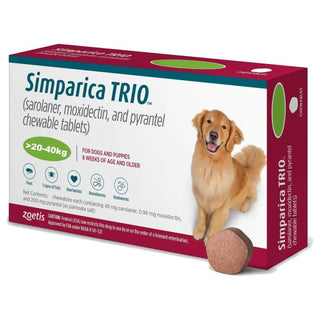
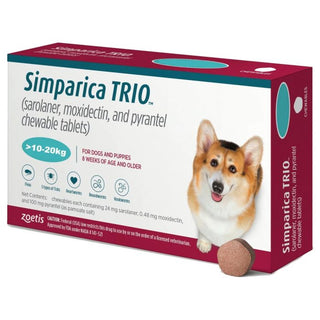


Not much to add. Dog tolerates it and price is good


Cats can become frightened by unfamiliar people, sudden sounds, changes at home, travel, other animals, or experiences that cause discomfort. Although your first instinct may be to hold and reassure your cat, frightened cats often need space and control more than physical affection.
Learning how to comfort a scared cat begins with recognizing what your cat is trying to communicate. A calm environment, predictable routine, and patient approach can help your cat feel secure without increasing fear.
The goal is not to force your cat to “get over it,” but to remove pressure and let confidence return at a pace your cat can handle.
Fear is a protective response. It helps cats avoid situations they believe could be dangerous, even when the threat seems harmless to us.
Some cats are naturally cautious, while others become fearful due to limited early socialization, prior negative experiences, pain, illness, or a stressful environment.
Common fear triggers include:
Understanding the trigger makes it easier to decide how to comfort a scared cat and prevent the same situation from becoming overwhelming again.
A scared cat may hide, freeze, crouch close to the floor, or try to escape. However, fear is not always obvious. Watch for changes in posture, facial expression, movement, and everyday habits.
Signs of fear may include:
Aggressive-looking behavior can be a defensive response. A frightened cat may hiss or swat because they feel trapped, not because they are “bad.”
Give your cat an escape route instead of punishing the behavior. Recognizing these signals early helps you understand how to comfort a scared cat before the fear escalates.
Before you can actively help, you must understand how your pet communicates stress. Cats are masters at hiding illness, but their body language speaks volumes when they are frightened.
Keep a close eye out for these classic symptoms of feline anxiety:
When figuring out how to comfort a scared cat, your first instinct might be to pull them out of hiding to cuddle them. However, forced interaction usually makes them more terrified. Instead, give them their own dedicated escape space where they can decompress completely on their own terms.
1. Choose a quiet, low-traffic room: Prerequisite. Pick a spare bedroom or a quiet bathroom away from family noise, loud appliances, and other household pets.
2. Stock the space with daily essentials: Basic Needs. Place a clean litter pan, fresh water, and food bowls in the room. Ensure the food and water are kept a few feet away from the litter box.
3. Add cozy hiding spots and comfort items: Security Layers. Provide a covered cat bed, soft plush blankets, and interactive toys. Adding an article of your clothing helps them associate your scent with safety.
4. Provide vertical elevation and window views: Advanced Comfort. Set up a sturdy cat tree or a window perch. Cats feel much safer when they can monitor their environment from a high, secure vantage point.
Feline stress doesn't happen in a vacuum. To effectively learn how to comfort a scared cat, you need to act like a detective and map out exactly what sets off their fear responses.
Common triggers include:
Once you know the primary trigger, you can intervene early. For instance, if outside animals terrify your pet, drawing the blinds can immediately deescalate their panic.
If environmental adjustments aren't enough, you can introduce specialized calming products designed to lower cortisol levels (the stress hormone).
For long-term relief, you must change how your pet actively perceives their fears. This is done through a structured process called desensitization and counterconditioning, which pairs a tiny dose of the scary trigger with a massive reward.
If your kitty is terrified of loud noises like thunderstorms, you can play a recording of a storm at a barely audible volume. While the quiet audio plays, immediately praise your pet and reward them with high-value treats, such as a Lickable puree treat or real hand-flaked tuna.
Gradually increase the volume over several days or weeks. If they show any signs of fear, step back to the previous successful volume. This positive reinforcement teaches them that the trigger brings good things rather than danger.
Knowing how to comfort a scared cat includes recognizing when home support is not enough.
Book a veterinary appointment when fear appears suddenly, becomes more intense, or is accompanied by changes in eating, drinking, movement, grooming, sleep, or litter-box habits.
Contact your veterinarian promptly if your cat:
Pain, dental disease, arthritis, changes in vision or hearing, urinary problems, neurological conditions, and other illnesses can sometimes appear as fear or irritability.
A veterinarian can assess possible medical causes and recommend an appropriate treatment or behavior plan.
Severe or persistent cases may benefit from a qualified feline behavior professional or veterinary behaviorist. Medication is sometimes used alongside environmental management and behavior modification, rather than as a replacement for them.
Usually, no. Picking up a frightened cat can make them feel trapped and increase the risk of scratching or biting.
Allow your cat to approach voluntarily unless you must move them away from immediate danger.
Some cats recover within minutes, while others need several hours or even days.
Recovery time depends on the trigger, the intensity of the experience, the cat’s temperament, previous experiences, and whether the environment now feels safe.
Give your cat space, but do not withdraw support entirely.
Reduce the trigger, provide safe resources, remain calm, and stay quietly available. Let your cat decide whether to approach you.
Low-volume music or white noise may help mask sudden sounds for some cats. Avoid loud music, heavy bass, and frequent volume changes.
Observe your cat’s response and turn the sound off if they appear more alert or uncomfortable.
Only give medication recommended or prescribed by a veterinarian for your cat.
Human medicines and products intended for other animals can be dangerous, even in small quantities.
Sudden fear may follow a stressful experience, environmental change, conflict with another animal, pain, illness, or age-related changes in vision or hearing.
A veterinary examination is important when the change is unexplained, severe, or persistent.
Yes. Hissing, growling, swatting, or biting can occur when a frightened cat believes escape is impossible.
Increase the distance between yourself and the cat, avoid touching or cornering them, and provide a safe escape route.
You can place food and water within easy reach, but avoid putting them directly inside a cramped hiding space. Your cat should have enough room to move and should not feel trapped beside the bowls.
Keep the litter box separate from food and water.

Overall rating: 4.8 / 5 from 1134 reviews.
Not much to add. Dog tolerates it and price is good

This is the only flea medication that works for us where we live.

This on-line company is such a good find. They provide quality products at a good price with delivering them efficiently. Definitely recommend purchasing from them.

Items arrived on time and work great!

Love stronghold

Same product at a great price

Fast shipping great quality and price

We are happy with Heartgard Plus

I’ve been using Symperica Trio for a yr now. Love it. 79 pets ships fast and prices are more affordable. Thank You

Right after a haircut. 6 year old dashund/shih Tzu mix

Great deal on flea/tick. Helps take care of my pup
Stronghold Violet For Dogs 5-10lbs (2.6-5kg)

Two sweet girlies decided to make our deck their home. Mosquitoes are a big problem where we live and we had to get them protected. This was the best bang for the buck. I’ve ordered from 79Pets several times and while delivery is not fast it is very consistent.
Revolution Plus For Medium Cats 5.6-11 lbs (2.6-5kg)

As a retired veterinary technician I was extremely happy to finally see a flea and heartworm medication that actually does tapeworms too!!!!!!! This is a 1st to my knowledge....I live in a tropical climate where fleas never die so this is heaven sent.
Nexgard Combo For Cats 5.5-16.5 lbs (2.5-7.5 kg)

Great for free delivery worldwide and it took shorter time than I expected. Thanks
Simparica Trio For Dogs 5.6-11 lbs (2.5-5 kg)

My dog is excited to have her Advocate given every month! Great customer service and we're already a returned customer!
Advocate (Advantage Multi) For Small Dog Upto 4kg 8.8lbs (4kg)

Great price, authentic quality and reliable shipping. Shipping takes a bit longer, since it is being shipped from abroad. But still a reliable service.
NexGard & Heartgard (Green) Combo Dogs 24-60 lbs (10-25 kg)

79 pets has great service, they resolved my issue when I purchased by mistake . Thank you!
Simparica Trio For Dogs 22.1-44 lbs (10-20 kg)

Very happy with the price of Stronghold heart worm med for my dog. Seems to be working well.
Stronghold Teal For Dogs 44-88lbs (20-40kg)

My dog loves this product, never got any issue. Good price , deliver on time. We will definitely keep purchasing with 79 pets.com. Thanks!
Simparica Trio For Dogs 22.1-44 lbs (10-20 kg)

Great customer service! Would definitely purchase from them again!
Advocate (Advantage Multi) For Small Dog Upto 4kg 8.8lbs (4kg)

My fur babies love being protected from fleas!
Stronghold Blue For Cats 5.7-15.5lbs (2.6-7.5kg)

No more fleas! I love it and my pets love it!
Stronghold Teal For Dogs 44-88lbs (20-40kg)

I have 3 of these little rascals so Michigan flea/tick season can be financially brutal! Thank you for keeping NexGard so affordable.
NexGard Chew For Small Dogs 10-24lbs (4-10kg)

it is so easy to order
NexGard & Heartgard (Brown) Combo Dogs 60-121 lbs (25-50 kg)

I have no difficulty to give the tablet to my dog. I want my shipping to come faster by the way.
NexGard Spectra For Small Dog 8-16 lbs (3.5-7.5kg)

Stronghold Plus keep my baby safe
Stronghold Plus For Large Cats 11 lbs to 22 lbs (5-10kg)

Thank You 79pets
Stronghold Plus For Medium Cats 5.5 lbs to 11 lbs (2.5-5kg)

Advocate can only be found here n it's easier to order online. Thanks 79!
Advocate (Advantage Multi) For Cats Over 8.8lbs (4kg)

Great product and price. Shipping updates helped, since product comes from abroad. I would definitely recommend and use it again.
NexGard & Heartgard (Green) Combo Dogs 24-60 lbs (10-25 kg)

Easy to give!
NexGard Spectra For Small Dog 8-16 lbs (3.5-7.5kg)

Stronghold Plus does exactly what it was advertised for. Effective and best product. Would highly recommend Stronghold Plus.
Stronghold Plus For Cats 5.5 lbs to 11 lbs (2.5-5kg) 3 Pack

After Seresto collars failed to get rid of fleas, I didn't know where to turn. I saw a post on a page I follow (Kentucky Kitty Cats) saying that they use Nexgard Combo for the cats they shelter. I decided to try it and IT WORKS!
Nexgard Combo for Cats 5.5-16.5 lbs (2.5-7.5 kg)

My kitty love Revolution. One of the best product for flea & ticks. Good price will definitely recommend this website.
Revolution Plus For Medium Cats 5.6-11 lbs (2.6-5kg)

Tried this the first time and the correct medication was sent on time to me. Will definitely use this site again. Thanks!
Simparica Chewables For Very Small Dogs 5.6-11 lbs (2.5-5kg)

Happy Kitty
Revolution Plus For Medium Cats 5.6-11 lbs (2.6-5kg)

As described. Value for money
Nexgard Chew Red for Large Dogs Flea & Tick 60-121 lbs. (25-50kg)

This is Lexi Marie! She was wondering why mom was so excited for buying flea medicine. I explained to her that we saved $100 and that she would understand some day when she grows up.
Revolution Plus For Large Cats 11.1-22lbs (5-10kg)

Received on time. Thank You 79Pets
Nexgard Chew Red for Large Dogs Flea & Tick 60-121 lbs. (25-50kg)

Very good experience!
Revolution Plus For Large Cats 11.1-22lbs (5-10kg)

Last year, I made a visit to the vet. I told them that Kattie/cat had ear mites. They gave me an ointment costing $80canadian. I used it up and purchased another bottle. $160. total not including the cost of the vet visit. No results. The ear mites have been there for a long time. Canadian vets have control of what is sold in Pet stores and you cannot purchase off the shelf products not recognized by them. I jumped at the chance to purchase your produce with a recommended 100% effectivity. I was willing to try, but was suspicions. After a month there was still a little scratching but after 6 weeks, the mites are gone and the scratching is gone. Thank you very much for this mite solution. I recommend it heartily. Harry P.S. Do not tell the Canadian vets as they will outlaw your product.
Revolution Plus For Medium Cats 5.6-11 lbs (2.6-5kg)