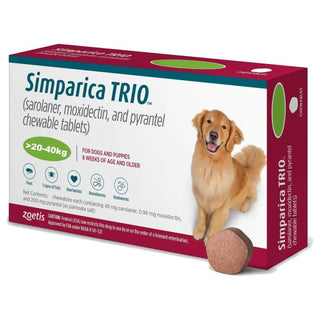
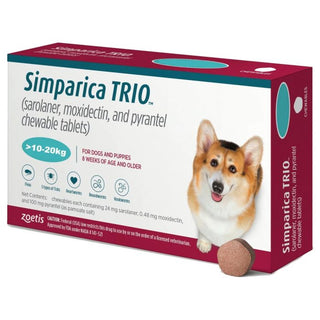


Not much to add. Dog tolerates it and price is good


Have you ever noticed your canine companion acting strange the moment you pull your luggage out of the closet? You aren't imagining things—our pets are incredibly sensitive to our travel preparation. But do dogs know when you pack for a trip, or are we just projecting our own feelings onto them?
Science and veterinary behaviorists agree that dogs are highly intuitive animals. While they don't understand the concept of a "vacation," they absolutely recognize the patterns that signal your departure.
Dogs learn through association. If your suitcase appears only before travel, it can become a reliable visual and scent cue.
Even opening the closet where your luggage is stored may be enough to attract your dog’s attention. Your dog might sit beside the case, sniff it, lie inside it, or bring a toy to the packing area.
This does not necessarily mean your dog understands the purpose of luggage. They may be:
This learned connection is one reason dogs know when you’re packing almost as soon as the suitcase appears.
Your dog knows the normal rhythm of your household. They recognize when you usually wake up, prepare meals, take walks, settle down for the evening, and leave for work.
Preparing for a trip can disrupt that rhythm. You may stay awake late folding clothes, skip a regular play session, leave home for last-minute shopping, or move continuously between rooms.
These changes help explain how dogs know when you’re packing, even when the suitcase isn't directly in front of them.
Predictable routines can support a dog’s sense of security. Veterinary behavior guidance commonly recommends maintaining regular exercise, feeding, enrichment, and rest schedules when managing separation-related distress.
Dogs pay close attention to posture, movement, facial expressions, tone of voice, and pace. Packing can make people hurried, distracted, excited, or stressed.
Your dog may not understand why your energy has changed, but they can notice that something is different. Repeatedly checking documents, rushing upstairs, speaking quickly, or worrying about a delayed taxi can add to the unusual atmosphere.
When dogs know when you’re packing from your movements and emotional energy, hiding the suitcase alone may not prevent a reaction.
The suitcase is rarely the only clue. Your dog may also connect the following objects or activities with an upcoming absence:
Together, these clues make the pattern easier to recognize. That is often why dogs know when you’re packing after only a few minutes of unusual activity.
Knowing that your dog is highly aware of your travel prep means you can take steps to make the process completely stress-free.
Instead of keeping your suitcase hidden until the last minute, leave it out in your living area weeks before your trip. Toss treats near or inside it so your dog learns to view the suitcase as a normal, positive part of their environment.
Avoid a frantic, last-minute packing marathon. Instead, pack a few items each day for a week. This prevents your preparation from turning into a sudden, high-stress event that alerts your pet.
Keep feeding times, walks, and sleep routines exactly the same. Maintaining predictability is the single best way to keep a dog feeling safe and secure.
When it is time to load up your bags, give your dog a high-value distraction, like a puzzle toy filled with treats. Mental stimulation naturally reduces anxiety and keeps their focus away from your suitcase.
Why This Matters: Understanding how and why dogs know when you pack allows us to be more empathetic pet parents. With the right preparation, you can head out on your trip with total peace of mind, knowing your dog is calm and comfortable.
Dogs are unlikely to understand a vacation as a planned period of travel. However, they can recognize the sequence of events that usually leads to a longer absence, including luggage, changes in routine, visitors, and unusual household activity.
Some dogs may react as soon as the suitcase appears. Others may not respond until they notice several departure cues, such as clothing being organized, meals being prepared for a sitter, or their normal routine changing.
Your dog may be investigating the suitcase, seeking attention, staying close to your scent, or responding to a learned travel cue.
Sitting in your suitcase does not automatically mean your dog is distressed. Consider their complete body language and behavior.
Clinginess may be an attempt to maintain contact when your routine changes. Your dog may also have learned that packing predicts a period of separation.
If the clinginess is accompanied by pacing, panting, whining, trembling, food refusal, destruction, or panic when left alone, speak with your veterinarian.
Hiding the suitcase may prevent an immediate reaction, but it does not address anxiety associated with other departure cues.
For mild reactions, gradually turning the suitcase into a normal and non-threatening household object may be more helpful.
Dogs do not interpret travel the same way humans do, but some can experience genuine distress when separated from an attachment figure.
Reliable care, familiar routines, gradual training in alone time, and professional support when necessary can make departures easier.
Dogs can notice their owner’s absence and may seek familiar routines, scents, or interaction. Most dogs can cope well when cared for by a trusted person who maintains their regular schedule and provides appropriate companionship.
Overall rating: 4.8 / 5 from 1134 reviews.
Not much to add. Dog tolerates it and price is good

This is the only flea medication that works for us where we live.

This on-line company is such a good find. They provide quality products at a good price with delivering them efficiently. Definitely recommend purchasing from them.

Items arrived on time and work great!

Love stronghold

Same product at a great price

Fast shipping great quality and price

We are happy with Heartgard Plus

I’ve been using Symperica Trio for a yr now. Love it. 79 pets ships fast and prices are more affordable. Thank You

Right after a haircut. 6 year old dashund/shih Tzu mix

Great deal on flea/tick. Helps take care of my pup
Stronghold Violet For Dogs 5-10lbs (2.6-5kg)

Two sweet girlies decided to make our deck their home. Mosquitoes are a big problem where we live and we had to get them protected. This was the best bang for the buck. I’ve ordered from 79Pets several times and while delivery is not fast it is very consistent.
Revolution Plus For Medium Cats 5.6-11 lbs (2.6-5kg)

As a retired veterinary technician I was extremely happy to finally see a flea and heartworm medication that actually does tapeworms too!!!!!!! This is a 1st to my knowledge....I live in a tropical climate where fleas never die so this is heaven sent.
Nexgard Combo For Cats 5.5-16.5 lbs (2.5-7.5 kg)

Great for free delivery worldwide and it took shorter time than I expected. Thanks
Simparica Trio For Dogs 5.6-11 lbs (2.5-5 kg)

My dog is excited to have her Advocate given every month! Great customer service and we're already a returned customer!
Advocate (Advantage Multi) For Small Dog Upto 4kg 8.8lbs (4kg)

Great price, authentic quality and reliable shipping. Shipping takes a bit longer, since it is being shipped from abroad. But still a reliable service.
NexGard & Heartgard (Green) Combo Dogs 24-60 lbs (10-25 kg)

79 pets has great service, they resolved my issue when I purchased by mistake . Thank you!
Simparica Trio For Dogs 22.1-44 lbs (10-20 kg)

Very happy with the price of Stronghold heart worm med for my dog. Seems to be working well.
Stronghold Teal For Dogs 44-88lbs (20-40kg)

My dog loves this product, never got any issue. Good price , deliver on time. We will definitely keep purchasing with 79 pets.com. Thanks!
Simparica Trio For Dogs 22.1-44 lbs (10-20 kg)

Great customer service! Would definitely purchase from them again!
Advocate (Advantage Multi) For Small Dog Upto 4kg 8.8lbs (4kg)

My fur babies love being protected from fleas!
Stronghold Blue For Cats 5.7-15.5lbs (2.6-7.5kg)

No more fleas! I love it and my pets love it!
Stronghold Teal For Dogs 44-88lbs (20-40kg)

I have 3 of these little rascals so Michigan flea/tick season can be financially brutal! Thank you for keeping NexGard so affordable.
NexGard Chew For Small Dogs 10-24lbs (4-10kg)

it is so easy to order
NexGard & Heartgard (Brown) Combo Dogs 60-121 lbs (25-50 kg)

I have no difficulty to give the tablet to my dog. I want my shipping to come faster by the way.
NexGard Spectra For Small Dog 8-16 lbs (3.5-7.5kg)

Stronghold Plus keep my baby safe
Stronghold Plus For Large Cats 11 lbs to 22 lbs (5-10kg)

Thank You 79pets
Stronghold Plus For Medium Cats 5.5 lbs to 11 lbs (2.5-5kg)

Advocate can only be found here n it's easier to order online. Thanks 79!
Advocate (Advantage Multi) For Cats Over 8.8lbs (4kg)

Great product and price. Shipping updates helped, since product comes from abroad. I would definitely recommend and use it again.
NexGard & Heartgard (Green) Combo Dogs 24-60 lbs (10-25 kg)

Easy to give!
NexGard Spectra For Small Dog 8-16 lbs (3.5-7.5kg)

Stronghold Plus does exactly what it was advertised for. Effective and best product. Would highly recommend Stronghold Plus.
Stronghold Plus For Cats 5.5 lbs to 11 lbs (2.5-5kg) 3 Pack

After Seresto collars failed to get rid of fleas, I didn't know where to turn. I saw a post on a page I follow (Kentucky Kitty Cats) saying that they use Nexgard Combo for the cats they shelter. I decided to try it and IT WORKS!
Nexgard Combo for Cats 5.5-16.5 lbs (2.5-7.5 kg)

My kitty love Revolution. One of the best product for flea & ticks. Good price will definitely recommend this website.
Revolution Plus For Medium Cats 5.6-11 lbs (2.6-5kg)

Tried this the first time and the correct medication was sent on time to me. Will definitely use this site again. Thanks!
Simparica Chewables For Very Small Dogs 5.6-11 lbs (2.5-5kg)

Happy Kitty
Revolution Plus For Medium Cats 5.6-11 lbs (2.6-5kg)

As described. Value for money
Nexgard Chew Red for Large Dogs Flea & Tick 60-121 lbs. (25-50kg)

This is Lexi Marie! She was wondering why mom was so excited for buying flea medicine. I explained to her that we saved $100 and that she would understand some day when she grows up.
Revolution Plus For Large Cats 11.1-22lbs (5-10kg)

Received on time. Thank You 79Pets
Nexgard Chew Red for Large Dogs Flea & Tick 60-121 lbs. (25-50kg)

Very good experience!
Revolution Plus For Large Cats 11.1-22lbs (5-10kg)

Last year, I made a visit to the vet. I told them that Kattie/cat had ear mites. They gave me an ointment costing $80canadian. I used it up and purchased another bottle. $160. total not including the cost of the vet visit. No results. The ear mites have been there for a long time. Canadian vets have control of what is sold in Pet stores and you cannot purchase off the shelf products not recognized by them. I jumped at the chance to purchase your produce with a recommended 100% effectivity. I was willing to try, but was suspicions. After a month there was still a little scratching but after 6 weeks, the mites are gone and the scratching is gone. Thank you very much for this mite solution. I recommend it heartily. Harry P.S. Do not tell the Canadian vets as they will outlaw your product.
Revolution Plus For Medium Cats 5.6-11 lbs (2.6-5kg)