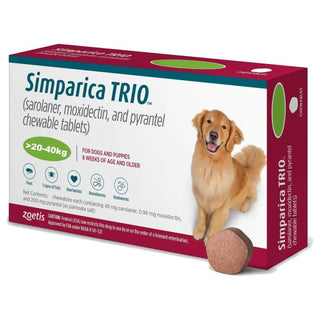
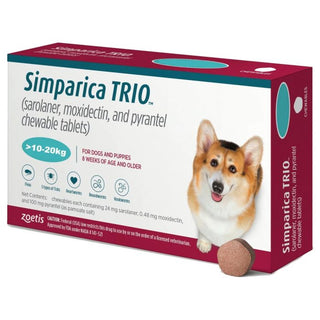


Not much to add. Dog tolerates it and price is good


Have you ever watched your pup zoom across a park just to greet a specific furry face? It is an incredibly heartwarming sight that leaves many pet parents wondering about the inner social lives of their companions. While our pets don't experience relationships in the exact same way humans do, science confirms that they are deeply social creatures capable of forming genuine, mutual attachments.
Understanding the mechanics of canine behavior not only satisfies our curiosity but also empowers us to support our pets' emotional well-being. By learning the subtle cues of animal communication, you can help your dog navigate the social world safely and confidently.
The short answer is a resounding yes. According to veterinary behaviorists, dogs frequently show clear preferences for specific, familiar companions. When a bond is real, this preference is entirely mutual. You will know your dog has chosen a true buddy when they repeatedly display affectionate, affiliative behaviors toward them, such as:
While humans bond over long conversations, dogs build relationships through shared physical actions. They express their affinity by sharing favorite toys, sleeping near one another, and offering comfort when their companion feels anxious.
When two canines meet for the first time, they don't just jump into play. They follow a highly sophisticated social ritual to evaluate whether the other dog is safe, neutral, or a potential threat.
Understanding exactly how dogs make friends requires looking closely at their step-by-step introduction process:
1. The Mutual Sniff: Information Gathering.
Dogs start by sniffing each other's sides and rears. This scent-based greeting provides them with essential data regarding the other dog's age, health, gender, and emotional state.
2. Relaxed Body Postures: Establishing Safety.
Friendly, well-socialized dogs avoid direct, tense staring or leaning aggressively over the other pup. Instead, they keep their bodies loose, ears relaxed, and tails wagging in an easy, circular motion.
3. The Play Bow: The Invitation to Bond.
To signal that their intentions are purely joyful, a dog will drop their front elbows to the ground while keeping their rear end up. If the other dog responds with a matching bow, the friendship is officially underway.
Over time, repeated positive encounters reinforce this initial trust. This regular exposure is precisely how dogs make friends that last a lifetime, as familiarity breeds a sense of comfort and security.
Not every dog is a natural social butterfly, and that is completely normal. Several key factors dictate how easily a dog interacts with its peers:
If you want to support your pet's social life, the goal should never be to force them to love every dog they see. Instead, focus on creating controlled environments where positive interactions can flourish naturally.
Packed, high-stress dog parks can easily overwhelm a sensitive pet, leading to fear or defensive aggression. Instead, opt for quiet, structured activities like one-on-one parallel walks or small backyard playgroups with known, calm dogs.
Shared activities are an incredible shortcut when navigating how dogs make friends. Handing two compatible dogs a durable multi-knot rope toy or initiating a game with a high-flying disc gives both animals a cooperative task to focus on. This effectively channels their nervous energy into constructive, shared joy.
Pet Parent Tip: Keep a premium interactive fetch toy or an extra-long tug rope in your walking bag. Offering these high-quality icebreakers during a playdate is a fantastic way to facilitate bonding while keeping both dogs actively engaged.
Forced introductions are a recipe for conflict. If your pup turns away, freezes, or attempts to hide behind your legs, respect their boundaries and calmly remove them from the situation. Remember, many dogs are perfectly content receiving all their love, exercise, and emotional fulfillment strictly from their human family.
Before setting up any social dates, ensure your dog’s health is fully protected. Socializing brings dogs into close contact, which increases the risk of transferring common pests like fleas, ticks, and internal parasites.
To keep your pet's social hours safe and worry-free, make sure you are consistent with premium flea and tick preventatives, regular deworming schedules, and up-to-date vaccinations. A healthy, pest-free dog is a confident, happy friend! Explore our curated collection of vet-approved wellness products and interactive toys to ensure your companion is fully equipped for their next great adventure.

Overall rating: 4.8 / 5 from 1134 reviews.
Not much to add. Dog tolerates it and price is good

This is the only flea medication that works for us where we live.

This on-line company is such a good find. They provide quality products at a good price with delivering them efficiently. Definitely recommend purchasing from them.

Items arrived on time and work great!

Love stronghold

Same product at a great price

Fast shipping great quality and price

We are happy with Heartgard Plus

I’ve been using Symperica Trio for a yr now. Love it. 79 pets ships fast and prices are more affordable. Thank You

Right after a haircut. 6 year old dashund/shih Tzu mix

Great deal on flea/tick. Helps take care of my pup
Stronghold Violet For Dogs 5-10lbs (2.6-5kg)

Two sweet girlies decided to make our deck their home. Mosquitoes are a big problem where we live and we had to get them protected. This was the best bang for the buck. I’ve ordered from 79Pets several times and while delivery is not fast it is very consistent.
Revolution Plus For Medium Cats 5.6-11 lbs (2.6-5kg)

As a retired veterinary technician I was extremely happy to finally see a flea and heartworm medication that actually does tapeworms too!!!!!!! This is a 1st to my knowledge....I live in a tropical climate where fleas never die so this is heaven sent.
Nexgard Combo For Cats 5.5-16.5 lbs (2.5-7.5 kg)

Great for free delivery worldwide and it took shorter time than I expected. Thanks
Simparica Trio For Dogs 5.6-11 lbs (2.5-5 kg)

My dog is excited to have her Advocate given every month! Great customer service and we're already a returned customer!
Advocate (Advantage Multi) For Small Dog Upto 4kg 8.8lbs (4kg)

Great price, authentic quality and reliable shipping. Shipping takes a bit longer, since it is being shipped from abroad. But still a reliable service.
NexGard & Heartgard (Green) Combo Dogs 24-60 lbs (10-25 kg)

79 pets has great service, they resolved my issue when I purchased by mistake . Thank you!
Simparica Trio For Dogs 22.1-44 lbs (10-20 kg)

Very happy with the price of Stronghold heart worm med for my dog. Seems to be working well.
Stronghold Teal For Dogs 44-88lbs (20-40kg)

My dog loves this product, never got any issue. Good price , deliver on time. We will definitely keep purchasing with 79 pets.com. Thanks!
Simparica Trio For Dogs 22.1-44 lbs (10-20 kg)

Great customer service! Would definitely purchase from them again!
Advocate (Advantage Multi) For Small Dog Upto 4kg 8.8lbs (4kg)

My fur babies love being protected from fleas!
Stronghold Blue For Cats 5.7-15.5lbs (2.6-7.5kg)

No more fleas! I love it and my pets love it!
Stronghold Teal For Dogs 44-88lbs (20-40kg)

I have 3 of these little rascals so Michigan flea/tick season can be financially brutal! Thank you for keeping NexGard so affordable.
NexGard Chew For Small Dogs 10-24lbs (4-10kg)

it is so easy to order
NexGard & Heartgard (Brown) Combo Dogs 60-121 lbs (25-50 kg)

I have no difficulty to give the tablet to my dog. I want my shipping to come faster by the way.
NexGard Spectra For Small Dog 8-16 lbs (3.5-7.5kg)

Stronghold Plus keep my baby safe
Stronghold Plus For Large Cats 11 lbs to 22 lbs (5-10kg)

Thank You 79pets
Stronghold Plus For Medium Cats 5.5 lbs to 11 lbs (2.5-5kg)

Advocate can only be found here n it's easier to order online. Thanks 79!
Advocate (Advantage Multi) For Cats Over 8.8lbs (4kg)

Great product and price. Shipping updates helped, since product comes from abroad. I would definitely recommend and use it again.
NexGard & Heartgard (Green) Combo Dogs 24-60 lbs (10-25 kg)

Easy to give!
NexGard Spectra For Small Dog 8-16 lbs (3.5-7.5kg)

Stronghold Plus does exactly what it was advertised for. Effective and best product. Would highly recommend Stronghold Plus.
Stronghold Plus For Cats 5.5 lbs to 11 lbs (2.5-5kg) 3 Pack

After Seresto collars failed to get rid of fleas, I didn't know where to turn. I saw a post on a page I follow (Kentucky Kitty Cats) saying that they use Nexgard Combo for the cats they shelter. I decided to try it and IT WORKS!
Nexgard Combo for Cats 5.5-16.5 lbs (2.5-7.5 kg)

My kitty love Revolution. One of the best product for flea & ticks. Good price will definitely recommend this website.
Revolution Plus For Medium Cats 5.6-11 lbs (2.6-5kg)

Tried this the first time and the correct medication was sent on time to me. Will definitely use this site again. Thanks!
Simparica Chewables For Very Small Dogs 5.6-11 lbs (2.5-5kg)

Happy Kitty
Revolution Plus For Medium Cats 5.6-11 lbs (2.6-5kg)

As described. Value for money
Nexgard Chew Red for Large Dogs Flea & Tick 60-121 lbs. (25-50kg)

This is Lexi Marie! She was wondering why mom was so excited for buying flea medicine. I explained to her that we saved $100 and that she would understand some day when she grows up.
Revolution Plus For Large Cats 11.1-22lbs (5-10kg)

Received on time. Thank You 79Pets
Nexgard Chew Red for Large Dogs Flea & Tick 60-121 lbs. (25-50kg)

Very good experience!
Revolution Plus For Large Cats 11.1-22lbs (5-10kg)

Last year, I made a visit to the vet. I told them that Kattie/cat had ear mites. They gave me an ointment costing $80canadian. I used it up and purchased another bottle. $160. total not including the cost of the vet visit. No results. The ear mites have been there for a long time. Canadian vets have control of what is sold in Pet stores and you cannot purchase off the shelf products not recognized by them. I jumped at the chance to purchase your produce with a recommended 100% effectivity. I was willing to try, but was suspicions. After a month there was still a little scratching but after 6 weeks, the mites are gone and the scratching is gone. Thank you very much for this mite solution. I recommend it heartily. Harry P.S. Do not tell the Canadian vets as they will outlaw your product.
Revolution Plus For Medium Cats 5.6-11 lbs (2.6-5kg)