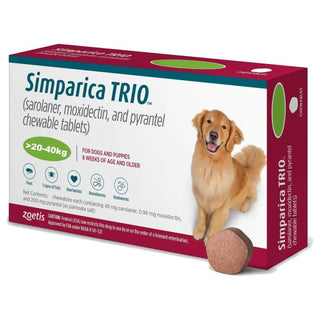
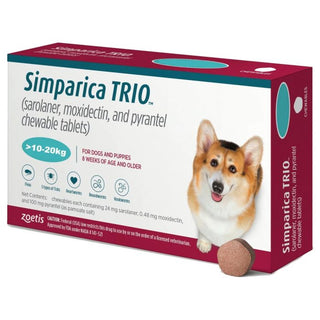


Not much to add. Dog tolerates it and price is good


Many cat owners are surprised to find their pets curled up on their laps after a long day, purring contentedly. While popular culture often paints felines as aloof, independent creatures, many pet parents experience a completely different reality. If you often ask yourself, "Why is my cat so cuddly?" you are definitely not alone.
For most people, a highly affectionate feline reflects a secure, loving relationship rather than a behavioral issue. Your pet may see you as a safe companion, a source of cozy warmth, or simply the person who gives the absolute best chin scratches. Let’s dive into the science, psychology, and behavioral patterns behind feline snuggle sessions, and explore how you can nurture this beautiful bond.
An affectionate cat actively seeks physical closeness. They may climb onto your lap, curl against your side, sleep on your chest, press their forehead into you, or follow you from room to room.
However, feline affection is highly personal. Not every affectionate pet enjoys being picked up or hugged. Some prefer sitting nearby, leaning against your leg, blinking slowly, or sleeping at the foot of the bed. When analyzing why your cat is so cuddly, it is crucial to look at their complete behavioral pattern:
Cats are vulnerable when they rest. Choosing to sleep beside you—or directly on top of you—means they trust you enough to lower their guard. Your familiar scent, voice, and daily presence are signals of safety. This is the simplest answer to the question of why is my cat so cuddly: you have become their ultimate safe zone.
Positive contact with people during kittenhood heavily influences how comfortable a cat becomes around humans. Kittens that experience calm handling, gentle play, and respectful interactions are highly likely to grow into adults that actively seek physical companionship.
Some felines are naturally more social, confident, or people-oriented than others. While mixed-breed rescues can be world-class lap warmers, certain breeds are genetically predisposed to affectionate temperaments:
Cats are incredibly smart and quickly associate their actions with positive outcomes. If climbing onto your lap leads to physical petting, verbal praise, treats, or your undivided attention, they will repeat the behavior. This learned pattern is a major reason why my cat is so cuddly.
A cat's natural body temperature runs between 101°F and 102.5°F. Your body acts as a natural radiator. When the weather cools down, or the air-conditioning kicks in, your lap, stomach, and legs become prime real estate for heat conservation.
In the wild, cats use scent and touch to communicate alignment within a group. Rubbing their cheeks or forehead against you (bunting) deposits facial pheromones that mark you as "safe." Grooming your hair, licking your hand, or sleeping in contact with you are all social behaviors meant to reinforce your mutual family bond.
Sometimes, cuddles have a highly practical purpose. If your pet weaves around your ankles before breakfast or jumps onto your desk during a work meeting, they have likely figured out that being cute is the fastest way to get food, open doors, or initiate playtime.
Major life events—such as moving to a new home, hosting visitors, introducing a new pet, or even shifting your work schedule—can make a feline feel unsettled. Under stress, some hide, while others cling to their trusted human to regain a sense of security.
As cats transition from energetic adolescents into mature adults, they often settle into calmer, more affectionate routines. Furthermore, senior cats often seek more physical comfort, reassurance, and warmth.
Note: If you find yourself wondering why your cat is so cuddly in their senior years, make sure to monitor them for sensory decline (hearing or vision changes), joint discomfort, or cognitive changes, which can also trigger sudden clinginess.
An unspayed female cat in heat will exhibit dramatic increases in vocalization, rubbing, rolling, and physical clinginess. Additionally, certain underlying medical conditions that affect metabolism, blood pressure, or comfort levels can cause a cat to stick closely to their owner's side for comfort.
Felines have a diverse love language. Even if your pet isn't a traditional lap cat, they are likely showing they care through these common signs:
|
Sign of Affection |
What It Means |
|
Head Bunting / Cheek Rubbing |
Leaving their unique scent to mark you as family. |
|
Slow Blinking |
Often called a "cat kiss"—the ultimate sign of trust and safety. |
|
Kneading ("Making Biscuits") |
A comforting behavior retained from kittenhood. |
|
Upright Tail with a Curved Tip |
Indicates happiness and a friendly greeting. |
|
Licking or Gentle Grooming |
Treating you as a clean, valued member of their pack. |
|
Sleeping with Back to You |
Showing absolute vulnerability and trust in your protection. |
A sudden shift in behavior is always more significant than the baseline level of affection. The question "why is my cat so cuddly" deserves careful attention if an independent pet becomes inseparable overnight.
While temporary triggers like cold weather, your return from a trip, or upcoming feeding times are completely benign, sudden and intense clinginess can sometimes accompany physical discomfort or illness.
If your pet's sudden clinginess is accompanied by any of these physical symptoms, schedule a veterinary examination to rule out underlying medical conditions.
If your cat turns into an absolute cuddle bug the moment you turn off the lights, it is usually because the household has finally quieted down. With no footsteps, loud TVs, or distracting activities, your bed becomes a peaceful sanctuary. Furthermore, as your body temperature drops slightly in your sleep and the room cools, your cat will actively seek out your chest, head, or legs to stay warm and secure through the night.
While you can never force a feline to cuddle, you can easily create a safe, inviting environment that makes close contact incredibly rewarding.
By supporting their natural habits and respecting their space, you’ll no longer have to wonder why my cat is so cuddly—you’ll simply be enjoying the quiet, purr-filled rewards of a deeply trusting bond.

Overall rating: 4.8 / 5 from 1134 reviews.
Not much to add. Dog tolerates it and price is good

This is the only flea medication that works for us where we live.

This on-line company is such a good find. They provide quality products at a good price with delivering them efficiently. Definitely recommend purchasing from them.

Items arrived on time and work great!

Love stronghold

Same product at a great price

Fast shipping great quality and price

We are happy with Heartgard Plus

I’ve been using Symperica Trio for a yr now. Love it. 79 pets ships fast and prices are more affordable. Thank You

Right after a haircut. 6 year old dashund/shih Tzu mix

Great deal on flea/tick. Helps take care of my pup
Stronghold Violet For Dogs 5-10lbs (2.6-5kg)

Two sweet girlies decided to make our deck their home. Mosquitoes are a big problem where we live and we had to get them protected. This was the best bang for the buck. I’ve ordered from 79Pets several times and while delivery is not fast it is very consistent.
Revolution Plus For Medium Cats 5.6-11 lbs (2.6-5kg)

As a retired veterinary technician I was extremely happy to finally see a flea and heartworm medication that actually does tapeworms too!!!!!!! This is a 1st to my knowledge....I live in a tropical climate where fleas never die so this is heaven sent.
Nexgard Combo For Cats 5.5-16.5 lbs (2.5-7.5 kg)

Great for free delivery worldwide and it took shorter time than I expected. Thanks
Simparica Trio For Dogs 5.6-11 lbs (2.5-5 kg)

My dog is excited to have her Advocate given every month! Great customer service and we're already a returned customer!
Advocate (Advantage Multi) For Small Dog Upto 4kg 8.8lbs (4kg)

Great price, authentic quality and reliable shipping. Shipping takes a bit longer, since it is being shipped from abroad. But still a reliable service.
NexGard & Heartgard (Green) Combo Dogs 24-60 lbs (10-25 kg)

79 pets has great service, they resolved my issue when I purchased by mistake . Thank you!
Simparica Trio For Dogs 22.1-44 lbs (10-20 kg)

Very happy with the price of Stronghold heart worm med for my dog. Seems to be working well.
Stronghold Teal For Dogs 44-88lbs (20-40kg)

My dog loves this product, never got any issue. Good price , deliver on time. We will definitely keep purchasing with 79 pets.com. Thanks!
Simparica Trio For Dogs 22.1-44 lbs (10-20 kg)

Great customer service! Would definitely purchase from them again!
Advocate (Advantage Multi) For Small Dog Upto 4kg 8.8lbs (4kg)

My fur babies love being protected from fleas!
Stronghold Blue For Cats 5.7-15.5lbs (2.6-7.5kg)

No more fleas! I love it and my pets love it!
Stronghold Teal For Dogs 44-88lbs (20-40kg)

I have 3 of these little rascals so Michigan flea/tick season can be financially brutal! Thank you for keeping NexGard so affordable.
NexGard Chew For Small Dogs 10-24lbs (4-10kg)

it is so easy to order
NexGard & Heartgard (Brown) Combo Dogs 60-121 lbs (25-50 kg)

I have no difficulty to give the tablet to my dog. I want my shipping to come faster by the way.
NexGard Spectra For Small Dog 8-16 lbs (3.5-7.5kg)

Stronghold Plus keep my baby safe
Stronghold Plus For Large Cats 11 lbs to 22 lbs (5-10kg)

Thank You 79pets
Stronghold Plus For Medium Cats 5.5 lbs to 11 lbs (2.5-5kg)

Advocate can only be found here n it's easier to order online. Thanks 79!
Advocate (Advantage Multi) For Cats Over 8.8lbs (4kg)

Great product and price. Shipping updates helped, since product comes from abroad. I would definitely recommend and use it again.
NexGard & Heartgard (Green) Combo Dogs 24-60 lbs (10-25 kg)

Easy to give!
NexGard Spectra For Small Dog 8-16 lbs (3.5-7.5kg)

Stronghold Plus does exactly what it was advertised for. Effective and best product. Would highly recommend Stronghold Plus.
Stronghold Plus For Cats 5.5 lbs to 11 lbs (2.5-5kg) 3 Pack

After Seresto collars failed to get rid of fleas, I didn't know where to turn. I saw a post on a page I follow (Kentucky Kitty Cats) saying that they use Nexgard Combo for the cats they shelter. I decided to try it and IT WORKS!
Nexgard Combo for Cats 5.5-16.5 lbs (2.5-7.5 kg)

My kitty love Revolution. One of the best product for flea & ticks. Good price will definitely recommend this website.
Revolution Plus For Medium Cats 5.6-11 lbs (2.6-5kg)

Tried this the first time and the correct medication was sent on time to me. Will definitely use this site again. Thanks!
Simparica Chewables For Very Small Dogs 5.6-11 lbs (2.5-5kg)

Happy Kitty
Revolution Plus For Medium Cats 5.6-11 lbs (2.6-5kg)

As described. Value for money
Nexgard Chew Red for Large Dogs Flea & Tick 60-121 lbs. (25-50kg)

This is Lexi Marie! She was wondering why mom was so excited for buying flea medicine. I explained to her that we saved $100 and that she would understand some day when she grows up.
Revolution Plus For Large Cats 11.1-22lbs (5-10kg)

Received on time. Thank You 79Pets
Nexgard Chew Red for Large Dogs Flea & Tick 60-121 lbs. (25-50kg)

Very good experience!
Revolution Plus For Large Cats 11.1-22lbs (5-10kg)

Last year, I made a visit to the vet. I told them that Kattie/cat had ear mites. They gave me an ointment costing $80canadian. I used it up and purchased another bottle. $160. total not including the cost of the vet visit. No results. The ear mites have been there for a long time. Canadian vets have control of what is sold in Pet stores and you cannot purchase off the shelf products not recognized by them. I jumped at the chance to purchase your produce with a recommended 100% effectivity. I was willing to try, but was suspicions. After a month there was still a little scratching but after 6 weeks, the mites are gone and the scratching is gone. Thank you very much for this mite solution. I recommend it heartily. Harry P.S. Do not tell the Canadian vets as they will outlaw your product.
Revolution Plus For Medium Cats 5.6-11 lbs (2.6-5kg)