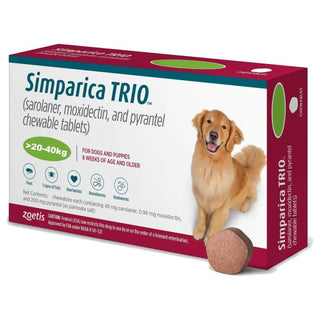
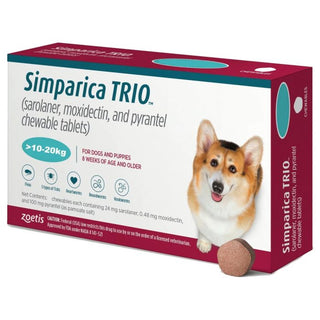


Not much to add. Dog tolerates it and price is good


Few sounds can catch a pet parent off guard quite like the sharp, sudden burst of air from a feline companion. If you have ever been on the receiving end of this sound, you know it instantly changes the energy in the room. But what is your feline friend actually trying to communicate when they let out that mini-roar?
Understanding cat communication requires looking past the sound itself and tuning into their entire emotional state. Let's break down the psychology, the triggers, and the best ways to respond when your cat decides to speak up.
A hiss is an involuntary, defensive reflex. When a cat feels threatened, they open their mouth, pull back their lips, and forcibly expel air through their throat. Fascinatingly, evolutionary biologists believe this behavior is a form of mimicry. In the wild, cats mimic the sound and posture of a venomous snake to scare off potential predators.
It is crucial to realize that a hiss is rarely a sign of unprovoked aggression. Instead, it is a boundary-setting tool—a warning shot that says, "I am highly uncomfortable, and I need space right now."

As shown in the body language breakdown above, a hiss typically shifts a cat from the "scared" spectrum straight into the "angry/defensive" zone. When decoding why cats hiss, look for these accompanying physical signs:
Felines do not use their warning systems without a good reason. If you are trying to figure out why cats hiss, the trigger usually falls into one of these specific categories:
Fear is the root cause of most defensive behaviors. Your cat may react to an unfamiliar visitor, a barking dog, sudden movement, or a loud appliance. Even if something appears entirely harmless to you, your cat may interpret it as a danger to their survival.
Cats sometimes hiss automatically as a reflex when they are caught off guard. A sleeping cat may react if touched without warning, or a cat walking around a corner may hiss when another animal suddenly appears in their path.
If you have ever wondered, "Why is my cat hissing suddenly when I pet them?" the answer might be physical pain. Dental disease, arthritis, injuries, or abdominal discomfort can make handling deeply unpleasant. If a normally relaxed cat begins hissing without an obvious environmental trigger, a trip to the vet is highly recommended.
A cat may enjoy being stroked for a few minutes and then suddenly reach their sensory limit. The physical sensation can quickly become overwhelming. Watch out for a flicking tail, twitching skin, or backward-facing ears—these are early warnings that they need a break before the hiss occurs.
Cats are deeply territorial creatures. A new pet, a visiting animal, an unfamiliar scent on your clothes, or even a stray cat seen through a window can spark territorial panic and resource guarding.
Hissing during introductions is incredibly common. It frequently indicates that the introduction is progressing too quickly, causing anxiety over limited escape routes, close physical contact, and potential competition for food or attention.
If you are dealing with a nursing mother cat, her protective instincts are operating at an all-time high. She will readily hiss at humans or other animals who get too close to her litter to ensure her vulnerable kittens stay safe.
Moving to a new house, renovation work, a new baby, or a sudden change in their daily feeding routine can make a cat feel completely unsettled. Hissing and growling are common expressions of this underlying environmental stress.
Constant hissing means your cat's stress hormones are running too high. To lower their anxiety and prevent defensive behavior, you need the right tools.
When your companion communicates their distress, your reaction can either defuse the situation or make it much worse.
Step 1.
Back away slowly. Do not try to comfort, hug, or pick up a hissing cat, as this will feel like an escalation of the threat to them and could result in defensive biting.
Step 2.
If the trigger is obvious—like a loud toy, a barking dog, or a persistent visitor—remove it from the cat’s immediate line of sight and hearing.
Step 3.
Ensure your cat has an open pathway to a safe zone, such as a cozy closet, a high perch, or a hidden under-bed sanctuary where they can hide out undisturbed.
Step 4.
It can take anywhere from 30 minutes to a few hours for a cat's stress hormones to return to baseline. Leave them entirely alone until they willingly step out of hiding.
Critical Safety Rule: Never punish, yell at, or spray a hissing cat with water. Punishing a defensive reflex teaches your cat to fear you, which destroys your bond and increases the likelihood that they will bypass the warning hiss next time and go straight to a scratch or bite.
A cat may hiss at a trusted owner when they are frightened, startled, overstimulated during petting, or in pain. It does not mean they hate you; it just means they need immediate physical space. Check if your scent has changed (e.g., handling another animal or wearing strong perfume), as this can also trigger a defensive reaction.
Cats have incredibly sharp senses. They can detect microscopic bugs, hear pests inside the walls, or smell a stray outdoor cat you cannot see. However, if your cat is repeatedly hissing at "nothing," it could point to internal medical discomfort or age-related sensory confusion, which warrants a vet visit.
Normal play involves chasing, pouncing, and wrestling. However, if one or both cats start hissing, growling, or flattening their ears, the play has crossed the line into actual discomfort or conflict. Pause the session immediately using a physical barrier (like a piece of cardboard) rather than your bare hands.
The clearest answer to why cats hiss is that hissing establishes a healthy boundary. It is a vital tool that allows your pet to say "no" without resorting to violence. By respecting their warning, removing environmental triggers, and providing a secure environment, you can build an unbreakable bond of trust with your feline friend.
Keep your cat feeling secure, happy, and relaxed with premium, expert-selected pet essentials from 79Pets. Always consult your veterinarian if sudden behavioral changes persist.

Overall rating: 4.8 / 5 from 1134 reviews.
Not much to add. Dog tolerates it and price is good

This is the only flea medication that works for us where we live.

This on-line company is such a good find. They provide quality products at a good price with delivering them efficiently. Definitely recommend purchasing from them.

Items arrived on time and work great!

Love stronghold

Same product at a great price

Fast shipping great quality and price

We are happy with Heartgard Plus

I’ve been using Symperica Trio for a yr now. Love it. 79 pets ships fast and prices are more affordable. Thank You

Right after a haircut. 6 year old dashund/shih Tzu mix

Great deal on flea/tick. Helps take care of my pup
Stronghold Violet For Dogs 5-10lbs (2.6-5kg)

Two sweet girlies decided to make our deck their home. Mosquitoes are a big problem where we live and we had to get them protected. This was the best bang for the buck. I’ve ordered from 79Pets several times and while delivery is not fast it is very consistent.
Revolution Plus For Medium Cats 5.6-11 lbs (2.6-5kg)

As a retired veterinary technician I was extremely happy to finally see a flea and heartworm medication that actually does tapeworms too!!!!!!! This is a 1st to my knowledge....I live in a tropical climate where fleas never die so this is heaven sent.
Nexgard Combo For Cats 5.5-16.5 lbs (2.5-7.5 kg)

Great for free delivery worldwide and it took shorter time than I expected. Thanks
Simparica Trio For Dogs 5.6-11 lbs (2.5-5 kg)

My dog is excited to have her Advocate given every month! Great customer service and we're already a returned customer!
Advocate (Advantage Multi) For Small Dog Upto 4kg 8.8lbs (4kg)

Great price, authentic quality and reliable shipping. Shipping takes a bit longer, since it is being shipped from abroad. But still a reliable service.
NexGard & Heartgard (Green) Combo Dogs 24-60 lbs (10-25 kg)

79 pets has great service, they resolved my issue when I purchased by mistake . Thank you!
Simparica Trio For Dogs 22.1-44 lbs (10-20 kg)

Very happy with the price of Stronghold heart worm med for my dog. Seems to be working well.
Stronghold Teal For Dogs 44-88lbs (20-40kg)

My dog loves this product, never got any issue. Good price , deliver on time. We will definitely keep purchasing with 79 pets.com. Thanks!
Simparica Trio For Dogs 22.1-44 lbs (10-20 kg)

Great customer service! Would definitely purchase from them again!
Advocate (Advantage Multi) For Small Dog Upto 4kg 8.8lbs (4kg)

My fur babies love being protected from fleas!
Stronghold Blue For Cats 5.7-15.5lbs (2.6-7.5kg)

No more fleas! I love it and my pets love it!
Stronghold Teal For Dogs 44-88lbs (20-40kg)

I have 3 of these little rascals so Michigan flea/tick season can be financially brutal! Thank you for keeping NexGard so affordable.
NexGard Chew For Small Dogs 10-24lbs (4-10kg)

it is so easy to order
NexGard & Heartgard (Brown) Combo Dogs 60-121 lbs (25-50 kg)

I have no difficulty to give the tablet to my dog. I want my shipping to come faster by the way.
NexGard Spectra For Small Dog 8-16 lbs (3.5-7.5kg)

Stronghold Plus keep my baby safe
Stronghold Plus For Large Cats 11 lbs to 22 lbs (5-10kg)

Thank You 79pets
Stronghold Plus For Medium Cats 5.5 lbs to 11 lbs (2.5-5kg)

Advocate can only be found here n it's easier to order online. Thanks 79!
Advocate (Advantage Multi) For Cats Over 8.8lbs (4kg)

Great product and price. Shipping updates helped, since product comes from abroad. I would definitely recommend and use it again.
NexGard & Heartgard (Green) Combo Dogs 24-60 lbs (10-25 kg)

Easy to give!
NexGard Spectra For Small Dog 8-16 lbs (3.5-7.5kg)

Stronghold Plus does exactly what it was advertised for. Effective and best product. Would highly recommend Stronghold Plus.
Stronghold Plus For Cats 5.5 lbs to 11 lbs (2.5-5kg) 3 Pack

After Seresto collars failed to get rid of fleas, I didn't know where to turn. I saw a post on a page I follow (Kentucky Kitty Cats) saying that they use Nexgard Combo for the cats they shelter. I decided to try it and IT WORKS!
Nexgard Combo for Cats 5.5-16.5 lbs (2.5-7.5 kg)

My kitty love Revolution. One of the best product for flea & ticks. Good price will definitely recommend this website.
Revolution Plus For Medium Cats 5.6-11 lbs (2.6-5kg)

Tried this the first time and the correct medication was sent on time to me. Will definitely use this site again. Thanks!
Simparica Chewables For Very Small Dogs 5.6-11 lbs (2.5-5kg)

Happy Kitty
Revolution Plus For Medium Cats 5.6-11 lbs (2.6-5kg)

As described. Value for money
Nexgard Chew Red for Large Dogs Flea & Tick 60-121 lbs. (25-50kg)

This is Lexi Marie! She was wondering why mom was so excited for buying flea medicine. I explained to her that we saved $100 and that she would understand some day when she grows up.
Revolution Plus For Large Cats 11.1-22lbs (5-10kg)

Received on time. Thank You 79Pets
Nexgard Chew Red for Large Dogs Flea & Tick 60-121 lbs. (25-50kg)

Very good experience!
Revolution Plus For Large Cats 11.1-22lbs (5-10kg)

Last year, I made a visit to the vet. I told them that Kattie/cat had ear mites. They gave me an ointment costing $80canadian. I used it up and purchased another bottle. $160. total not including the cost of the vet visit. No results. The ear mites have been there for a long time. Canadian vets have control of what is sold in Pet stores and you cannot purchase off the shelf products not recognized by them. I jumped at the chance to purchase your produce with a recommended 100% effectivity. I was willing to try, but was suspicions. After a month there was still a little scratching but after 6 weeks, the mites are gone and the scratching is gone. Thank you very much for this mite solution. I recommend it heartily. Harry P.S. Do not tell the Canadian vets as they will outlaw your product.
Revolution Plus For Medium Cats 5.6-11 lbs (2.6-5kg)