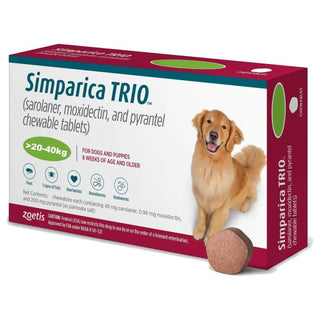
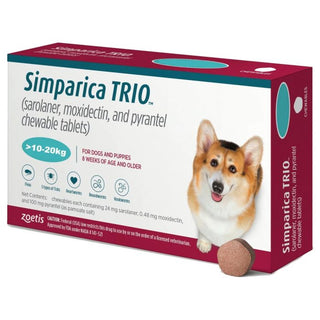


Not much to add. Dog tolerates it and price is good


Why Does My Cat Headbutt Me? It is one of the sweetest ways many cats communicate affection, comfort, trust, and familiarity with the people they love.
Whether you are relaxing on the couch, using your computer, or winding down for the night, your cat may suddenly come close and softly press their head against your hand, cheek, legs, or even the screen in front of you. This affectionate behavior is commonly known as head bunting.
Although it may look like a small gesture, it can say a lot about how your cat feels around you. In most cases, a gentle headbutt is a positive sign that your cat sees you as part of their safe inner circle.
Cat headbutting is also known as bunting. It happens when a cat gently presses or bumps their forehead, cheeks, or head against a person, another cat, furniture, or another familiar object.
Cats have natural scent glands located on areas such as the cheeks, forehead, chin, and other parts of their body. When they rub or bump against something, they leave behind scent signals called pheromones. These scents help cats feel secure, familiar, and connected to their surroundings.
A soft headbutt is very different from aggressive behavior. Most cats use this gesture when they are relaxed, comfortable, and happy to interact with you.
One of the most common answers to Why Does My Cat Headbutt Me is simple: your cat likes you.
Cats do not show affection in exactly the same way people do. They cannot hug, smile, or say hello with words. Instead, they use body language, scent, purring, slow blinking, rubbing, kneading, and gentle head bumps.
When your cat headbutts you, they may be expressing the feline version of:
Some cats headbutt their favorite person when they come home, while others do it during quiet moments on the bed or sofa. A relaxed body, soft eyes, upright tail, purring, or gentle rubbing usually means your cat is feeling affectionate.
Cats use scent as an important means of communication. They may rub their cheeks, forehead, chin, or body against you to leave behind their own familiar scent.
This does not mean your cat is trying to “own” you in a negative way. Instead, it often means your cat sees you as part of their safe environment.
By mixing their scent with yours, your cat may feel more settled and secure. This is especially common in multi-cat homes, where cats may rub against each other to create a shared group scent.
Your cat may also headbutt:
These familiar scent-marking behaviors can help your cat feel more at home.
A headbutt can be your cat’s version of a warm hello.
Many cats greet trusted people by approaching with their tail held upright, rubbing against their legs, chirping, meowing softly, or gently bumping their head against them. This friendly behavior may be especially noticeable after you return home from work, wake up in the morning, or enter a room after being away for some time.
When asking why your cat headbutts you after you come home, the answer may simply be that your cat is happy to see you.
Try responding calmly with a gentle voice, a slow blink, or a soft scratch under the chin if your cat enjoys it. These small interactions can help strengthen your bond.
Sometimes a headbutt means your cat wants something from you.
Your cat may have learned that nudging your hand, face, laptop, or phone gets your attention quickly. They may be asking for petting, playtime, food, a clean litter box, or simply some company.
Look at the situation around the headbutt. Your cat may be telling you something specific if they:
A gentle response is usually best. Spend a few minutes playing with your cat, refresh their water, offer calm affection, or check whether they need something.
Regular interactive play is particularly useful for cats that often look for attention. Toys such as teaser wands, tunnels, puzzle feeders, scratching posts, and other safe enrichment items can help them use their energy in a positive way while satisfying natural hunting behaviors.
Headbutting requires your cat to come close and lower their guard. For many cats, this is a meaningful sign of trust.
Cats can be cautious animals, especially in unfamiliar environments or around people they do not know well. A cat who chooses to press their head against you is usually comfortable enough to be vulnerable near you.
This does not mean every cat must headbutt to show love. Some cats are naturally more reserved. They may show affection by sitting near you, sleeping on your bed, following you from room to room, slow blinking, purring, or waiting for you at the door.
Every cat has their own personality and preferred way of connecting.
Cats sometimes headbutt their favorite people for reassurance.
A busy home, visitors, loud sounds, a new pet, moving house, changes in routine, or unfamiliar smells can make some cats feel unsettled. Your scent and calm presence may help your cat feel safer.
If your cat gently headbutts you during stressful moments, offer quiet companionship instead of forcing interaction. Sit nearby, speak softly, and allow your cat to choose whether they want petting or space.
Creating a comfortable home environment can also help cats feel more secure. Useful items may include:
Many cats headbutt before they want to be stroked.
The cheeks, chin, and forehead are often favorite petting areas because cats have scent glands there and may enjoy gentle contact. However, every cat is different.
Let your cat guide the interaction. Offer your hand slowly and allow them to rub against it. Focus on gentle scratches under the chin, around the cheeks, or behind the ears if your cat appears relaxed.
Stop or give your cat space if you notice signs such as:
A cat may enjoy a few seconds of petting and then decide they have had enough. Respecting those signals helps your cat feel safe and understood.
It is important to understand the difference between normal affectionate headbutting and unusual head pressing.
Normal bunting is usually gentle, brief, and social. Your cat may bump their forehead against you, rub their cheeks on your hand, purr, blink slowly, or stay relaxed.
This type of behavior is commonly linked to affection, greeting, attention, trust, and scent sharing.
Nuzzling is usually softer and slower than a headbutt. Your cat may press their face against your hand, cheek, blanket, or body while rubbing gently.
This can also be a loving, comforting behavior.
Head pressing is different and can be a warning sign. It may involve a cat repeatedly pushing their head firmly against a wall, floor, furniture, or other hard surface. Unlike a friendly headbutt, this behavior may appear persistent, forceful, confused, or unusual.
Seek veterinary advice promptly if your cat is head pressing or also shows symptoms such as:
Persistent head pressing can be linked to medical or neurological issues and should not be ignored.
When your cat gives you a gentle headbutt, respond calmly and positively.
You can:
Avoid headbutting your cat back. Although it may seem playful, it can confuse or frighten them. Gentle petting, calm attention, and allowing your cat to lead the interaction are usually much better responses.
Why Does My Cat Headbutt Me? In most cases, it is a lovely sign that your cat trusts you, feels secure near you, wants attention, or is sharing their scent with someone important to them.
A gentle forehead bump may seem small, but it can be one of the clearest signs that your cat feels connected to you. By learning to understand your cat’s body language and giving them safe, enriching spaces at home, you can build an even stronger relationship with your feline companion.
Explore comfortable cat beds, engaging toys, scratching products, grooming essentials, and daily care supplies to help your cat feel relaxed, secure, and loved every day.
Overall rating: 4.8 / 5 from 1134 reviews.
Not much to add. Dog tolerates it and price is good

This is the only flea medication that works for us where we live.

This on-line company is such a good find. They provide quality products at a good price with delivering them efficiently. Definitely recommend purchasing from them.

Items arrived on time and work great!

Love stronghold

Same product at a great price

Fast shipping great quality and price

We are happy with Heartgard Plus

I’ve been using Symperica Trio for a yr now. Love it. 79 pets ships fast and prices are more affordable. Thank You

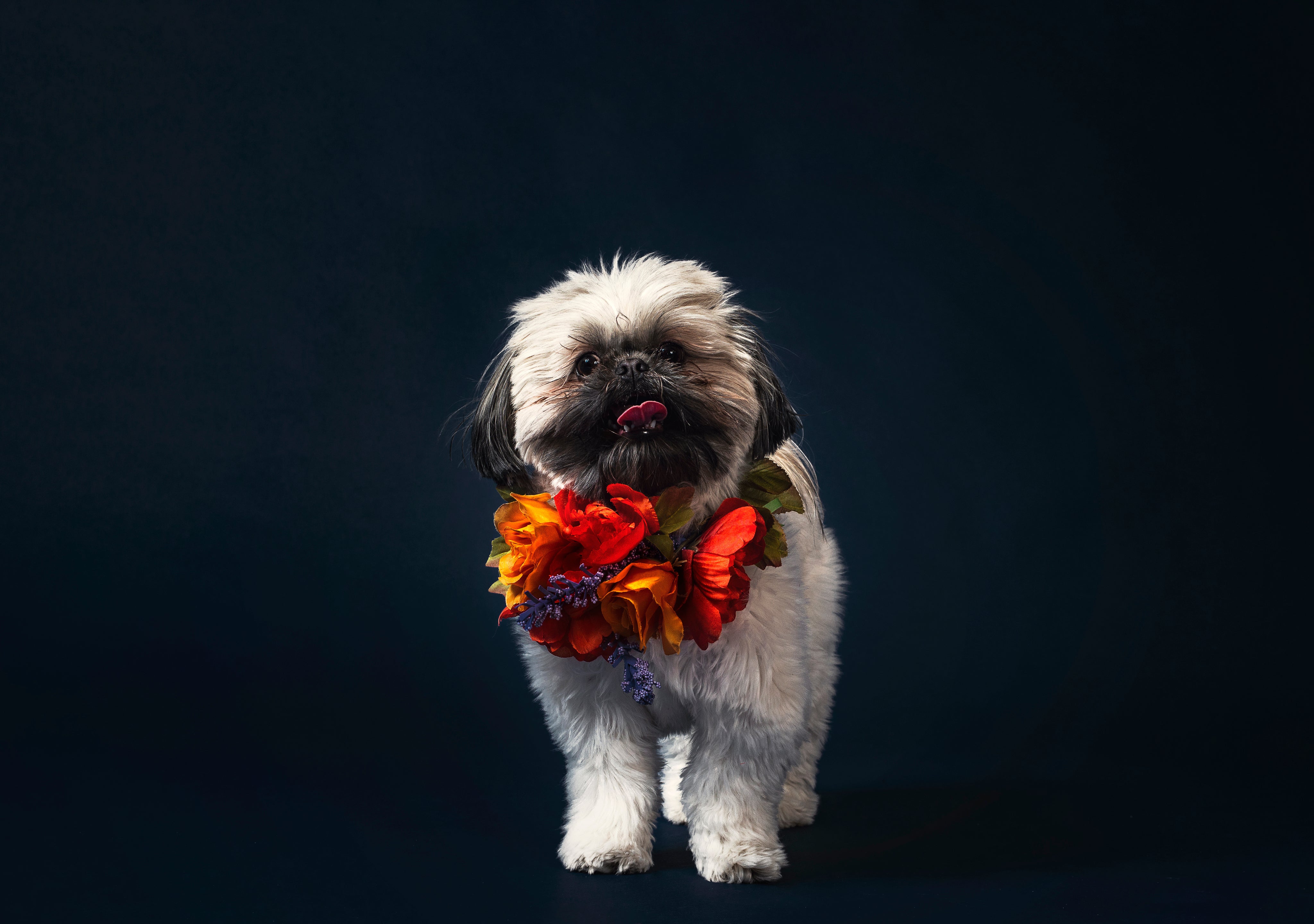
Right after a haircut. 6 year old dashund/shih Tzu mix

Great deal on flea/tick. Helps take care of my pup
Stronghold Violet For Dogs 5-10lbs (2.6-5kg)

Two sweet girlies decided to make our deck their home. Mosquitoes are a big problem where we live and we had to get them protected. This was the best bang for the buck. I’ve ordered from 79Pets several times and while delivery is not fast it is very consistent.
Revolution Plus For Medium Cats 5.6-11 lbs (2.6-5kg)

As a retired veterinary technician I was extremely happy to finally see a flea and heartworm medication that actually does tapeworms too!!!!!!! This is a 1st to my knowledge....I live in a tropical climate where fleas never die so this is heaven sent.
Nexgard Combo For Cats 5.5-16.5 lbs (2.5-7.5 kg)

Great for free delivery worldwide and it took shorter time than I expected. Thanks
Simparica Trio For Dogs 5.6-11 lbs (2.5-5 kg)

My dog is excited to have her Advocate given every month! Great customer service and we're already a returned customer!
Advocate (Advantage Multi) For Small Dog Upto 4kg 8.8lbs (4kg)

Great price, authentic quality and reliable shipping. Shipping takes a bit longer, since it is being shipped from abroad. But still a reliable service.
NexGard & Heartgard (Green) Combo Dogs 24-60 lbs (10-25 kg)

79 pets has great service, they resolved my issue when I purchased by mistake . Thank you!
Simparica Trio For Dogs 22.1-44 lbs (10-20 kg)

Very happy with the price of Stronghold heart worm med for my dog. Seems to be working well.
Stronghold Teal For Dogs 44-88lbs (20-40kg)

My dog loves this product, never got any issue. Good price , deliver on time. We will definitely keep purchasing with 79 pets.com. Thanks!
Simparica Trio For Dogs 22.1-44 lbs (10-20 kg)

Great customer service! Would definitely purchase from them again!
Advocate (Advantage Multi) For Small Dog Upto 4kg 8.8lbs (4kg)

My fur babies love being protected from fleas!
Stronghold Blue For Cats 5.7-15.5lbs (2.6-7.5kg)

No more fleas! I love it and my pets love it!
Stronghold Teal For Dogs 44-88lbs (20-40kg)

I have 3 of these little rascals so Michigan flea/tick season can be financially brutal! Thank you for keeping NexGard so affordable.
NexGard Chew For Small Dogs 10-24lbs (4-10kg)

it is so easy to order
NexGard & Heartgard (Brown) Combo Dogs 60-121 lbs (25-50 kg)

I have no difficulty to give the tablet to my dog. I want my shipping to come faster by the way.
NexGard Spectra For Small Dog 8-16 lbs (3.5-7.5kg)

Stronghold Plus keep my baby safe
Stronghold Plus For Large Cats 11 lbs to 22 lbs (5-10kg)

Thank You 79pets
Stronghold Plus For Medium Cats 5.5 lbs to 11 lbs (2.5-5kg)

Advocate can only be found here n it's easier to order online. Thanks 79!
Advocate (Advantage Multi) For Cats Over 8.8lbs (4kg)

Great product and price. Shipping updates helped, since product comes from abroad. I would definitely recommend and use it again.
NexGard & Heartgard (Green) Combo Dogs 24-60 lbs (10-25 kg)

Easy to give!
NexGard Spectra For Small Dog 8-16 lbs (3.5-7.5kg)

Stronghold Plus does exactly what it was advertised for. Effective and best product. Would highly recommend Stronghold Plus.
Stronghold Plus For Cats 5.5 lbs to 11 lbs (2.5-5kg) 3 Pack

After Seresto collars failed to get rid of fleas, I didn't know where to turn. I saw a post on a page I follow (Kentucky Kitty Cats) saying that they use Nexgard Combo for the cats they shelter. I decided to try it and IT WORKS!
Nexgard Combo for Cats 5.5-16.5 lbs (2.5-7.5 kg)

My kitty love Revolution. One of the best product for flea & ticks. Good price will definitely recommend this website.
Revolution Plus For Medium Cats 5.6-11 lbs (2.6-5kg)

Tried this the first time and the correct medication was sent on time to me. Will definitely use this site again. Thanks!
Simparica Chewables For Very Small Dogs 5.6-11 lbs (2.5-5kg)

Happy Kitty
Revolution Plus For Medium Cats 5.6-11 lbs (2.6-5kg)

As described. Value for money
Nexgard Chew Red for Large Dogs Flea & Tick 60-121 lbs. (25-50kg)

This is Lexi Marie! She was wondering why mom was so excited for buying flea medicine. I explained to her that we saved $100 and that she would understand some day when she grows up.
Revolution Plus For Large Cats 11.1-22lbs (5-10kg)

Received on time. Thank You 79Pets
Nexgard Chew Red for Large Dogs Flea & Tick 60-121 lbs. (25-50kg)

Very good experience!
Revolution Plus For Large Cats 11.1-22lbs (5-10kg)

Last year, I made a visit to the vet. I told them that Kattie/cat had ear mites. They gave me an ointment costing $80canadian. I used it up and purchased another bottle. $160. total not including the cost of the vet visit. No results. The ear mites have been there for a long time. Canadian vets have control of what is sold in Pet stores and you cannot purchase off the shelf products not recognized by them. I jumped at the chance to purchase your produce with a recommended 100% effectivity. I was willing to try, but was suspicions. After a month there was still a little scratching but after 6 weeks, the mites are gone and the scratching is gone. Thank you very much for this mite solution. I recommend it heartily. Harry P.S. Do not tell the Canadian vets as they will outlaw your product.
Revolution Plus For Medium Cats 5.6-11 lbs (2.6-5kg)