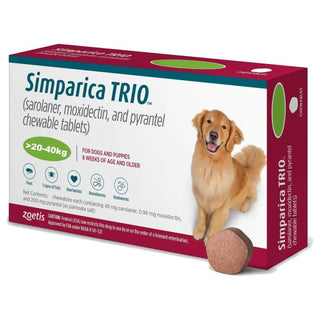
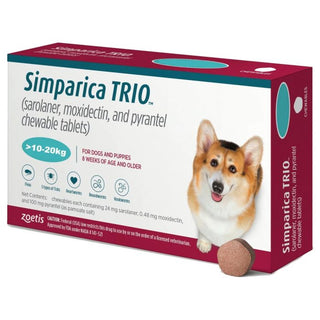


Not much to add. Dog tolerates it and price is good


A close relationship with your dog is created through ordinary moments repeated with patience, care, and kindness. Learning how to bond with your dog is not about grand gestures; it is about helping them feel understood, safe, and happy in everyday life.
Whether you have welcomed home a lively puppy, adopted an adult dog, or want to reconnect with a long-time companion, a stronger bond can grow at any stage. The best approach is simple: meet your dog’s needs, notice what they are telling you, and make time for positive experiences you can enjoy together.
Dogs thrive when they know they can rely on their people. Trust makes daily life easier, from walks and grooming to training and veterinary visits. A connected dog is more likely to look to you for guidance, communicate more openly, and relax in your company.
Bonding is also not the same as constant cuddling. Some dogs love to lean against you, sleep at your feet, or bring you a toy. Others show affection by staying nearby, checking in during a walk, or calmly resting in the same room. Your goal is not to make your dog act like another dog. It is to build a relationship that suits their own personality.
A reliable routine helps your dog understand what to expect. Try to keep meals, toilet breaks, walks, play, and bedtime within a similar daily rhythm. This does not mean every minute needs to be scheduled, but steady patterns can make home feel more secure.
When you are figuring out how to bond with your dog, begin with the moments that happen every day. Greet them warmly, serve meals calmly, and make walk time something they can look forward to. Consistency shows your dog that their needs matter and that you are dependable.
For most families, this predictable care is the foundation for successfully bonding with your dog.
A simple routine may include:
Dogs communicate all day through posture, movement, facial expression, and sound. A loose body, soft eyes, relaxed mouth, and easy movements often suggest comfort. Turning away, licking their lips, yawning, freezing, a tucked posture, or avoiding eye contact may signal that your dog needs a pause or more space.
Understanding these subtle messages is a powerful way to bond with your dog. Instead of assuming a wagging tail always means “happy,” or a growl means “naughty,” look at the full situation. A growl is a useful form of communication because it tells you your dog is uncomfortable. Step back, reduce pressure, and think about what may be worrying them.
Pay special attention to what your dog enjoys. Do they prefer a scratch under the chin rather than a hug? Are they happiest on quiet walks rather than in crowded dog parks? Listening to those preferences builds trust faster than forcing an activity they dislike. The more you listen, the more natural bonding with your dog becomes.
Training is not only about teaching “sit” and “stay.” It is a shared language that helps your dog understand what earns good things. Keep sessions short, clear, and cheerful. Reward a behavior you like with a small training treat, gentle praise, a favorite toy, or access to something your dog wants, such as going outside to sniff.
For many pet parents, bonding with their dog becomes much easier when training feels like teamwork rather than correction. Start with simple cues such as name response, sit, touch, come, leave it, or settle on a mat. Celebrate small successes and end before your dog becomes bored.
Avoid shouting, harsh corrections, or punishment-based tools. They may stop a behavior in the moment, but they can also make a dog feel worried or confused around you. Clear guidance and rewards are far more likely to build confidence and cooperation.
Play gives your dog an outlet for energy while creating happy memories with you. The right game depends on your dog’s age, health, breed tendencies, and personality. A terrier may love a chase game, a retriever may enjoy fetch, and a food-motivated dog may light up for a treat puzzle or scent game.
This is one of the most enjoyable ways to practice bonding with your dog because your attention is fully on them. Put the phone aside for 10 minutes and let your dog choose a favorite game. Keep it safe, allow breaks, and stop while they are still having fun.
Try rotating a few options:
Interactive toys and small, healthy rewards can turn a short indoor session into a meaningful connection, especially on busy days or during bad weather.
A walk is one of your dog’s best chances to explore the world. Rather than rushing every outing, let them sniff safely when time allows. Smell is a major source of information and enrichment for dogs, so a slower “sniffari” can be just as valuable as covering a long distance.
To support bonding with your dog, match the walk to your dog’s needs. A young, energetic dog may enjoy a longer route and a little training practice. A senior dog or nervous rescue may prefer a quiet path with time to observe from a comfortable distance. A well-fitted harness, suitable leash, water for longer outings, and a treat pouch can make walks safer and more enjoyable for both of you.
Use walks to practice easy check-ins. Reward your dog when they glance back at you, walk calmly beside you for a few steps, or choose to turn away from a distraction. Those tiny moments of connection add up. They are everyday examples of how to bond with your dog without overcomplicating it.
Brushing, ear checks, paw handling, and dental care can become trust-building routines when introduced slowly. Start in a relaxed setting with a soft brush, brief touch, and a reward. For some dogs, one brush stroke followed by praise is enough on the first day. Build gradually.
Gentle handling is another practical way to bond with your dog because it teaches them that your hands signal comfort rather than discomfort. Let your dog move away when they have had enough, especially at first. Never force them through a painful mat, nail trim, or ear problem. Ask a veterinarian or professional groomer for help when needed.
A few quality grooming essentials can make home care easier: a brush that suits the coat type, dog-safe wipes, a gentle shampoo, and an appropriate nail tool. The goal is not a perfect grooming session. It is a calm experience your dog can learn to tolerate or even enjoy.
A loving relationship includes respecting “no.” Not every dog wants to be hugged, patted on the head, greeted by strangers, or introduced to every dog they meet. Watch for signs of discomfort and give your dog the option to step away.
Part of bonding with your dog is becoming their advocate. Tell visitors to allow your dog to approach in their own time. Choose a quieter route if busy spaces are overwhelming. Provide a bed, crate, or quiet corner where nobody bothers them. When your dog sees that you will protect their comfort, they learn to trust you.
This is especially important with children. Teach children to invite interaction gently, avoid hugging or climbing on a dog, and leave them alone while eating, sleeping, or using their safe space.
You do not need hours of free time to build closeness. Five focused minutes can mean more than sitting beside your dog while answering emails. Invite them onto the sofa only if they enjoy it; practice a few tricks; scatter a small portion of their daily food for a sniff game; or simply sit with them in the garden.
For busy households, bonding with your dog can be as simple as creating one dependable “us time” ritual each day. It might be a bedtime chew on their mat, a quick training game before dinner, or a calm morning walk without rushing. Repetition makes that moment special.
New experiences can strengthen confidence when they are introduced thoughtfully. Visit a quiet pet-friendly café patio, take a different walking route, practice settling on a blanket outdoors, or teach a fun new trick. Keep the experience short and make it positive.
Do not assume socialization means meeting every person and dog. For many dogs, a good outing means calmly watching the world from a safe distance while receiving praise or treats. Let your dog set the pace. If they look tense, overwhelmed, or unable to take food, make the situation easier or leave.
Some dogs take longer to settle, particularly after a change of home, a difficult past, illness, or limited early socialization. Progress may look small at first: choosing to rest in the same room, taking a treat from your hand, making eye contact, or following you into the kitchen.
When learning how to bond with your dog after adoption, avoid comparing your journey with anyone else’s. Let your dog come to you. Keep interactions predictable, avoid overwhelming them with visitors, and celebrate each sign of comfort. Trust cannot be rushed, but patient kindness is powerful.
If your dog suddenly avoids touch, play, food, or walks, or shows new fear or aggression, arrange a veterinary check. Pain or illness can change behavior, and professional support can help you understand what your dog needs.
Your dog does not need every day to be exciting. Quiet, safe time together matters too. Set up a comfortable sleeping area, offer fresh water, make sure their exercise and toilet needs are met, and allow a peaceful bedtime routine.
A calm end to the day reinforces the most important lesson in bonding with your dog: you are a secure, caring part of their world. Whether your dog sleeps in another room, on their own bed, or close by, respect what helps them rest best.
Every dog shows attachment differently, but you may notice that your dog:
Closeness should never be measured by whether your dog follows you everywhere. A confident dog who can relax alone and happily reconnect with you is showing a healthy relationship too.
Use this easy plan to turn good intentions into a routine. It gives you a practical starting point for how to bond with your dog:
Day 1: Take a slower walk and let your dog sniff safely.
Day 2: Practice two or three short reward-based training sessions.
Day 3: Play your dog’s favorite game for 10 minutes.
Day 4: Try calm grooming with treats and breaks.
Day 5: Teach one new, easy trick.
Day 6: Give your dog a quiet outing or scent-based enrichment activity.
Day 7: Create a relaxed “us time” ritual you can repeat every week.
This flexible weekly routine is a simple starting point. Adjust activities based on your dog’s age, health, personality, energy level, and comfort.
There is no fixed timeline. Some dogs relax within days, while others need weeks or months. Their age, personality, experiences, health, and the consistency of care can all influence the process. Focus on small signs of trust rather than rushing for big changes.
Absolutely. Older dogs can form deep, loving relationships with new people. Keep life predictable, use rewards, respect their limits, and allow them time to settle into their new environment.
Respect their preference. Many dogs show affection through proximity, play, eye contact, or by following you around. Offer a choice, notice what they enjoy, and never force physical contact.
Yes, when used thoughtfully. Small treats can make training, grooming, handling, and new experiences more positive. Choose treats that suit your dog’s diet, use modest portions, and include praise and play so food is not the only reward.
The best way to learn how to bond with your dog is to show up consistently with patience, structure, and respect. Walk together, play together, train together, and listen when your dog tells you they need space. Over time, those simple choices create a relationship built on trust.
Overall rating: 4.8 / 5 from 1134 reviews.
Not much to add. Dog tolerates it and price is good

This is the only flea medication that works for us where we live.

This on-line company is such a good find. They provide quality products at a good price with delivering them efficiently. Definitely recommend purchasing from them.

Items arrived on time and work great!

Love stronghold

Same product at a great price

Fast shipping great quality and price

We are happy with Heartgard Plus

I’ve been using Symperica Trio for a yr now. Love it. 79 pets ships fast and prices are more affordable. Thank You

Right after a haircut. 6 year old dashund/shih Tzu mix

Great deal on flea/tick. Helps take care of my pup
Stronghold Violet For Dogs 5-10lbs (2.6-5kg)

Two sweet girlies decided to make our deck their home. Mosquitoes are a big problem where we live and we had to get them protected. This was the best bang for the buck. I’ve ordered from 79Pets several times and while delivery is not fast it is very consistent.
Revolution Plus For Medium Cats 5.6-11 lbs (2.6-5kg)

As a retired veterinary technician I was extremely happy to finally see a flea and heartworm medication that actually does tapeworms too!!!!!!! This is a 1st to my knowledge....I live in a tropical climate where fleas never die so this is heaven sent.
Nexgard Combo For Cats 5.5-16.5 lbs (2.5-7.5 kg)

Great for free delivery worldwide and it took shorter time than I expected. Thanks
Simparica Trio For Dogs 5.6-11 lbs (2.5-5 kg)

My dog is excited to have her Advocate given every month! Great customer service and we're already a returned customer!
Advocate (Advantage Multi) For Small Dog Upto 4kg 8.8lbs (4kg)

Great price, authentic quality and reliable shipping. Shipping takes a bit longer, since it is being shipped from abroad. But still a reliable service.
NexGard & Heartgard (Green) Combo Dogs 24-60 lbs (10-25 kg)

79 pets has great service, they resolved my issue when I purchased by mistake . Thank you!
Simparica Trio For Dogs 22.1-44 lbs (10-20 kg)

Very happy with the price of Stronghold heart worm med for my dog. Seems to be working well.
Stronghold Teal For Dogs 44-88lbs (20-40kg)

My dog loves this product, never got any issue. Good price , deliver on time. We will definitely keep purchasing with 79 pets.com. Thanks!
Simparica Trio For Dogs 22.1-44 lbs (10-20 kg)

Great customer service! Would definitely purchase from them again!
Advocate (Advantage Multi) For Small Dog Upto 4kg 8.8lbs (4kg)

My fur babies love being protected from fleas!
Stronghold Blue For Cats 5.7-15.5lbs (2.6-7.5kg)

No more fleas! I love it and my pets love it!
Stronghold Teal For Dogs 44-88lbs (20-40kg)

I have 3 of these little rascals so Michigan flea/tick season can be financially brutal! Thank you for keeping NexGard so affordable.
NexGard Chew For Small Dogs 10-24lbs (4-10kg)

it is so easy to order
NexGard & Heartgard (Brown) Combo Dogs 60-121 lbs (25-50 kg)

I have no difficulty to give the tablet to my dog. I want my shipping to come faster by the way.
NexGard Spectra For Small Dog 8-16 lbs (3.5-7.5kg)

Stronghold Plus keep my baby safe
Stronghold Plus For Large Cats 11 lbs to 22 lbs (5-10kg)

Thank You 79pets
Stronghold Plus For Medium Cats 5.5 lbs to 11 lbs (2.5-5kg)

Advocate can only be found here n it's easier to order online. Thanks 79!
Advocate (Advantage Multi) For Cats Over 8.8lbs (4kg)

Great product and price. Shipping updates helped, since product comes from abroad. I would definitely recommend and use it again.
NexGard & Heartgard (Green) Combo Dogs 24-60 lbs (10-25 kg)

Easy to give!
NexGard Spectra For Small Dog 8-16 lbs (3.5-7.5kg)

Stronghold Plus does exactly what it was advertised for. Effective and best product. Would highly recommend Stronghold Plus.
Stronghold Plus For Cats 5.5 lbs to 11 lbs (2.5-5kg) 3 Pack

After Seresto collars failed to get rid of fleas, I didn't know where to turn. I saw a post on a page I follow (Kentucky Kitty Cats) saying that they use Nexgard Combo for the cats they shelter. I decided to try it and IT WORKS!
Nexgard Combo for Cats 5.5-16.5 lbs (2.5-7.5 kg)

My kitty love Revolution. One of the best product for flea & ticks. Good price will definitely recommend this website.
Revolution Plus For Medium Cats 5.6-11 lbs (2.6-5kg)

Tried this the first time and the correct medication was sent on time to me. Will definitely use this site again. Thanks!
Simparica Chewables For Very Small Dogs 5.6-11 lbs (2.5-5kg)

Happy Kitty
Revolution Plus For Medium Cats 5.6-11 lbs (2.6-5kg)

As described. Value for money
Nexgard Chew Red for Large Dogs Flea & Tick 60-121 lbs. (25-50kg)

This is Lexi Marie! She was wondering why mom was so excited for buying flea medicine. I explained to her that we saved $100 and that she would understand some day when she grows up.
Revolution Plus For Large Cats 11.1-22lbs (5-10kg)

Received on time. Thank You 79Pets
Nexgard Chew Red for Large Dogs Flea & Tick 60-121 lbs. (25-50kg)

Very good experience!
Revolution Plus For Large Cats 11.1-22lbs (5-10kg)

Last year, I made a visit to the vet. I told them that Kattie/cat had ear mites. They gave me an ointment costing $80canadian. I used it up and purchased another bottle. $160. total not including the cost of the vet visit. No results. The ear mites have been there for a long time. Canadian vets have control of what is sold in Pet stores and you cannot purchase off the shelf products not recognized by them. I jumped at the chance to purchase your produce with a recommended 100% effectivity. I was willing to try, but was suspicions. After a month there was still a little scratching but after 6 weeks, the mites are gone and the scratching is gone. Thank you very much for this mite solution. I recommend it heartily. Harry P.S. Do not tell the Canadian vets as they will outlaw your product.
Revolution Plus For Medium Cats 5.6-11 lbs (2.6-5kg)