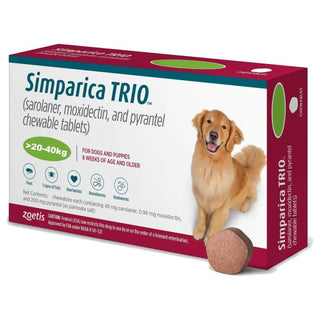
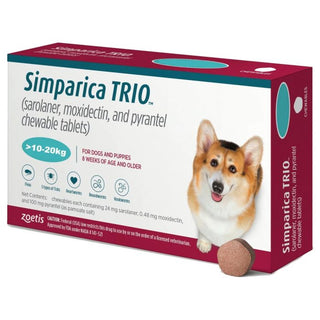


Not much to add. Dog tolerates it and price is good


Stress in dogs can show up through subtle changes in body language, behavior, appetite, sleep, and everyday habits. While occasional stress is normal, ongoing fear, anxiety, or overwhelm can affect your dog’s well-being and may sometimes point to an underlying health concern.
Dogs cannot explain when something feels uncomfortable, so pet owners need to notice the small signals. A dog that is usually social may start hiding, a relaxed eater may suddenly refuse meals, or a calm pet may begin pacing, barking, chewing, or licking excessively.
Understanding the early signs of stress can help you create a safer, calmer routine for your dog and recognize when professional veterinary support is needed.
Stress is the body’s response to something that feels threatening, uncomfortable, unfamiliar, or overwhelming. In dogs, stress may be short-term, such as during a thunderstorm, a car ride, a grooming appointment, or a veterinary visit. It can also become ongoing when a dog regularly faces situations they find frightening or difficult to cope with.
Fear typically happens when a dog perceives danger in the moment, while anxiety can involve worrying about something that may happen in the future. Both can lead to similar physical and behavioral signs, including trembling, avoidance, pacing, vocalizing, or trying to escape.
Not every restless or vocal dog is stressed. Excitement, pain, boredom, illness, lack of training, and normal breed-related behavior can sometimes look similar. This is why it is important to look at your dog’s full routine and any sudden changes in behavior.
Stress in dogs is not always obvious. Some pets become noisy and active, while others become quiet, withdrawn, or unusually still. Learning to recognize your dog’s normal behavior makes it easier to notice when something is wrong.
Common physical and behavioral signs include:
Dogs may show several signs at once, but even one repeated behavior can be meaningful. Panting, pacing, hiding, avoidance, drooling, and attempts to escape are commonly associated with fear or anxiety in dogs.
Every dog has different triggers. A situation that one dog handles easily may feel overwhelming to another. Identifying the cause is often the first step toward helping your pet feel more secure.
Thunder, fireworks, construction work, vacuum cleaners, alarms, traffic, and loud household sounds can be frightening for many dogs. Noise-related fear may lead to panting, pacing, hiding, barking, destructive behavior, or attempts to escape.
Some dogs struggle when separated from their owners. They may bark continuously, chew doors or furniture, pace, drool, scratch at exits, or have accidents shortly after being left alone.
This may be related to separation distress, but it should not be assumed without considering other possible causes such as boredom, insufficient exercise, pain, or a sudden change in routine.
Dogs often feel safer when life is predictable. Moving house, having visitors, welcoming a baby, changing work schedules, bringing home another pet, or rearranging furniture can create stress for some dogs.
Even positive changes can be overwhelming when they involve unfamiliar sounds, smells, people, or routines.
Car rides, flights, boarding facilities, hotels, unfamiliar homes, and busy public places can make some dogs uneasy. Travel-related stress may be linked to motion, confinement, unfamiliar sounds, previous bad experiences, or uncertainty about what will happen next.
Many dogs find handling, restraint, unfamiliar people, strange smells, medical equipment, and grooming tools stressful. Some dogs may pant, drool, avoid contact, growl, snap, or urinate submissively when frightened at the veterinary clinic.
Dogs need suitable physical activity, rest, training, and mental enrichment. A dog with too little stimulation may become restless, vocal, destructive, or frustrated. However, increasing exercise alone may not solve a fear or anxiety problem, especially if the dog is already overwhelmed.
Behavior changes should never be dismissed as “just stress.” Pain and illness can cause dogs to become restless, withdrawn, irritable, less interested in food, or reluctant to move. Medical conditions can also contribute to signs that look like anxiety, including panting, night waking, house soiling, and changes in mood.
Helping with stress in dogs does not mean forcing them to “get used to” something frightening. The goal is to reduce pressure, make the environment feel safer, and gradually build positive associations.
Give your dog access to a calm area where they can rest without being disturbed. This may be a crate if your dog already views it positively, a bed in a quiet room, or a corner with familiar blankets and toys.
Avoid pulling your dog out of their hiding place or forcing them to greet visitors. Giving them choice and space can help them feel more secure.
Regular meal times, toilet breaks, walks, play sessions, and rest periods can help dogs feel safer. Predictability is especially useful during busy periods such as house moves, holidays, fireworks, or changes in family routine.
Reward-based training can help dogs build confidence without adding fear or pressure. For example, if your dog is nervous around visitors, reward calm behavior from a comfortable distance rather than forcing interaction.
Veterinary behavior guidance supports approaches such as gradual desensitization and counterconditioning, which involve exposing a dog to a trigger at a low, manageable level while pairing it with something positive. Punishment-based methods can worsen fear and anxiety.
Interactive food toys, snuffle mats, dog-safe chews, scent-based activities, brief training practice, and relaxed walks can provide dogs with positive ways to release energy and express their natural instincts.
Choose enrichment based on your dog’s needs. A dog who is highly anxious may not be ready for busy dog parks or intense group activities. In some cases, a quiet sniffing walk in a less crowded area may be more helpful than a long, overstimulating outing.
For predictable events such as fireworks, grooming, visitors, or travel, prepare before your dog becomes distressed.
You can try:
Familiar items from home may help some animals cope better in unfamiliar settings.
When dealing with stress in dogs, well-meaning reactions can accidentally make the situation worse.
Avoid:
Growling, snapping, and avoidance are often warning signs that a dog feels unsafe. Respecting those signals can prevent the situation from escalating.
Contact your veterinarian if your dog’s behavior changes suddenly, becomes frequent, affects daily life, or creates a safety concern. A veterinary examination is important because pain, illness, hormonal conditions, and other health issues can contribute to behavior changes.
Seek veterinary advice promptly if your dog:
A veterinarian may recommend a health check, a behavior plan, a referral to a qualified behavior professional, environmental changes, training support, or medication, where appropriate. Medication should only be used under veterinary supervision as part of a broader care plan.
Supportive products cannot replace veterinary care or behavior training, but the right items may make everyday management easier for some dogs.
Useful options may include:
Choose products based on your dog’s age, size, health, and behavior. Keep an eye on your dog whenever you introduce a new chew, toy, harness, or enrichment product.
Stress in dogs is common, but it should not be ignored. Small behavior changes can be your dog’s way of communicating discomfort, fear, frustration, pain, or uncertainty.
By noticing early signs, identifying triggers, offering a predictable routine, and using patient reward-based support, you can help your dog feel safer and more confident. If your dog’s stress is intense, appears suddenly, or persists over time, a veterinarian can assess for underlying health issues and recommend the most appropriate support plan.
A calm dog is not always a silent dog. The best approach is to understand your dog’s individual signals, respect their boundaries, and provide the support they need to feel secure.
Overall rating: 4.8 / 5 from 1134 reviews.
Not much to add. Dog tolerates it and price is good

This is the only flea medication that works for us where we live.

This on-line company is such a good find. They provide quality products at a good price with delivering them efficiently. Definitely recommend purchasing from them.

Items arrived on time and work great!

Love stronghold

Same product at a great price

Fast shipping great quality and price

We are happy with Heartgard Plus

I’ve been using Symperica Trio for a yr now. Love it. 79 pets ships fast and prices are more affordable. Thank You

Right after a haircut. 6 year old dashund/shih Tzu mix

Great deal on flea/tick. Helps take care of my pup
Stronghold Violet For Dogs 5-10lbs (2.6-5kg)

Two sweet girlies decided to make our deck their home. Mosquitoes are a big problem where we live and we had to get them protected. This was the best bang for the buck. I’ve ordered from 79Pets several times and while delivery is not fast it is very consistent.
Revolution Plus For Medium Cats 5.6-11 lbs (2.6-5kg)

As a retired veterinary technician I was extremely happy to finally see a flea and heartworm medication that actually does tapeworms too!!!!!!! This is a 1st to my knowledge....I live in a tropical climate where fleas never die so this is heaven sent.
Nexgard Combo For Cats 5.5-16.5 lbs (2.5-7.5 kg)

Great for free delivery worldwide and it took shorter time than I expected. Thanks
Simparica Trio For Dogs 5.6-11 lbs (2.5-5 kg)

My dog is excited to have her Advocate given every month! Great customer service and we're already a returned customer!
Advocate (Advantage Multi) For Small Dog Upto 4kg 8.8lbs (4kg)

Great price, authentic quality and reliable shipping. Shipping takes a bit longer, since it is being shipped from abroad. But still a reliable service.
NexGard & Heartgard (Green) Combo Dogs 24-60 lbs (10-25 kg)

79 pets has great service, they resolved my issue when I purchased by mistake . Thank you!
Simparica Trio For Dogs 22.1-44 lbs (10-20 kg)

Very happy with the price of Stronghold heart worm med for my dog. Seems to be working well.
Stronghold Teal For Dogs 44-88lbs (20-40kg)

My dog loves this product, never got any issue. Good price , deliver on time. We will definitely keep purchasing with 79 pets.com. Thanks!
Simparica Trio For Dogs 22.1-44 lbs (10-20 kg)

Great customer service! Would definitely purchase from them again!
Advocate (Advantage Multi) For Small Dog Upto 4kg 8.8lbs (4kg)

My fur babies love being protected from fleas!
Stronghold Blue For Cats 5.7-15.5lbs (2.6-7.5kg)

No more fleas! I love it and my pets love it!
Stronghold Teal For Dogs 44-88lbs (20-40kg)

I have 3 of these little rascals so Michigan flea/tick season can be financially brutal! Thank you for keeping NexGard so affordable.
NexGard Chew For Small Dogs 10-24lbs (4-10kg)

it is so easy to order
NexGard & Heartgard (Brown) Combo Dogs 60-121 lbs (25-50 kg)

I have no difficulty to give the tablet to my dog. I want my shipping to come faster by the way.
NexGard Spectra For Small Dog 8-16 lbs (3.5-7.5kg)

Stronghold Plus keep my baby safe
Stronghold Plus For Large Cats 11 lbs to 22 lbs (5-10kg)

Thank You 79pets
Stronghold Plus For Medium Cats 5.5 lbs to 11 lbs (2.5-5kg)

Advocate can only be found here n it's easier to order online. Thanks 79!
Advocate (Advantage Multi) For Cats Over 8.8lbs (4kg)

Great product and price. Shipping updates helped, since product comes from abroad. I would definitely recommend and use it again.
NexGard & Heartgard (Green) Combo Dogs 24-60 lbs (10-25 kg)

Easy to give!
NexGard Spectra For Small Dog 8-16 lbs (3.5-7.5kg)

Stronghold Plus does exactly what it was advertised for. Effective and best product. Would highly recommend Stronghold Plus.
Stronghold Plus For Cats 5.5 lbs to 11 lbs (2.5-5kg) 3 Pack

After Seresto collars failed to get rid of fleas, I didn't know where to turn. I saw a post on a page I follow (Kentucky Kitty Cats) saying that they use Nexgard Combo for the cats they shelter. I decided to try it and IT WORKS!
Nexgard Combo for Cats 5.5-16.5 lbs (2.5-7.5 kg)

My kitty love Revolution. One of the best product for flea & ticks. Good price will definitely recommend this website.
Revolution Plus For Medium Cats 5.6-11 lbs (2.6-5kg)

Tried this the first time and the correct medication was sent on time to me. Will definitely use this site again. Thanks!
Simparica Chewables For Very Small Dogs 5.6-11 lbs (2.5-5kg)

Happy Kitty
Revolution Plus For Medium Cats 5.6-11 lbs (2.6-5kg)

As described. Value for money
Nexgard Chew Red for Large Dogs Flea & Tick 60-121 lbs. (25-50kg)

This is Lexi Marie! She was wondering why mom was so excited for buying flea medicine. I explained to her that we saved $100 and that she would understand some day when she grows up.
Revolution Plus For Large Cats 11.1-22lbs (5-10kg)

Received on time. Thank You 79Pets
Nexgard Chew Red for Large Dogs Flea & Tick 60-121 lbs. (25-50kg)

Very good experience!
Revolution Plus For Large Cats 11.1-22lbs (5-10kg)

Last year, I made a visit to the vet. I told them that Kattie/cat had ear mites. They gave me an ointment costing $80canadian. I used it up and purchased another bottle. $160. total not including the cost of the vet visit. No results. The ear mites have been there for a long time. Canadian vets have control of what is sold in Pet stores and you cannot purchase off the shelf products not recognized by them. I jumped at the chance to purchase your produce with a recommended 100% effectivity. I was willing to try, but was suspicions. After a month there was still a little scratching but after 6 weeks, the mites are gone and the scratching is gone. Thank you very much for this mite solution. I recommend it heartily. Harry P.S. Do not tell the Canadian vets as they will outlaw your product.
Revolution Plus For Medium Cats 5.6-11 lbs (2.6-5kg)