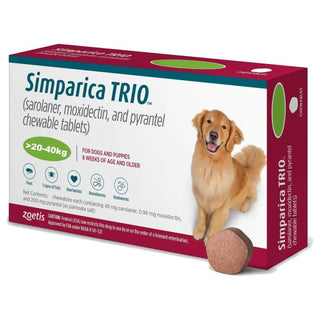
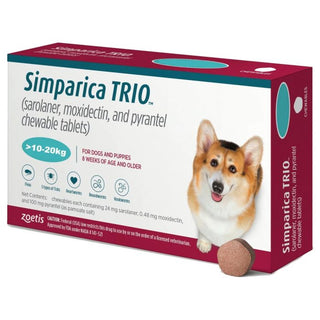


Not much to add. Dog tolerates it and price is good


Common illnesses in cats can be difficult to spot because cats often hide pain, discomfort, and weakness until they are feeling quite unwell. Knowing the early warning signs can help you seek veterinary care sooner and give your cat the best chance of a faster recovery.
A change in appetite, litter box habits, energy level, grooming, breathing, or behavior should never be ignored. Some problems may be minor and short-lived, while others can become serious without prompt treatment.
This guide explains some of the most common illnesses in cats, the signs to watch for, and practical ways to support better feline health.
Cats cannot tell us when something is wrong, so paying attention to small changes is important. Symptoms may differ based on the health issue, but some common signs that your cat may be unwell include:
Not every change means your cat has a serious condition. However, several symptoms together, persistent symptoms, or sudden changes should be discussed with a veterinarian.
Upper respiratory infections are frequently seen in cats, particularly kittens, newly adopted or rescued cats, cats living with several other cats, those staying in boarding facilities, and cats that go outdoors.
These infections may result from viral or bacterial causes and can spread quickly between cats through close contact or contaminated shared items, including bowls, bedding, hands, and surfaces around the home.
When a cat’s nose is congested, they may lose interest in food because their sense of smell plays a major role in appetite. Offering warmed wet food may help encourage eating while you arrange veterinary advice.
Keep your cat’s vaccinations current, limit contact with unknown cats, wash food and water bowls often, and separate unwell cats from healthy ones whenever practical. If your cat has thick eye discharge, difficulty breathing, stops eating, or becomes very lethargic, seek veterinary care promptly.
Dental disease is one of the most overlooked common illnesses in cats. Many cats continue eating even when their mouth is painful, so owners may not notice the problem until it has progressed.
Plaque and tartar can lead to inflamed gums, infection, damaged teeth, tooth resorption, and chronic mouth pain.
Regular veterinary dental checks are important. Your vet may recommend dental cleaning, dental diets, cat-safe oral care products, or other treatment based on your cat’s condition.
Never use human toothpaste for cats, as some ingredients may be unsafe for them.
Parasites can affect cats of all ages, including indoor cats. Fleas may enter the home through people, other pets, visitors, or contaminated environments. Intestinal worms can also affect kittens and outdoor cats.
Parasite problems are among the common illnesses in cats that may cause skin irritation, digestive issues, poor coat quality, and discomfort.
Routine flea prevention and deworming can help reduce the risk of parasite-related health issues. Select treatments formulated specifically for cats, making sure they match your cat’s current age and body weight. Never use dog flea treatments on cats unless a veterinarian specifically confirms they are safe.
Urinary issues are among the most common and urgent illnesses in cats, especially in male cats. Problems can include bladder inflammation, urinary crystals, stones, infection, or a life-threatening urinary blockage.
Stress, low water intake, diet, weight, and underlying medical conditions may all play a role.
A male cat that is repeatedly straining to pass urine but unable to do so needs emergency veterinary care. Urinary blockage can become life-threatening very quickly.
Encourage hydration by providing clean water in several locations, using water fountains if your cat prefers moving water, and including wet food in the diet where suitable.
A cat may vomit once in a while, but ongoing vomiting, diarrhea, changes in appetite, or unexplained weight loss are not signs to overlook.
Digestive problems may be caused by hairballs, dietary changes, food intolerance, parasites, infections, inflammation, toxin exposure, or other underlying health conditions.
Avoid suddenly changing your cat’s food. When changing diets, gradually mix the new food with the current food over several days. Make sure your cat’s food is nutritionally complete and suitable for their life stage.
If vomiting or diarrhea lasts longer than a day, happens repeatedly, or is accompanied by weakness, pain, blood, or refusal to eat, contact your veterinarian.
Skin concerns are also common illnesses in cats and may be caused by fleas, mites, allergies, fungal infections, bacterial infections, stress-related overgrooming, or food sensitivities.
Cats may hide skin problems beneath their fur, so regular grooming and gentle checks can help you notice changes early.
Skin conditions can look similar, but their causes and treatments may be very different. Avoid applying human creams, essential oils, or over-the-counter medicines without veterinary advice.
Consistent flea control is especially important because flea bites can trigger severe itchiness in sensitive cats.
Kidney disease is more common in older cats, although it can affect cats of different ages. The kidneys help remove waste from the body and regulate fluid balance, so reduced kidney function can affect many parts of a cat’s health.
In its early stages, kidney disease may cause few or no noticeable changes. Routine veterinary check-ups, along with blood and urine tests, can help detect potential problems before they progress.
Cats diagnosed with kidney disease may benefit from a kidney-support diet, improved fluid intake, prescribed medication, and ongoing health checks. Your veterinarian can create a care plan based on your cat’s individual needs.
Diabetes happens when the body cannot regulate blood sugar properly. It is a common illness in cats that may be more likely in overweight or older cats, although any cat can develop it.
Diabetes requires veterinary diagnosis and management. Treatment may include insulin, dietary changes, weight management, and regular monitoring.
Maintaining a healthy body weight is one of the most helpful ways to support your cat’s overall health.
Feline leukemia virus, often called FeLV, and feline immunodeficiency virus, known as FIV, can weaken a cat’s immune system and increase the risk of other infections and health problems.
These viruses are more commonly seen in cats with outdoor access, in cats that fight, and in cats living with infected cats.
Testing is important for newly adopted cats, cats with unknown health histories, and cats that spend time outdoors. Keeping cats indoors or supervising outdoor time can help reduce exposure to infections, injuries, and fights.
While not every health problem can be prevented, good everyday care can reduce the risk of many common illnesses in cats.
Vaccines can reduce your cat’s risk of several serious contagious illnesses. Your veterinarian can suggest the most appropriate vaccination plan based on your cat’s age, daily routine, overall health, and whether they spend time outdoors.
Flea treatments and dewormers can help protect against parasites that affect your cat’s comfort and health. Always select cat-specific products and follow the label instructions carefully.
Choose a nutritionally complete cat food that is suitable for your cat’s age and health needs. Avoid giving your cat more food than they need, as carrying extra weight can increase the likelihood of diabetes, joint strain, and other health issues.
Cats naturally may not drink large amounts of water, so encourage hydration with fresh water, water fountains, multiple bowls, and wet food where appropriate.
Remove waste from the litter tray every day and place it in a calm, low-traffic area, accessible area. Monitoring litter box habits can help you notice urinary or digestive changes early.
Cats benefit from regular check-ups even when they seem healthy. Annual wellness visits are helpful for most adult cats, while kittens, senior cats, and cats with ongoing conditions may need more frequent care.
Contact your veterinarian promptly if your cat has symptoms that persist, worsen, or appear suddenly. Contact an emergency veterinarian immediately if your cat shows any of the following signs:
Cats can become unwell quickly, and early treatment may prevent complications.
There is no single illness that affects every cat most often. However, upper respiratory infections, dental disease, parasites, urinary problems, digestive upset, skin conditions, and kidney disease are frequently seen in cats.
Yes. Indoor cats can still develop dental disease, obesity, diabetes, urinary problems, digestive issues, kidney disease, fleas, and other health conditions. Indoor living lowers some risks but does not replace regular veterinary care.
Watch for changes in eating, drinking, litter box habits, grooming, energy, breathing, weight, and behavior. Cats often hide discomfort, so even subtle changes can be important.
Minor concerns may sometimes improve with rest and monitoring, but home treatment should not replace veterinary advice. Do not give human medicines to cats unless a veterinarian has specifically prescribed them.
Understanding common illnesses in cats can help you recognize warning signs earlier and make better decisions about your pet’s care. A healthy diet, regular parasite prevention, updated vaccinations, clean living conditions, and routine veterinary check-ups all play an important role in keeping your cat well.
Your cat depends on you to notice when something changes. When in doubt, it is always safer to contact a veterinarian and ask for guidance.

Overall rating: 4.8 / 5 from 1134 reviews.
Not much to add. Dog tolerates it and price is good

This is the only flea medication that works for us where we live.

This on-line company is such a good find. They provide quality products at a good price with delivering them efficiently. Definitely recommend purchasing from them.

Items arrived on time and work great!

Love stronghold

Same product at a great price

Fast shipping great quality and price

We are happy with Heartgard Plus

I’ve been using Symperica Trio for a yr now. Love it. 79 pets ships fast and prices are more affordable. Thank You

Right after a haircut. 6 year old dashund/shih Tzu mix

Great deal on flea/tick. Helps take care of my pup
Stronghold Violet For Dogs 5-10lbs (2.6-5kg)

Two sweet girlies decided to make our deck their home. Mosquitoes are a big problem where we live and we had to get them protected. This was the best bang for the buck. I’ve ordered from 79Pets several times and while delivery is not fast it is very consistent.
Revolution Plus For Medium Cats 5.6-11 lbs (2.6-5kg)

As a retired veterinary technician I was extremely happy to finally see a flea and heartworm medication that actually does tapeworms too!!!!!!! This is a 1st to my knowledge....I live in a tropical climate where fleas never die so this is heaven sent.
Nexgard Combo For Cats 5.5-16.5 lbs (2.5-7.5 kg)

Great for free delivery worldwide and it took shorter time than I expected. Thanks
Simparica Trio For Dogs 5.6-11 lbs (2.5-5 kg)

My dog is excited to have her Advocate given every month! Great customer service and we're already a returned customer!
Advocate (Advantage Multi) For Small Dog Upto 4kg 8.8lbs (4kg)

Great price, authentic quality and reliable shipping. Shipping takes a bit longer, since it is being shipped from abroad. But still a reliable service.
NexGard & Heartgard (Green) Combo Dogs 24-60 lbs (10-25 kg)

79 pets has great service, they resolved my issue when I purchased by mistake . Thank you!
Simparica Trio For Dogs 22.1-44 lbs (10-20 kg)

Very happy with the price of Stronghold heart worm med for my dog. Seems to be working well.
Stronghold Teal For Dogs 44-88lbs (20-40kg)

My dog loves this product, never got any issue. Good price , deliver on time. We will definitely keep purchasing with 79 pets.com. Thanks!
Simparica Trio For Dogs 22.1-44 lbs (10-20 kg)

Great customer service! Would definitely purchase from them again!
Advocate (Advantage Multi) For Small Dog Upto 4kg 8.8lbs (4kg)

My fur babies love being protected from fleas!
Stronghold Blue For Cats 5.7-15.5lbs (2.6-7.5kg)

No more fleas! I love it and my pets love it!
Stronghold Teal For Dogs 44-88lbs (20-40kg)

I have 3 of these little rascals so Michigan flea/tick season can be financially brutal! Thank you for keeping NexGard so affordable.
NexGard Chew For Small Dogs 10-24lbs (4-10kg)

it is so easy to order
NexGard & Heartgard (Brown) Combo Dogs 60-121 lbs (25-50 kg)

I have no difficulty to give the tablet to my dog. I want my shipping to come faster by the way.
NexGard Spectra For Small Dog 8-16 lbs (3.5-7.5kg)

Stronghold Plus keep my baby safe
Stronghold Plus For Large Cats 11 lbs to 22 lbs (5-10kg)

Thank You 79pets
Stronghold Plus For Medium Cats 5.5 lbs to 11 lbs (2.5-5kg)

Advocate can only be found here n it's easier to order online. Thanks 79!
Advocate (Advantage Multi) For Cats Over 8.8lbs (4kg)

Great product and price. Shipping updates helped, since product comes from abroad. I would definitely recommend and use it again.
NexGard & Heartgard (Green) Combo Dogs 24-60 lbs (10-25 kg)

Easy to give!
NexGard Spectra For Small Dog 8-16 lbs (3.5-7.5kg)

Stronghold Plus does exactly what it was advertised for. Effective and best product. Would highly recommend Stronghold Plus.
Stronghold Plus For Cats 5.5 lbs to 11 lbs (2.5-5kg) 3 Pack

After Seresto collars failed to get rid of fleas, I didn't know where to turn. I saw a post on a page I follow (Kentucky Kitty Cats) saying that they use Nexgard Combo for the cats they shelter. I decided to try it and IT WORKS!
Nexgard Combo for Cats 5.5-16.5 lbs (2.5-7.5 kg)

My kitty love Revolution. One of the best product for flea & ticks. Good price will definitely recommend this website.
Revolution Plus For Medium Cats 5.6-11 lbs (2.6-5kg)

Tried this the first time and the correct medication was sent on time to me. Will definitely use this site again. Thanks!
Simparica Chewables For Very Small Dogs 5.6-11 lbs (2.5-5kg)

Happy Kitty
Revolution Plus For Medium Cats 5.6-11 lbs (2.6-5kg)

As described. Value for money
Nexgard Chew Red for Large Dogs Flea & Tick 60-121 lbs. (25-50kg)

This is Lexi Marie! She was wondering why mom was so excited for buying flea medicine. I explained to her that we saved $100 and that she would understand some day when she grows up.
Revolution Plus For Large Cats 11.1-22lbs (5-10kg)

Received on time. Thank You 79Pets
Nexgard Chew Red for Large Dogs Flea & Tick 60-121 lbs. (25-50kg)

Very good experience!
Revolution Plus For Large Cats 11.1-22lbs (5-10kg)

Last year, I made a visit to the vet. I told them that Kattie/cat had ear mites. They gave me an ointment costing $80canadian. I used it up and purchased another bottle. $160. total not including the cost of the vet visit. No results. The ear mites have been there for a long time. Canadian vets have control of what is sold in Pet stores and you cannot purchase off the shelf products not recognized by them. I jumped at the chance to purchase your produce with a recommended 100% effectivity. I was willing to try, but was suspicions. After a month there was still a little scratching but after 6 weeks, the mites are gone and the scratching is gone. Thank you very much for this mite solution. I recommend it heartily. Harry P.S. Do not tell the Canadian vets as they will outlaw your product.
Revolution Plus For Medium Cats 5.6-11 lbs (2.6-5kg)