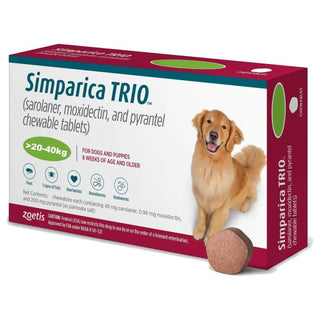
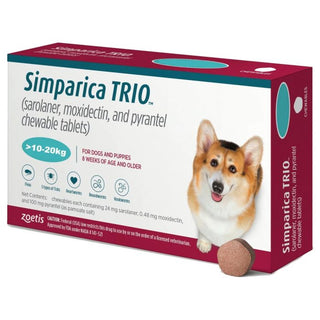


Not much to add. Dog tolerates it and price is good


Common illnesses in dogs can range from mild problems, such as an upset stomach or itchy skin, to serious conditions that require prompt veterinary care. Dogs cannot explain when they feel unwell, so noticing early changes in their appetite, energy, skin, breathing, bathroom habits, or behavior can make a meaningful difference.
Regular veterinary check-ups, preventive parasite protection, good nutrition, dental care, and vaccinations are some of the best ways to support your dog’s long-term health. This guide explains several common illnesses in dogs, the signs pet parents may notice, and when it is time to contact a veterinarian.
Important: This article is for general education and should not replace veterinary advice. Do not give your dog any human medicine unless your veterinarian has advised that it is safe and appropriate.
Dental disease is one of the most common health concerns in adult dogs. As plaque accumulates, it can turn into hardened tartar that inflames the gums and may progress to painful periodontal disease.
Dental discomfort can affect more than your dog’s breath. A painful mouth may make eating difficult and reduce quality of life.
Brush your dog’s teeth regularly with dog-safe toothpaste, offer suitable dental chews, and arrange professional dental cleaning when recommended by your veterinarian. Never use human toothpaste, as some ingredients may be unsafe for dogs.
Ear infections are especially common in dogs with floppy ears, dogs that swim often, and dogs with allergies. Bacteria, yeast, ear mites, excess moisture, and skin inflammation can all contribute to ear problems.
A dog with a painful ear may become unusually irritable or avoid being touched around the head. Avoid placing cotton buds far inside your dog’s ear, as they may damage the ear canal or force wax and debris further inward.
Check your dog’s ears regularly, dry them carefully after bathing or swimming, and use a veterinary-approved ear cleaner only when appropriate. Repeated ear infections can sometimes indicate allergies or another health concern, making a veterinary checkup essential.
Itchy skin is one of the most common reasons dogs visit the veterinarian. Dogs can react to flea bites, environmental allergens, certain foods, contact irritants, bacteria, yeast, or parasites.
Skin conditions often look similar, so it is important not to assume every itchy dog has the same problem. A vet may need to examine the skin and perform tests to identify the cause.
Keep your dog on consistent flea and tick protection, wash bedding regularly, use a gentle dog shampoo when needed, and speak with your veterinarian about recurring itchiness. Reliable parasite prevention is particularly important because flea allergy dermatitis can cause intense itching from even a small number of flea bites.
Vomiting, diarrhea, gas, constipation, and loss of appetite are frequent concerns for dog owners. Mild digestive upset can sometimes happen after dietary changes, scavenging, stress, or eating something unsuitable. However, ongoing or severe symptoms can indicate infection, parasites, pancreatitis, food intolerance, poisoning, or a blockage.
Puppies, senior dogs, very small dogs, and dogs with existing health conditions can become dehydrated quickly. Sudden vomiting with a swollen abdomen, repeated unproductive retching, collapse, or severe pain should be treated as an emergency.
Avoid sudden changes in food, keep rubbish and toxic foods out of reach, do not allow your dog to eat unknown objects outdoors, and transition to new food gradually over several days. Use a complete, balanced diet suited to your dog’s age and lifestyle.
Intestinal parasites are among the common illnesses in dogs that may be easy to miss at first. Roundworms, hookworms, whipworms, tapeworms, and Giardia can affect dogs of different ages, especially puppies or dogs exposed to contaminated soil, feces, fleas, or infected animals.
Some dogs show very few outward signs, which is why routine parasite control and fecal testing are useful parts of preventive care.
Use a veterinarian-recommended deworming schedule, promptly collect stool, prevent flea infestations, and keep your dog away from animal feces whenever possible. Many pet owners choose broad-spectrum parasite prevention products because they can make routine protection easier to manage.
Fleas can cause more than itching. They may lead to flea allergy dermatitis, skin infections, tapeworm transmission, and discomfort that affects your dog’s sleep and behavior. Ticks can also transmit diseases in some regions.
Consistent protection is much easier than trying to control a large flea infestation after it has spread through the home.
Use an effective flea and tick treatment as directed, treat all pets in the household when appropriate, vacuum regularly, wash bedding, and check your dog after walks in grassy or wooded areas. Choose a product that matches your dog’s species, age, weight, and health status.
Kennel cough is a general term often used to refer to contagious respiratory infections that can spread among dogs, particularly in boarding facilities, grooming salons, dog parks, daycare settings, and shelters.
A cough can have many possible causes, including respiratory infection, airway irritation, heart disease, or another medical condition. A veterinarian should assess persistent coughing, especially in puppies, senior dogs, flat-faced breeds, or dogs with breathing difficulty.
Keep your dog’s vaccinations current, limit contact with coughing dogs, meet any vaccination rules set by boarding facilities, and allow full recovery before returning to daycare, parks, or other group environments.
Urinary tract infections, bladder stones, inflammation, and other urinary problems can make urination painful or difficult. Some signs may be mistaken for behavioral accidents, so it is important to look closely at changes in your dog’s toilet habits.
Difficulty passing urine can become urgent, especially if your dog repeatedly strains but produces little or no urine. Contact a veterinarian promptly rather than waiting for the problem to resolve on its own.
Make sure your dog always has clean drinking water, take them out often enough to urinate, help them maintain an appropriate weight, and consult a veterinarian if urinary issues keep recurring.
Joint problems are more common in senior dogs, large breeds, overweight dogs, and dogs with previous injuries. Arthritis develops gradually, so changes may be subtle at first.
Some dogs hide pain well and may simply become quieter or less playful than before.
Keep your dog at a healthy body weight, provide regular low-impact exercise, use supportive bedding, and ask your vet about joint-friendly lifestyle changes. Early support can help preserve mobility and comfort.
Diabetes is one of the common illnesses in dogs that requires ongoing veterinary management. Diabetes develops when a dog’s body is unable to manage blood glucose effectively. Identifying it early matters, as delayed treatment can result in severe health problems.
These signs can also occur with other conditions, so a vet will need to perform tests to confirm the cause.
Not every case of diabetes can be prevented, but maintaining a healthy weight, feeding a consistent diet, and attending regular veterinary check-ups can support overall health. Dogs diagnosed with diabetes need a treatment plan designed by their veterinarian.
Contact your veterinarian if your dog has symptoms that are persistent, worsening, unusual for them, or affecting their normal routine. Prompt veterinary advice is especially important for:
Trust your instincts. You know your dog’s normal personality, appetite, and routine better than anyone else. A seemingly small change can still be worth discussing with a veterinary clinic.
Although some conditions cannot be prevented, consistent daily care can help reduce your dog’s chances of developing many common health problems.
Keep vaccinations current. Vaccines help protect against serious preventable infections.
Use routine parasite prevention. Choose flea, tick, heartworm, and worm protection suitable for your dog.
Feed a balanced diet. Select food appropriate for your dog’s life stage, size, and activity level.
Maintain a healthy weight. Excess weight can put pressure on joints and increase health risks.
Provide fresh water every day.
Brush teeth and check ears regularly.
Exercise your dog consistently. Adjust activity for their age, breed, and health condition.
Schedule regular veterinary examinations.
Monitor changes early. Keep an eye on eating, drinking, stool, urination, coat condition, mobility, and behavior.
Some of the most common illnesses in dogs include dental disease, ear infections, skin allergies, digestive upset, intestinal worms, flea-related skin problems, respiratory infections, urinary issues, arthritis, and diabetes.
Common warning signs include reduced appetite, vomiting, diarrhea, unusual tiredness, coughing, excessive scratching, changes in thirst, weight loss, limping, or changes in urination. Contact a veterinarian if the signs are severe, persistent, or unusual for your dog.
Minor issues may sometimes be managed with veterinary guidance, but many symptoms can have different causes. Avoid guessing, giving human medicines, or delaying care when symptoms are severe or ongoing.
The best approach combines regular vet visits, vaccinations, parasite control, balanced nutrition, dental care, healthy weight management, exercise, and early attention to behavior or health changes.
Understanding common illnesses in dogs helps pet owners notice warning signs earlier and make informed decisions about their dog’s care. Preventive health routines, including vaccinations, dental care, parasite protection, and veterinary check-ups, can help keep your dog comfortable, active, and protected throughout every life stage.
Explore dog wellness essentials, flea and tick treatments, dewormers, dental care products, and everyday health supplies to build a simple preventive-care routine for your dog.

Overall rating: 4.8 / 5 from 1134 reviews.
Not much to add. Dog tolerates it and price is good

This is the only flea medication that works for us where we live.

This on-line company is such a good find. They provide quality products at a good price with delivering them efficiently. Definitely recommend purchasing from them.

Items arrived on time and work great!

Love stronghold

Same product at a great price

Fast shipping great quality and price

We are happy with Heartgard Plus

I’ve been using Symperica Trio for a yr now. Love it. 79 pets ships fast and prices are more affordable. Thank You

Right after a haircut. 6 year old dashund/shih Tzu mix

Great deal on flea/tick. Helps take care of my pup
Stronghold Violet For Dogs 5-10lbs (2.6-5kg)

Two sweet girlies decided to make our deck their home. Mosquitoes are a big problem where we live and we had to get them protected. This was the best bang for the buck. I’ve ordered from 79Pets several times and while delivery is not fast it is very consistent.
Revolution Plus For Medium Cats 5.6-11 lbs (2.6-5kg)

As a retired veterinary technician I was extremely happy to finally see a flea and heartworm medication that actually does tapeworms too!!!!!!! This is a 1st to my knowledge....I live in a tropical climate where fleas never die so this is heaven sent.
Nexgard Combo For Cats 5.5-16.5 lbs (2.5-7.5 kg)

Great for free delivery worldwide and it took shorter time than I expected. Thanks
Simparica Trio For Dogs 5.6-11 lbs (2.5-5 kg)

My dog is excited to have her Advocate given every month! Great customer service and we're already a returned customer!
Advocate (Advantage Multi) For Small Dog Upto 4kg 8.8lbs (4kg)

Great price, authentic quality and reliable shipping. Shipping takes a bit longer, since it is being shipped from abroad. But still a reliable service.
NexGard & Heartgard (Green) Combo Dogs 24-60 lbs (10-25 kg)

79 pets has great service, they resolved my issue when I purchased by mistake . Thank you!
Simparica Trio For Dogs 22.1-44 lbs (10-20 kg)

Very happy with the price of Stronghold heart worm med for my dog. Seems to be working well.
Stronghold Teal For Dogs 44-88lbs (20-40kg)

My dog loves this product, never got any issue. Good price , deliver on time. We will definitely keep purchasing with 79 pets.com. Thanks!
Simparica Trio For Dogs 22.1-44 lbs (10-20 kg)

Great customer service! Would definitely purchase from them again!
Advocate (Advantage Multi) For Small Dog Upto 4kg 8.8lbs (4kg)

My fur babies love being protected from fleas!
Stronghold Blue For Cats 5.7-15.5lbs (2.6-7.5kg)

No more fleas! I love it and my pets love it!
Stronghold Teal For Dogs 44-88lbs (20-40kg)

I have 3 of these little rascals so Michigan flea/tick season can be financially brutal! Thank you for keeping NexGard so affordable.
NexGard Chew For Small Dogs 10-24lbs (4-10kg)

it is so easy to order
NexGard & Heartgard (Brown) Combo Dogs 60-121 lbs (25-50 kg)

I have no difficulty to give the tablet to my dog. I want my shipping to come faster by the way.
NexGard Spectra For Small Dog 8-16 lbs (3.5-7.5kg)

Stronghold Plus keep my baby safe
Stronghold Plus For Large Cats 11 lbs to 22 lbs (5-10kg)

Thank You 79pets
Stronghold Plus For Medium Cats 5.5 lbs to 11 lbs (2.5-5kg)

Advocate can only be found here n it's easier to order online. Thanks 79!
Advocate (Advantage Multi) For Cats Over 8.8lbs (4kg)

Great product and price. Shipping updates helped, since product comes from abroad. I would definitely recommend and use it again.
NexGard & Heartgard (Green) Combo Dogs 24-60 lbs (10-25 kg)

Easy to give!
NexGard Spectra For Small Dog 8-16 lbs (3.5-7.5kg)

Stronghold Plus does exactly what it was advertised for. Effective and best product. Would highly recommend Stronghold Plus.
Stronghold Plus For Cats 5.5 lbs to 11 lbs (2.5-5kg) 3 Pack

After Seresto collars failed to get rid of fleas, I didn't know where to turn. I saw a post on a page I follow (Kentucky Kitty Cats) saying that they use Nexgard Combo for the cats they shelter. I decided to try it and IT WORKS!
Nexgard Combo for Cats 5.5-16.5 lbs (2.5-7.5 kg)

My kitty love Revolution. One of the best product for flea & ticks. Good price will definitely recommend this website.
Revolution Plus For Medium Cats 5.6-11 lbs (2.6-5kg)

Tried this the first time and the correct medication was sent on time to me. Will definitely use this site again. Thanks!
Simparica Chewables For Very Small Dogs 5.6-11 lbs (2.5-5kg)

Happy Kitty
Revolution Plus For Medium Cats 5.6-11 lbs (2.6-5kg)

As described. Value for money
Nexgard Chew Red for Large Dogs Flea & Tick 60-121 lbs. (25-50kg)

This is Lexi Marie! She was wondering why mom was so excited for buying flea medicine. I explained to her that we saved $100 and that she would understand some day when she grows up.
Revolution Plus For Large Cats 11.1-22lbs (5-10kg)

Received on time. Thank You 79Pets
Nexgard Chew Red for Large Dogs Flea & Tick 60-121 lbs. (25-50kg)

Very good experience!
Revolution Plus For Large Cats 11.1-22lbs (5-10kg)

Last year, I made a visit to the vet. I told them that Kattie/cat had ear mites. They gave me an ointment costing $80canadian. I used it up and purchased another bottle. $160. total not including the cost of the vet visit. No results. The ear mites have been there for a long time. Canadian vets have control of what is sold in Pet stores and you cannot purchase off the shelf products not recognized by them. I jumped at the chance to purchase your produce with a recommended 100% effectivity. I was willing to try, but was suspicions. After a month there was still a little scratching but after 6 weeks, the mites are gone and the scratching is gone. Thank you very much for this mite solution. I recommend it heartily. Harry P.S. Do not tell the Canadian vets as they will outlaw your product.
Revolution Plus For Medium Cats 5.6-11 lbs (2.6-5kg)