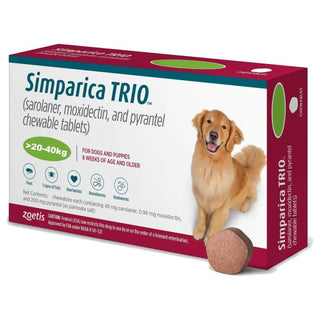
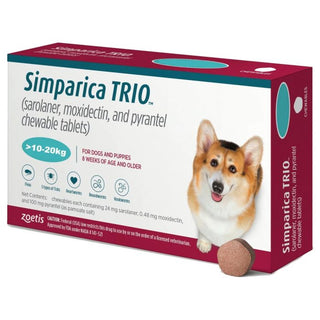


Not much to add. Dog tolerates it and price is good


Food intolerance in dogs can be frustrating for both pets and their owners. A dog may have recurring diarrhea, gas, vomiting, itchy skin, or ear problems, yet it can be difficult to tell whether food is truly the cause.
Not every digestive upset means a dog has a food intolerance. Some dogs react poorly to a particular ingredient, while others may have a food allergy, parasites, infections, stress-related stomach upset, or an underlying medical condition. Understanding the difference can help you take the right next step and avoid unnecessary changes to your diet.
Food intolerance is an unwanted reaction to a food or ingredient that does not involve the immune system. It often affects the digestive tract and may occur when a dog has trouble digesting or tolerating a specific ingredient.
For example, some dogs may struggle with high-fat foods, dairy products, sudden dietary changes, certain additives, or particular protein sources. Unlike a food allergy, food intolerance does not usually involve an immune response.
A food allergy is different because it involves the immune system reacting to an ingredient, most commonly a dietary protein. Food allergies may cause digestive signs, skin problems, or both.
In everyday conversation, many people use “food allergy” and “food intolerance” interchangeably. However, the exact cause of a dog’s symptoms often needs veterinary assessment.
Food intolerance can look different from one dog to another. Some dogs mainly develop stomach problems, while others may show more general signs of discomfort.
Common symptoms may include:
Dogs with food allergies or adverse food reactions may also develop skin-related signs, such as:
A dog with occasional loose stool after eating something unusual may simply have a temporary stomach upset. However, recurrent symptoms, especially when they occur after eating the same foods or treats, warrant closer attention.
Food intolerance does not always have one clear cause. A dog may react to one ingredient, a combination of ingredients, the richness of a diet, or a sudden change in food.
Possible triggers include:
Rich foods, greasy table scraps, fatty treats, and sudden access to rubbish can upset a dog’s digestive system. Some dogs are especially sensitive to fatty meals and may develop vomiting, diarrhea, or abdominal pain.
High-fat foods can also be risky for dogs prone to pancreatitis, a painful inflammation of the pancreas that requires veterinary treatment.
Many adult dogs do not digest lactose well. Milk, cheese, cream, and ice cream may cause gas, loose stool, stomach cramps, or diarrhea in lactose-sensitive dogs.
Small amounts may not bother every dog, but dairy is not necessary for most canine diets and should not be used as a regular treat if it causes digestive issues.
Changing a dog’s food too quickly is one of the most common reasons for digestive upset. Even a high-quality food can cause diarrhea or gas if introduced suddenly.
When changing foods, it is usually better to mix a small amount of the new food with the current food and gradually increase it over several days. Dogs with sensitive stomachs may need an even slower transition.
Some dogs appear to react poorly to specific proteins, carbohydrates, additives, or flavorings. Commonly fed ingredients are not inherently problematic, but an individual dog may tolerate one diet better than another.
The trigger is not always obvious. A dog may eat the same diet for months or years before showing signs of a food-related reaction.
A dog’s main food may be suitable, but regular table scraps, chews, dental treats, flavored supplements, or training rewards can make it difficult to identify the true cause of stomach upset.
Even small extras can matter when a dog has a sensitive digestive system or is completing a diet trial.
Food that has been stored improperly, exposed to moisture, or left open for long periods may become less fresh and could upset a sensitive dog’s stomach.
Always check the expiry date, store food in a clean airtight container where appropriate, and avoid feeding food that smells unusual, looks moldy, or has been contaminated.
Food intolerance and food allergy can cause some similar signs, but they are not the same.
|
Food Intolerance |
Food Allergy |
|
Does not involve the immune system |
Involves an immune-system reaction |
|
Often causes digestive symptoms |
Can cause skin, ear, digestive, or combined symptoms |
|
May be linked to fat content, lactose, additives, or poor digestion |
Often linked to a dietary protein |
|
Symptoms may depend on the amount eaten |
Even small exposures may trigger symptoms in some dogs |
|
Can be difficult to identify without a controlled food trial |
Usually requires an elimination diet and food challenge for confirmation |
A dog can also have other health problems that resemble food intolerance. Parasites, bacterial infections, inflammatory bowel disease, pancreatitis, stress, medication side effects, and environmental allergies can all cause similar symptoms.
That is why it is important not to assume food is the cause without discussing persistent symptoms with a veterinarian.
There is no single home test that can reliably confirm food intolerance. Your veterinarian will usually begin by reviewing your dog’s complete diet history.
This should include:
Your veterinarian may also recommend a physical examination, stool testing, blood work, or other tests to rule out parasites, infections, organ problems, and other causes of digestive symptoms.
An elimination diet trial is often the most reliable method for investigating suspected food-related problems.
During this process, a dog is fed a carefully selected diet, such as a veterinary hydrolyzed-protein diet or a novel-protein diet that contains ingredients the dog has not eaten before. The diet must be fed exclusively for the recommended period.
That means no table scraps, random treats, flavored chews, leftovers, or unapproved supplements. Even a small amount of another food can affect the results.
If the dog improves during the trial, the veterinarian may recommend reintroducing the original diet or individual ingredients in a controlled way. If symptoms return after reintroduction, it supports the diagnosis of an adverse food reaction.
Food trials require patience. Digestive signs may improve sooner than skin-related symptoms, but many dogs need several weeks of strict feeding before the results are clear.
A veterinarian may recommend a trial lasting around eight weeks or longer, especially when itching, ear problems, or chronic skin issues are involved.
Consistency is essential. One treat from a family member, a flavored medicine, or food picked up during a walk can make the trial difficult to interpret.
Once a trigger is identified or strongly suspected, managing food intolerance usually involves avoiding the problematic ingredient and choosing a nutritionally complete diet your dog can tolerate.
Avoid changing foods repeatedly without a plan. Constantly switching between products can make it harder to identify the cause of the problem.
Choose one appropriate diet with your veterinarian’s guidance and allow enough time to assess how your dog responds.
When changing foods, introduce the new diet slowly unless your veterinarian advises otherwise. Start with a small amount of the new food mixed with the current food, then gradually increase the new food while reducing the previous diet.
This may help reduce digestive upset during the transition.
Treats should match your dog’s diet plan. During a strict elimination trial, use only veterinarian-approved treats or pieces of the prescribed food.
After a trigger has been identified, check ingredient labels carefully before giving biscuits, dental chews, training treats, supplements, or flavored medications.
Human food is a common source of hidden triggers. Foods that are rich, fatty, spicy, seasoned, or unfamiliar can upset a dog’s stomach even if they are not toxic.
Avoid sharing meals with your dog, particularly when you are trying to determine whether food is causing their symptoms.
A simple record can be very helpful. Write down:
This information can help your veterinarian spot patterns that may not be obvious day-to-day.
Contact a veterinarian promptly if your dog has ongoing digestive problems or symptoms that keep returning.
Seek urgent veterinary care if your dog has:
Puppies, senior dogs, very small dogs, and dogs with existing health conditions can become dehydrated or unwell more quickly, so it is best to seek advice early.
Not every food intolerance can be prevented, but you can reduce the likelihood of diet-related stomach upset by following a few simple habits.
Food intolerance in dogs can cause recurring digestive discomfort and may sometimes be mistaken for a food allergy or another medical condition. Loose stool, vomiting, gas, itching, ear problems, and repeated stomach upset should not be ignored, especially when they keep coming back.
The best approach is to work with a veterinarian, keep a detailed diet history, and follow a structured elimination diet trial when appropriate. With patience and the right feeding plan, many dogs with food-related sensitivities can feel much more comfortable and enjoy a healthy, balanced diet.

Overall rating: 4.8 / 5 from 1134 reviews.
Not much to add. Dog tolerates it and price is good

This is the only flea medication that works for us where we live.

This on-line company is such a good find. They provide quality products at a good price with delivering them efficiently. Definitely recommend purchasing from them.

Items arrived on time and work great!

Love stronghold

Same product at a great price

Fast shipping great quality and price

We are happy with Heartgard Plus

I’ve been using Symperica Trio for a yr now. Love it. 79 pets ships fast and prices are more affordable. Thank You

Right after a haircut. 6 year old dashund/shih Tzu mix

Great deal on flea/tick. Helps take care of my pup
Stronghold Violet For Dogs 5-10lbs (2.6-5kg)

Two sweet girlies decided to make our deck their home. Mosquitoes are a big problem where we live and we had to get them protected. This was the best bang for the buck. I’ve ordered from 79Pets several times and while delivery is not fast it is very consistent.
Revolution Plus For Medium Cats 5.6-11 lbs (2.6-5kg)

As a retired veterinary technician I was extremely happy to finally see a flea and heartworm medication that actually does tapeworms too!!!!!!! This is a 1st to my knowledge....I live in a tropical climate where fleas never die so this is heaven sent.
Nexgard Combo For Cats 5.5-16.5 lbs (2.5-7.5 kg)

Great for free delivery worldwide and it took shorter time than I expected. Thanks
Simparica Trio For Dogs 5.6-11 lbs (2.5-5 kg)

My dog is excited to have her Advocate given every month! Great customer service and we're already a returned customer!
Advocate (Advantage Multi) For Small Dog Upto 4kg 8.8lbs (4kg)

Great price, authentic quality and reliable shipping. Shipping takes a bit longer, since it is being shipped from abroad. But still a reliable service.
NexGard & Heartgard (Green) Combo Dogs 24-60 lbs (10-25 kg)

79 pets has great service, they resolved my issue when I purchased by mistake . Thank you!
Simparica Trio For Dogs 22.1-44 lbs (10-20 kg)

Very happy with the price of Stronghold heart worm med for my dog. Seems to be working well.
Stronghold Teal For Dogs 44-88lbs (20-40kg)

My dog loves this product, never got any issue. Good price , deliver on time. We will definitely keep purchasing with 79 pets.com. Thanks!
Simparica Trio For Dogs 22.1-44 lbs (10-20 kg)

Great customer service! Would definitely purchase from them again!
Advocate (Advantage Multi) For Small Dog Upto 4kg 8.8lbs (4kg)

My fur babies love being protected from fleas!
Stronghold Blue For Cats 5.7-15.5lbs (2.6-7.5kg)

No more fleas! I love it and my pets love it!
Stronghold Teal For Dogs 44-88lbs (20-40kg)

I have 3 of these little rascals so Michigan flea/tick season can be financially brutal! Thank you for keeping NexGard so affordable.
NexGard Chew For Small Dogs 10-24lbs (4-10kg)

it is so easy to order
NexGard & Heartgard (Brown) Combo Dogs 60-121 lbs (25-50 kg)

I have no difficulty to give the tablet to my dog. I want my shipping to come faster by the way.
NexGard Spectra For Small Dog 8-16 lbs (3.5-7.5kg)

Stronghold Plus keep my baby safe
Stronghold Plus For Large Cats 11 lbs to 22 lbs (5-10kg)

Thank You 79pets
Stronghold Plus For Medium Cats 5.5 lbs to 11 lbs (2.5-5kg)

Advocate can only be found here n it's easier to order online. Thanks 79!
Advocate (Advantage Multi) For Cats Over 8.8lbs (4kg)

Great product and price. Shipping updates helped, since product comes from abroad. I would definitely recommend and use it again.
NexGard & Heartgard (Green) Combo Dogs 24-60 lbs (10-25 kg)

Easy to give!
NexGard Spectra For Small Dog 8-16 lbs (3.5-7.5kg)

Stronghold Plus does exactly what it was advertised for. Effective and best product. Would highly recommend Stronghold Plus.
Stronghold Plus For Cats 5.5 lbs to 11 lbs (2.5-5kg) 3 Pack

After Seresto collars failed to get rid of fleas, I didn't know where to turn. I saw a post on a page I follow (Kentucky Kitty Cats) saying that they use Nexgard Combo for the cats they shelter. I decided to try it and IT WORKS!
Nexgard Combo for Cats 5.5-16.5 lbs (2.5-7.5 kg)

My kitty love Revolution. One of the best product for flea & ticks. Good price will definitely recommend this website.
Revolution Plus For Medium Cats 5.6-11 lbs (2.6-5kg)

Tried this the first time and the correct medication was sent on time to me. Will definitely use this site again. Thanks!
Simparica Chewables For Very Small Dogs 5.6-11 lbs (2.5-5kg)

Happy Kitty
Revolution Plus For Medium Cats 5.6-11 lbs (2.6-5kg)

As described. Value for money
Nexgard Chew Red for Large Dogs Flea & Tick 60-121 lbs. (25-50kg)

This is Lexi Marie! She was wondering why mom was so excited for buying flea medicine. I explained to her that we saved $100 and that she would understand some day when she grows up.
Revolution Plus For Large Cats 11.1-22lbs (5-10kg)

Received on time. Thank You 79Pets
Nexgard Chew Red for Large Dogs Flea & Tick 60-121 lbs. (25-50kg)

Very good experience!
Revolution Plus For Large Cats 11.1-22lbs (5-10kg)

Last year, I made a visit to the vet. I told them that Kattie/cat had ear mites. They gave me an ointment costing $80canadian. I used it up and purchased another bottle. $160. total not including the cost of the vet visit. No results. The ear mites have been there for a long time. Canadian vets have control of what is sold in Pet stores and you cannot purchase off the shelf products not recognized by them. I jumped at the chance to purchase your produce with a recommended 100% effectivity. I was willing to try, but was suspicions. After a month there was still a little scratching but after 6 weeks, the mites are gone and the scratching is gone. Thank you very much for this mite solution. I recommend it heartily. Harry P.S. Do not tell the Canadian vets as they will outlaw your product.
Revolution Plus For Medium Cats 5.6-11 lbs (2.6-5kg)