

Not much to add. Dog tolerates it and price is good


Seeing your dog look uneasy, drool, lick their lips, or suddenly refuse food can be worrying. These may be signs of nausea in dogs, an uncomfortable feeling that often occurs before vomiting. Some dogs feel nauseated briefly after eating something unusual, while others may be dealing with a more serious health problem.
Because dogs cannot tell us when their stomachs feel upset, it is important to notice early changes in their behavior. This guide explains the signs of nausea in dogs, common causes, what you can do at home, and when to contact a veterinarian.
Dog nausea does not always lead to vomiting. In some cases, a dog may feel sick for a short time and then recover without bringing anything up.
Common signs of nausea in dogs include:
Some dogs may also hide, avoid food, or refuse treats they would normally enjoy. Since every dog behaves differently, it helps to know what is normal for your own pet.
Dog nausea can happen for many reasons. Some causes are mild and temporary, while others need prompt veterinary treatment.
Dogs are naturally curious and may eat food from the bin, leftovers, spoiled food, grass, toys, socks, bones, or other non-food items. Even a small dietary mistake can upset a sensitive stomach.
Rich or fatty human foods, sudden treats, greasy leftovers, and food that has gone bad can all trigger nausea and vomiting.
Switching your dog’s diet too quickly can upset their digestive system. Even changing to a different flavor of the same brand may cause nausea in some dogs.
When changing food, it is usually best to do it gradually over several days by mixing a little of the new food with the current diet and slowly increasing the amount.
Some dogs become nauseated during car rides. Puppies and younger dogs can be especially prone to travel sickness, but adult dogs may also experience it.
Signs of motion sickness can include drooling, yawning, whining, panting, vomiting, or appearing anxious shortly after getting into the car. In some cases, the problem may be related to stress rather than movement alone, especially if your dog only travels by car for veterinary visits.
Stress can affect a dog’s stomach just as it can affect people. Boarding, fireworks, unfamiliar visitors, moving home, separation, travel, or changes in routine may cause nausea in anxious dogs.
If nausea seems to occur during stressful situations, note the circumstances and discuss the pattern with your veterinarian.
Worms, bacterial infections, viral illnesses, and inflammation of the stomach or intestines can cause nausea, vomiting, diarrhea, poor appetite, and tiredness.
Puppies, unvaccinated dogs, and dogs that spend time around many other dogs may have a higher risk of certain contagious illnesses. Persistent vomiting or diarrhea in a puppy should always be taken seriously.
Pancreatitis occurs when the pancreas becomes inflamed. It can lead to intense nausea, vomiting, tummy pain, poor appetite, low energy, and diarrhea. It is often linked to eating high-fat foods, although it can happen for other reasons as well.
Dogs with suspected pancreatitis need veterinary assessment and treatment.
Dogs may swallow toys, fabric, plastic, bones, rawhide, stones, corn cobs, or other objects. If the item becomes stuck in the stomach or intestines, it can cause an obstruction.
Warning signs may include repeated vomiting, dry heaving, abdominal pain, drooling, refusing food, lethargy, or straining to pass stool. An intestinal blockage can become an emergency and may require surgery.
Nausea may be one of the first signs that a dog has eaten something toxic. Common hazards include chocolate, grapes or raisins, xylitol-containing products, human medications, household chemicals, rodent poison, certain mushrooms, fertilizers, and toxic plants.
Never wait for symptoms to become severe if you think your dog may have eaten a poisonous substance. Seek urgent advice from your veterinarian or the nearest emergency veterinary hospital.
Some prescribed medications can cause an upset stomach, especially if they are given on an empty stomach or if the dog is sensitive to the medicine.
Do not stop prescribed medication without veterinary advice. Instead, contact your vet and explain the symptoms, when they began, and the medication your dog has taken.
Repeated or long-term nausea can sometimes be associated with conditions affecting the kidneys, liver, digestive tract, hormones, or other organs. Chronic nausea should not be ignored, particularly if your dog is losing weight, eating less, drinking differently, or showing changes in energy levels.
If your dog has mild nausea but is otherwise alert and comfortable, with no concerning symptoms, you can take a few simple steps while monitoring them closely.
Set up a calm, cozy space where your dog can relax and recover. Avoid vigorous exercise, rough play, car rides, and stressful activity until they seem settled.
Do not offer treats, table scraps, chews, bones, or fatty food while your dog feels sick. These can worsen an upset stomach.
Water is important, but drinking a large amount quickly can trigger more vomiting. Offer small amounts frequently rather than letting your dog gulp a full bowl at once.
If your dog cannot keep even small amounts of water down, contact a veterinarian.
Pay attention to how often your dog vomits, whether they have diarrhea, what the vomit looks like, and whether they may have eaten something unusual.
If you see packaging, plant pieces, toy fragments, blood, or anything suspicious in the vomit, take a photo or safely dispose of the material, keeping your dog away. This information can help your veterinarian.
Contact a veterinarian promptly or visit an emergency clinic if your dog has any of the following signs:
Repeated dry heaving with a swollen abdomen can be a sign of bloat, also called gastric dilatation-volvulus. This is a critical medical emergency requiring urgent veterinary treatment.
A veterinarian will usually ask about your dog’s recent diet, possible exposure to toxins, medications, bowel movements, travel, and any objects they may have swallowed.
Based on your dog’s symptoms, the veterinarian may suggest:
Treatment depends on the cause. A dog with mild stomach upset may only need supportive care, while a dog with dehydration, pancreatitis, poisoning, or an intestinal blockage may need more intensive treatment.
Your veterinarian may prescribe anti-nausea medication, fluids, stomach protectants, pain relief, parasite treatment, or other medication based on your dog’s diagnosis.
Do not give your dog human anti-nausea medicine unless your veterinarian specifically tells you to do so. Human medications can be unsafe for dogs, and the correct dose depends on your dog’s size, health, symptoms, and the underlying cause of nausea.
Trying to treat nausea at home with the wrong medicine may delay proper care or make the condition worse.
While not every cause of nausea can be prevented, a few habits can lower the risk:
Dog nausea can be as simple as an upset stomach after eating something unusual, but it can also be an early warning sign of poisoning, infection, pancreatitis, or an intestinal blockage.
Mild nausea that improves quickly may only need close monitoring and rest. However, vomiting that is repeated, severe, bloody, painful, or linked to possible toxin exposure should never be ignored.
Knowing your dog’s normal habits and acting early when something seems wrong can make a major difference to their comfort and safety.
Overall rating: 4.8 / 5 from 1134 reviews.
Not much to add. Dog tolerates it and price is good

This is the only flea medication that works for us where we live.

This on-line company is such a good find. They provide quality products at a good price with delivering them efficiently. Definitely recommend purchasing from them.

Items arrived on time and work great!

Love stronghold

Same product at a great price

Fast shipping great quality and price

We are happy with Heartgard Plus

I’ve been using Symperica Trio for a yr now. Love it. 79 pets ships fast and prices are more affordable. Thank You

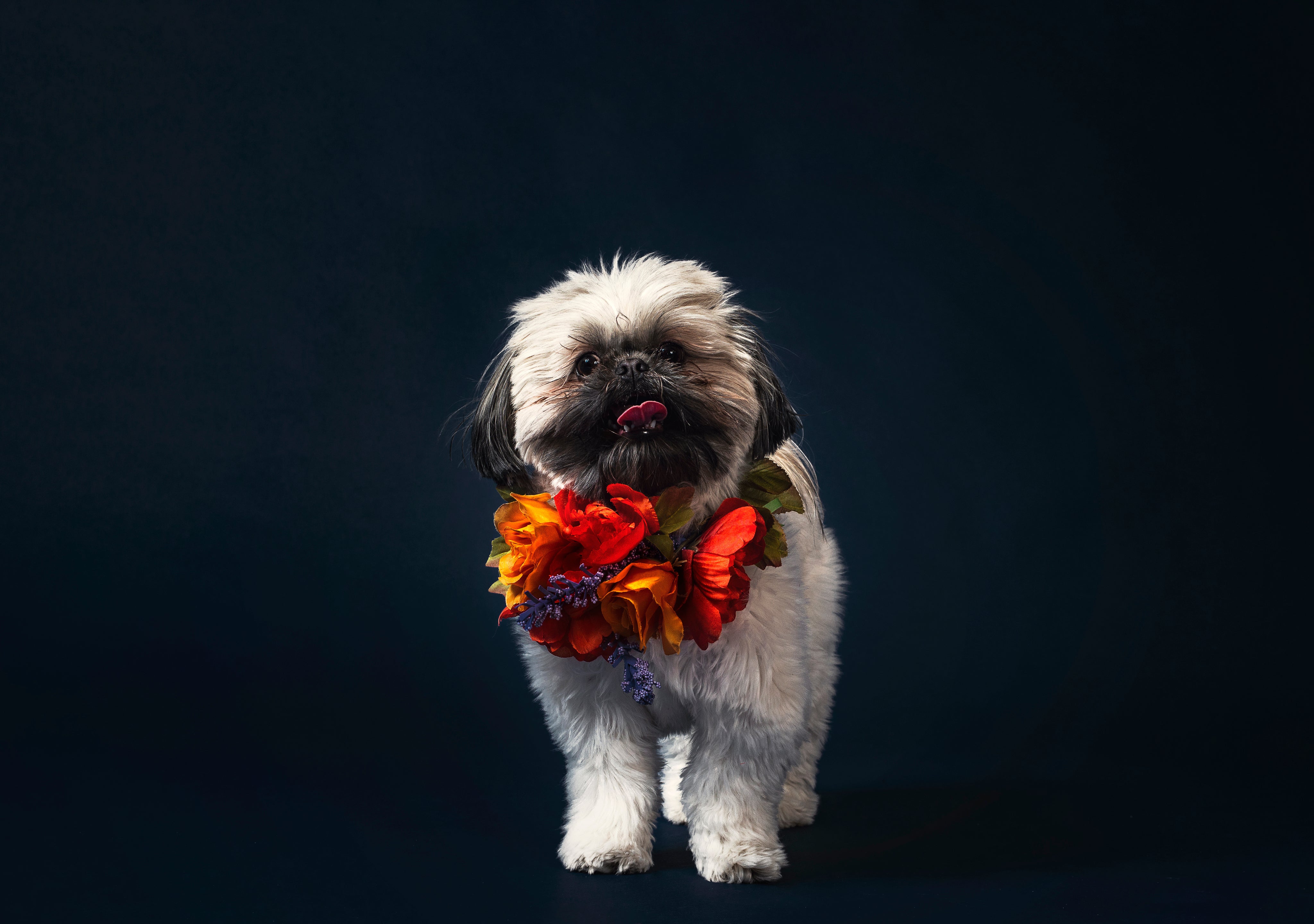
Right after a haircut. 6 year old dashund/shih Tzu mix

Great deal on flea/tick. Helps take care of my pup
Stronghold Violet For Dogs 5-10lbs (2.6-5kg)

Two sweet girlies decided to make our deck their home. Mosquitoes are a big problem where we live and we had to get them protected. This was the best bang for the buck. I’ve ordered from 79Pets several times and while delivery is not fast it is very consistent.
Revolution Plus For Medium Cats 5.6-11 lbs (2.6-5kg)

As a retired veterinary technician I was extremely happy to finally see a flea and heartworm medication that actually does tapeworms too!!!!!!! This is a 1st to my knowledge....I live in a tropical climate where fleas never die so this is heaven sent.
Nexgard Combo For Cats 5.5-16.5 lbs (2.5-7.5 kg)

Great for free delivery worldwide and it took shorter time than I expected. Thanks
Simparica Trio For Dogs 5.6-11 lbs (2.5-5 kg)

My dog is excited to have her Advocate given every month! Great customer service and we're already a returned customer!
Advocate (Advantage Multi) For Small Dog Upto 4kg 8.8lbs (4kg)

Great price, authentic quality and reliable shipping. Shipping takes a bit longer, since it is being shipped from abroad. But still a reliable service.
NexGard & Heartgard (Green) Combo Dogs 24-60 lbs (10-25 kg)

79 pets has great service, they resolved my issue when I purchased by mistake . Thank you!
Simparica Trio For Dogs 22.1-44 lbs (10-20 kg)

Very happy with the price of Stronghold heart worm med for my dog. Seems to be working well.
Stronghold Teal For Dogs 44-88lbs (20-40kg)

My dog loves this product, never got any issue. Good price , deliver on time. We will definitely keep purchasing with 79 pets.com. Thanks!
Simparica Trio For Dogs 22.1-44 lbs (10-20 kg)

Great customer service! Would definitely purchase from them again!
Advocate (Advantage Multi) For Small Dog Upto 4kg 8.8lbs (4kg)

My fur babies love being protected from fleas!
Stronghold Blue For Cats 5.7-15.5lbs (2.6-7.5kg)

No more fleas! I love it and my pets love it!
Stronghold Teal For Dogs 44-88lbs (20-40kg)

I have 3 of these little rascals so Michigan flea/tick season can be financially brutal! Thank you for keeping NexGard so affordable.
NexGard Chew For Small Dogs 10-24lbs (4-10kg)

it is so easy to order
NexGard & Heartgard (Brown) Combo Dogs 60-121 lbs (25-50 kg)

I have no difficulty to give the tablet to my dog. I want my shipping to come faster by the way.
NexGard Spectra For Small Dog 8-16 lbs (3.5-7.5kg)

Stronghold Plus keep my baby safe
Stronghold Plus For Large Cats 11 lbs to 22 lbs (5-10kg)

Thank You 79pets
Stronghold Plus For Medium Cats 5.5 lbs to 11 lbs (2.5-5kg)

Advocate can only be found here n it's easier to order online. Thanks 79!
Advocate (Advantage Multi) For Cats Over 8.8lbs (4kg)

Great product and price. Shipping updates helped, since product comes from abroad. I would definitely recommend and use it again.
NexGard & Heartgard (Green) Combo Dogs 24-60 lbs (10-25 kg)

Easy to give!
NexGard Spectra For Small Dog 8-16 lbs (3.5-7.5kg)

Stronghold Plus does exactly what it was advertised for. Effective and best product. Would highly recommend Stronghold Plus.
Stronghold Plus For Cats 5.5 lbs to 11 lbs (2.5-5kg) 3 Pack

After Seresto collars failed to get rid of fleas, I didn't know where to turn. I saw a post on a page I follow (Kentucky Kitty Cats) saying that they use Nexgard Combo for the cats they shelter. I decided to try it and IT WORKS!
Nexgard Combo for Cats 5.5-16.5 lbs (2.5-7.5 kg)

My kitty love Revolution. One of the best product for flea & ticks. Good price will definitely recommend this website.
Revolution Plus For Medium Cats 5.6-11 lbs (2.6-5kg)

Tried this the first time and the correct medication was sent on time to me. Will definitely use this site again. Thanks!
Simparica Chewables For Very Small Dogs 5.6-11 lbs (2.5-5kg)

Happy Kitty
Revolution Plus For Medium Cats 5.6-11 lbs (2.6-5kg)

As described. Value for money
Nexgard Chew Red for Large Dogs Flea & Tick 60-121 lbs. (25-50kg)

This is Lexi Marie! She was wondering why mom was so excited for buying flea medicine. I explained to her that we saved $100 and that she would understand some day when she grows up.
Revolution Plus For Large Cats 11.1-22lbs (5-10kg)

Received on time. Thank You 79Pets
Nexgard Chew Red for Large Dogs Flea & Tick 60-121 lbs. (25-50kg)

Very good experience!
Revolution Plus For Large Cats 11.1-22lbs (5-10kg)

Last year, I made a visit to the vet. I told them that Kattie/cat had ear mites. They gave me an ointment costing $80canadian. I used it up and purchased another bottle. $160. total not including the cost of the vet visit. No results. The ear mites have been there for a long time. Canadian vets have control of what is sold in Pet stores and you cannot purchase off the shelf products not recognized by them. I jumped at the chance to purchase your produce with a recommended 100% effectivity. I was willing to try, but was suspicions. After a month there was still a little scratching but after 6 weeks, the mites are gone and the scratching is gone. Thank you very much for this mite solution. I recommend it heartily. Harry P.S. Do not tell the Canadian vets as they will outlaw your product.
Revolution Plus For Medium Cats 5.6-11 lbs (2.6-5kg)