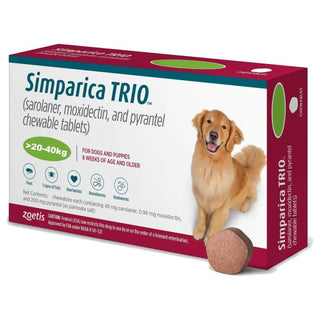
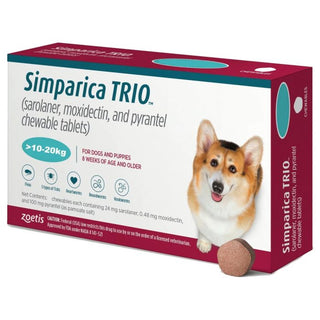


Not much to add. Dog tolerates it and price is good


A strong relationship with a dog is built through thousands of small, dependable moments. Feeding them on time, respecting their boundaries, responding calmly when they are worried, and making everyday care feel safe all help shape how secure they feel around you.
Learning the signs your dog trusts you can reveal whether your dog sees you as more than the person who provides food and walks. Trust means your dog believes you are predictable, protective, and worth turning to when the world feels uncertain.
These signs that your dog trusts you may appear differently depending on your dog's personality, breed, age, health, and past experiences. A highly affectionate dog may press against you on the sofa, while a more independent dog may simply choose to rest nearby. The key is to look at the whole pattern of behavior rather than relying on one gesture.
Trust is not the same as perfect obedience. A dog can ignore a cue because they are distracted, confused, frightened, or insufficiently trained and still feel deeply secure with their family.
The clearest signs your dog trusts you usually involve voluntary behavior. Your dog chooses to approach, relax, cooperate, check in, or seek help without being forced.
Relaxed dogs commonly show a loose posture, naturally positioned ears, normal-looking eyes, and a soft mouth. Worried dogs may lower their body, tuck their tail, avoid eye contact, lick their lips, or become stiff.
When assessing the signs that your dog trusts you, focus on repeated patterns rather than a single isolated action. Here are six behaviors that can suggest your dog feels safe and confident in your relationship.
In the canine world, a direct, hard stare is often seen as a challenge or a threat. However, when your dog looks at you with relaxed, soft eyes, it triggers the release of oxytocin (the "love hormone") in both of your brains. If your pup holds your gaze while relaxing their eyelids, it is one of the clearest dog trust signs that they view you as a source of comfort rather than a threat.
Dogs are biologically at their most vulnerable when they are asleep. In the wild, wolves sleep packed together for safety. If your dog chooses to nap right next to you, at your feet, or even curled up on your dirty laundry, they are showing ultimate vulnerability. They rely on you to keep them safe as they drop their guard, and the scent of your clothes provides them with immense emotional security.
Have you ever walked into a room only for your dog to instantly flop onto their back and expose their stomach? The belly houses all of a dog's vital organs, making it the most defenseless zone on their body. Rolling over for a belly rub isn't just an invitation for affection; it’s a profound display of safety and security in your presence.
If you are sitting on the couch and your dog comes over to lean their entire body weight against your legs, take it as a massive compliment. "Leaning" is a classic behavioral manifestation of comfort. They are physically anchoring themselves to you because your presence makes them feel grounded and protected.
It might seem counterintuitive, but a dog who doesn't panic when you walk out the front door is actually showing incredible confidence in you. While severe separation anxiety can stem from fear, a dog who calmly watches you leave—or goes back to their bed—trusts completely that you will return. They don't fear abandonment because you have consistently proven your reliability.
While it can be frustrating to find your favorite sneakers dragged into the living room, this behavior is driven by pure affection. Your shoes and socks carry the highest concentration of your unique scent. When your dog gathers these items, they aren't trying to be destructive; they are creating a comforting "scent nest" to feel closer to you when you aren't actively interacting with them.
Nurturing the Bond: Building trust is an ongoing journey. Providing a consistent routine, engaging in positive reinforcement training, and offering premium nutrition are the building blocks of a secure, happy life for your pet.
Some signs your dog trusts you can look similar to simple tolerance. A dog may remain still during petting, grooming, or hugging because they feel safe, but they may also freeze because they feel trapped.
Watch for active participation, relaxed movement, and whether your dog chooses to return.
No single signal should be interpreted in isolation. Consider the setting, what happened immediately before the behavior, and whether the dog has a medical condition that could make movement or touch painful.
Recognizing the signs your dog trusts you is useful, but trust must also be protected and maintained. The following habits can strengthen your relationship over time.
Dogs often feel safer when meals, toilet breaks, walks, rest, play, and medication follow a reasonably consistent pattern.
Life does not need to run on an exact schedule. However, your reactions and household rules should be dependable. Avoid allowing a behavior one day and angrily punishing it the next.
Reward the behaviors you want, rather than waiting for mistakes. Teach cues in small steps and make success easy.
Consistent, humane training gives you and your dog a shared language. It helps your dog understand what works without making them afraid to experiment or communicate.
Allow your dog to move away from petting, choose a resting place, sniff during walks, and decline optional interactions.
Giving safe choices can increase confidence because your dog learns that their communication produces a response.
You can also let your dog choose between two toys, select a safe walking direction, or decide whether they want to rest in their bed or beside you.
Study how your dog looks when calm, excited, tired, worried, frustrated, or in pain. Their everyday behavior becomes your baseline.
The better you recognize early signs of stress, the sooner you can adjust the situation before your dog becomes overwhelmed.
Pair gentle touch with treats and proceed gradually. For example, briefly touch a paw, reward your dog, and stop before attempting to hold it.
Cooperative care training can make grooming, medication, and veterinary procedures safer and less stressful for everyone.
Physical activity, sniffing, food puzzles, chewing, play, and training help meet important behavioral needs.
Choose activities suited to your dog’s age, breed, personality, health, and fitness level. A senior dog may benefit from gentle sniffing walks, while a young working breed may require more structured exercise and mental challenges.
It can. Dogs are vulnerable while sleeping, so choosing to rest near you often indicates comfort and security.
However, room temperature, bed preference, habit, household noise, and personality also influence where a dog sleeps. Some trusting dogs prefer their own bed or a cooler area of the room.
Soft, brief eye contact or regular check-ins can suggest connection and communication. A fixed stare, combined with a tense face and a stiff body, can carry a very different meaning.
Always assess your dog’s eyes together with their mouth, ears, tail, posture, and the surrounding situation.
Your dog may follow you because they enjoy your company, expect food or activity, feel curious, or have learned that staying close is rewarding.
Constant following, combined with pacing, barking, destruction, toileting, or distress when separated, could indicate a separation-related problem that warrants professional attention.
The signs your dog trusts you may develop gradually, and there is no fixed timeline. Some dogs settle quickly, while others need several weeks or months.
Past experiences, temperament, health, household activity, and the consistency of the new routine can all affect progress. Avoid pressuring a newly adopted dog to interact before they are ready.
A dog can seek affection, food, or companionship from a person while also feeling worried about certain actions, tones of voice, or types of handling.
Trust can be situation-specific. A dog may happily play with someone but become frightened when that person attempts to trim their nails or take away a toy.
Replacing frightening interactions with calm, predictable, reward-based experiences can gradually improve confidence.
No. A relaxed dog may roll over because they feel comfortable or want attention. A worried dog may also expose their belly as an appeasement gesture.
A relaxed dog will usually have a loose body, soft expression, and comfortable breathing. A worried dog may become still, tuck their tail, pin their ears, turn their head away, or lick their lips.
The signs your dog trusts you are often found in ordinary moments: a relaxed nap, a glance during a walk, willing participation in care, joyful training, chosen closeness, or a quiet request for help.
Trust grows when your dog consistently experiences you as safe, fair, and responsive. Pay attention to their body language, respect their boundaries, reward the behavior you want to see, and support their physical health.
These daily choices create a relationship in which your dog does not simply depend on you—they feel secure with you.
For routine dog health and parasite-prevention products, explore the dog care range at 79pets and ask your veterinarian which options are appropriate for your pet.
Overall rating: 4.8 / 5 from 1134 reviews.
Not much to add. Dog tolerates it and price is good

This is the only flea medication that works for us where we live.

This on-line company is such a good find. They provide quality products at a good price with delivering them efficiently. Definitely recommend purchasing from them.

Items arrived on time and work great!

Love stronghold

Same product at a great price

Fast shipping great quality and price

We are happy with Heartgard Plus

I’ve been using Symperica Trio for a yr now. Love it. 79 pets ships fast and prices are more affordable. Thank You

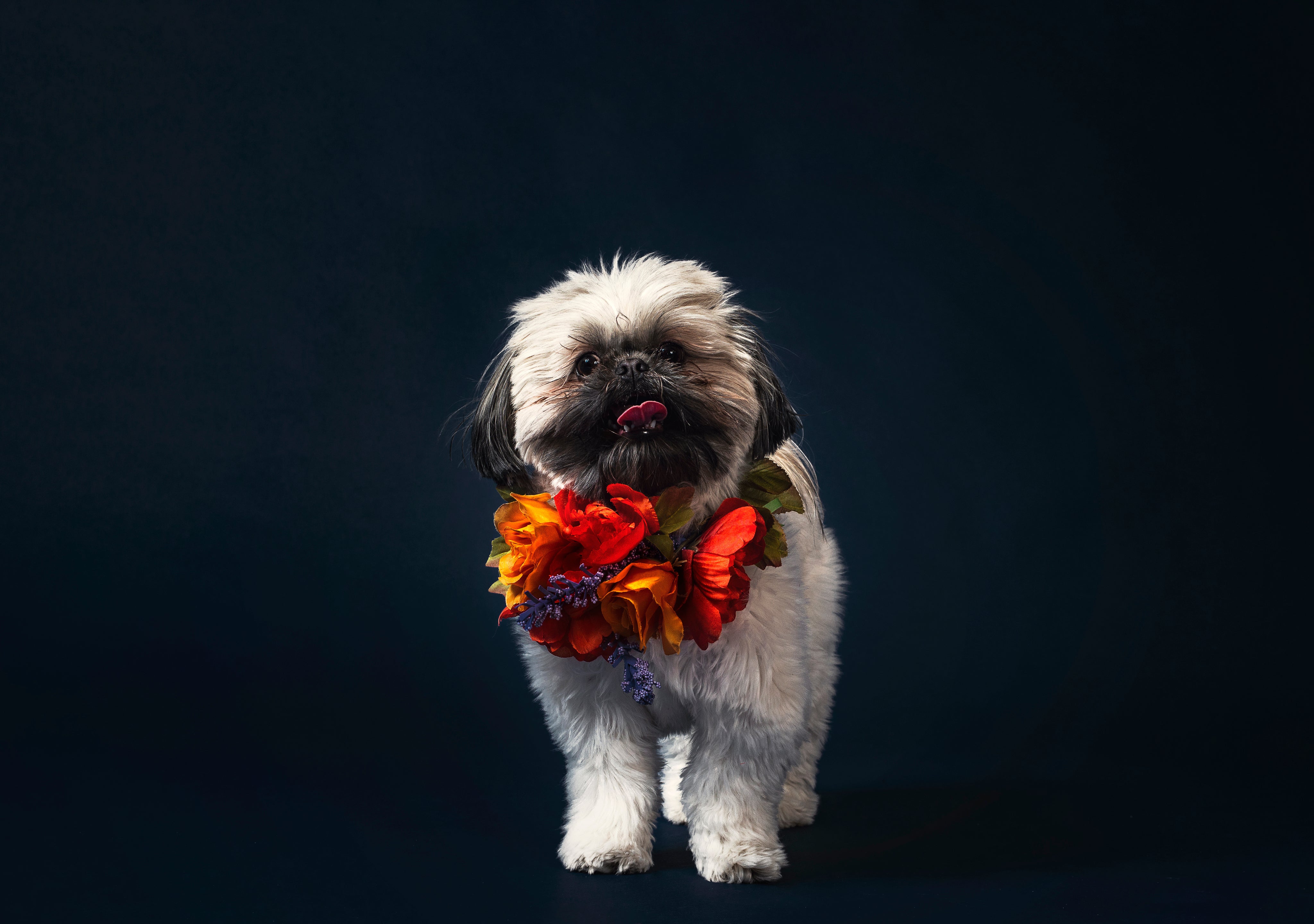
Right after a haircut. 6 year old dashund/shih Tzu mix

Great deal on flea/tick. Helps take care of my pup
Stronghold Violet For Dogs 5-10lbs (2.6-5kg)

Two sweet girlies decided to make our deck their home. Mosquitoes are a big problem where we live and we had to get them protected. This was the best bang for the buck. I’ve ordered from 79Pets several times and while delivery is not fast it is very consistent.
Revolution Plus For Medium Cats 5.6-11 lbs (2.6-5kg)

As a retired veterinary technician I was extremely happy to finally see a flea and heartworm medication that actually does tapeworms too!!!!!!! This is a 1st to my knowledge....I live in a tropical climate where fleas never die so this is heaven sent.
Nexgard Combo For Cats 5.5-16.5 lbs (2.5-7.5 kg)

Great for free delivery worldwide and it took shorter time than I expected. Thanks
Simparica Trio For Dogs 5.6-11 lbs (2.5-5 kg)

My dog is excited to have her Advocate given every month! Great customer service and we're already a returned customer!
Advocate (Advantage Multi) For Small Dog Upto 4kg 8.8lbs (4kg)

Great price, authentic quality and reliable shipping. Shipping takes a bit longer, since it is being shipped from abroad. But still a reliable service.
NexGard & Heartgard (Green) Combo Dogs 24-60 lbs (10-25 kg)

79 pets has great service, they resolved my issue when I purchased by mistake . Thank you!
Simparica Trio For Dogs 22.1-44 lbs (10-20 kg)

Very happy with the price of Stronghold heart worm med for my dog. Seems to be working well.
Stronghold Teal For Dogs 44-88lbs (20-40kg)

My dog loves this product, never got any issue. Good price , deliver on time. We will definitely keep purchasing with 79 pets.com. Thanks!
Simparica Trio For Dogs 22.1-44 lbs (10-20 kg)

Great customer service! Would definitely purchase from them again!
Advocate (Advantage Multi) For Small Dog Upto 4kg 8.8lbs (4kg)

My fur babies love being protected from fleas!
Stronghold Blue For Cats 5.7-15.5lbs (2.6-7.5kg)

No more fleas! I love it and my pets love it!
Stronghold Teal For Dogs 44-88lbs (20-40kg)

I have 3 of these little rascals so Michigan flea/tick season can be financially brutal! Thank you for keeping NexGard so affordable.
NexGard Chew For Small Dogs 10-24lbs (4-10kg)

it is so easy to order
NexGard & Heartgard (Brown) Combo Dogs 60-121 lbs (25-50 kg)

I have no difficulty to give the tablet to my dog. I want my shipping to come faster by the way.
NexGard Spectra For Small Dog 8-16 lbs (3.5-7.5kg)

Stronghold Plus keep my baby safe
Stronghold Plus For Large Cats 11 lbs to 22 lbs (5-10kg)

Thank You 79pets
Stronghold Plus For Medium Cats 5.5 lbs to 11 lbs (2.5-5kg)

Advocate can only be found here n it's easier to order online. Thanks 79!
Advocate (Advantage Multi) For Cats Over 8.8lbs (4kg)

Great product and price. Shipping updates helped, since product comes from abroad. I would definitely recommend and use it again.
NexGard & Heartgard (Green) Combo Dogs 24-60 lbs (10-25 kg)

Easy to give!
NexGard Spectra For Small Dog 8-16 lbs (3.5-7.5kg)

Stronghold Plus does exactly what it was advertised for. Effective and best product. Would highly recommend Stronghold Plus.
Stronghold Plus For Cats 5.5 lbs to 11 lbs (2.5-5kg) 3 Pack

After Seresto collars failed to get rid of fleas, I didn't know where to turn. I saw a post on a page I follow (Kentucky Kitty Cats) saying that they use Nexgard Combo for the cats they shelter. I decided to try it and IT WORKS!
Nexgard Combo for Cats 5.5-16.5 lbs (2.5-7.5 kg)

My kitty love Revolution. One of the best product for flea & ticks. Good price will definitely recommend this website.
Revolution Plus For Medium Cats 5.6-11 lbs (2.6-5kg)

Tried this the first time and the correct medication was sent on time to me. Will definitely use this site again. Thanks!
Simparica Chewables For Very Small Dogs 5.6-11 lbs (2.5-5kg)

Happy Kitty
Revolution Plus For Medium Cats 5.6-11 lbs (2.6-5kg)

As described. Value for money
Nexgard Chew Red for Large Dogs Flea & Tick 60-121 lbs. (25-50kg)

This is Lexi Marie! She was wondering why mom was so excited for buying flea medicine. I explained to her that we saved $100 and that she would understand some day when she grows up.
Revolution Plus For Large Cats 11.1-22lbs (5-10kg)

Received on time. Thank You 79Pets
Nexgard Chew Red for Large Dogs Flea & Tick 60-121 lbs. (25-50kg)

Very good experience!
Revolution Plus For Large Cats 11.1-22lbs (5-10kg)

Last year, I made a visit to the vet. I told them that Kattie/cat had ear mites. They gave me an ointment costing $80canadian. I used it up and purchased another bottle. $160. total not including the cost of the vet visit. No results. The ear mites have been there for a long time. Canadian vets have control of what is sold in Pet stores and you cannot purchase off the shelf products not recognized by them. I jumped at the chance to purchase your produce with a recommended 100% effectivity. I was willing to try, but was suspicions. After a month there was still a little scratching but after 6 weeks, the mites are gone and the scratching is gone. Thank you very much for this mite solution. I recommend it heartily. Harry P.S. Do not tell the Canadian vets as they will outlaw your product.
Revolution Plus For Medium Cats 5.6-11 lbs (2.6-5kg)