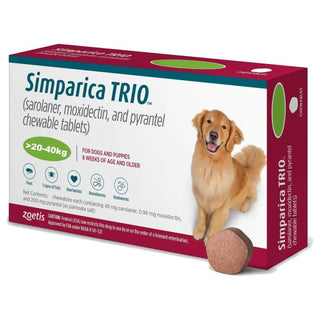
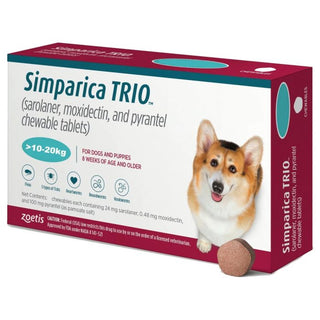


Not much to add. Dog tolerates it and price is good


Cat nausea can be easy to miss because many cats quietly hide when they do not feel well. A nauseated cat may not always vomit. Instead, they may lick their lips repeatedly, drool, turn away from food, act restless, or spend more time hiding.
While a minor digestive upset may settle on its own, nausea can sometimes point to a medical issue that requires veterinary attention. Spotting these signs early allows you to seek veterinary help sooner and support your cat’s wellbeing.
Nausea is the uncomfortable feeling of an upset stomach that may make a cat feel like vomiting. Some cats vomit after feeling nauseated, but others show only subtle signs.
Because cats cannot tell us when they feel sick, pet owners need to watch for changes in their usual eating habits, behavior, energy level, and litter box routine.
Cat nausea is not a diagnosis by itself. It is a symptom that can be caused by anything from a sudden change in diet to a more serious problem involving the kidneys, liver, pancreas, intestines, or urinary tract.
Cats often conceal pain or illness, making discomfort difficult to notice at first. Even small changes may be important, especially if they continue for more than a day.
Common signs of nausea in cats include:
A cat may show only one or two of these signs. For example, a cat that suddenly stops eating and begins to lick its lips may be nauseated even if it never vomits.
There are many possible reasons why a cat may feel nauseated. Some are mild and temporary, while others require fast veterinary treatment.
Switching cat food too quickly can upset the digestive system. A new food, new treats, rich table scraps, or too many treats at once may lead to nausea, vomiting, diarrhea, or changes in appetite.
When changing your cat’s food, introduce the new diet gradually over several days. Gradually blending the new diet into your cat’s current food can make the transition gentler on their stomach.
Hairballs are a common cause of nausea, especially in long-haired cats or cats that groom excessively. A cat may cough, gag, retch, or vomit up a tube-shaped clump of fur.
However, repeated gagging should not automatically be assumed to be a harmless hairball. Frequent hairballs or unsuccessful retching may indicate another problem, including constipation, intestinal irritation, or a blockage.
Some cats eat rapidly and then vomit shortly after a meal. Others may feel nauseated after overeating, stealing human food, or getting into spoiled food or rubbish.
Small, measured meals may help cats that eat too quickly. A slow-feeder bowl or puzzle feeder may also be useful for some cats, but speak with your veterinarian if vomiting continues.
Constipation can make cats feel uncomfortable, bloated, and nauseated. A constipated cat may strain in the litter box, pass small dry stools, visit the litter box repeatedly, or stop eating.
Do not assume a cat is constipated simply because you have not seen stool in the litter box. Straining may also indicate a urinary obstruction, a critical emergency that is especially common in male cats and requires immediate veterinary care.
Worms, Giardia, bacterial infections, and viral illnesses can upset the digestive tract and cause nausea, vomiting, diarrhea, loss of appetite, and weight loss.
Kittens, outdoor cats, newly adopted cats, and cats exposed to unfamiliar animals may have a higher risk of certain infections or parasites. Your veterinarian may recommend a fecal test and appropriate treatment.
Some cats develop nausea due to food intolerance, food allergies, or chronic inflammation in the digestive tract. These cats may have recurring vomiting, soft stools, diarrhea, reduced appetite, weight loss, or changes in coat quality.
A veterinarian may recommend a diet trial using a specially formulated food. Do not repeatedly change foods without guidance, as this can make it harder to identify the cause.
Pancreatitis is inflammation of the pancreas. In cats, it can cause nausea, poor appetite, vomiting, low energy, dehydration, abdominal discomfort, and weight loss.
The signs can be subtle, so pancreatitis may not always look dramatic. A veterinary examination and diagnostic testing are needed to confirm the condition.
Kidney disease is more common in senior cats. The resulting buildup of toxins in the bloodstream can lead to nausea. Other signs may include increased drinking, increased urination, weight loss, poor coat condition, bad breath, and reduced appetite.
A cat with chronic kidney disease may have days when they eat normally and other days when nausea affects their appetite.
Several long-term medical conditions can cause nausea in cats. Liver disease, diabetes, hyperthyroidism, and certain cancers may lead to vomiting, poor appetite, weight loss, changes in thirst, or changes in energy.
These conditions cannot be diagnosed at home. Blood tests, urine tests, imaging, and other veterinary assessments may be needed.
Cats can become nauseated after exposure to toxic plants, household cleaners, pesticides, human medications, antifreeze, essential oils, or unsafe foods.
Potential toxin exposure is an emergency. Call your veterinarian or the nearest emergency veterinary hospital without delay. Bring the packaging, plant sample, or product name when possible.
Cats may swallow string, ribbon, hair ties, small toys, plastic, rubber bands, or other non-food items. These objects can become stuck in the stomach or intestines and may cause nausea, repeated vomiting, pain, hiding, and refusal to eat.
Never pull the string from your cat’s mouth or anus. This can cause serious internal injury. Seek veterinary care urgently.
Stress can affect a cat’s digestive system. Moving home, visitors, boarding, a new pet, loud noises, travel, or changes in routine may trigger nausea in some cats.
Motion sickness may also cause drooling, vocalizing, vomiting, or restlessness during car rides. Your veterinarian can suggest safe options for cats that become sick during travel.
Contact your veterinarian promptly if your cat’s nausea does not improve within 24 hours or if the symptoms keep returning.
Get immediate veterinary help if your cat shows any of the following signs:
Cats should not go without food for long periods. Ongoing poor appetite can become dangerous, particularly for overweight cats, because it may contribute to serious liver complications.
Your veterinarian will start with a thorough physical examination and review details such as your cat’s normal diet, recent appetite or food changes, vomiting episodes, litter box routine, current medications, outdoor activity, and any exposure to toxins or swallowed objects.
Based on your cat’s signs and examination findings, your veterinarian may suggest:
Treatment depends on the underlying cause. Your vet may prescribe anti-nausea medication, fluid therapy, pain relief, dietary support, parasite treatment, antibiotics when appropriate, or treatment for a specific medical condition.
Home care should only be used for mild, short-lived symptoms in a cat that remains alert and is still willing to eat and drink. When in doubt, contact a veterinary clinic for advice.
You may be able to help by:
Do not force-feed a nauseated cat unless a veterinarian specifically instructs you to do so. Force-feeding may increase stress and can be unsafe in some situations.
Do not give your cat human anti-nausea medicine, antacids, painkillers, or herbal remedies unless your veterinarian has told you exactly what to use and how much to give. Many human medications are unsafe for cats.
Not every cause of nausea can be prevented, but a few habits can lower the risk of digestive upset.
Cat nausea may look like simple lip licking, hiding, poor appetite, drooling, or vomiting, but it should never be ignored when it lasts, returns often, or occurs with other symptoms.
A single mild episode may resolve quickly, but persistent nausea can be linked to problems such as kidney disease, pancreatitis, parasites, constipation, food sensitivity, toxin exposure, or an intestinal blockage.
The safest approach is to monitor your cat closely and contact a veterinarian whenever symptoms are severe, ongoing, or accompanied by appetite loss, vomiting, weakness, pain, or changes in urination.
Early veterinary care can help identify the cause of cat nausea and get your cat feeling comfortable again.
Overall rating: 4.8 / 5 from 1134 reviews.
Not much to add. Dog tolerates it and price is good

This is the only flea medication that works for us where we live.

This on-line company is such a good find. They provide quality products at a good price with delivering them efficiently. Definitely recommend purchasing from them.

Items arrived on time and work great!

Love stronghold

Same product at a great price

Fast shipping great quality and price

We are happy with Heartgard Plus

I’ve been using Symperica Trio for a yr now. Love it. 79 pets ships fast and prices are more affordable. Thank You

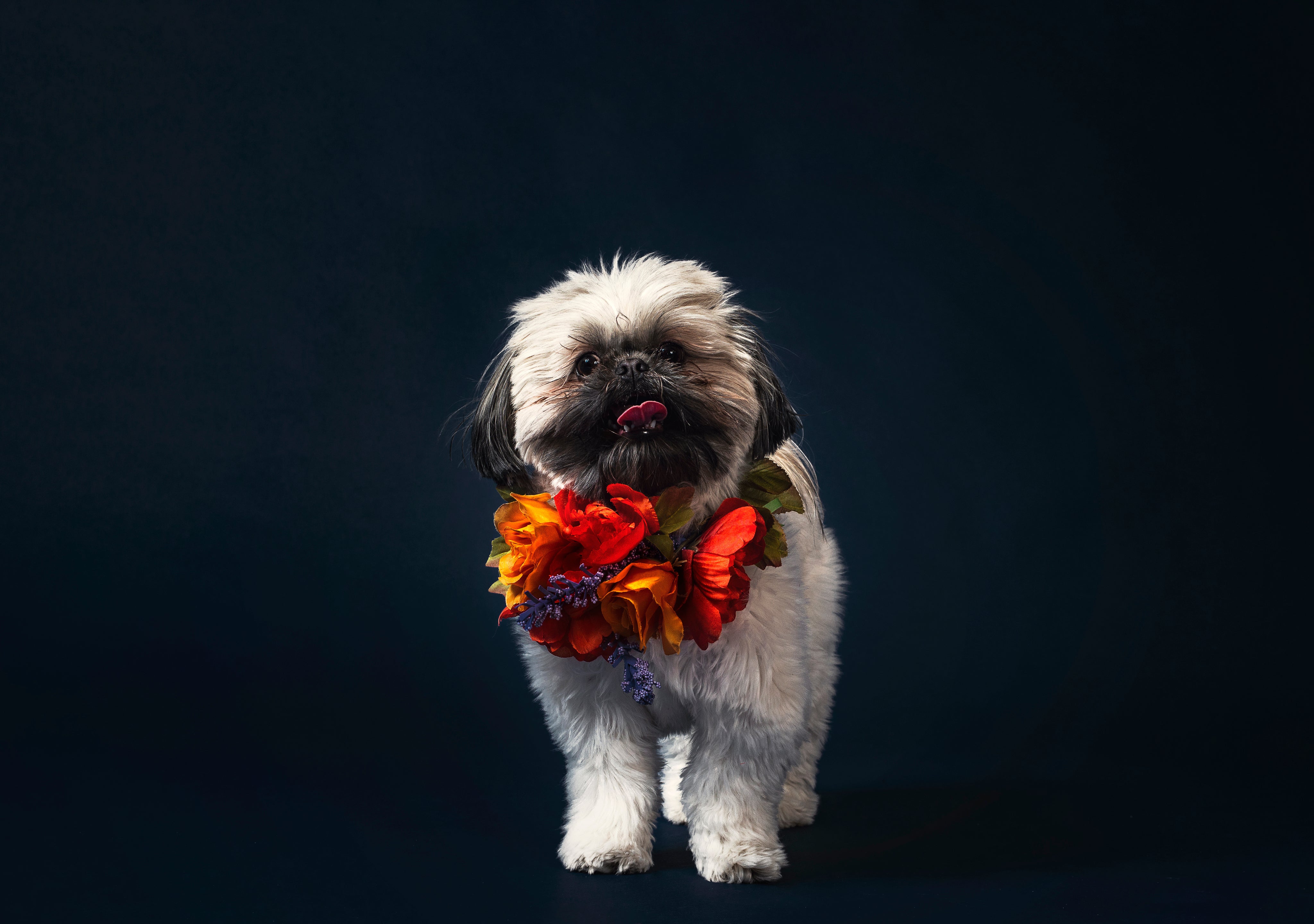
Right after a haircut. 6 year old dashund/shih Tzu mix

Great deal on flea/tick. Helps take care of my pup
Stronghold Violet For Dogs 5-10lbs (2.6-5kg)

Two sweet girlies decided to make our deck their home. Mosquitoes are a big problem where we live and we had to get them protected. This was the best bang for the buck. I’ve ordered from 79Pets several times and while delivery is not fast it is very consistent.
Revolution Plus For Medium Cats 5.6-11 lbs (2.6-5kg)

As a retired veterinary technician I was extremely happy to finally see a flea and heartworm medication that actually does tapeworms too!!!!!!! This is a 1st to my knowledge....I live in a tropical climate where fleas never die so this is heaven sent.
Nexgard Combo For Cats 5.5-16.5 lbs (2.5-7.5 kg)

Great for free delivery worldwide and it took shorter time than I expected. Thanks
Simparica Trio For Dogs 5.6-11 lbs (2.5-5 kg)

My dog is excited to have her Advocate given every month! Great customer service and we're already a returned customer!
Advocate (Advantage Multi) For Small Dog Upto 4kg 8.8lbs (4kg)

Great price, authentic quality and reliable shipping. Shipping takes a bit longer, since it is being shipped from abroad. But still a reliable service.
NexGard & Heartgard (Green) Combo Dogs 24-60 lbs (10-25 kg)

79 pets has great service, they resolved my issue when I purchased by mistake . Thank you!
Simparica Trio For Dogs 22.1-44 lbs (10-20 kg)

Very happy with the price of Stronghold heart worm med for my dog. Seems to be working well.
Stronghold Teal For Dogs 44-88lbs (20-40kg)

My dog loves this product, never got any issue. Good price , deliver on time. We will definitely keep purchasing with 79 pets.com. Thanks!
Simparica Trio For Dogs 22.1-44 lbs (10-20 kg)

Great customer service! Would definitely purchase from them again!
Advocate (Advantage Multi) For Small Dog Upto 4kg 8.8lbs (4kg)

My fur babies love being protected from fleas!
Stronghold Blue For Cats 5.7-15.5lbs (2.6-7.5kg)

No more fleas! I love it and my pets love it!
Stronghold Teal For Dogs 44-88lbs (20-40kg)

I have 3 of these little rascals so Michigan flea/tick season can be financially brutal! Thank you for keeping NexGard so affordable.
NexGard Chew For Small Dogs 10-24lbs (4-10kg)

it is so easy to order
NexGard & Heartgard (Brown) Combo Dogs 60-121 lbs (25-50 kg)

I have no difficulty to give the tablet to my dog. I want my shipping to come faster by the way.
NexGard Spectra For Small Dog 8-16 lbs (3.5-7.5kg)

Stronghold Plus keep my baby safe
Stronghold Plus For Large Cats 11 lbs to 22 lbs (5-10kg)

Thank You 79pets
Stronghold Plus For Medium Cats 5.5 lbs to 11 lbs (2.5-5kg)

Advocate can only be found here n it's easier to order online. Thanks 79!
Advocate (Advantage Multi) For Cats Over 8.8lbs (4kg)

Great product and price. Shipping updates helped, since product comes from abroad. I would definitely recommend and use it again.
NexGard & Heartgard (Green) Combo Dogs 24-60 lbs (10-25 kg)

Easy to give!
NexGard Spectra For Small Dog 8-16 lbs (3.5-7.5kg)

Stronghold Plus does exactly what it was advertised for. Effective and best product. Would highly recommend Stronghold Plus.
Stronghold Plus For Cats 5.5 lbs to 11 lbs (2.5-5kg) 3 Pack

After Seresto collars failed to get rid of fleas, I didn't know where to turn. I saw a post on a page I follow (Kentucky Kitty Cats) saying that they use Nexgard Combo for the cats they shelter. I decided to try it and IT WORKS!
Nexgard Combo for Cats 5.5-16.5 lbs (2.5-7.5 kg)

My kitty love Revolution. One of the best product for flea & ticks. Good price will definitely recommend this website.
Revolution Plus For Medium Cats 5.6-11 lbs (2.6-5kg)

Tried this the first time and the correct medication was sent on time to me. Will definitely use this site again. Thanks!
Simparica Chewables For Very Small Dogs 5.6-11 lbs (2.5-5kg)

Happy Kitty
Revolution Plus For Medium Cats 5.6-11 lbs (2.6-5kg)

As described. Value for money
Nexgard Chew Red for Large Dogs Flea & Tick 60-121 lbs. (25-50kg)

This is Lexi Marie! She was wondering why mom was so excited for buying flea medicine. I explained to her that we saved $100 and that she would understand some day when she grows up.
Revolution Plus For Large Cats 11.1-22lbs (5-10kg)

Received on time. Thank You 79Pets
Nexgard Chew Red for Large Dogs Flea & Tick 60-121 lbs. (25-50kg)

Very good experience!
Revolution Plus For Large Cats 11.1-22lbs (5-10kg)

Last year, I made a visit to the vet. I told them that Kattie/cat had ear mites. They gave me an ointment costing $80canadian. I used it up and purchased another bottle. $160. total not including the cost of the vet visit. No results. The ear mites have been there for a long time. Canadian vets have control of what is sold in Pet stores and you cannot purchase off the shelf products not recognized by them. I jumped at the chance to purchase your produce with a recommended 100% effectivity. I was willing to try, but was suspicions. After a month there was still a little scratching but after 6 weeks, the mites are gone and the scratching is gone. Thank you very much for this mite solution. I recommend it heartily. Harry P.S. Do not tell the Canadian vets as they will outlaw your product.
Revolution Plus For Medium Cats 5.6-11 lbs (2.6-5kg)