

Not much to add. Dog tolerates it and price is good


Breathing problems in cats can be alarming for any pet parent. When your cat starts panting, breathing rapidly, or making unusual sounds while inhaling or exhaling, it could be a sign of a serious underlying health issue.
Unlike dogs, cats rarely exhibit breathing difficulties unless there is a genuine issue. Understanding the causes, signs, and available treatments can help you act quickly and keep your feline friend safe.
Healthy cats breathe quietly and smoothly. The normal respiratory rate for cats is 20–30 breaths per minute while at rest. If you notice your cat breathing faster, louder, or through the mouth, it’s time to pay close attention.
Difficulty breathing in cats (medically called dyspnea) refers to labored or strained breathing. It can happen due to problems in the lungs, heart, nasal passages, or even the chest cavity.
There are three main types of breathing issues seen in cats:
There are several possible reasons your cat may struggle to breathe. Some are mild and treatable, while others require immediate veterinary attention.
1. Asthma
Just like humans, cats can suffer from asthma. Feline asthma is an allergic reaction that causes inflammation and narrowing of the airways. Common triggers include dust, smoke, pollen, perfumes, or aerosol sprays.
Signs: Wheezing, coughing (that may sound like gagging), and open-mouth breathing after activity.
2. Heart Disease
Heart diseases, such as congestive heart failure, may cause fluid accumulation around the lungs or within the chest, leading to breathing difficulties in cats.
Signs: Rapid breathing, lethargy, blue or pale gums, and reluctance to move.
3. Respiratory Infections
Upper respiratory infections are common, especially in kittens or shelter cats. Most of these infections are triggered by viral agents, such as feline herpesvirus or calicivirus.
Signs: Sneezing, nasal discharge, watery eyes, and noisy breathing.
4. Pleural Effusion
This is a condition where fluid accumulates around the lungs, preventing them from expanding properly. It may occur due to infection, trauma, or heart issues.
Signs: Shallow breathing, reluctance to lie down, and an extended neck while breathing.
5. Foreign Object in Airway
Sometimes, cats accidentally inhale small objects, such as grass blades or bits of food, which can block their airways and cause immediate distress.
Signs: Sudden coughing, gagging, pawing at the mouth, or panic.
6. Allergic Reaction
Allergies to insect bites, food, or environmental triggers can cause swelling around the face or throat, making it difficult to breathe.
Signs: Facial swelling, drooling, vomiting, or collapse in severe cases.
7. Tumors or Growths
Masses in the nasal passages, throat, or lungs can obstruct airflow. These are more common in older cats.
Signs: Persistent nasal congestion, noisy breathing, weight loss, and decreased appetite.
Here are some warning signs that your cat may be struggling to breathe:
If you notice any of these symptoms, take your cat to a veterinarian immediately. Breathing issues can escalate quickly and become life-threatening.
When you bring your cat to the vet, they will start by checking the breathing rate, heart sounds, and oxygen levels. Depending on the symptoms, they may perform:
The vet may initially place your cat in an oxygen chamber if breathing is severely compromised.
Treatment depends on the underlying cause:
Early and proper treatment can significantly improve your cat’s comfort and accelerate recovery.
After your vet visit, follow these tips to support your cat’s respiratory health:
When to Seek Emergency Help
Take your cat to the vet or an emergency clinic right away if you notice:
Cats often hide their discomfort, so by the time you notice breathing issues, it may already be a serious problem. Quick action can save your cat’s life.
Difficulty breathing in cats is never something to ignore. Whether it’s due to asthma, infection, or heart problems, timely veterinary care is essential. Keeping your cat’s environment clean, allergen-free, and stress-free can prevent many respiratory problems.
If your cat is showing any signs of labored breathing, don’t delay—consult your veterinarian immediately to ensure your furry friend can breathe easy again.
Overall rating: 4.8 / 5 from 1134 reviews.
Not much to add. Dog tolerates it and price is good

This is the only flea medication that works for us where we live.

This on-line company is such a good find. They provide quality products at a good price with delivering them efficiently. Definitely recommend purchasing from them.

Items arrived on time and work great!

Love stronghold

Same product at a great price

Fast shipping great quality and price

We are happy with Heartgard Plus

I’ve been using Symperica Trio for a yr now. Love it. 79 pets ships fast and prices are more affordable. Thank You

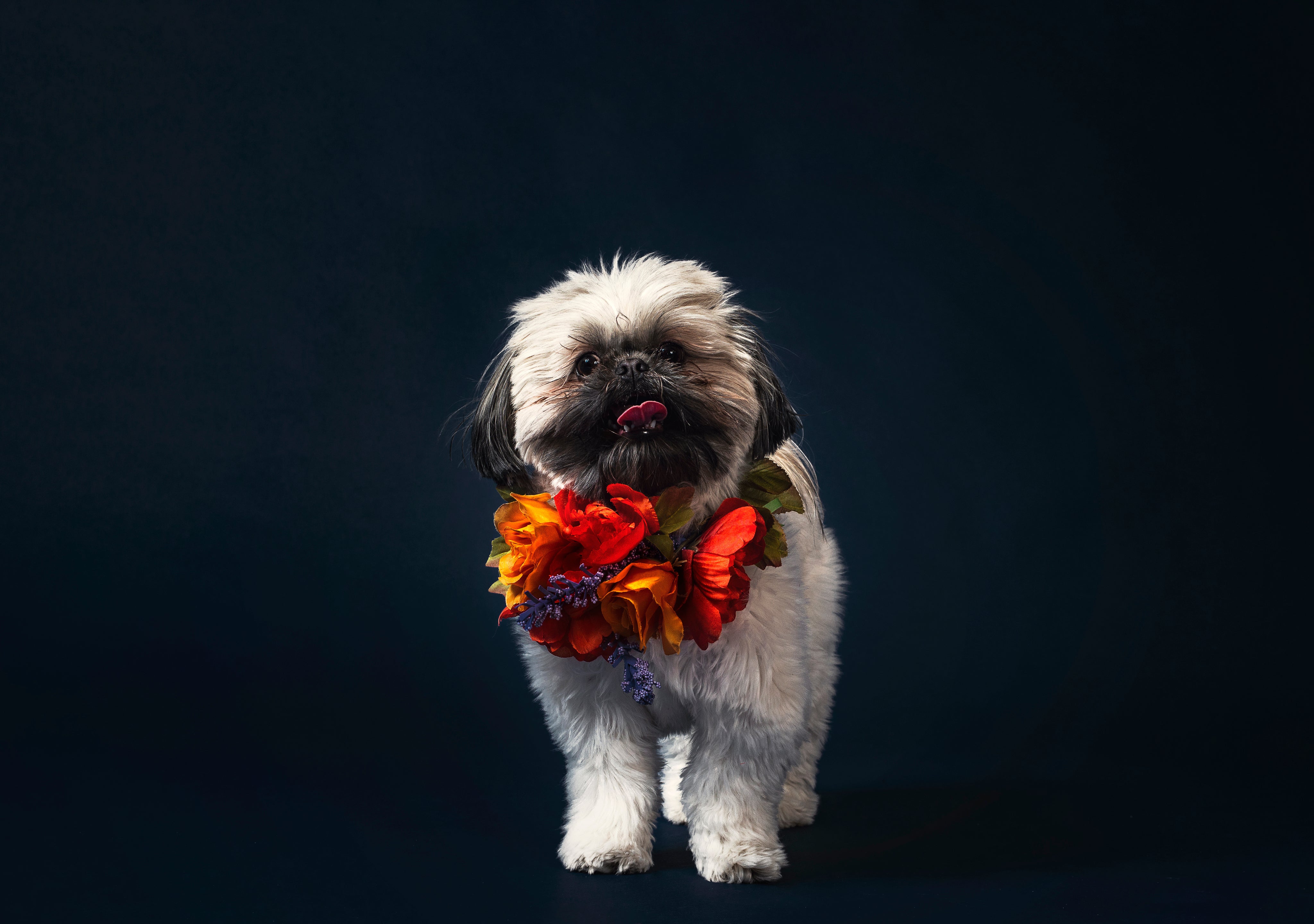
Right after a haircut. 6 year old dashund/shih Tzu mix

Great deal on flea/tick. Helps take care of my pup
Stronghold Violet For Dogs 5-10lbs (2.6-5kg)

Two sweet girlies decided to make our deck their home. Mosquitoes are a big problem where we live and we had to get them protected. This was the best bang for the buck. I’ve ordered from 79Pets several times and while delivery is not fast it is very consistent.
Revolution Plus For Medium Cats 5.6-11 lbs (2.6-5kg)

As a retired veterinary technician I was extremely happy to finally see a flea and heartworm medication that actually does tapeworms too!!!!!!! This is a 1st to my knowledge....I live in a tropical climate where fleas never die so this is heaven sent.
Nexgard Combo For Cats 5.5-16.5 lbs (2.5-7.5 kg)

Great for free delivery worldwide and it took shorter time than I expected. Thanks
Simparica Trio For Dogs 5.6-11 lbs (2.5-5 kg)

My dog is excited to have her Advocate given every month! Great customer service and we're already a returned customer!
Advocate (Advantage Multi) For Small Dog Upto 4kg 8.8lbs (4kg)

Great price, authentic quality and reliable shipping. Shipping takes a bit longer, since it is being shipped from abroad. But still a reliable service.
NexGard & Heartgard (Green) Combo Dogs 24-60 lbs (10-25 kg)

79 pets has great service, they resolved my issue when I purchased by mistake . Thank you!
Simparica Trio For Dogs 22.1-44 lbs (10-20 kg)

Very happy with the price of Stronghold heart worm med for my dog. Seems to be working well.
Stronghold Teal For Dogs 44-88lbs (20-40kg)

My dog loves this product, never got any issue. Good price , deliver on time. We will definitely keep purchasing with 79 pets.com. Thanks!
Simparica Trio For Dogs 22.1-44 lbs (10-20 kg)

Great customer service! Would definitely purchase from them again!
Advocate (Advantage Multi) For Small Dog Upto 4kg 8.8lbs (4kg)

My fur babies love being protected from fleas!
Stronghold Blue For Cats 5.7-15.5lbs (2.6-7.5kg)

No more fleas! I love it and my pets love it!
Stronghold Teal For Dogs 44-88lbs (20-40kg)

I have 3 of these little rascals so Michigan flea/tick season can be financially brutal! Thank you for keeping NexGard so affordable.
NexGard Chew For Small Dogs 10-24lbs (4-10kg)

it is so easy to order
NexGard & Heartgard (Brown) Combo Dogs 60-121 lbs (25-50 kg)

I have no difficulty to give the tablet to my dog. I want my shipping to come faster by the way.
NexGard Spectra For Small Dog 8-16 lbs (3.5-7.5kg)

Stronghold Plus keep my baby safe
Stronghold Plus For Large Cats 11 lbs to 22 lbs (5-10kg)

Thank You 79pets
Stronghold Plus For Medium Cats 5.5 lbs to 11 lbs (2.5-5kg)

Advocate can only be found here n it's easier to order online. Thanks 79!
Advocate (Advantage Multi) For Cats Over 8.8lbs (4kg)

Great product and price. Shipping updates helped, since product comes from abroad. I would definitely recommend and use it again.
NexGard & Heartgard (Green) Combo Dogs 24-60 lbs (10-25 kg)

Easy to give!
NexGard Spectra For Small Dog 8-16 lbs (3.5-7.5kg)

Stronghold Plus does exactly what it was advertised for. Effective and best product. Would highly recommend Stronghold Plus.
Stronghold Plus For Cats 5.5 lbs to 11 lbs (2.5-5kg) 3 Pack

After Seresto collars failed to get rid of fleas, I didn't know where to turn. I saw a post on a page I follow (Kentucky Kitty Cats) saying that they use Nexgard Combo for the cats they shelter. I decided to try it and IT WORKS!
Nexgard Combo for Cats 5.5-16.5 lbs (2.5-7.5 kg)

My kitty love Revolution. One of the best product for flea & ticks. Good price will definitely recommend this website.
Revolution Plus For Medium Cats 5.6-11 lbs (2.6-5kg)

Tried this the first time and the correct medication was sent on time to me. Will definitely use this site again. Thanks!
Simparica Chewables For Very Small Dogs 5.6-11 lbs (2.5-5kg)

Happy Kitty
Revolution Plus For Medium Cats 5.6-11 lbs (2.6-5kg)

As described. Value for money
Nexgard Chew Red for Large Dogs Flea & Tick 60-121 lbs. (25-50kg)

This is Lexi Marie! She was wondering why mom was so excited for buying flea medicine. I explained to her that we saved $100 and that she would understand some day when she grows up.
Revolution Plus For Large Cats 11.1-22lbs (5-10kg)

Received on time. Thank You 79Pets
Nexgard Chew Red for Large Dogs Flea & Tick 60-121 lbs. (25-50kg)

Very good experience!
Revolution Plus For Large Cats 11.1-22lbs (5-10kg)

Last year, I made a visit to the vet. I told them that Kattie/cat had ear mites. They gave me an ointment costing $80canadian. I used it up and purchased another bottle. $160. total not including the cost of the vet visit. No results. The ear mites have been there for a long time. Canadian vets have control of what is sold in Pet stores and you cannot purchase off the shelf products not recognized by them. I jumped at the chance to purchase your produce with a recommended 100% effectivity. I was willing to try, but was suspicions. After a month there was still a little scratching but after 6 weeks, the mites are gone and the scratching is gone. Thank you very much for this mite solution. I recommend it heartily. Harry P.S. Do not tell the Canadian vets as they will outlaw your product.
Revolution Plus For Medium Cats 5.6-11 lbs (2.6-5kg)