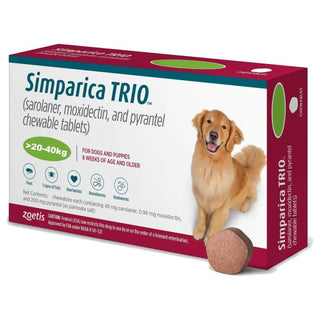
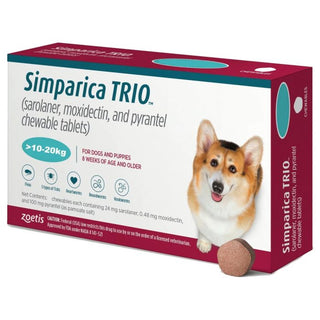


Not much to add. Dog tolerates it and price is good


Cats can be picky eaters, but a cat refusing food should never be ignored. While some cats may skip a meal because they dislike a new flavor or feel stressed by a change at home, loss of appetite can also be an early sign of pain, illness, digestive trouble, or another health concern.
Because cats rely on regular nutrition to stay healthy, even a short period without eating can become serious, especially for kittens, senior cats, overweight cats, or cats with existing medical conditions. Understanding the possible reasons can help you decide when to try simple feeding adjustments and when to contact your veterinarian.
A healthy adult cat may occasionally eat less than usual, especially if the weather is warm, the food has changed, or their routine has been disrupted. However, cats are not like some animals that can safely go long periods without food.
If your cat refuses food for more than 24 hours, or if they are also vomiting, hiding, losing weight, acting weak, drinking less, or behaving unusually, it is best to speak with a veterinarian. Appetite loss is not a disease by itself, but it is often a warning sign that something else may be wrong.
Many health problems can cause a cat to lose interest in food. Fever, viral infections, kidney disease, liver disease, diabetes, inflammation, and other internal issues may reduce appetite. Cats are also very good at hiding discomfort, so refusing food may be one of the first signs owners notice.
Watch for other symptoms such as:
If any of these signs appear with appetite loss, veterinary care is important.
Cats may want to eat but avoid food because chewing hurts. Dental disease, gum inflammation, mouth ulcers, broken teeth, or oral injuries can make eating uncomfortable.
Possible signs of mouth pain include:
Dental problems can worsen if untreated, so a vet exam is recommended if you suspect mouth pain.
Cats may refuse food when their stomach or intestines are irritated. Hairballs, constipation, nausea, parasites, food intolerance, or eating something unusual can all affect appetite.
A cat with digestive discomfort may vomit, strain in the litter box, produce hard stools, have diarrhea, or seem restless. If the problem continues or your cat cannot keep food or water down, contact your vet.
Cats are sensitive to changes in their surroundings. Even small disruptions can affect their eating habits.
Common stress triggers include:
A stressed cat may hide, groom more or less than usual, become less playful, or avoid shared areas. Creating a calm feeding space can help, but ongoing refusal to eat should still be taken seriously.
Some cats dislike sudden changes in food flavor, texture, smell, or temperature. A new recipe, a different brand, a changed kibble shape, or even a new batch of food may cause rejection.
Cats may also refuse food if it is stale, stored incorrectly, served too cold, or placed near a dirty bowl. Wet food left out too long may lose its smell and become less appealing.
If you recently changed your cat’s diet, transition slowly by mixing the new food with the old food over several days, unless your veterinarian gives different instructions.
Cats depend heavily on smell when deciding whether to eat. If your cat has a stuffy nose, is sneezing, has nasal discharge, or has an upper respiratory infection, food may become less appealing because they cannot smell it properly.
Soft, slightly warmed food may help release aroma, but cats with breathing issues, eye discharge, fever, or ongoing appetite loss should be checked by a vet.
Pain anywhere in the body can reduce appetite. Arthritis, injuries, abdominal pain, wounds, or internal discomfort may make a cat less willing to move toward the food bowl or sit in a normal eating position.
Senior cats may struggle if food and water bowls are hard to reach. Placing bowls in an easy, quiet location may help, but unexplained appetite loss in older cats should always be evaluated.
When cats stop eating, their bodies may begin breaking down fat for energy. In some cats, especially overweight cats, this can increase the risk of hepatic lipidosis, also known as fatty liver disease. This is a serious condition that can become life-threatening without treatment.
That is why a cat refusing food should not be treated as simple picky behavior for too long. Early action can prevent a minor problem from becoming more serious.
If your cat has skipped one meal but is otherwise bright, alert, drinking normally, and showing no other symptoms, you can try a few gentle steps.
Replace old food with a fresh portion. Wash the bowl well, especially if wet food was left sitting out. Cats can be very sensitive to smell, and leftover residue may discourage them from eating.
Warming wet food for a few seconds can make it smell more appealing. Always stir it and test the temperature before serving. The food should be warm, not hot.
Some cats prefer pâté, while others like chunks, gravy, shredded food, or kibble. If your cat is refusing one texture, offering another may help.
Place the food bowl in a calm, low-traffic area away from litter boxes, loud appliances, dogs, or other cats. Multi-cat households may need separate feeding spaces to reduce stress.
Feed your cat at regular times. Sudden schedule changes can make some cats anxious and less interested in food.
Too many treats can reduce interest in balanced meals. Treats should only make up a small part of your cat’s overall diet.
Do not force-feed your cat unless your veterinarian specifically instructs you. Force-feeding can cause stress and may be unsafe if your cat is nauseous, weak, or having trouble swallowing.
Do not give human medication, appetite stimulants, or home remedies without veterinary advice. Some products that are safe for people or dogs can be dangerous for cats.
Do not wait several days hoping your cat will start eating again, especially if your cat is young, elderly, overweight, pregnant, or already has a health condition.
Contact your veterinarian if:
If your cat is not eating and also seems very weak, dehydrated, or in pain, seek urgent veterinary care.
Your veterinarian may ask about your cat’s diet, recent food changes, home environment, litter box habits, behavior, and any symptoms you have noticed. They may also perform a physical exam, check the mouth and teeth, and recommend tests such as blood work, urine testing, fecal testing, X-rays, or ultrasound, depending on the situation.
Treatment depends on the cause. Some cats may need medication, dental care, fluids, nausea treatment, nutritional support, or a special diet.
You cannot prevent every illness, but you can reduce some common appetite-related issues with good daily care.
Small changes in appetite can be important clues. Paying attention early can help you protect your cat’s health.
A cat refusing to eat may be reacting to stress, changes in diet, dental pain, digestive upset, or an underlying illness. While one skipped meal may not always be an emergency, appetite loss should be monitored closely.
If your cat does not eat for more than 24 hours or shows other symptoms, contact your veterinarian. Quick action can help identify the cause, prevent complications, and get your cat safely back to eating again.

Overall rating: 4.8 / 5 from 1134 reviews.
Not much to add. Dog tolerates it and price is good

This is the only flea medication that works for us where we live.

This on-line company is such a good find. They provide quality products at a good price with delivering them efficiently. Definitely recommend purchasing from them.

Items arrived on time and work great!

Love stronghold

Same product at a great price

Fast shipping great quality and price

We are happy with Heartgard Plus

I’ve been using Symperica Trio for a yr now. Love it. 79 pets ships fast and prices are more affordable. Thank You

Right after a haircut. 6 year old dashund/shih Tzu mix

Great deal on flea/tick. Helps take care of my pup
Stronghold Violet For Dogs 5-10lbs (2.6-5kg)

Two sweet girlies decided to make our deck their home. Mosquitoes are a big problem where we live and we had to get them protected. This was the best bang for the buck. I’ve ordered from 79Pets several times and while delivery is not fast it is very consistent.
Revolution Plus For Medium Cats 5.6-11 lbs (2.6-5kg)

As a retired veterinary technician I was extremely happy to finally see a flea and heartworm medication that actually does tapeworms too!!!!!!! This is a 1st to my knowledge....I live in a tropical climate where fleas never die so this is heaven sent.
Nexgard Combo For Cats 5.5-16.5 lbs (2.5-7.5 kg)

Great for free delivery worldwide and it took shorter time than I expected. Thanks
Simparica Trio For Dogs 5.6-11 lbs (2.5-5 kg)

My dog is excited to have her Advocate given every month! Great customer service and we're already a returned customer!
Advocate (Advantage Multi) For Small Dog Upto 4kg 8.8lbs (4kg)

Great price, authentic quality and reliable shipping. Shipping takes a bit longer, since it is being shipped from abroad. But still a reliable service.
NexGard & Heartgard (Green) Combo Dogs 24-60 lbs (10-25 kg)

79 pets has great service, they resolved my issue when I purchased by mistake . Thank you!
Simparica Trio For Dogs 22.1-44 lbs (10-20 kg)

Very happy with the price of Stronghold heart worm med for my dog. Seems to be working well.
Stronghold Teal For Dogs 44-88lbs (20-40kg)

My dog loves this product, never got any issue. Good price , deliver on time. We will definitely keep purchasing with 79 pets.com. Thanks!
Simparica Trio For Dogs 22.1-44 lbs (10-20 kg)

Great customer service! Would definitely purchase from them again!
Advocate (Advantage Multi) For Small Dog Upto 4kg 8.8lbs (4kg)

My fur babies love being protected from fleas!
Stronghold Blue For Cats 5.7-15.5lbs (2.6-7.5kg)

No more fleas! I love it and my pets love it!
Stronghold Teal For Dogs 44-88lbs (20-40kg)

I have 3 of these little rascals so Michigan flea/tick season can be financially brutal! Thank you for keeping NexGard so affordable.
NexGard Chew For Small Dogs 10-24lbs (4-10kg)

it is so easy to order
NexGard & Heartgard (Brown) Combo Dogs 60-121 lbs (25-50 kg)

I have no difficulty to give the tablet to my dog. I want my shipping to come faster by the way.
NexGard Spectra For Small Dog 8-16 lbs (3.5-7.5kg)

Stronghold Plus keep my baby safe
Stronghold Plus For Large Cats 11 lbs to 22 lbs (5-10kg)

Thank You 79pets
Stronghold Plus For Medium Cats 5.5 lbs to 11 lbs (2.5-5kg)

Advocate can only be found here n it's easier to order online. Thanks 79!
Advocate (Advantage Multi) For Cats Over 8.8lbs (4kg)

Great product and price. Shipping updates helped, since product comes from abroad. I would definitely recommend and use it again.
NexGard & Heartgard (Green) Combo Dogs 24-60 lbs (10-25 kg)

Easy to give!
NexGard Spectra For Small Dog 8-16 lbs (3.5-7.5kg)

Stronghold Plus does exactly what it was advertised for. Effective and best product. Would highly recommend Stronghold Plus.
Stronghold Plus For Cats 5.5 lbs to 11 lbs (2.5-5kg) 3 Pack

After Seresto collars failed to get rid of fleas, I didn't know where to turn. I saw a post on a page I follow (Kentucky Kitty Cats) saying that they use Nexgard Combo for the cats they shelter. I decided to try it and IT WORKS!
Nexgard Combo for Cats 5.5-16.5 lbs (2.5-7.5 kg)

My kitty love Revolution. One of the best product for flea & ticks. Good price will definitely recommend this website.
Revolution Plus For Medium Cats 5.6-11 lbs (2.6-5kg)

Tried this the first time and the correct medication was sent on time to me. Will definitely use this site again. Thanks!
Simparica Chewables For Very Small Dogs 5.6-11 lbs (2.5-5kg)

Happy Kitty
Revolution Plus For Medium Cats 5.6-11 lbs (2.6-5kg)

As described. Value for money
Nexgard Chew Red for Large Dogs Flea & Tick 60-121 lbs. (25-50kg)

This is Lexi Marie! She was wondering why mom was so excited for buying flea medicine. I explained to her that we saved $100 and that she would understand some day when she grows up.
Revolution Plus For Large Cats 11.1-22lbs (5-10kg)

Received on time. Thank You 79Pets
Nexgard Chew Red for Large Dogs Flea & Tick 60-121 lbs. (25-50kg)

Very good experience!
Revolution Plus For Large Cats 11.1-22lbs (5-10kg)

Last year, I made a visit to the vet. I told them that Kattie/cat had ear mites. They gave me an ointment costing $80canadian. I used it up and purchased another bottle. $160. total not including the cost of the vet visit. No results. The ear mites have been there for a long time. Canadian vets have control of what is sold in Pet stores and you cannot purchase off the shelf products not recognized by them. I jumped at the chance to purchase your produce with a recommended 100% effectivity. I was willing to try, but was suspicions. After a month there was still a little scratching but after 6 weeks, the mites are gone and the scratching is gone. Thank you very much for this mite solution. I recommend it heartily. Harry P.S. Do not tell the Canadian vets as they will outlaw your product.
Revolution Plus For Medium Cats 5.6-11 lbs (2.6-5kg)