

Not much to add. Dog tolerates it and price is good


Many dogs need more than a short daily walk to feel physically satisfied and mentally fulfilled. For energetic, athletic, and highly driven dogs, structured sports can provide an exciting outlet for their natural abilities.
Extreme sports for dogs are fast-paced, skill-based activities that may involve jumping, running, swimming, retrieving, climbing, pulling, balancing, or navigating obstacles. Some are competitive, while others can simply be enjoyed as a fun hobby with your dog.
The best dog sport is not necessarily the most intense one. It is the activity that suits your dog’s body, personality, confidence level, and interests.
Whether your dog loves water, has endless energy, enjoys chasing toys, or thrives on learning new skills, there may be a dog sport that helps them stay active while strengthening your bond.
Extreme sports for dogs are challenging physical activities that test a dog’s speed, athletic ability, focus, endurance, coordination, and teamwork with their owner or handler.
These activities can range from obstacle courses and jumping events to water sports and pulling sports. Many organized dog sports include competitions, scoring systems, titles, and championships, but competition is not required.
You can participate casually through local training clubs, dog sport facilities, or supervised beginner classes.
For most dogs, the biggest benefits are not trophies. Dog sports can help provide:
A bored dog may bark excessively, chew furniture, dig, pace, or constantly demand attention. Giving your dog a safe, appropriate activity can help channel their energy into something rewarding.
Not every dog needs or enjoys a high-intensity sport. A dog should never be forced into an activity that makes them scared, overwhelmed, or physically uncomfortable.
Before beginning a demanding activity, consider your dog’s:
A veterinary health check is a smart first step, especially for puppies, senior dogs, overweight dogs, brachycephalic breeds, or dogs with arthritis, heart conditions, breathing concerns, spinal problems, or previous injuries.
Puppies should not be pushed into repetitive jumping, intense running, or high-impact training while their bodies are still developing. Senior dogs may still enjoy sports, but lower-impact activities are often safer.
Your dog’s body language matters too. A dog who repeatedly freezes, hides, avoids equipment, refuses to participate, or appears distressed may not be enjoying the activity.
The goal should always be fun, confidence, and safety—not pressure.

Dog agility is one of the best-known canine sports. In agility, dogs move through an obstacle course with guidance from their handler.
A typical course may include:
The handler directs the dog using movement, voice cues, and body language. Dogs are judged on speed, accuracy, and their ability to complete the course correctly.
Agility is a fantastic sport for dogs that love learning, running, and working closely with their owner. It can improve coordination, focus, recall, confidence, and communication.
However, agility can be physically demanding. Proper instruction is important because unsafe jumping, poor landing technique, or rushed training may increase the risk of injury.
Agility may suit active dogs such as Border Collies, Australian Shepherds, Shetland Sheepdogs, Golden Retrievers, Poodles, Jack Russell Terriers, and many healthy mixed-breed dogs.

Dock diving is a water-based sport for dogs that love swimming, retrieving, and jumping.
In this activity, a dog runs along a dock and leaps into a pool or body of water, usually while chasing a toy. Depending on the event, dogs may be judged on the distance of their jump, height, speed, or ability to grab an object suspended above the water.
Dock diving is especially appealing to dogs that are enthusiastic swimmers and highly motivated by toys.
Popular dock-diving dogs often include Labrador Retrievers, Golden Retrievers, Belgian Malinois, Whippets, and mixed-breed dogs. However, breed is less important than enthusiasm, fitness, and confidence in safe water.
Never force a dog to jump into water. Start slowly by helping your dog build positive associations with swimming, retrieving, and entering water safely.
A properly fitted canine life jacket can offer extra support, particularly for beginner swimmers or dogs training in open water.

Flyball is a high-speed relay race for dogs that are quick, energetic, and obsessed with tennis balls.
A flyball team usually includes four dogs. Each dog races over hurdles, triggers a spring-loaded box with its paws, catches the released ball, and races back over the hurdles before the next dog begins.
This sport requires speed, excitement, focus, and teamwork. It can be a great outlet for dogs that love retrieving and thrive in a fast-paced environment.
Flyball is often suitable for athletic, toy-driven dogs, including mixed breeds. However, the activity involves sprinting, jumping, turning, and high excitement, so dogs need proper physical conditioning.
Because the sport can be noisy and busy, it may not be ideal for dogs who are fearful, reactive, or easily overwhelmed around other dogs.

Disc dog, often called canine frisbee, combines retrieving, jumping, speed, and teamwork.
The basic idea is simple: the handler throws a disc, and the dog catches it. At more advanced levels, dogs may perform trick catches, long-distance retrieves, obstacle work, and choreographed routines.
Disc dog can be a thrilling sport for dogs with strong chase instincts and a love of fetch.
However, safety is extremely important. Repeated high jumps, twisting in the air, or awkward landings can strain the joints and spine. Beginners should focus on low, controlled throws and safe catching techniques rather than dramatic leaps.
A soft, dog-safe disc is better than a hard plastic frisbee, which can damage teeth or injure the mouth.
Disc dog is usually best for healthy adult dogs with good fitness and coordination.

Lure coursing is designed for dogs with a strong instinct to chase moving objects.
In this sport, a mechanical lure—often a plastic bag or similar object—moves quickly across an open field. The dog chases the lure as it changes direction and travels around the course.
Lure coursing is especially popular with sighthounds, such as Greyhounds, Whippets, Salukis, Afghan Hounds, and Borzois. These breeds were developed to chase prey using their eyesight and speed.
Some clubs offer related activities for other breeds and mixed-breed dogs, allowing more dogs to experience the excitement of chasing a moving lure in a controlled environment.
Because dogs can reach high speeds, secure fencing, clear terrain, and proper supervision are essential. Dogs should also be physically fit before participating.

Treibball is sometimes described as urban herding. Instead of moving sheep, dogs use their nose, shoulders, and body position to push large inflatable exercise balls into a goal.
The handler gives directions from a distance, and the dog learns to move the balls in a specific order.
This sport is ideal for dogs that enjoy problem-solving, listening to cues, and working with their owner. Herding breeds often enjoy treibball, but any dog can learn it.
Treibball can be especially useful for dogs that need a mentally stimulating activity without constant jumping or intense physical impact.
It may also suit dogs that find busy group environments stressful, as training can often be done with one dog and one handler at a time.

Canicross is a running sport in which a dog wears a pulling harness and runs ahead of their owner, who is connected to the dog by a hands-free belt and bungee line.
Skijoring follows a similar idea but takes place on snow. The dog pulls a person on cross-country skis.
These sports are ideal for dogs that love running and naturally enjoy pulling. Northern breeds, athletic working dogs, and high-endurance dogs may enjoy these activities, but any healthy dog with suitable conditioning can participate.
A proper pulling harness is essential. Never use a standard collar for pulling sports, as this can place pressure on the neck and throat.
Training should begin gradually. Dogs need to learn commands such as stop, slow down, turn left, turn right, and keep moving safely around distractions.
In hot climates, avoid intense running during the warmest parts of the day. Dogs can overheat quickly, especially in humid weather.

Dog surfing is exactly what it sounds like: dogs ride waves on specially designed surfboards, either alone or with their owner.
It may look like a novelty activity, but dog surfing requires confidence in water, balance, proper supervision, and careful safety planning.
Dogs should wear a well-fitting life jacket and should never be tied to or leashed to the surfboard. A leash can become dangerous if the board moves unexpectedly or the dog becomes tangled.
Dog surfing is best suited to dogs that genuinely enjoy water. A dog that is frightened by waves, avoids entering the sea, or panics in moving water should not be pressured to participate.
For beginner dogs, shallow water, calm conditions, short sessions, and positive reinforcement are the safest way to start.
The right activity depends on what your dog naturally enjoys.
A dog who loves water may enjoy dock diving or swimming-based sports. A dog that loves chasing toys may enjoy flyball, disc dog, or lure coursing. A dog that enjoys solving puzzles and following instructions may thrive in agility or treibball.
Consider these questions before choosing a sport:
You may need to try more than one activity before finding the best match.
Dog sports can be exciting, but safety should always come first.
Before joining a sport, your dog should understand basic cues such as:
Reliable recall is especially important for outdoor sports, water activities, and events involving fast movement.
Do not expect your dog to perform like an athlete on the first day. Start with short sessions and gradually increase intensity as your dog gains strength, coordination, and confidence.
Warm-up exercises, walking, light trotting, and gentle stretching can help prepare a dog’s body before demanding activity.
Stop the activity and allow your dog to rest if you notice:
Seek veterinary attention promptly if your dog collapses, struggles to breathe, appears severely overheated, or has signs of injury.
Dogs can overheat quickly, particularly in hot and humid weather. Bring fresh water, choose cooler times of day, and take frequent breaks.
Avoid intense exercise on hot pavement, as it can burn paw pads and quickly raise body temperature.
The right equipment can reduce injury risk. Depending on the sport, this may include:
Never use damaged equipment or force your dog to use obstacles that are too high, unstable, or unsuitable for their size.
Extreme sports for dogs can be an excellent way to give active dogs a healthy challenge. They provide exercise, mental stimulation, confidence-building, and valuable time together.
From agility and dock diving to disc dog, flyball, treibball, and dog surfing, there are many ways to help your dog explore their athletic side.
The key is choosing an activity that your dog truly enjoys. Start slowly, train safely, listen to your dog’s body language, and focus on fun rather than performance.
A happy dog does not need to become a champion. Sometimes, the biggest win is seeing your dog excited, confident, and content after doing something they love.
Overall rating: 4.8 / 5 from 1134 reviews.
Not much to add. Dog tolerates it and price is good

This is the only flea medication that works for us where we live.

This on-line company is such a good find. They provide quality products at a good price with delivering them efficiently. Definitely recommend purchasing from them.

Items arrived on time and work great!

Love stronghold

Same product at a great price

Fast shipping great quality and price

We are happy with Heartgard Plus

I’ve been using Symperica Trio for a yr now. Love it. 79 pets ships fast and prices are more affordable. Thank You

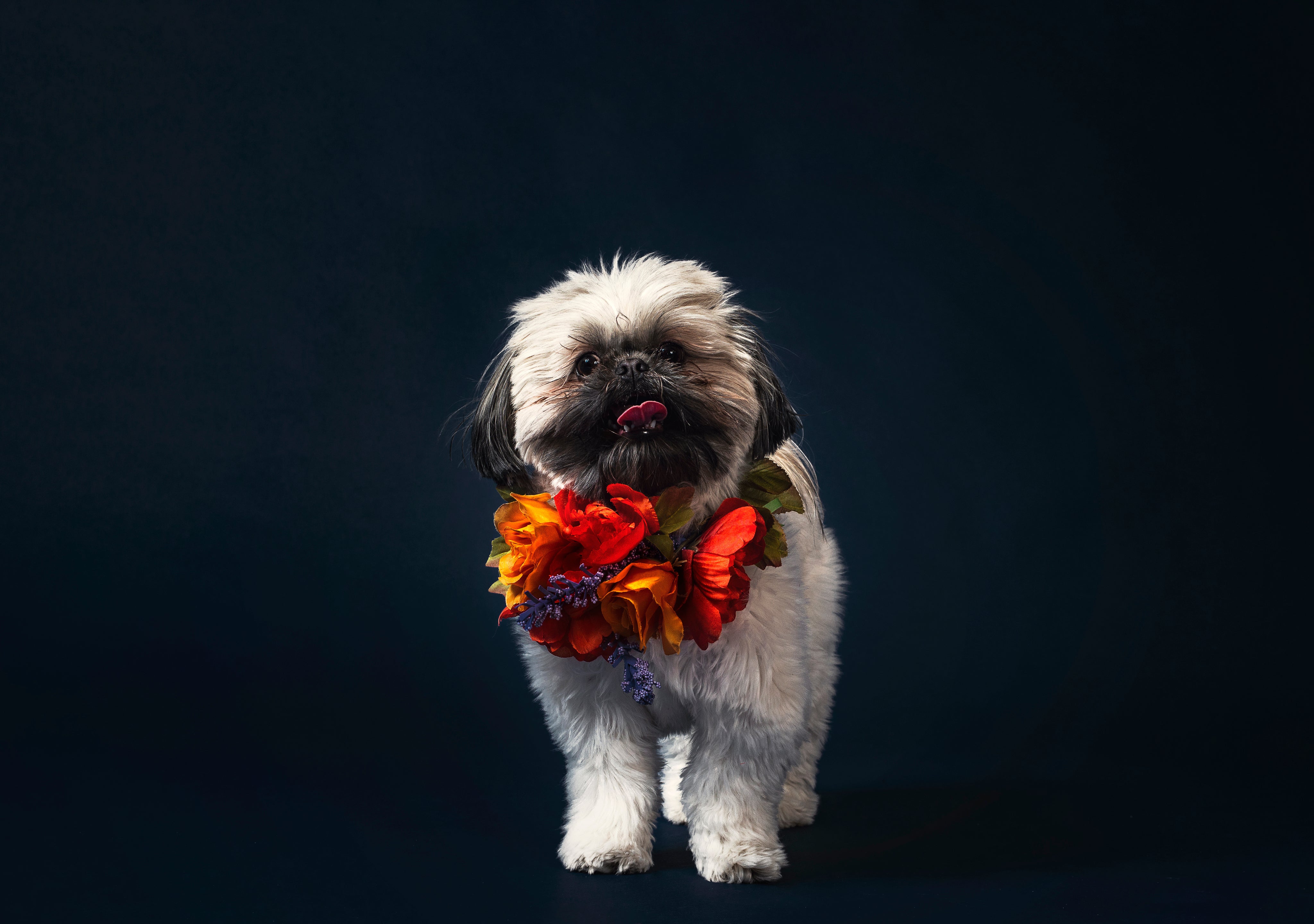
Right after a haircut. 6 year old dashund/shih Tzu mix

Great deal on flea/tick. Helps take care of my pup
Stronghold Violet For Dogs 5-10lbs (2.6-5kg)

Two sweet girlies decided to make our deck their home. Mosquitoes are a big problem where we live and we had to get them protected. This was the best bang for the buck. I’ve ordered from 79Pets several times and while delivery is not fast it is very consistent.
Revolution Plus For Medium Cats 5.6-11 lbs (2.6-5kg)

As a retired veterinary technician I was extremely happy to finally see a flea and heartworm medication that actually does tapeworms too!!!!!!! This is a 1st to my knowledge....I live in a tropical climate where fleas never die so this is heaven sent.
Nexgard Combo For Cats 5.5-16.5 lbs (2.5-7.5 kg)

Great for free delivery worldwide and it took shorter time than I expected. Thanks
Simparica Trio For Dogs 5.6-11 lbs (2.5-5 kg)

My dog is excited to have her Advocate given every month! Great customer service and we're already a returned customer!
Advocate (Advantage Multi) For Small Dog Upto 4kg 8.8lbs (4kg)

Great price, authentic quality and reliable shipping. Shipping takes a bit longer, since it is being shipped from abroad. But still a reliable service.
NexGard & Heartgard (Green) Combo Dogs 24-60 lbs (10-25 kg)

79 pets has great service, they resolved my issue when I purchased by mistake . Thank you!
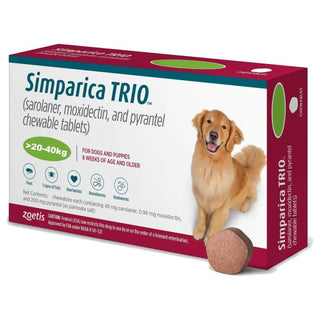
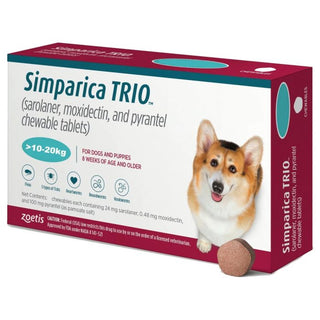
Simparica Trio For Dogs 22.1-44 lbs (10-20 kg)

Very happy with the price of Stronghold heart worm med for my dog. Seems to be working well.
Stronghold Teal For Dogs 44-88lbs (20-40kg)

My dog loves this product, never got any issue. Good price , deliver on time. We will definitely keep purchasing with 79 pets.com. Thanks!
Simparica Trio For Dogs 22.1-44 lbs (10-20 kg)

Great customer service! Would definitely purchase from them again!
Advocate (Advantage Multi) For Small Dog Upto 4kg 8.8lbs (4kg)

My fur babies love being protected from fleas!
Stronghold Blue For Cats 5.7-15.5lbs (2.6-7.5kg)

No more fleas! I love it and my pets love it!
Stronghold Teal For Dogs 44-88lbs (20-40kg)

I have 3 of these little rascals so Michigan flea/tick season can be financially brutal! Thank you for keeping NexGard so affordable.
NexGard Chew For Small Dogs 10-24lbs (4-10kg)

it is so easy to order
NexGard & Heartgard (Brown) Combo Dogs 60-121 lbs (25-50 kg)

I have no difficulty to give the tablet to my dog. I want my shipping to come faster by the way.
NexGard Spectra For Small Dog 8-16 lbs (3.5-7.5kg)

Stronghold Plus keep my baby safe
Stronghold Plus For Large Cats 11 lbs to 22 lbs (5-10kg)

Thank You 79pets
Stronghold Plus For Medium Cats 5.5 lbs to 11 lbs (2.5-5kg)

Advocate can only be found here n it's easier to order online. Thanks 79!
Advocate (Advantage Multi) For Cats Over 8.8lbs (4kg)

Great product and price. Shipping updates helped, since product comes from abroad. I would definitely recommend and use it again.
NexGard & Heartgard (Green) Combo Dogs 24-60 lbs (10-25 kg)

Easy to give!
NexGard Spectra For Small Dog 8-16 lbs (3.5-7.5kg)

Stronghold Plus does exactly what it was advertised for. Effective and best product. Would highly recommend Stronghold Plus.
Stronghold Plus For Cats 5.5 lbs to 11 lbs (2.5-5kg) 3 Pack

After Seresto collars failed to get rid of fleas, I didn't know where to turn. I saw a post on a page I follow (Kentucky Kitty Cats) saying that they use Nexgard Combo for the cats they shelter. I decided to try it and IT WORKS!
Nexgard Combo for Cats 5.5-16.5 lbs (2.5-7.5 kg)

My kitty love Revolution. One of the best product for flea & ticks. Good price will definitely recommend this website.
Revolution Plus For Medium Cats 5.6-11 lbs (2.6-5kg)

Tried this the first time and the correct medication was sent on time to me. Will definitely use this site again. Thanks!
Simparica Chewables For Very Small Dogs 5.6-11 lbs (2.5-5kg)

Happy Kitty
Revolution Plus For Medium Cats 5.6-11 lbs (2.6-5kg)

As described. Value for money
Nexgard Chew Red for Large Dogs Flea & Tick 60-121 lbs. (25-50kg)

This is Lexi Marie! She was wondering why mom was so excited for buying flea medicine. I explained to her that we saved $100 and that she would understand some day when she grows up.
Revolution Plus For Large Cats 11.1-22lbs (5-10kg)

Received on time. Thank You 79Pets
Nexgard Chew Red for Large Dogs Flea & Tick 60-121 lbs. (25-50kg)

Very good experience!
Revolution Plus For Large Cats 11.1-22lbs (5-10kg)

Last year, I made a visit to the vet. I told them that Kattie/cat had ear mites. They gave me an ointment costing $80canadian. I used it up and purchased another bottle. $160. total not including the cost of the vet visit. No results. The ear mites have been there for a long time. Canadian vets have control of what is sold in Pet stores and you cannot purchase off the shelf products not recognized by them. I jumped at the chance to purchase your produce with a recommended 100% effectivity. I was willing to try, but was suspicions. After a month there was still a little scratching but after 6 weeks, the mites are gone and the scratching is gone. Thank you very much for this mite solution. I recommend it heartily. Harry P.S. Do not tell the Canadian vets as they will outlaw your product.
Revolution Plus For Medium Cats 5.6-11 lbs (2.6-5kg)