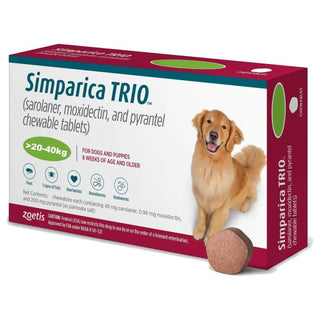
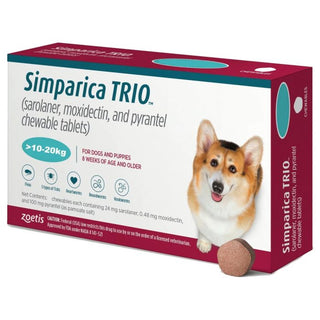


Not much to add. Dog tolerates it and price is good


Dogs communicate constantly through body posture, facial expressions, tail movements, ear position, and vocal sounds. Learning to read your dog’s body language can strengthen your bond, improve training, and reduce the risk of fear, stress, or aggression.
While dogs cannot speak with words, their bodies often reveal how they feel long before they bark or growl. Understanding these signals can help pet owners respond appropriately and create a safer, happier environment for their dogs.
Reading canine body language is important because dogs often communicate discomfort, excitement, fear, or affection subtly. Many behavioral problems happen when warning signs are missed or misunderstood.
Understanding your dog’s signals may help you:
Every dog has a unique personality, but many body language signals are common across breeds.
A comfortable dog usually appears loose, balanced, and calm.
A happy dog often has:
Their bodies do not appear stiff or tense.
Relaxed dogs usually have soft, normal-shaped eyes. They may blink naturally and avoid staring intensely.
A wagging tail does not always mean happiness, but a loose, sweeping tail wag combined with a relaxed posture often indicates friendliness or excitement.
Different dogs naturally carry their tails differently, so it is important to consider the entire body rather than focusing only on the tail.
One of the clearest signs of playful behavior is the “play bow.”
In this posture:
Dogs commonly use this signal to invite play with humans or other dogs.
Dogs often show subtle stress signals before becoming fearful or reactive.
Frequent lip licking when food is not present can indicate discomfort, anxiety, or uncertainty.
Dogs sometimes yawn when stressed, not only when tired.
Avoiding eye contact or turning away may be a calming signal used to avoid conflict.
When a dog's ears are pulled tightly backward against the head, the dog may be fearful or uncomfortable.
A tail tucked tightly between the legs often suggests fear, anxiety, or insecurity.
Heavy panting despite cool temperatures or lack of physical activity may indicate stress or fear.
Fearful dogs may attempt to appear small or avoid interaction completely.
Common fear signals include:
Some fearful dogs may freeze in place. A frozen posture can be especially important to recognize, as it may precede defensive aggression.
Most dogs display warning signals before they bite. Learning to recognize these behaviors early may help owners avoid potentially dangerous situations and respond more safely.
A rigid posture often indicates tension or discomfort.
Direct, intense staring may be a warning signal.
Raised fur along the back or shoulders can happen during fear, excitement, or aggression. This sign alone should not be interpreted without considering the rest of the dog’s body language.
Growling is communication, not “bad behavior.” It usually means the dog feels uncomfortable and wants more space.
Punishing growling may suppress the warning sign without addressing the underlying issue.
Snarling or baring teeth is often a serious warning signal and should never be ignored.
If a dog displays aggressive body language, avoid punishment and create distance safely.
Many people assume tail wagging always means happiness, but tail movement can communicate several emotions.
Usually associated with friendliness and excitement.
May indicate arousal or intense excitement.
Can suggest uncertainty or cautious interest.
A rigid tail held high may signal alertness or tension.
Tail position and movement should always be interpreted together with facial expression and posture.
A dog’s eyes can clearly communicate its emotional state.
Comfort and relaxation.
Fear, stress, or overstimulation.
“Whale eye” occurs when the whites of the eyes become visible. This may indicate anxiety, fear, or discomfort.
Ear movements vary by breed, but they still provide useful clues.
Usually indicates calm behavior.
Interest, curiosity, or alertness.
Fear, stress, or submission.
Dogs with floppy ears may show these changes more subtly.
A dog’s mouth can also reveal emotional changes.
Often seen in calm or happy dogs.
Can indicate stress, tension, or uncertainty.
May suggest nervousness or discomfort.
Healthy play between dogs often includes:
Good play usually looks balanced and voluntary for both dogs.
If one dog repeatedly tries to escape or appears tense, the interaction may no longer be enjoyable.
A dog that suddenly becomes very still may be signaling discomfort or fear.
Freezing is sometimes overlooked because the dog becomes quiet rather than noisy. However, a frozen posture can occur before a growl or bite if the dog feels trapped or threatened.
Children, especially, should be taught not to approach dogs that appear stiff or frozen.
Avoid focusing on only one signal. Tail wagging alone does not always mean happiness.
The full picture matters:
If your dog appears uncomfortable, provide space instead of forcing interaction.
Reward calm and confident behavior during training and socialization.
Every dog communicates slightly differently. Spending time observing your dog helps you understand their unique habits and comfort levels.
Consider speaking with a veterinarian or qualified dog behavior professional if your dog frequently shows:
Medical problems can sometimes contribute to changes in behavior, so a professional evaluation may be important.
Learning how to read a dog’s body language can improve safety, strengthen trust, and help owners better understand their pets’ emotions. Dogs communicate constantly through posture, facial expressions, movement, and behavior. By paying attention to these signals, pet owners can respond more appropriately and support their dog’s emotional well-being.
Understanding canine communication takes time, but it can greatly improve the relationship between dogs and their humans.
Overall rating: 4.8 / 5 from 1134 reviews.
Not much to add. Dog tolerates it and price is good

This is the only flea medication that works for us where we live.

This on-line company is such a good find. They provide quality products at a good price with delivering them efficiently. Definitely recommend purchasing from them.

Items arrived on time and work great!

Love stronghold

Same product at a great price

Fast shipping great quality and price

We are happy with Heartgard Plus

I’ve been using Symperica Trio for a yr now. Love it. 79 pets ships fast and prices are more affordable. Thank You

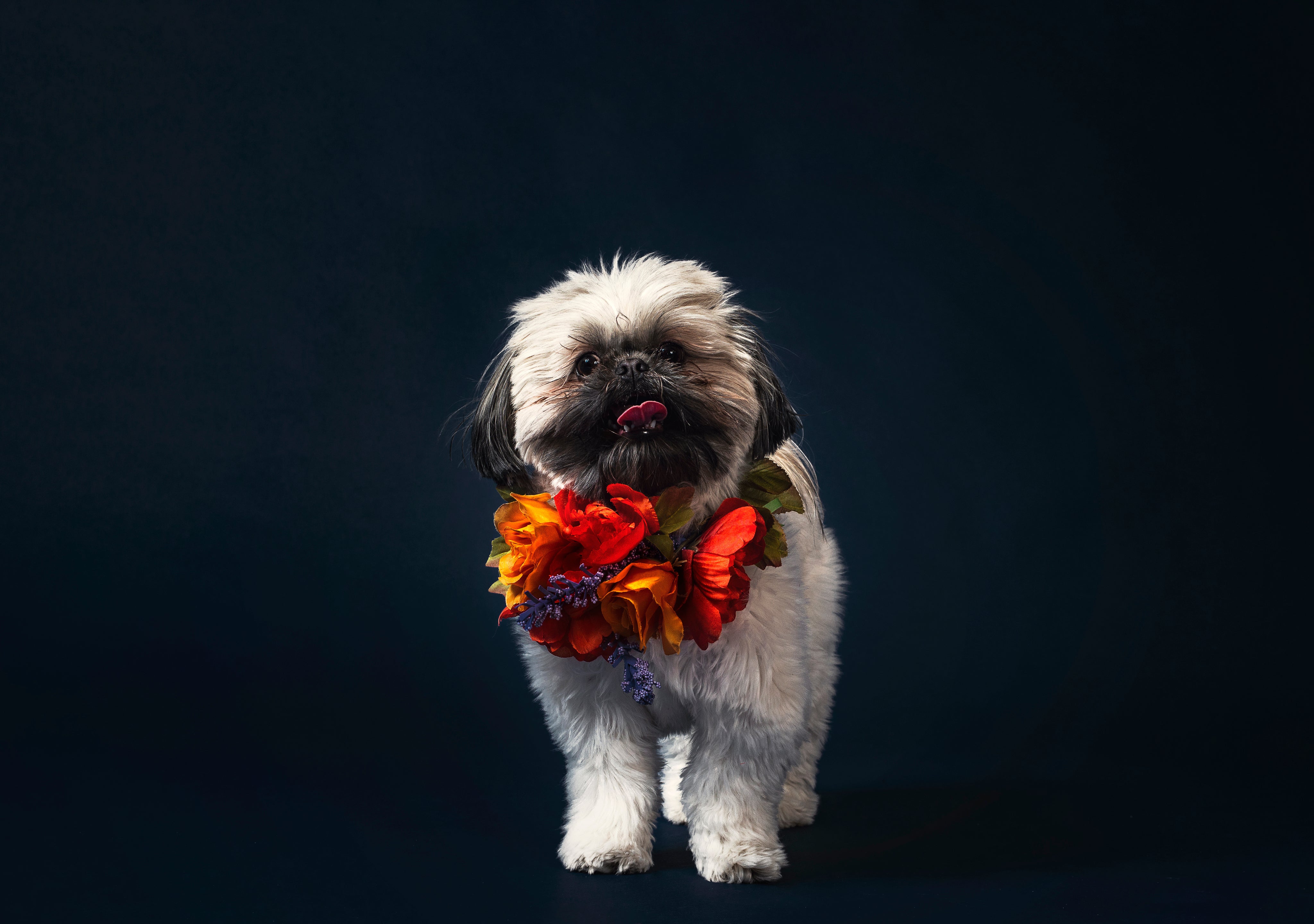
Right after a haircut. 6 year old dashund/shih Tzu mix

Great deal on flea/tick. Helps take care of my pup
Stronghold Violet For Dogs 5-10lbs (2.6-5kg)

Two sweet girlies decided to make our deck their home. Mosquitoes are a big problem where we live and we had to get them protected. This was the best bang for the buck. I’ve ordered from 79Pets several times and while delivery is not fast it is very consistent.
Revolution Plus For Medium Cats 5.6-11 lbs (2.6-5kg)

As a retired veterinary technician I was extremely happy to finally see a flea and heartworm medication that actually does tapeworms too!!!!!!! This is a 1st to my knowledge....I live in a tropical climate where fleas never die so this is heaven sent.
Nexgard Combo For Cats 5.5-16.5 lbs (2.5-7.5 kg)

Great for free delivery worldwide and it took shorter time than I expected. Thanks
Simparica Trio For Dogs 5.6-11 lbs (2.5-5 kg)

My dog is excited to have her Advocate given every month! Great customer service and we're already a returned customer!
Advocate (Advantage Multi) For Small Dog Upto 4kg 8.8lbs (4kg)

Great price, authentic quality and reliable shipping. Shipping takes a bit longer, since it is being shipped from abroad. But still a reliable service.
NexGard & Heartgard (Green) Combo Dogs 24-60 lbs (10-25 kg)

79 pets has great service, they resolved my issue when I purchased by mistake . Thank you!
Simparica Trio For Dogs 22.1-44 lbs (10-20 kg)

Very happy with the price of Stronghold heart worm med for my dog. Seems to be working well.
Stronghold Teal For Dogs 44-88lbs (20-40kg)

My dog loves this product, never got any issue. Good price , deliver on time. We will definitely keep purchasing with 79 pets.com. Thanks!
Simparica Trio For Dogs 22.1-44 lbs (10-20 kg)

Great customer service! Would definitely purchase from them again!
Advocate (Advantage Multi) For Small Dog Upto 4kg 8.8lbs (4kg)

My fur babies love being protected from fleas!
Stronghold Blue For Cats 5.7-15.5lbs (2.6-7.5kg)

No more fleas! I love it and my pets love it!
Stronghold Teal For Dogs 44-88lbs (20-40kg)

I have 3 of these little rascals so Michigan flea/tick season can be financially brutal! Thank you for keeping NexGard so affordable.
NexGard Chew For Small Dogs 10-24lbs (4-10kg)

it is so easy to order
NexGard & Heartgard (Brown) Combo Dogs 60-121 lbs (25-50 kg)

I have no difficulty to give the tablet to my dog. I want my shipping to come faster by the way.
NexGard Spectra For Small Dog 8-16 lbs (3.5-7.5kg)

Stronghold Plus keep my baby safe
Stronghold Plus For Large Cats 11 lbs to 22 lbs (5-10kg)

Thank You 79pets
Stronghold Plus For Medium Cats 5.5 lbs to 11 lbs (2.5-5kg)

Advocate can only be found here n it's easier to order online. Thanks 79!
Advocate (Advantage Multi) For Cats Over 8.8lbs (4kg)

Great product and price. Shipping updates helped, since product comes from abroad. I would definitely recommend and use it again.
NexGard & Heartgard (Green) Combo Dogs 24-60 lbs (10-25 kg)

Easy to give!
NexGard Spectra For Small Dog 8-16 lbs (3.5-7.5kg)

Stronghold Plus does exactly what it was advertised for. Effective and best product. Would highly recommend Stronghold Plus.
Stronghold Plus For Cats 5.5 lbs to 11 lbs (2.5-5kg) 3 Pack

After Seresto collars failed to get rid of fleas, I didn't know where to turn. I saw a post on a page I follow (Kentucky Kitty Cats) saying that they use Nexgard Combo for the cats they shelter. I decided to try it and IT WORKS!
Nexgard Combo for Cats 5.5-16.5 lbs (2.5-7.5 kg)

My kitty love Revolution. One of the best product for flea & ticks. Good price will definitely recommend this website.
Revolution Plus For Medium Cats 5.6-11 lbs (2.6-5kg)

Tried this the first time and the correct medication was sent on time to me. Will definitely use this site again. Thanks!
Simparica Chewables For Very Small Dogs 5.6-11 lbs (2.5-5kg)

Happy Kitty
Revolution Plus For Medium Cats 5.6-11 lbs (2.6-5kg)

As described. Value for money
Nexgard Chew Red for Large Dogs Flea & Tick 60-121 lbs. (25-50kg)

This is Lexi Marie! She was wondering why mom was so excited for buying flea medicine. I explained to her that we saved $100 and that she would understand some day when she grows up.
Revolution Plus For Large Cats 11.1-22lbs (5-10kg)

Received on time. Thank You 79Pets
Nexgard Chew Red for Large Dogs Flea & Tick 60-121 lbs. (25-50kg)

Very good experience!
Revolution Plus For Large Cats 11.1-22lbs (5-10kg)

Last year, I made a visit to the vet. I told them that Kattie/cat had ear mites. They gave me an ointment costing $80canadian. I used it up and purchased another bottle. $160. total not including the cost of the vet visit. No results. The ear mites have been there for a long time. Canadian vets have control of what is sold in Pet stores and you cannot purchase off the shelf products not recognized by them. I jumped at the chance to purchase your produce with a recommended 100% effectivity. I was willing to try, but was suspicions. After a month there was still a little scratching but after 6 weeks, the mites are gone and the scratching is gone. Thank you very much for this mite solution. I recommend it heartily. Harry P.S. Do not tell the Canadian vets as they will outlaw your product.
Revolution Plus For Medium Cats 5.6-11 lbs (2.6-5kg)