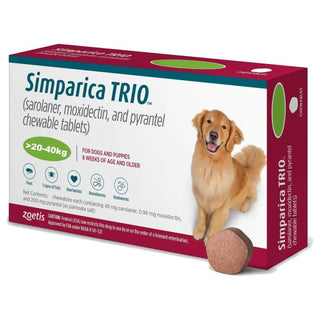



Not much to add. Dog tolerates it and price is good


You set your coffee mug on the table, turn around for a few seconds, and suddenly hear a crash. Your cat is sitting nearby, looking completely innocent—perhaps even fascinated by the result.
Cats knocking things off tables, counters, shelves, and desks are among the most familiar cat behaviors. It can be funny when it is a pen or a tissue box, but much less amusing when it is a glass, a phone, a plant pot, or a sentimental decoration.
So, why do cats knock things over?
Most of the time, cats are not trying to be “naughty” or spiteful. They are acting on normal instincts, curiosity, boredom, or learned behavior. Understanding the reason behind the behavior can help you protect your belongings while providing your cat with a happier, more stimulating home.
Cats may push, swat, bat, or nudge objects for several reasons. One cat may be investigating an unfamiliar object, while another may have learned that knocking over a water glass gets an instant reaction from their owner.
Here are the most common reasons cats knock things over.
Cats are naturally curious animals. They use their paws to investigate the world around them, much like people use their hands.
When a cat sees a pen, bottle cap, glass, remote control, or small decoration, they may tap it to find out:
A light tap can quickly become a stronger swat, especially when the object slides, rolls, rattles, or falls to the floor. To your cat, the object may suddenly become much more interesting once it moves.
Cats are especially likely to investigate items that smell like you, reflect light, make noise, or have an unusual shape.
Even the most relaxed indoor cat still has natural hunting instincts. Cats are designed to notice movement, stalk prey, bat at objects with their paws, and chase things that move away from them.
When your cat nudges an object off a table, the falling movement can resemble prey escaping. Once the item hits the floor, it may slide, bounce, or roll—making it even more exciting.
A pen rolling across a desk, a bottle cap spinning on the floor, or a dangling pair of glasses can all become a fun target for a cat’s hunting instincts.
This does not mean your cat thinks your expensive vase is a mouse. However, movement and sound may trigger the same playful, predatory behavior typically used to chase small prey.
Cats need regular mental and physical stimulation. Without enough play, exercise, exploration, and enrichment, they may create their own entertainment.
For a bored cat, knocking items off a shelf can be surprisingly rewarding. It produces movement, sound, and a dramatic reaction among nearby people. Every object creates a slightly different result.
Cats that spend long hours alone, have few toys, or do not receive daily interactive play may be more likely to develop this habit.
Signs your cat may be bored include:
A bored cat is not necessarily unhappy, but they may need more appropriate outlets for their energy.
Cats are quick learners. If knocking something over makes you immediately look at it, speak to it, walk over to it, or pick it up, they may learn that the behavior gets results.
From your cat’s point of view, even a frustrated reaction can still be rewarding because it gives them your attention.
For example, imagine your cat pushes a pen toward the edge of your desk. You say, “No!” and rush over to stop them. Your cat may learn that batting the pen makes you focus on them right away.
Some cats use this behavior when they want:
This is why cats may knock things over when you are working, eating, talking on the phone, or trying to sleep.
Sometimes, cats knock things over simply because they enjoy it.
The object moves. It falls. It makes a sound. You react. The cat watches. It can become a highly entertaining activity.
Cats do not need a complicated reason to repeat something they find enjoyable. If knocking over a small object creates a fun result, they may do it again and again.
This is especially common with lightweight objects, including:
Objects that roll, bounce, or make noise are often the most tempting.
Some cats become more mischievous around mealtimes. If your cat regularly knocks things over before breakfast, dinner, or treat time, they may be trying to remind you that they are ready to eat.
Cats thrive on predictable routines. A cat that expects food at a certain time may become vocal, restless, or disruptive when the meal is delayed.
Try to notice whether the behavior happens at the same time each day. If it does, your cat may be responding to hunger, routine, or anticipation.
For cats that wake their owners early for food, an automatic feeder may help provide meals on a schedule without teaching the cat that waking you up leads directly to breakfast.
Not every knocked-over item is intentional.
Cats have long tails, strong bodies, and a habit of squeezing into narrow spaces. A cat turning around on a crowded shelf or countertop may accidentally sweep an object away with their tail or body.
This is particularly common when:
Before assuming your cat is deliberately causing trouble, consider whether the area is simply too crowded or unsafe for a curious cat.
Yes, in most cases, it is normal cat behavior.
Knocking things over is often connected to curiosity, play, instinct, boredom, or attention-seeking. It does not usually mean your cat is aggressive, angry, or trying to punish you.
However, the behavior can become frustrating or risky if your cat breaks valuable objects, knocks over heavy items, spills chemicals, or creates hazards.
The goal should not be to punish your cat. Instead, focus on making the behavior less rewarding and giving your cat safer, more appropriate outlets.
You may not be able to stop every curious paw swipe, but you can reduce the behavior significantly with a few practical changes.
The simplest solution is to remove tempting objects from areas your cat can reach.
Keep fragile decorations, glasses, candles, medication, cleaning products, essential oils, and small choking hazards inside drawers, cupboards, or cabinets.
Use closed storage for valuable items whenever possible. A cat-proof home is safer for both your belongings and your cat.
Be especially careful with:
Interactive play is one of the best ways to reduce boredom-related behavior.
Try to schedule at least one or two short play sessions each day. Many cats enjoy several five- to fifteen-minute sessions more than one long session.
Good options include:
Move toys in a way that mimics prey. Let the toy hide, pause, move slowly, and then dart away. This gives your cat a more satisfying outlet for their natural hunting behavior.
Always put string, ribbon, and wand toys away after supervised playtime to prevent the risk of chewing or swallowing.
A toy that stays on the floor every day may become boring. Instead of leaving every toy out at once, rotate them.
Keep a few toys available, then swap them every few days. This can make familiar toys feel new and interesting again.
You do not need to buy a large number of expensive toys. Many cats enjoy simple items such as paper balls, cardboard boxes, cat-safe tunnels, and lightweight toy mice.
Cats often enjoy being up high. A cat tree, window perch, wall shelf, or sturdy climbing area can provide a better place for your cat to observe the home.
Vertical spaces help cats feel secure, entertained, and in control of their environment. They can also redirect your cat away from desks, kitchen counters, and shelves filled with breakable items.
Place a cat tree near a safe window where your cat can watch birds, people, or outdoor activity. This can provide valuable visual enrichment during the day.
Puzzle feeders give cats a healthy challenge by making them work a little for food or treats.
This can help reduce boredom, encourage natural foraging behavior, and keep a food-motivated cat occupied.
You can try:
Start with an easy puzzle so your cat does not become frustrated. As they learn, you can gradually make it more challenging.
When your cat knocks over something safe, try not to make it a dramatic event.
Avoid shouting, chasing, or immediately giving attention if your cat is clearly trying to get a reaction. Instead, calmly clean up the item when your cat has moved away.
More importantly, reward your cat before they become bored or start seeking attention. Offer playtime, affection, treats, or a food puzzle when they are behaving calmly.
You can also redirect your cat before they start batting at an object. For example, toss a toy away from the table or invite them to a scratching post.
Positive reinforcement works better than punishment.
When your cat uses a scratching post, plays with their toys, relaxes on their cat tree, or comes when called, reward them with praise, a treat, or attention.
Over time, your cat learns that appropriate activities are more rewarding than pushing items off the counter.
Avoid scolding, spraying water, or using frightening methods. These can make your cat anxious and may damage trust without teaching them what to do instead.
Knocking things over is usually normal, but a sudden major change in behavior may be worth discussing with a veterinarian.
Contact your veterinarian if your cat suddenly becomes unusually restless, destructive, confused, vocal, or needy—especially if the behavior is new.
A veterinary check-up is especially important if your cat also has:
Older cats may develop health issues that affect behavior, including thyroid disease, high blood pressure, cognitive changes, vision problems, or discomfort. A veterinarian can assess your cat and determine whether an underlying health issue may be contributing to the behavior.
Cats knock things over because they are curious, playful, clever, and instinct-driven. What looks like mischief is often your cat’s way of exploring, hunting, entertaining themselves, or getting your attention.
The best solution is not punishment. Instead, protect fragile items, provide more play and enrichment, create cat-friendly spaces, and reward your cat for using appropriate toys and activities.
With patience and a few changes at home, you can reduce the crashes while still letting your cat enjoy a stimulating and happy life.
Your cat may be watching how the object falls, moves, rolls, or makes a sound. The movement can be mentally stimulating and may trigger their natural hunting instincts.
Many cats naturally become livelier around sunrise and sunset, while others may start playing after dark once the household has settled down. Evening play sessions, puzzle feeders, and a predictable bedtime routine may help reduce nighttime mischief.
Cats do not usually think of knocking things over as “wrong.” They are more likely responding to curiosity, instinct, boredom, or a learned pattern that gets attention.
No. Punishment can make cats fearful or stressed and may not stop the behavior. It is more effective to remove tempting items, increase enrichment, and redirect your cat to suitable toys.
Your cat may be playing with the water, reacting to reflections, trying to get fresh water, or finding the bowl uncomfortable. Try using a wide, heavy ceramic bowl or a cat water fountain designed to reduce spills.

Overall rating: 4.8 / 5 from 1134 reviews.
Not much to add. Dog tolerates it and price is good

This is the only flea medication that works for us where we live.

This on-line company is such a good find. They provide quality products at a good price with delivering them efficiently. Definitely recommend purchasing from them.

Items arrived on time and work great!

Love stronghold

Same product at a great price

Fast shipping great quality and price

We are happy with Heartgard Plus

I’ve been using Symperica Trio for a yr now. Love it. 79 pets ships fast and prices are more affordable. Thank You

Right after a haircut. 6 year old dashund/shih Tzu mix

Great deal on flea/tick. Helps take care of my pup
Stronghold Violet For Dogs 5-10lbs (2.6-5kg)

Two sweet girlies decided to make our deck their home. Mosquitoes are a big problem where we live and we had to get them protected. This was the best bang for the buck. I’ve ordered from 79Pets several times and while delivery is not fast it is very consistent.
Revolution Plus For Medium Cats 5.6-11 lbs (2.6-5kg)

As a retired veterinary technician I was extremely happy to finally see a flea and heartworm medication that actually does tapeworms too!!!!!!! This is a 1st to my knowledge....I live in a tropical climate where fleas never die so this is heaven sent.
Nexgard Combo For Cats 5.5-16.5 lbs (2.5-7.5 kg)

Great for free delivery worldwide and it took shorter time than I expected. Thanks
Simparica Trio For Dogs 5.6-11 lbs (2.5-5 kg)

My dog is excited to have her Advocate given every month! Great customer service and we're already a returned customer!
Advocate (Advantage Multi) For Small Dog Upto 4kg 8.8lbs (4kg)

Great price, authentic quality and reliable shipping. Shipping takes a bit longer, since it is being shipped from abroad. But still a reliable service.
NexGard & Heartgard (Green) Combo Dogs 24-60 lbs (10-25 kg)

79 pets has great service, they resolved my issue when I purchased by mistake . Thank you!
Simparica Trio For Dogs 22.1-44 lbs (10-20 kg)

Very happy with the price of Stronghold heart worm med for my dog. Seems to be working well.
Stronghold Teal For Dogs 44-88lbs (20-40kg)

My dog loves this product, never got any issue. Good price , deliver on time. We will definitely keep purchasing with 79 pets.com. Thanks!
Simparica Trio For Dogs 22.1-44 lbs (10-20 kg)

Great customer service! Would definitely purchase from them again!
Advocate (Advantage Multi) For Small Dog Upto 4kg 8.8lbs (4kg)

My fur babies love being protected from fleas!
Stronghold Blue For Cats 5.7-15.5lbs (2.6-7.5kg)

No more fleas! I love it and my pets love it!
Stronghold Teal For Dogs 44-88lbs (20-40kg)

I have 3 of these little rascals so Michigan flea/tick season can be financially brutal! Thank you for keeping NexGard so affordable.
NexGard Chew For Small Dogs 10-24lbs (4-10kg)

it is so easy to order
NexGard & Heartgard (Brown) Combo Dogs 60-121 lbs (25-50 kg)

I have no difficulty to give the tablet to my dog. I want my shipping to come faster by the way.
NexGard Spectra For Small Dog 8-16 lbs (3.5-7.5kg)

Stronghold Plus keep my baby safe
Stronghold Plus For Large Cats 11 lbs to 22 lbs (5-10kg)

Thank You 79pets
Stronghold Plus For Medium Cats 5.5 lbs to 11 lbs (2.5-5kg)

Advocate can only be found here n it's easier to order online. Thanks 79!
Advocate (Advantage Multi) For Cats Over 8.8lbs (4kg)

Great product and price. Shipping updates helped, since product comes from abroad. I would definitely recommend and use it again.
NexGard & Heartgard (Green) Combo Dogs 24-60 lbs (10-25 kg)

Easy to give!
NexGard Spectra For Small Dog 8-16 lbs (3.5-7.5kg)

Stronghold Plus does exactly what it was advertised for. Effective and best product. Would highly recommend Stronghold Plus.
Stronghold Plus For Cats 5.5 lbs to 11 lbs (2.5-5kg) 3 Pack

After Seresto collars failed to get rid of fleas, I didn't know where to turn. I saw a post on a page I follow (Kentucky Kitty Cats) saying that they use Nexgard Combo for the cats they shelter. I decided to try it and IT WORKS!
Nexgard Combo for Cats 5.5-16.5 lbs (2.5-7.5 kg)

My kitty love Revolution. One of the best product for flea & ticks. Good price will definitely recommend this website.
Revolution Plus For Medium Cats 5.6-11 lbs (2.6-5kg)

Tried this the first time and the correct medication was sent on time to me. Will definitely use this site again. Thanks!
Simparica Chewables For Very Small Dogs 5.6-11 lbs (2.5-5kg)

Happy Kitty
Revolution Plus For Medium Cats 5.6-11 lbs (2.6-5kg)

As described. Value for money
Nexgard Chew Red for Large Dogs Flea & Tick 60-121 lbs. (25-50kg)

This is Lexi Marie! She was wondering why mom was so excited for buying flea medicine. I explained to her that we saved $100 and that she would understand some day when she grows up.
Revolution Plus For Large Cats 11.1-22lbs (5-10kg)

Received on time. Thank You 79Pets
Nexgard Chew Red for Large Dogs Flea & Tick 60-121 lbs. (25-50kg)

Very good experience!
Revolution Plus For Large Cats 11.1-22lbs (5-10kg)

Last year, I made a visit to the vet. I told them that Kattie/cat had ear mites. They gave me an ointment costing $80canadian. I used it up and purchased another bottle. $160. total not including the cost of the vet visit. No results. The ear mites have been there for a long time. Canadian vets have control of what is sold in Pet stores and you cannot purchase off the shelf products not recognized by them. I jumped at the chance to purchase your produce with a recommended 100% effectivity. I was willing to try, but was suspicions. After a month there was still a little scratching but after 6 weeks, the mites are gone and the scratching is gone. Thank you very much for this mite solution. I recommend it heartily. Harry P.S. Do not tell the Canadian vets as they will outlaw your product.
Revolution Plus For Medium Cats 5.6-11 lbs (2.6-5kg)