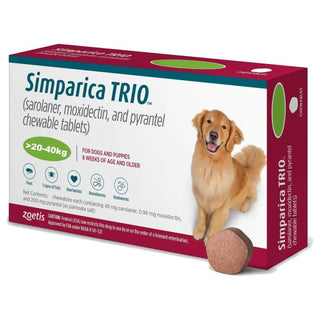
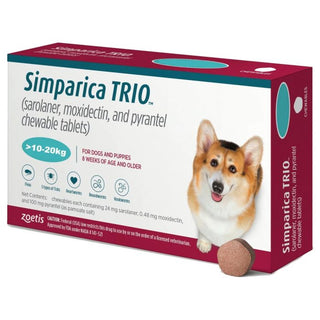


Not much to add. Dog tolerates it and price is good


Seeing your dog suddenly spin around to chase their tail can be entertaining. Some dogs do it for a few seconds, lose interest, and move on. Others may repeatedly chase, bite, or chew their tail.
While tail chasing is often harmless, it is not always just a silly habit. The reason behind the behavior matters. A playful puppy may simply be discovering their body, while an adult dog who repeatedly bites their tail may be trying to cope with itchiness, discomfort, boredom, stress, or another health concern.
Here is what pet owners should know about why dogs chase their tails and when it may be time to contact a veterinarian.
Occasional tail chasing can be completely normal, especially in puppies and young dogs.
A puppy may notice a moving tail for the first time and treat it like a toy. Since puppies are still learning about their bodies and surroundings, spinning around to chase a wagging tail can be part of their natural curiosity and play.
Some adult dogs may also chase their tails when they are excited, playful, or trying to release extra energy.
Tail chasing is usually less concerning when your dog:
The behavior becomes more concerning when it happens frequently, lasts a long time, becomes difficult to interrupt, or causes your dog to hurt themselves.
For some dogs, tail chasing is simply a game.
Dogs can become especially energetic when you come home, before a walk, during playtime, or after seeing another dog. In these moments, chasing the tail may be part of an excited zoomie session.
Puppies are particularly likely to do this because a wagging tail is always moving and seems interesting. They may not fully realize that the tail is theirs, especially when they are very young.
A short burst of spinning during play is usually not a problem. However, it is still important not to encourage the behavior too much, especially if your dog begins to rely on it for attention.
Dogs need more than food and walks. They also need mental challenges, social interaction, exercise, and opportunities to explore their environment.
When a dog has excess energy or feels bored, they may look for ways to entertain themselves. Tail chasing can become one of those activities.
This is more common in energetic dogs, working breeds, young dogs, and dogs that spend long periods alone without enough enrichment.
Signs your dog may be chasing their tail because of boredom include:
Instead of scolding your dog, try giving them healthier ways to use their energy.
Helpful activities include:
Brain-teasing activities can use up your dog’s energy just as much as active play or exercise. Even a few minutes of training or scent-based games can help a bored dog feel more satisfied.
Dogs quickly learn which behaviors get a reaction from people.
If your dog chases their tail and everyone laughs, talks to them, records a video, pets them, or shouts for them to stop, they may learn that spinning gets attention.
Even negative attention can sometimes reinforce the behavior. From your dog’s point of view, being told “stop!” may still feel more rewarding than being ignored.
This does not mean your dog is being naughty or manipulative. It simply means they have learned that tail-chasing elicits a response.
A better approach is to calmly redirect your dog before the behavior becomes intense. Ask for a familiar cue such as “sit,” “touch,” or “come,” then reward them for choosing the alternative behavior.
For example, you can teach your dog to bring a toy, sit near you, or tap your hand with their nose when they want attention.
Tail chasing can sometimes be your dog’s attempt to reach an itchy or irritated area.
Fleas often gather around the lower back and base of the tail. A dog with flea bites may suddenly whip around, lick, chew, scratch, or chase their tail because they are trying to relieve the itch.
Other skin-related causes may include:
Check your dog’s coat carefully, especially around the tail base, lower back, belly, and inner thighs. Look for redness, hair loss, scabs, tiny black flea dirt, swelling, or broken skin.
Do not assume an itch is minor if your dog keeps biting the area. Persistent chewing can quickly lead to wounds, infection, and pain.
Dogs have small anal glands near the anus that normally empty during bowel movements. Sometimes these glands become full, irritated, infected, or impacted.
When this happens, dogs may feel pressure, itching, or discomfort around their rear end. They may chase their tail, lick their bottom, turn suddenly toward their back end, or drag their bottom across the floor.
Common signs of anal gland discomfort include:
Anal gland issues should be checked by a veterinarian. Trying to squeeze or empty the glands at home without proper guidance can cause pain, injury, or infection.
Some intestinal parasites can cause irritation around the anus. A dog may turn toward its rear end and lick, chew, or chase its tail because the area feels uncomfortable.
Tapeworm segments may sometimes be visible around the anus or in fresh stool. They can look like small grains of rice.
Regular parasite prevention, stool testing, and veterinary-recommended deworming can help reduce the risk of intestinal parasites. If your dog is tail-chasing along with diarrhea, weight loss, scooting, vomiting, or visible worms in the stool, arrange a veterinary appointment.
A dog may chase or bite their tail because something around the tail, hips, spine, or rear legs hurts.
Pain can come from many sources, including:
Senior dogs deserve particular attention because they may have reduced flexibility, joint discomfort, or arthritis. Instead of truly chasing their tails for fun, they may be trying to reach an area that hurts or feels strange.
Seek veterinary advice promptly if tail chasing begins suddenly in an adult or senior dog, especially if it is accompanied by limping, stiffness, crying, swelling, sensitivity to touch, or a change in posture.
Some dogs chase their tails when they feel stressed, frustrated, overwhelmed, or anxious.
A repetitive action may become a way for the dog to cope with uncomfortable emotions. This can happen after a major life change, such as moving house, welcoming a baby, changing routines, spending more time alone, or experiencing loud noises and frightening events.
Tail chasing linked to stress may occur during predictable situations, such as:
Pay attention to what happens before your dog starts spinning. A simple behavior diary can help you identify patterns.
Write down the time, location, possible trigger, duration, and whether your dog can be redirected. This information can be valuable if you need help from a veterinarian or qualified dog behavior professional.
In some dogs, tail chasing becomes repetitive, intense, and difficult to stop. This may be associated with canine compulsive disorder.
Compulsive behavior is different from an occasional playful spin. A dog with a compulsive pattern may appear fixated on the behavior and continue even when tired, injured, or distracted.
Warning signs include:
Do not punish a dog for compulsive tail chasing. Punishment can increase fear and stress, making the problem worse.
A veterinarian should first rule out medical causes such as parasites, skin disease, pain, or neurological problems. Depending on the cause, treatment may include environmental changes, structured behavior work, stress management, and sometimes medication prescribed by a veterinarian.
Start by observing the behavior rather than immediately reacting.
Ask yourself:
For occasional playful tail-chasing, calmly redirect your dog to a toy, a short training activity, a sniffing game, or a walk.
Avoid laughing loudly, shouting, chasing your dog, or turning the behavior into a game. This may unintentionally make tail chasing more rewarding.
Focus on improving your dog’s daily routine with exercise, enrichment, rest, and positive attention for calm behavior.
Contact a veterinarian if your dog’s tail chasing is new, frequent, intense, or difficult to interrupt.
You should arrange an appointment promptly if you notice:
Tail chasing may look harmless at first, but repeated behavior can sometimes be your dog’s way of communicating discomfort.
Dogs chase their tails for many reasons. For puppies, it is often a playful and curious phase. For some adult dogs, it can be a quick way to release excitement or burn off energy.
However, frequent spinning, tail biting, or obsessive chasing should not be ignored. It may be linked to boredom, stress, fleas, allergies, anal gland discomfort, parasites, pain, or compulsive behavior.
The best approach is to look beyond the spinning. Notice when it happens, how often it occurs, and whether your dog can easily stop. By providing enrichment, avoiding accidental reinforcement, and seeking veterinary guidance when needed, you can help your dog stay comfortable, confident, and healthy.
Overall rating: 4.8 / 5 from 1134 reviews.
Not much to add. Dog tolerates it and price is good

This is the only flea medication that works for us where we live.

This on-line company is such a good find. They provide quality products at a good price with delivering them efficiently. Definitely recommend purchasing from them.

Items arrived on time and work great!

Love stronghold

Same product at a great price

Fast shipping great quality and price

We are happy with Heartgard Plus

I’ve been using Symperica Trio for a yr now. Love it. 79 pets ships fast and prices are more affordable. Thank You

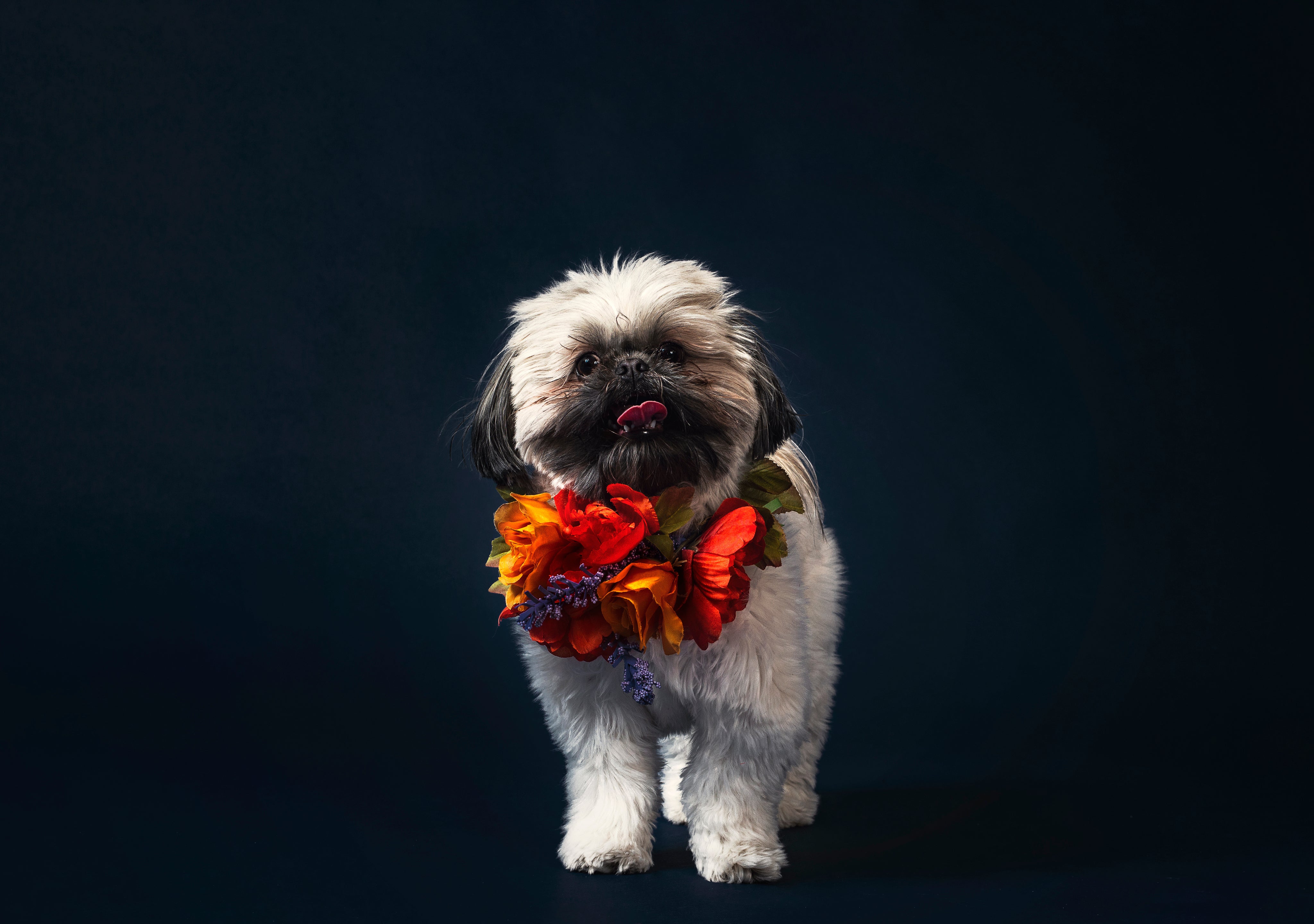
Right after a haircut. 6 year old dashund/shih Tzu mix

Great deal on flea/tick. Helps take care of my pup
Stronghold Violet For Dogs 5-10lbs (2.6-5kg)

Two sweet girlies decided to make our deck their home. Mosquitoes are a big problem where we live and we had to get them protected. This was the best bang for the buck. I’ve ordered from 79Pets several times and while delivery is not fast it is very consistent.
Revolution Plus For Medium Cats 5.6-11 lbs (2.6-5kg)

As a retired veterinary technician I was extremely happy to finally see a flea and heartworm medication that actually does tapeworms too!!!!!!! This is a 1st to my knowledge....I live in a tropical climate where fleas never die so this is heaven sent.
Nexgard Combo For Cats 5.5-16.5 lbs (2.5-7.5 kg)

Great for free delivery worldwide and it took shorter time than I expected. Thanks
Simparica Trio For Dogs 5.6-11 lbs (2.5-5 kg)

My dog is excited to have her Advocate given every month! Great customer service and we're already a returned customer!
Advocate (Advantage Multi) For Small Dog Upto 4kg 8.8lbs (4kg)

Great price, authentic quality and reliable shipping. Shipping takes a bit longer, since it is being shipped from abroad. But still a reliable service.
NexGard & Heartgard (Green) Combo Dogs 24-60 lbs (10-25 kg)

79 pets has great service, they resolved my issue when I purchased by mistake . Thank you!
Simparica Trio For Dogs 22.1-44 lbs (10-20 kg)

Very happy with the price of Stronghold heart worm med for my dog. Seems to be working well.
Stronghold Teal For Dogs 44-88lbs (20-40kg)

My dog loves this product, never got any issue. Good price , deliver on time. We will definitely keep purchasing with 79 pets.com. Thanks!
Simparica Trio For Dogs 22.1-44 lbs (10-20 kg)

Great customer service! Would definitely purchase from them again!
Advocate (Advantage Multi) For Small Dog Upto 4kg 8.8lbs (4kg)

My fur babies love being protected from fleas!
Stronghold Blue For Cats 5.7-15.5lbs (2.6-7.5kg)

No more fleas! I love it and my pets love it!
Stronghold Teal For Dogs 44-88lbs (20-40kg)

I have 3 of these little rascals so Michigan flea/tick season can be financially brutal! Thank you for keeping NexGard so affordable.
NexGard Chew For Small Dogs 10-24lbs (4-10kg)

it is so easy to order
NexGard & Heartgard (Brown) Combo Dogs 60-121 lbs (25-50 kg)

I have no difficulty to give the tablet to my dog. I want my shipping to come faster by the way.
NexGard Spectra For Small Dog 8-16 lbs (3.5-7.5kg)

Stronghold Plus keep my baby safe
Stronghold Plus For Large Cats 11 lbs to 22 lbs (5-10kg)

Thank You 79pets
Stronghold Plus For Medium Cats 5.5 lbs to 11 lbs (2.5-5kg)

Advocate can only be found here n it's easier to order online. Thanks 79!
Advocate (Advantage Multi) For Cats Over 8.8lbs (4kg)

Great product and price. Shipping updates helped, since product comes from abroad. I would definitely recommend and use it again.
NexGard & Heartgard (Green) Combo Dogs 24-60 lbs (10-25 kg)

Easy to give!
NexGard Spectra For Small Dog 8-16 lbs (3.5-7.5kg)

Stronghold Plus does exactly what it was advertised for. Effective and best product. Would highly recommend Stronghold Plus.
Stronghold Plus For Cats 5.5 lbs to 11 lbs (2.5-5kg) 3 Pack

After Seresto collars failed to get rid of fleas, I didn't know where to turn. I saw a post on a page I follow (Kentucky Kitty Cats) saying that they use Nexgard Combo for the cats they shelter. I decided to try it and IT WORKS!
Nexgard Combo for Cats 5.5-16.5 lbs (2.5-7.5 kg)

My kitty love Revolution. One of the best product for flea & ticks. Good price will definitely recommend this website.
Revolution Plus For Medium Cats 5.6-11 lbs (2.6-5kg)

Tried this the first time and the correct medication was sent on time to me. Will definitely use this site again. Thanks!
Simparica Chewables For Very Small Dogs 5.6-11 lbs (2.5-5kg)

Happy Kitty
Revolution Plus For Medium Cats 5.6-11 lbs (2.6-5kg)

As described. Value for money
Nexgard Chew Red for Large Dogs Flea & Tick 60-121 lbs. (25-50kg)

This is Lexi Marie! She was wondering why mom was so excited for buying flea medicine. I explained to her that we saved $100 and that she would understand some day when she grows up.
Revolution Plus For Large Cats 11.1-22lbs (5-10kg)

Received on time. Thank You 79Pets
Nexgard Chew Red for Large Dogs Flea & Tick 60-121 lbs. (25-50kg)

Very good experience!
Revolution Plus For Large Cats 11.1-22lbs (5-10kg)

Last year, I made a visit to the vet. I told them that Kattie/cat had ear mites. They gave me an ointment costing $80canadian. I used it up and purchased another bottle. $160. total not including the cost of the vet visit. No results. The ear mites have been there for a long time. Canadian vets have control of what is sold in Pet stores and you cannot purchase off the shelf products not recognized by them. I jumped at the chance to purchase your produce with a recommended 100% effectivity. I was willing to try, but was suspicions. After a month there was still a little scratching but after 6 weeks, the mites are gone and the scratching is gone. Thank you very much for this mite solution. I recommend it heartily. Harry P.S. Do not tell the Canadian vets as they will outlaw your product.
Revolution Plus For Medium Cats 5.6-11 lbs (2.6-5kg)