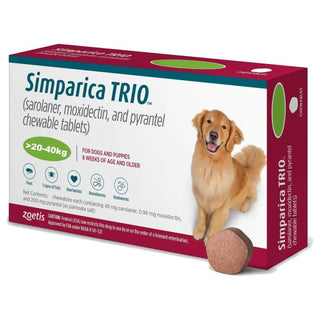
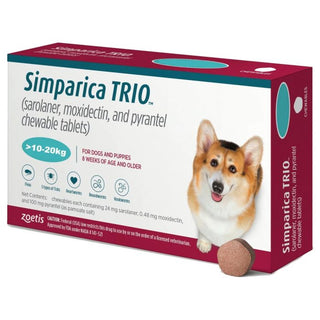


Not much to add. Dog tolerates it and price is good


You unlock the door after a long day, and there is your dog—tail wagging, body wiggling, and proudly carrying a favorite toy.
Some dogs drop the toy at your feet. Others parade around the room with it, squeak it repeatedly, or dart away when you try to take it. Whatever their style, this adorable welcome-home routine usually means your dog is feeling excited, connected, and ready to interact.
So, why do dogs bring you toys when you get home?
In most cases, it is a completely normal behavior. Your dog may want to play, show affection, release excitement, or simply carry something comforting while greeting you. Knowing why your dog does this makes it easier to respond thoughtfully and build a closer relationship together.
One of the most common reasons dogs bring toys to their owners is to play.
Your return home can be the highlight of your dog’s day. They may have spent time resting, watching the window, waiting for family members, or entertaining themselves while you were away. When you walk through the door, their excitement rises quickly—and a toy becomes their way of saying, “Let’s do something together!”
A dog who drops a ball, rope toy, or squeaky toy at your feet may be inviting you to play fetch, tug-of-war, or a short game indoors.
You may notice this behavior more often when:
Dogs are very good at learning routines. When they connect your arrival with attention, outdoor time, dinner, or play, they may bring a toy because they expect something fun to happen next.
Dogs do not think about possessions in exactly the same way humans do, but many dogs become attached to certain toys.
A favorite stuffed animal, tennis ball, chew toy, or rope may be especially meaningful because it smells familiar, feels comforting, or reminds them of enjoyable playtime with you. When your dog carries that toy over to greet you, they may be sharing something they value.
It can feel like a little gift.
Some dogs will happily place the toy in your hands. Others may show it to you but keep hold of it. Both reactions can be normal. Your dog may not be asking you to take the toy; they may simply want you to notice it and join their excitement.
A gentle response such as, “What have you got there?” followed by praise, a pet, or a brief game can make your dog feel acknowledged.
Dogs use body language, movement, facial expressions, sounds, and objects to communicate. Bringing a toy may be part of your dog’s personal way of connecting with you.
A dog who approaches you with a relaxed body, soft eyes, a wagging tail, and a toy in their mouth is often expressing positive emotion. They may be happy that you are home and eager to be close to you.
For some dogs, sharing a favorite toy can also reflect trust. A toy can be something they protect, carry around, or use for comfort. Choosing to bring it near you may show that they feel safe in your presence.
This does not mean every dog bringing a toy is making a deliberate “gift.” However, it does show that they are including you in a moment that matters to them.
Some dogs have very strong homecoming reactions. They may bark, jump, spin in circles, mouth hands, race around the room, or struggle to settle down.
Holding a toy can give that excitement somewhere appropriate to go.
A toy keeps your dog’s mouth busy and can redirect their energy away from jumping on people or grabbing clothes. This is especially useful for dogs who become overstimulated when family members or guests arrive.
Many trainers encourage a “get your toy” routine for excitable dogs. Instead of repeatedly telling your dog not to jump, you teach them what to do instead.
For example:
Over time, your dog may learn that carrying a toy is part of the welcome-home routine.
Some dogs are simply show-offs.
They may trot around the room with their toy, hold their head high, wag their tail, and look at you as if they have achieved something wonderful. They may want praise, attention, or an audience for their prized possession.
This is particularly common in playful, confident dogs who enjoy interaction. They may also have learned that carrying a toy gets a happy reaction from you.
When you laugh, praise them, chase them, or start a game, your dog learns that bringing the toy creates a rewarding moment.
There is nothing wrong with this, provided the behavior remains friendly and manageable. A little “look what I have!” parade is often part of your dog’s personality.
Some dogs carry toys because the object itself is comforting.
Just as a child may feel calmer with a favorite blanket, a dog may feel more settled with a familiar toy in their mouth. Soft plush toys, blankets, and comforting chew toys can help some dogs cope with excitement, change, or mild stress.
Your dog may bring their toy to the door because they are happy to see you but also slightly overwhelmed by the intensity of the greeting. Carrying the toy gives them something familiar to focus on.
This can be especially common in dogs who:
In these cases, there is usually no need to take the toy away. Let your dog enjoy the comfort it provides, as long as the toy is safe and in good condition.
It may.
Dogs do not communicate in human language, so it is impossible to know exactly what every dog is thinking. However, when your dog greets you enthusiastically with a toy, it often means they are happy that you are home and want to interact with you.
They may have missed your company, anticipated your return, or simply learned that you are the person most likely to play with them.
The important thing is to look at the full picture. A loose, wiggly body, relaxed face, wagging tail, and playful behavior usually suggest a happy greeting.
Not always.
When your dog sets a toy down in front of you, they are often inviting you to join in. They may be hoping for a game of fetch, so picking up and tossing the toy is usually the response they want.
But if your dog carries the toy around, keeps it in their mouth, or moves away when you reach for it, they may only want to show it to you. Respect that choice.
Avoid taking the toy by force, especially if your dog stiffens, growls, freezes, or pulls away. These can be signs that your dog feels protective of the item.
Give your dog room to feel comfortable, then use reward-based training to build a dependable “drop it” or “swap” command. Rather than pulling the item away, calmly offer a treat or a different toy in return.
Bringing a toy to greet you is usually harmless. However, it may be worth speaking with a veterinarian or qualified dog behavior professional if your dog shows signs of stress, obsession, or resource guarding.
Watch for behaviors such as:
A behavior professional can help you understand whether the habit is simply playful or part of a larger issue.
A predictable routine can make homecomings more enjoyable for both you and your dog.
Try these simple tips:
Store a few sturdy, dog-safe toys near the entrance or in your dog’s favorite area. This makes it easier for your dog to choose an appropriate toy rather than grabbing shoes, laundry, or other household items.
It is tempting to respond with lots of excited talking and movement, but this can make an already excited dog even more energetic. Enter calmly, greet your dog warmly, and reward polite behavior.
A dog who regularly receives exercise, sniffing time, training, puzzle toys, and interactive play is more likely to have a healthy outlet for energy.
Even a short game of fetch, a few minutes of tug, or a quick training session after work can help your dog feel connected and satisfied.
Train your dog to grab a toy when the door opens or when you come home. Reinforce this calm greeting by offering praise, a quick play session, or a small treat whenever they choose the toy instead of barking or jumping up.
Your dog may want you to throw the toy, admire it, play tug, or simply let them carry it around. Pay attention to their body language and respond in a way that keeps the moment positive.
When your dog brings you a toy after you get home, they are usually doing something sweet, social, and completely normal.
They may be inviting you to play, sharing a treasured object, releasing excitement, seeking comfort, or showing how happy they are to see you. Every dog has a unique greeting style, and a toy in their mouth may be one of the clearest signs that they want to connect with you.
So the next time your dog races to the door with their favorite toy, take a moment to appreciate the gesture. A few kind words, a gentle pat, or a quick game may be all they need to turn your return home into the best part of their day.
Overall rating: 4.8 / 5 from 1134 reviews.
Not much to add. Dog tolerates it and price is good

This is the only flea medication that works for us where we live.

This on-line company is such a good find. They provide quality products at a good price with delivering them efficiently. Definitely recommend purchasing from them.

Items arrived on time and work great!

Love stronghold

Same product at a great price

Fast shipping great quality and price

We are happy with Heartgard Plus

I’ve been using Symperica Trio for a yr now. Love it. 79 pets ships fast and prices are more affordable. Thank You

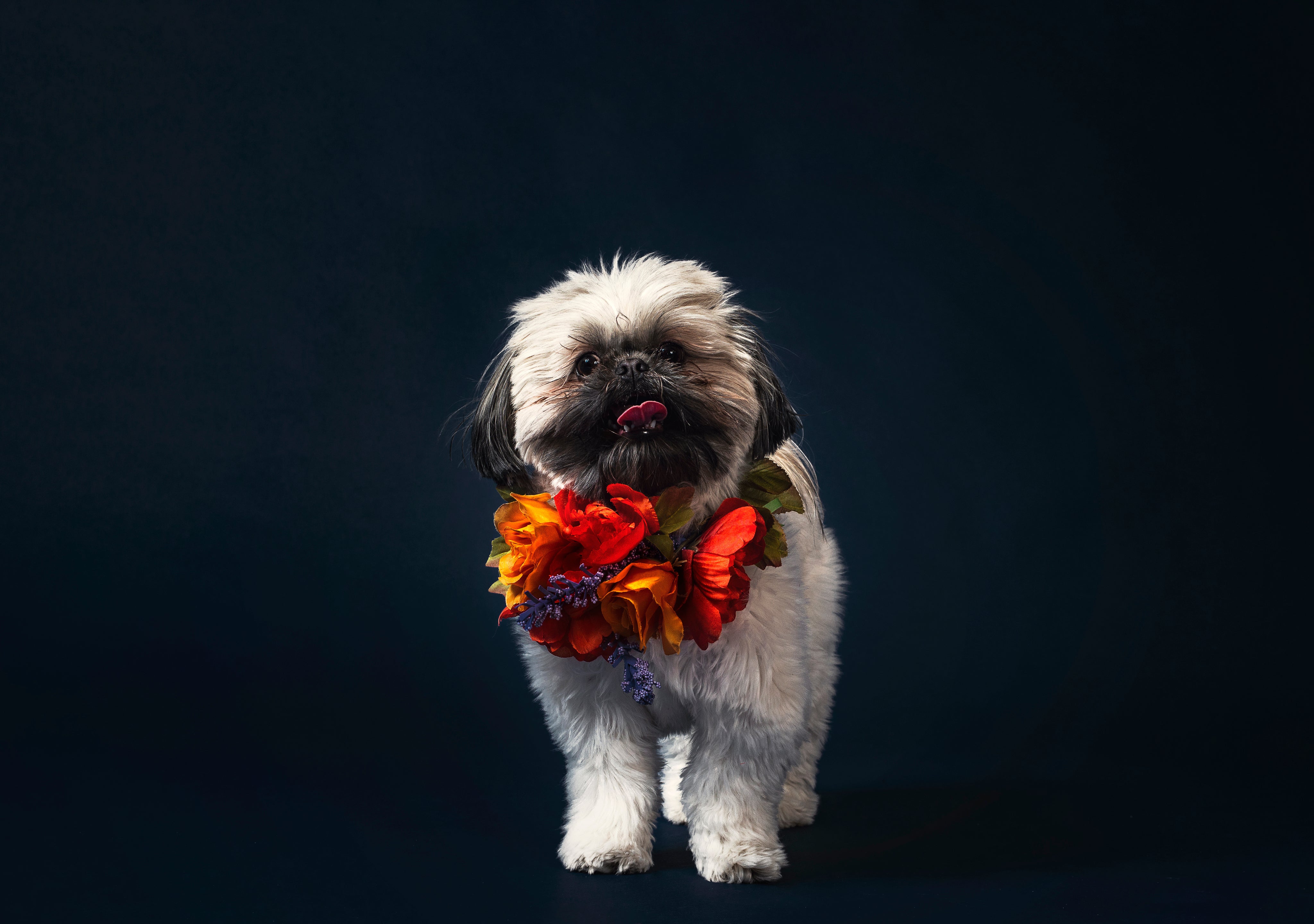
Right after a haircut. 6 year old dashund/shih Tzu mix

Great deal on flea/tick. Helps take care of my pup
Stronghold Violet For Dogs 5-10lbs (2.6-5kg)

Two sweet girlies decided to make our deck their home. Mosquitoes are a big problem where we live and we had to get them protected. This was the best bang for the buck. I’ve ordered from 79Pets several times and while delivery is not fast it is very consistent.
Revolution Plus For Medium Cats 5.6-11 lbs (2.6-5kg)

As a retired veterinary technician I was extremely happy to finally see a flea and heartworm medication that actually does tapeworms too!!!!!!! This is a 1st to my knowledge....I live in a tropical climate where fleas never die so this is heaven sent.
Nexgard Combo For Cats 5.5-16.5 lbs (2.5-7.5 kg)

Great for free delivery worldwide and it took shorter time than I expected. Thanks
Simparica Trio For Dogs 5.6-11 lbs (2.5-5 kg)

My dog is excited to have her Advocate given every month! Great customer service and we're already a returned customer!
Advocate (Advantage Multi) For Small Dog Upto 4kg 8.8lbs (4kg)

Great price, authentic quality and reliable shipping. Shipping takes a bit longer, since it is being shipped from abroad. But still a reliable service.
NexGard & Heartgard (Green) Combo Dogs 24-60 lbs (10-25 kg)

79 pets has great service, they resolved my issue when I purchased by mistake . Thank you!
Simparica Trio For Dogs 22.1-44 lbs (10-20 kg)

Very happy with the price of Stronghold heart worm med for my dog. Seems to be working well.
Stronghold Teal For Dogs 44-88lbs (20-40kg)

My dog loves this product, never got any issue. Good price , deliver on time. We will definitely keep purchasing with 79 pets.com. Thanks!
Simparica Trio For Dogs 22.1-44 lbs (10-20 kg)

Great customer service! Would definitely purchase from them again!
Advocate (Advantage Multi) For Small Dog Upto 4kg 8.8lbs (4kg)

My fur babies love being protected from fleas!
Stronghold Blue For Cats 5.7-15.5lbs (2.6-7.5kg)

No more fleas! I love it and my pets love it!
Stronghold Teal For Dogs 44-88lbs (20-40kg)

I have 3 of these little rascals so Michigan flea/tick season can be financially brutal! Thank you for keeping NexGard so affordable.
NexGard Chew For Small Dogs 10-24lbs (4-10kg)

it is so easy to order
NexGard & Heartgard (Brown) Combo Dogs 60-121 lbs (25-50 kg)

I have no difficulty to give the tablet to my dog. I want my shipping to come faster by the way.
NexGard Spectra For Small Dog 8-16 lbs (3.5-7.5kg)

Stronghold Plus keep my baby safe
Stronghold Plus For Large Cats 11 lbs to 22 lbs (5-10kg)

Thank You 79pets
Stronghold Plus For Medium Cats 5.5 lbs to 11 lbs (2.5-5kg)

Advocate can only be found here n it's easier to order online. Thanks 79!
Advocate (Advantage Multi) For Cats Over 8.8lbs (4kg)

Great product and price. Shipping updates helped, since product comes from abroad. I would definitely recommend and use it again.
NexGard & Heartgard (Green) Combo Dogs 24-60 lbs (10-25 kg)

Easy to give!
NexGard Spectra For Small Dog 8-16 lbs (3.5-7.5kg)

Stronghold Plus does exactly what it was advertised for. Effective and best product. Would highly recommend Stronghold Plus.
Stronghold Plus For Cats 5.5 lbs to 11 lbs (2.5-5kg) 3 Pack

After Seresto collars failed to get rid of fleas, I didn't know where to turn. I saw a post on a page I follow (Kentucky Kitty Cats) saying that they use Nexgard Combo for the cats they shelter. I decided to try it and IT WORKS!
Nexgard Combo for Cats 5.5-16.5 lbs (2.5-7.5 kg)

My kitty love Revolution. One of the best product for flea & ticks. Good price will definitely recommend this website.
Revolution Plus For Medium Cats 5.6-11 lbs (2.6-5kg)

Tried this the first time and the correct medication was sent on time to me. Will definitely use this site again. Thanks!
Simparica Chewables For Very Small Dogs 5.6-11 lbs (2.5-5kg)

Happy Kitty
Revolution Plus For Medium Cats 5.6-11 lbs (2.6-5kg)

As described. Value for money
Nexgard Chew Red for Large Dogs Flea & Tick 60-121 lbs. (25-50kg)

This is Lexi Marie! She was wondering why mom was so excited for buying flea medicine. I explained to her that we saved $100 and that she would understand some day when she grows up.
Revolution Plus For Large Cats 11.1-22lbs (5-10kg)

Received on time. Thank You 79Pets
Nexgard Chew Red for Large Dogs Flea & Tick 60-121 lbs. (25-50kg)

Very good experience!
Revolution Plus For Large Cats 11.1-22lbs (5-10kg)

Last year, I made a visit to the vet. I told them that Kattie/cat had ear mites. They gave me an ointment costing $80canadian. I used it up and purchased another bottle. $160. total not including the cost of the vet visit. No results. The ear mites have been there for a long time. Canadian vets have control of what is sold in Pet stores and you cannot purchase off the shelf products not recognized by them. I jumped at the chance to purchase your produce with a recommended 100% effectivity. I was willing to try, but was suspicions. After a month there was still a little scratching but after 6 weeks, the mites are gone and the scratching is gone. Thank you very much for this mite solution. I recommend it heartily. Harry P.S. Do not tell the Canadian vets as they will outlaw your product.
Revolution Plus For Medium Cats 5.6-11 lbs (2.6-5kg)