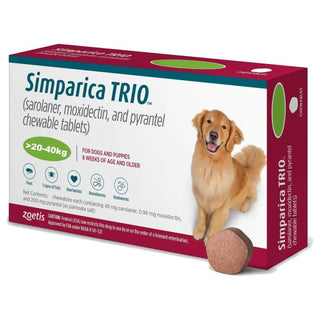
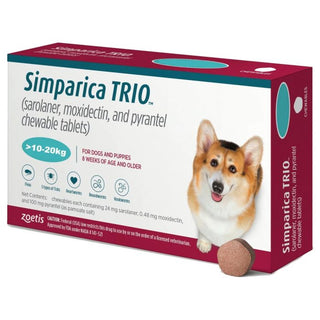


Not much to add. Dog tolerates it and price is good


Can dogs get food poisoning? Yes, they can. Although dogs often seem willing to eat almost anything, spoiled food, contaminated pet food, garbage, moldy items, raw meat, and certain toxic human foods can make them seriously ill.
A dog that eats something unsafe may develop vomiting, diarrhea, stomach pain, tiredness, or a loss of appetite. In some cases, the problem may be mild and pass quickly. However, food poisoning in dogs can also become dangerous, especially when dehydration, toxins, bacteria, or neurological symptoms are involved.
Knowing what to watch for and when to contact a veterinarian can help protect your dog from a more serious emergency.
Food poisoning happens when a dog eats food contaminated with harmful bacteria, parasites, mold, toxins, or other unsafe substances. Contaminated food can irritate your dog’s stomach and intestines, leading to anything from mild loose stools to more serious illness.
However, not every upset stomach is true food poisoning. Dogs can also become sick after eating rich table scraps, unfamiliar foods, too many treats, or something that simply does not agree with them. This type of stomach upset is often referred to as “garbage gut” because it commonly occurs after a dog rummages through and eats food from the trash.
Even when the cause seems minor, repeated vomiting or diarrhea should never be ignored.
Dogs are curious scavengers, and their strong sense of smell can lead them toward food that is unsafe to eat. Some common causes include:
Old leftovers, food left outside, expired products, moldy bread, and rotten fruit can all be risky. Mold can produce harmful toxins that may cause vomiting, tremors, weakness, or seizures in severe cases.
Trash cans and compost bins can contain spoiled food, bones, fatty leftovers, packaging, mold, or toxic ingredients. Dogs may also find dangerous items in outdoor bins or piles, especially if they are not securely covered.
Raw meat, poultry, eggs, and unpasteurized products may carry bacteria such as Salmonella or Campylobacter. These can make dogs sick and pose a hygiene risk to people handling the food, bowls, or pet waste.
Dogs may be tempted to eat dead birds, rodents, animal droppings, or other decaying material during walks or in the yard. These can expose them to bacteria, parasites, or toxins.
Although uncommon, pet food and treats can occasionally be recalled due to bacterial contamination, mold toxins, or manufacturing issues. Keep the original bag or label so you can easily check the product name, lot number, and best-by date in the event of a recall.
Some foods do not cause food poisoning but can still be highly dangerous for dogs. Chocolate, grapes and raisins, onions, garlic, xylitol, alcohol, caffeine, macadamia nuts, and yeast dough are examples of foods that may cause poisoning or serious health complications.
Food poisoning symptoms can differ from one dog to another based on the substance eaten, the amount consumed, the dog’s size, and the dog's general health.
Common symptoms include:
More serious warning signs may include:
Puppies, senior dogs, very small dogs, pregnant dogs, and dogs with health conditions can become dehydrated or seriously unwell more quickly than healthy adult dogs.
Food poisoning and food toxicity can look similar because both may cause vomiting, diarrhea, weakness, and loss of appetite.
The difference is in the cause.
Food poisoning usually involves harmful bacteria, parasites, mold, or contamination in something the dog ate.
Food toxicity occurs when a dog eats an ingredient that is poisonous to dogs, even if the food itself is fresh. For example, a dog that eats sugar-free gum containing xylitol may become very ill even though the gum is not spoiled.
Because the symptoms can overlap, it is safest to contact a veterinarian whenever you know or suspect your dog has eaten something dangerous.
If your dog may have eaten spoiled food, garbage, raw meat, moldy food, animal waste, or toxic human food, stay calm and take quick, practical steps.
Remove any remaining food, trash, packaging, or other objects so your dog cannot eat more. Keep other pets away from it as well.
Try to determine:
This information can help your veterinarian decide how urgently your dog needs care.
Call your regular veterinarian or an emergency animal clinic for advice, especially if your dog has repeated vomiting, severe diarrhea, weakness, pain, tremors, or any unusual behavior.
Do not assume that a dog will be fine simply because they have eaten questionable foods before without becoming sick.
Making your dog vomit at home may cause harm and should not be attempted without veterinary advice. It may cause choking, aspiration, injury to the throat, or make the situation worse, depending on what your dog ate.
Only follow vomiting instructions provided by a veterinary professional.
Vomiting and diarrhea can cause dehydration quickly. Offer clean water unless your veterinarian advises otherwise. If your dog cannot keep water down, seems very weak, has dry gums, or is not urinating normally, seek veterinary care promptly.
Seek emergency veterinary care right away if your dog shows any of these symptoms:
Early treatment can make a major difference. Your veterinarian may recommend an exam, fluids, medication for nausea, blood tests, stool testing, or other treatment based on the suspected cause.
The appropriate care will vary based on what your dog consumed and the severity of their symptoms. Mild stomach upset may only require supportive care and close monitoring. More severe cases may need urgent treatment.
A veterinarian may recommend:
Never give human anti-diarrhea medicine, pain medicine, antibiotics, or home remedies without veterinary guidance. Some human medications can be unsafe for dogs.
Preventing food poisoning in dogs is often easier than treating it. A few simple habits can significantly lower the risk.
Use a dog-proof bin with a lid or keep the trash inside a closed cabinet. Do not leave food scraps on counters, tables, or low shelves.
Compost bins should be tightly covered and placed where dogs cannot access them. This precaution is particularly important for outdoor compost heaps, where spoiled or mold-covered food may be present.
Keep kibble and treats in a cool, dry place. Retain the original packaging or store the entire bag inside a sealed container. This makes it easier to check product information during a recall.
Look at best-by dates before feeding food or treats. If your dog becomes sick after eating a specific product, save the packaging and contact your veterinarian. It is also sensible to check official pet food recall notices from time to time.
Fatty foods, cooked bones, heavily seasoned meals, sauces, and rich leftovers can upset your dog’s stomach. Some foods may also trigger pancreatitis or expose your dog to toxic ingredients.
Keep an eye on your dog around parks, sidewalks, bins, and unfamiliar areas. Training cues such as “leave it” and “drop it” can be extremely useful for dogs that like to pick up food or objects from the ground.
Many dogs recover well when the cause is mild and they receive prompt care. However, recovery depends on the substance eaten, the amount consumed, the dog’s size and health, and how quickly treatment begins.
Never wait for symptoms to become severe when you know your dog has eaten something potentially toxic or contaminated. A quick call to your veterinarian can provide reassurance when the risk is low and urgent guidance when immediate treatment is needed.
Can dogs get food poisoning? Absolutely. Dogs may have tough stomachs, but they are not immune to spoiled food, contaminated pet food, garbage, mold, raw meat, or dangerous human foods.
The best protection is prevention: secure trash and compost, store pet food properly, avoid unsafe table scraps, supervise outdoor time, and contact a veterinarian promptly if something does not seem right.
When in doubt, treat unusual vomiting, diarrhea, weakness, tremors, or known exposure to toxic foods as a reason to seek professional veterinary advice.
Overall rating: 4.8 / 5 from 1134 reviews.
Not much to add. Dog tolerates it and price is good

This is the only flea medication that works for us where we live.

This on-line company is such a good find. They provide quality products at a good price with delivering them efficiently. Definitely recommend purchasing from them.

Items arrived on time and work great!

Love stronghold

Same product at a great price

Fast shipping great quality and price

We are happy with Heartgard Plus

I’ve been using Symperica Trio for a yr now. Love it. 79 pets ships fast and prices are more affordable. Thank You

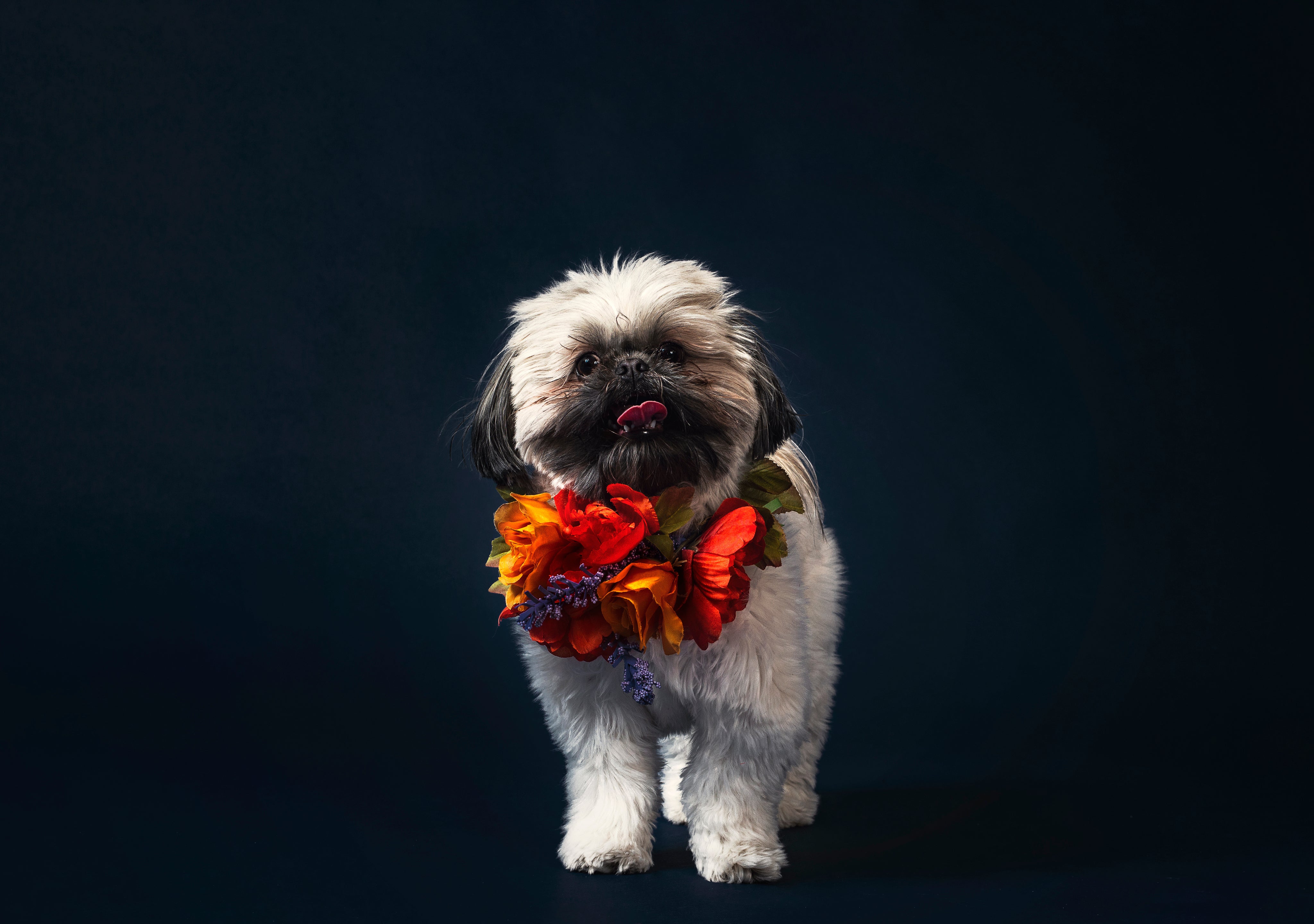
Right after a haircut. 6 year old dashund/shih Tzu mix

Great deal on flea/tick. Helps take care of my pup
Stronghold Violet For Dogs 5-10lbs (2.6-5kg)

Two sweet girlies decided to make our deck their home. Mosquitoes are a big problem where we live and we had to get them protected. This was the best bang for the buck. I’ve ordered from 79Pets several times and while delivery is not fast it is very consistent.
Revolution Plus For Medium Cats 5.6-11 lbs (2.6-5kg)

As a retired veterinary technician I was extremely happy to finally see a flea and heartworm medication that actually does tapeworms too!!!!!!! This is a 1st to my knowledge....I live in a tropical climate where fleas never die so this is heaven sent.
Nexgard Combo For Cats 5.5-16.5 lbs (2.5-7.5 kg)

Great for free delivery worldwide and it took shorter time than I expected. Thanks
Simparica Trio For Dogs 5.6-11 lbs (2.5-5 kg)

My dog is excited to have her Advocate given every month! Great customer service and we're already a returned customer!
Advocate (Advantage Multi) For Small Dog Upto 4kg 8.8lbs (4kg)

Great price, authentic quality and reliable shipping. Shipping takes a bit longer, since it is being shipped from abroad. But still a reliable service.
NexGard & Heartgard (Green) Combo Dogs 24-60 lbs (10-25 kg)

79 pets has great service, they resolved my issue when I purchased by mistake . Thank you!
Simparica Trio For Dogs 22.1-44 lbs (10-20 kg)

Very happy with the price of Stronghold heart worm med for my dog. Seems to be working well.
Stronghold Teal For Dogs 44-88lbs (20-40kg)

My dog loves this product, never got any issue. Good price , deliver on time. We will definitely keep purchasing with 79 pets.com. Thanks!
Simparica Trio For Dogs 22.1-44 lbs (10-20 kg)

Great customer service! Would definitely purchase from them again!
Advocate (Advantage Multi) For Small Dog Upto 4kg 8.8lbs (4kg)

My fur babies love being protected from fleas!
Stronghold Blue For Cats 5.7-15.5lbs (2.6-7.5kg)

No more fleas! I love it and my pets love it!
Stronghold Teal For Dogs 44-88lbs (20-40kg)

I have 3 of these little rascals so Michigan flea/tick season can be financially brutal! Thank you for keeping NexGard so affordable.
NexGard Chew For Small Dogs 10-24lbs (4-10kg)

it is so easy to order
NexGard & Heartgard (Brown) Combo Dogs 60-121 lbs (25-50 kg)

I have no difficulty to give the tablet to my dog. I want my shipping to come faster by the way.
NexGard Spectra For Small Dog 8-16 lbs (3.5-7.5kg)

Stronghold Plus keep my baby safe
Stronghold Plus For Large Cats 11 lbs to 22 lbs (5-10kg)

Thank You 79pets
Stronghold Plus For Medium Cats 5.5 lbs to 11 lbs (2.5-5kg)

Advocate can only be found here n it's easier to order online. Thanks 79!
Advocate (Advantage Multi) For Cats Over 8.8lbs (4kg)

Great product and price. Shipping updates helped, since product comes from abroad. I would definitely recommend and use it again.
NexGard & Heartgard (Green) Combo Dogs 24-60 lbs (10-25 kg)

Easy to give!
NexGard Spectra For Small Dog 8-16 lbs (3.5-7.5kg)

Stronghold Plus does exactly what it was advertised for. Effective and best product. Would highly recommend Stronghold Plus.
Stronghold Plus For Cats 5.5 lbs to 11 lbs (2.5-5kg) 3 Pack

After Seresto collars failed to get rid of fleas, I didn't know where to turn. I saw a post on a page I follow (Kentucky Kitty Cats) saying that they use Nexgard Combo for the cats they shelter. I decided to try it and IT WORKS!
Nexgard Combo for Cats 5.5-16.5 lbs (2.5-7.5 kg)

My kitty love Revolution. One of the best product for flea & ticks. Good price will definitely recommend this website.
Revolution Plus For Medium Cats 5.6-11 lbs (2.6-5kg)

Tried this the first time and the correct medication was sent on time to me. Will definitely use this site again. Thanks!
Simparica Chewables For Very Small Dogs 5.6-11 lbs (2.5-5kg)

Happy Kitty
Revolution Plus For Medium Cats 5.6-11 lbs (2.6-5kg)

As described. Value for money
Nexgard Chew Red for Large Dogs Flea & Tick 60-121 lbs. (25-50kg)

This is Lexi Marie! She was wondering why mom was so excited for buying flea medicine. I explained to her that we saved $100 and that she would understand some day when she grows up.
Revolution Plus For Large Cats 11.1-22lbs (5-10kg)

Received on time. Thank You 79Pets
Nexgard Chew Red for Large Dogs Flea & Tick 60-121 lbs. (25-50kg)

Very good experience!
Revolution Plus For Large Cats 11.1-22lbs (5-10kg)

Last year, I made a visit to the vet. I told them that Kattie/cat had ear mites. They gave me an ointment costing $80canadian. I used it up and purchased another bottle. $160. total not including the cost of the vet visit. No results. The ear mites have been there for a long time. Canadian vets have control of what is sold in Pet stores and you cannot purchase off the shelf products not recognized by them. I jumped at the chance to purchase your produce with a recommended 100% effectivity. I was willing to try, but was suspicions. After a month there was still a little scratching but after 6 weeks, the mites are gone and the scratching is gone. Thank you very much for this mite solution. I recommend it heartily. Harry P.S. Do not tell the Canadian vets as they will outlaw your product.
Revolution Plus For Medium Cats 5.6-11 lbs (2.6-5kg)