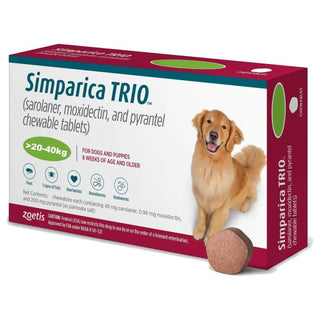
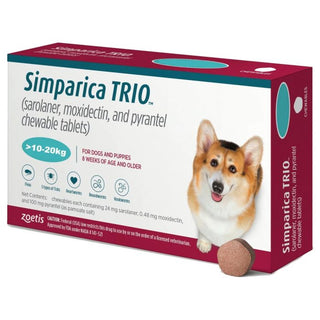


Not much to add. Dog tolerates it and price is good


Fleas may be tiny, but they can cause big problems for cats. A single flea bite can lead to itching, scratching, skin irritation, hair loss, and discomfort. In some cats, flea bites can trigger flea allergy dermatitis, causing an intense reaction even when only a few fleas are present.
Choosing the best flea treatment for cats is not simply about buying the strongest product available. The right option depends on your cat’s age, body weight, health condition, lifestyle, and the parasites common in your area.
This guide covers safe and effective flea treatment choices for cats, tips for selecting the most suitable option, and steps to take when fleas have already spread inside your home.
Many cat owners assume indoor cats do not need flea protection. However, fleas can enter the home in several ways. They may come inside on another pet, clothing, shoes, visitors, or through areas such as balconies, gardens, hallways, and shared outdoor spaces.
Fleas can cause more than temporary itching. They may lead to:
The best flea treatment for cats helps kill fleas on the cat while preventing new fleas from developing and multiplying.
Cats are excellent groomers, so you may not always see live fleas. Instead, look for subtle signs that suggest a flea problem.
Common signs include:
Flea dirt looks like tiny black pepper-like specks. To check it, place a few specks on a damp white tissue or paper towel. If they leave a reddish-brown stain, they may be flea droppings containing digested blood.
There is no single best flea treatment for every cat. The ideal choice depends on whether your cat is an indoor cat, an outdoor explorer, a kitten, a senior cat, or living with other pets.
The most reliable options are usually veterinary-approved flea preventions made specifically for cats. These may be available as topical spot-on treatments, oral medications, flea collars, or combination parasite products.
Check the product label thoroughly and use the treatment only as directed.
Topical flea treatments are among the most popular choices for cats. These treatments are applied directly to the skin, most often between the shoulder blades, where your cat is less likely to reach and lick the area.
Many topical treatments work for around one month, although some products may provide longer-lasting protection.
Depending on the formula, a topical product may help control:
Topical flea treatments can be a practical choice because they are easy to apply and do not require your cat to swallow a tablet. They are especially useful for cats that are picky eaters or difficult to medicate.
To use a topical flea treatment correctly:
Never split one tube between multiple cats unless the product label and your veterinarian specifically tell you to do so.
Oral flea medications are another effective option for some cats. These products are administered by mouth, usually as chewable tablets or flavored pills.
Some oral flea treatments begin killing adult fleas quickly, making them useful when a cat already has an active flea infestation. Others provide ongoing protection for a month or longer.
Oral flea treatments may be helpful for cats that:
However, giving tablets can be challenging for some cats. Your veterinarian may suggest placing the medication in a small amount of wet food or using a pill treat, but always make sure your cat receives the full dose.
Modern flea collars can provide convenient, long-lasting protection. Some flea collars may protect against fleas and ticks for several months.
A flea collar may be a useful option for cats that resist topical treatments or tablets. However, not all collars are equally effective, and some low-cost products may not provide reliable protection.
When selecting a flea collar for your cat, keep these points in mind:
A collar should not cause redness, hair loss, swelling, or excessive scratching around the neck. Remove it and contact your veterinarian if you notice a reaction.
Some cat parasite preventives offer broader coverage than flea control alone. Depending on the product, they may protect against fleas, ticks, mites, intestinal worms, or heartworm disease.
These combination products can be useful for cats that go outdoors, hunt, spend time around other animals, or live in regions where multiple parasites are common.
A broader product is not always necessary for every cat. For example, an indoor-only cat may have different needs than a cat that spends time in gardens, shared corridors, or outdoor areas.
A veterinarian can recommend protection based on your cat’s actual exposure to parasites, helping you avoid choosing unnecessary coverage.
Before selecting a flea product, consider the following factors.
Kittens cannot use every flea product. Some treatments are approved only for cats over a certain age or body weight.
Never guess when treating a young kitten. Very small kittens can become seriously unwell if they receive an unsuitable product or an incorrect dose.
Flea treatments are often divided into weight ranges. Using the wrong dose may make the treatment less effective or increase the risk of side effects.
Weigh your cat before buying a treatment, especially if your cat is growing, underweight, overweight, elderly, or recovering from illness.
Outdoor cats may have a higher risk of fleas, ticks, and other parasites. Indoor cats can still get fleas, but their prevention plan may be different.
Consider whether your cat:
If one pet has fleas, all suitable pets in the home may need treatment. Treating only one animal often allows fleas to continue reproducing through untreated pets and the environment.
Use the correct product for each species. A dog treatment should never be used on a cat.
Speak with a veterinarian before starting a flea treatment if your cat is:
Cat safety must always come first. Cats process certain chemicals differently from dogs, and some ingredients that may be used in dog flea treatments can be highly toxic to cats.
Never use a flea treatment on your cat unless the package clearly says it is approved for cats.
Avoid these mistakes:
If you think your cat has been exposed to the wrong flea product, contact a veterinarian or emergency animal clinic immediately. Signs of toxicity may include drooling, vomiting, twitching, tremors, weakness, agitation, difficulty walking, or seizures.
Treating your cat is only part of flea control. Adult fleas may be visible on your pet, but flea eggs, larvae, and pupae can remain in carpets, furniture, bedding, cracks, and resting areas.
A flea infestation can take time to control because new fleas may continue emerging from the environment.
To help break the flea life cycle:
Vacuum carpets, rugs, sofas, under furniture, pet beds, floor edges, and areas where your cat sleeps. Empty the vacuum canister or dispose of the bag afterward.
Wash pet bedding, blankets, cushion covers, and washable fabrics in hot water when possible. Dry them thoroughly.
Every pet in the household should receive an appropriate flea treatment based on its species, age, weight, and health condition.
A fine-toothed flea comb can help remove adult fleas and flea dirt. Dip the comb into soapy water after each pass to trap and kill fleas.
You may still see fleas for a period after treatment begins because immature flea stages in the home can continue developing. Do not assume the product has failed after seeing one or two new fleas. Continue using the product exactly as directed and keep up with environmental cleaning.
Contact your veterinarian if:
Your veterinarian can rule out other causes of itching, such as skin infection, mites, food allergies, or environmental allergies.
Yes. Fleas can enter the home through other pets, visitors, shoes, clothing, shared hallways, balconies, and outdoor areas. Indoor cats may still benefit from regular flea prevention.
It depends on the product. Some treatments are applied monthly, while others may last longer. Follow the label and your veterinarian’s recommendations.
No. Dog flea products can contain ingredients that are unsafe or toxic for cats. Only use flea treatments labeled specifically for cats.
The flea treatment may be working, but flea eggs and pupae in the home can continue developing. Treat all pets, clean the home regularly, and use flea prevention consistently.
Yes. Fleas can cause intense itching, skin infections, flea allergy dermatitis, tapeworm infections, and, in severe cases, anemia, especially in kittens.
The best flea treatment for cats is one that is safe for your cat’s age, weight, lifestyle, and health needs. Topical treatments, oral medications, flea collars, and combination parasite preventives can all be effective when used correctly.
The most important rule is simple: only use products designed specifically for cats and follow the instructions exactly.
By combining reliable flea prevention with regular cleaning and veterinary guidance when needed, you can help keep your cat comfortable, healthy, and protected from fleas all year round.

Overall rating: 4.8 / 5 from 1134 reviews.
Not much to add. Dog tolerates it and price is good

This is the only flea medication that works for us where we live.

This on-line company is such a good find. They provide quality products at a good price with delivering them efficiently. Definitely recommend purchasing from them.

Items arrived on time and work great!

Love stronghold

Same product at a great price

Fast shipping great quality and price

We are happy with Heartgard Plus

I’ve been using Symperica Trio for a yr now. Love it. 79 pets ships fast and prices are more affordable. Thank You

Right after a haircut. 6 year old dashund/shih Tzu mix

Great deal on flea/tick. Helps take care of my pup
Stronghold Violet For Dogs 5-10lbs (2.6-5kg)

Two sweet girlies decided to make our deck their home. Mosquitoes are a big problem where we live and we had to get them protected. This was the best bang for the buck. I’ve ordered from 79Pets several times and while delivery is not fast it is very consistent.
Revolution Plus For Medium Cats 5.6-11 lbs (2.6-5kg)

As a retired veterinary technician I was extremely happy to finally see a flea and heartworm medication that actually does tapeworms too!!!!!!! This is a 1st to my knowledge....I live in a tropical climate where fleas never die so this is heaven sent.
Nexgard Combo For Cats 5.5-16.5 lbs (2.5-7.5 kg)

Great for free delivery worldwide and it took shorter time than I expected. Thanks
Simparica Trio For Dogs 5.6-11 lbs (2.5-5 kg)

My dog is excited to have her Advocate given every month! Great customer service and we're already a returned customer!
Advocate (Advantage Multi) For Small Dog Upto 4kg 8.8lbs (4kg)

Great price, authentic quality and reliable shipping. Shipping takes a bit longer, since it is being shipped from abroad. But still a reliable service.
NexGard & Heartgard (Green) Combo Dogs 24-60 lbs (10-25 kg)

79 pets has great service, they resolved my issue when I purchased by mistake . Thank you!
Simparica Trio For Dogs 22.1-44 lbs (10-20 kg)

Very happy with the price of Stronghold heart worm med for my dog. Seems to be working well.
Stronghold Teal For Dogs 44-88lbs (20-40kg)

My dog loves this product, never got any issue. Good price , deliver on time. We will definitely keep purchasing with 79 pets.com. Thanks!
Simparica Trio For Dogs 22.1-44 lbs (10-20 kg)

Great customer service! Would definitely purchase from them again!
Advocate (Advantage Multi) For Small Dog Upto 4kg 8.8lbs (4kg)

My fur babies love being protected from fleas!
Stronghold Blue For Cats 5.7-15.5lbs (2.6-7.5kg)

No more fleas! I love it and my pets love it!
Stronghold Teal For Dogs 44-88lbs (20-40kg)

I have 3 of these little rascals so Michigan flea/tick season can be financially brutal! Thank you for keeping NexGard so affordable.
NexGard Chew For Small Dogs 10-24lbs (4-10kg)

it is so easy to order
NexGard & Heartgard (Brown) Combo Dogs 60-121 lbs (25-50 kg)

I have no difficulty to give the tablet to my dog. I want my shipping to come faster by the way.
NexGard Spectra For Small Dog 8-16 lbs (3.5-7.5kg)

Stronghold Plus keep my baby safe
Stronghold Plus For Large Cats 11 lbs to 22 lbs (5-10kg)

Thank You 79pets
Stronghold Plus For Medium Cats 5.5 lbs to 11 lbs (2.5-5kg)

Advocate can only be found here n it's easier to order online. Thanks 79!
Advocate (Advantage Multi) For Cats Over 8.8lbs (4kg)

Great product and price. Shipping updates helped, since product comes from abroad. I would definitely recommend and use it again.
NexGard & Heartgard (Green) Combo Dogs 24-60 lbs (10-25 kg)

Easy to give!
NexGard Spectra For Small Dog 8-16 lbs (3.5-7.5kg)

Stronghold Plus does exactly what it was advertised for. Effective and best product. Would highly recommend Stronghold Plus.
Stronghold Plus For Cats 5.5 lbs to 11 lbs (2.5-5kg) 3 Pack

After Seresto collars failed to get rid of fleas, I didn't know where to turn. I saw a post on a page I follow (Kentucky Kitty Cats) saying that they use Nexgard Combo for the cats they shelter. I decided to try it and IT WORKS!
Nexgard Combo for Cats 5.5-16.5 lbs (2.5-7.5 kg)

My kitty love Revolution. One of the best product for flea & ticks. Good price will definitely recommend this website.
Revolution Plus For Medium Cats 5.6-11 lbs (2.6-5kg)

Tried this the first time and the correct medication was sent on time to me. Will definitely use this site again. Thanks!
Simparica Chewables For Very Small Dogs 5.6-11 lbs (2.5-5kg)

Happy Kitty
Revolution Plus For Medium Cats 5.6-11 lbs (2.6-5kg)

As described. Value for money
Nexgard Chew Red for Large Dogs Flea & Tick 60-121 lbs. (25-50kg)

This is Lexi Marie! She was wondering why mom was so excited for buying flea medicine. I explained to her that we saved $100 and that she would understand some day when she grows up.
Revolution Plus For Large Cats 11.1-22lbs (5-10kg)

Received on time. Thank You 79Pets
Nexgard Chew Red for Large Dogs Flea & Tick 60-121 lbs. (25-50kg)

Very good experience!
Revolution Plus For Large Cats 11.1-22lbs (5-10kg)

Last year, I made a visit to the vet. I told them that Kattie/cat had ear mites. They gave me an ointment costing $80canadian. I used it up and purchased another bottle. $160. total not including the cost of the vet visit. No results. The ear mites have been there for a long time. Canadian vets have control of what is sold in Pet stores and you cannot purchase off the shelf products not recognized by them. I jumped at the chance to purchase your produce with a recommended 100% effectivity. I was willing to try, but was suspicions. After a month there was still a little scratching but after 6 weeks, the mites are gone and the scratching is gone. Thank you very much for this mite solution. I recommend it heartily. Harry P.S. Do not tell the Canadian vets as they will outlaw your product.
Revolution Plus For Medium Cats 5.6-11 lbs (2.6-5kg)