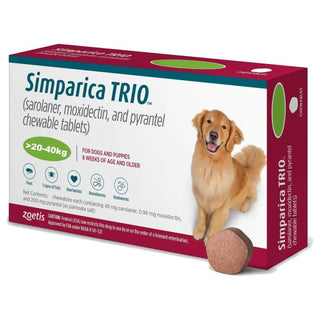
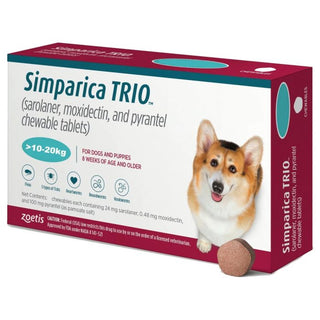


Not much to add. Dog tolerates it and price is good


An underweight cat can be a sign that something is not right. Some cats are naturally slim, but if your cat looks bony, is losing weight, eating less, or eating normally but still getting thinner, it should not be ignored.
A healthy weight is important for your cat’s energy, immunity, muscle strength, coat condition, and overall quality of life. Understanding why a cat may become underweight can help you take the right steps before the problem becomes more serious.
A cat may be underweight if you can easily see or feel the ribs, spine, hip bones, or shoulder bones. You may also notice a narrow waist, loss of muscle, dull coat, low energy, or a generally frail appearance.
Some weight changes happen slowly, so they can be easy to miss. Regularly checking your cat’s body condition and weight can help you spot changes early.
There are many reasons why a cat may become too thin. Some causes are simple, while others need veterinary care.
Some cats lose weight because they are not getting enough calories. This may happen if the portion size is too small, the food is not suitable for their age or activity level, or another pet is eating their food.
Cats that are very active, pregnant, nursing, growing, or recovering from illness may need more calories than usual.
Painful teeth, gum disease, mouth ulcers, or oral infections can make eating difficult. A cat with dental pain may walk away from food, chew on one side, drop food from the mouth, drool, or prefer soft food over dry kibble.
Even if your cat seems interested in food, mouth pain can stop them from eating enough.
Changes in a cat’s surroundings can affect their comfort, behavior, and appetite. Moving home, a new pet, a new baby, loud noises, travel, changes in routine, or conflict with another cat can affect appetite.
Some cats also avoid eating if their food bowl is placed in a noisy, crowded, or stressful area.
Intestinal worms and other parasites can affect a cat’s ability to absorb nutrients. This is more common in kittens, outdoor cats, newly adopted cats, and cats that hunt.
Possible signs may include weight loss, poor coat condition, diarrhea, vomiting, bloating, or changes in appetite.
Cats with digestive issues may lose weight even when they are eating. Conditions affecting the stomach or intestines can interfere with digestion and nutrient absorption.
Signs may include vomiting, diarrhea, soft stools, gas, poor appetite, or weight loss despite regular meals.
Hyperthyroidism is more common in older cats. When the thyroid gland releases an excessive amount of thyroid hormone, causing the body’s metabolism to work faster than normal.
A cat with hyperthyroidism may lose weight even though they seem hungry all the time. Other signs can include restlessness, increased thirst, vomiting, diarrhea, poor coat condition, or a faster heartbeat.
Diabetes may also lead to weight loss in cats. A diabetic cat may eat normally or even more than usual, but still lose weight because the body cannot properly use glucose for energy.
Common signs include increased thirst, increased urination, weight loss, tiredness, and sometimes weakness in the back legs.
Kidney disease is another common concern, especially in senior cats. Cats with kidney problems may gradually lose weight and muscle.
Other signs can include increased thirst, increased urination, reduced appetite, vomiting, bad breath, dehydration, and a dull coat.
Older cats can lose muscle as they age. However, noticeable weight loss should not be dismissed as “just old age.” Senior cats are more likely to develop medical conditions that affect weight, appetite, digestion, and metabolism.
If your older cat is getting thinner, a vet check is important.
You should speak to a veterinarian if your cat is losing weight, looks underweight, refuses food, eats more but still gets thinner, drinks more water than usual, vomits often, has diarrhea, seems weak, or has a sudden change in behavior.
Weight loss can be linked to serious health problems, so it is better to identify the cause early rather than simply increasing food intake.
Your vet may check your cat’s body condition, teeth, hydration, temperature, heart rate, and overall health. Depending on the symptoms, they may recommend blood, urine, or stool tests, thyroid tests, or other diagnostic tests.
These tests help find out whether the weight loss is caused by diet, parasites, dental disease, organ disease, hormonal problems, or another medical condition.
If your vet has ruled out serious medical problems, you can help your cat gain weight with a safe and consistent plan.
Choose a complete and balanced cat food that matches your cat’s life stage. Kittens, adults, seniors, pregnant cats, and cats with medical conditions may need different nutrition.
Avoid feeding only treats, milk, or human food, as these may not provide the right balance of nutrients.
Feeding smaller meals more often during the day may work better for some cats than offering one or two large portions. This approach can be especially useful for fussy eaters, older cats, or cats rebuilding strength after illness.
Wet food can be easier to chew, more aromatic, and more appealing to many cats. It also adds moisture to the diet, which can be helpful for cats that do not drink much water.
You can gently warm wet food to intensify the smell, but make sure it is not hot before serving.
Place your cat’s food bowl in a calm, quiet area. In a multi-pet home, it is best to feed your underweight cat in a separate, quiet space so they can eat calmly without competition, pressure, or being pushed away from their bowl.
Use clean bowls and avoid placing food too close to the litter box.
Weigh your cat regularly and keep a simple record. Small changes can be important, especially in cats. If your cat remains underweight even after eating more, it is best to speak with your veterinarian.
Helping a cat gain weight should be done carefully. Feeding too much too quickly can upset the stomach and may not solve the underlying issue.
A steady, gradual improvement is usually safer than rapid weight gain.
Do not try to fatten your cat with unhealthy foods such as fried food, sugary snacks, processed meats, large amounts of dairy, or heavily seasoned human meals. Many human foods can upset a cat’s stomach or be unsafe for a cat.
Always use proper cat food or vet-recommended nutrition.
An underweight cat may simply need better nutrition or a calmer feeding routine, but weight loss can also point to dental disease, parasites, diabetes, kidney disease, hyperthyroidism, digestive problems, or other health concerns.
The safest approach is to look at the full picture: appetite, weight, water intake, energy level, stool quality, vomiting, and behavior. If your cat is getting thinner or looks too bony, schedule a vet visit and follow a healthy, gradual plan to help them return to a better body condition.

Overall rating: 4.8 / 5 from 1134 reviews.
Not much to add. Dog tolerates it and price is good

This is the only flea medication that works for us where we live.

This on-line company is such a good find. They provide quality products at a good price with delivering them efficiently. Definitely recommend purchasing from them.

Items arrived on time and work great!

Love stronghold

Same product at a great price

Fast shipping great quality and price

We are happy with Heartgard Plus

I’ve been using Symperica Trio for a yr now. Love it. 79 pets ships fast and prices are more affordable. Thank You

Right after a haircut. 6 year old dashund/shih Tzu mix

Great deal on flea/tick. Helps take care of my pup
Stronghold Violet For Dogs 5-10lbs (2.6-5kg)

Two sweet girlies decided to make our deck their home. Mosquitoes are a big problem where we live and we had to get them protected. This was the best bang for the buck. I’ve ordered from 79Pets several times and while delivery is not fast it is very consistent.
Revolution Plus For Medium Cats 5.6-11 lbs (2.6-5kg)

As a retired veterinary technician I was extremely happy to finally see a flea and heartworm medication that actually does tapeworms too!!!!!!! This is a 1st to my knowledge....I live in a tropical climate where fleas never die so this is heaven sent.
Nexgard Combo For Cats 5.5-16.5 lbs (2.5-7.5 kg)

Great for free delivery worldwide and it took shorter time than I expected. Thanks
Simparica Trio For Dogs 5.6-11 lbs (2.5-5 kg)

My dog is excited to have her Advocate given every month! Great customer service and we're already a returned customer!
Advocate (Advantage Multi) For Small Dog Upto 4kg 8.8lbs (4kg)

Great price, authentic quality and reliable shipping. Shipping takes a bit longer, since it is being shipped from abroad. But still a reliable service.
NexGard & Heartgard (Green) Combo Dogs 24-60 lbs (10-25 kg)

79 pets has great service, they resolved my issue when I purchased by mistake . Thank you!
Simparica Trio For Dogs 22.1-44 lbs (10-20 kg)

Very happy with the price of Stronghold heart worm med for my dog. Seems to be working well.
Stronghold Teal For Dogs 44-88lbs (20-40kg)

My dog loves this product, never got any issue. Good price , deliver on time. We will definitely keep purchasing with 79 pets.com. Thanks!
Simparica Trio For Dogs 22.1-44 lbs (10-20 kg)

Great customer service! Would definitely purchase from them again!
Advocate (Advantage Multi) For Small Dog Upto 4kg 8.8lbs (4kg)

My fur babies love being protected from fleas!
Stronghold Blue For Cats 5.7-15.5lbs (2.6-7.5kg)

No more fleas! I love it and my pets love it!
Stronghold Teal For Dogs 44-88lbs (20-40kg)

I have 3 of these little rascals so Michigan flea/tick season can be financially brutal! Thank you for keeping NexGard so affordable.
NexGard Chew For Small Dogs 10-24lbs (4-10kg)

it is so easy to order
NexGard & Heartgard (Brown) Combo Dogs 60-121 lbs (25-50 kg)

I have no difficulty to give the tablet to my dog. I want my shipping to come faster by the way.
NexGard Spectra For Small Dog 8-16 lbs (3.5-7.5kg)

Stronghold Plus keep my baby safe
Stronghold Plus For Large Cats 11 lbs to 22 lbs (5-10kg)

Thank You 79pets
Stronghold Plus For Medium Cats 5.5 lbs to 11 lbs (2.5-5kg)

Advocate can only be found here n it's easier to order online. Thanks 79!
Advocate (Advantage Multi) For Cats Over 8.8lbs (4kg)

Great product and price. Shipping updates helped, since product comes from abroad. I would definitely recommend and use it again.
NexGard & Heartgard (Green) Combo Dogs 24-60 lbs (10-25 kg)

Easy to give!
NexGard Spectra For Small Dog 8-16 lbs (3.5-7.5kg)

Stronghold Plus does exactly what it was advertised for. Effective and best product. Would highly recommend Stronghold Plus.
Stronghold Plus For Cats 5.5 lbs to 11 lbs (2.5-5kg) 3 Pack

After Seresto collars failed to get rid of fleas, I didn't know where to turn. I saw a post on a page I follow (Kentucky Kitty Cats) saying that they use Nexgard Combo for the cats they shelter. I decided to try it and IT WORKS!
Nexgard Combo for Cats 5.5-16.5 lbs (2.5-7.5 kg)

My kitty love Revolution. One of the best product for flea & ticks. Good price will definitely recommend this website.
Revolution Plus For Medium Cats 5.6-11 lbs (2.6-5kg)

Tried this the first time and the correct medication was sent on time to me. Will definitely use this site again. Thanks!
Simparica Chewables For Very Small Dogs 5.6-11 lbs (2.5-5kg)

Happy Kitty
Revolution Plus For Medium Cats 5.6-11 lbs (2.6-5kg)

As described. Value for money
Nexgard Chew Red for Large Dogs Flea & Tick 60-121 lbs. (25-50kg)

This is Lexi Marie! She was wondering why mom was so excited for buying flea medicine. I explained to her that we saved $100 and that she would understand some day when she grows up.
Revolution Plus For Large Cats 11.1-22lbs (5-10kg)

Received on time. Thank You 79Pets
Nexgard Chew Red for Large Dogs Flea & Tick 60-121 lbs. (25-50kg)

Very good experience!
Revolution Plus For Large Cats 11.1-22lbs (5-10kg)

Last year, I made a visit to the vet. I told them that Kattie/cat had ear mites. They gave me an ointment costing $80canadian. I used it up and purchased another bottle. $160. total not including the cost of the vet visit. No results. The ear mites have been there for a long time. Canadian vets have control of what is sold in Pet stores and you cannot purchase off the shelf products not recognized by them. I jumped at the chance to purchase your produce with a recommended 100% effectivity. I was willing to try, but was suspicions. After a month there was still a little scratching but after 6 weeks, the mites are gone and the scratching is gone. Thank you very much for this mite solution. I recommend it heartily. Harry P.S. Do not tell the Canadian vets as they will outlaw your product.
Revolution Plus For Medium Cats 5.6-11 lbs (2.6-5kg)