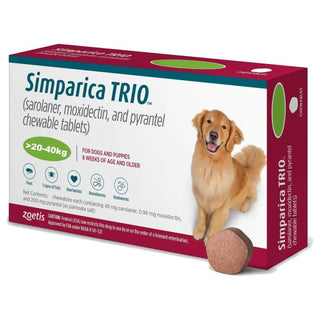
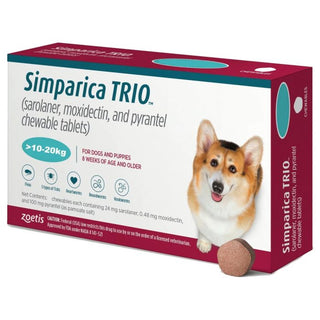


Not much to add. Dog tolerates it and price is good


Cats can be picky eaters, so it can feel surprising when your cat suddenly seems hungry all the time. Some cats may beg for food, follow you to the kitchen, meow near their bowl, steal snacks, or act as if they have not been fed—even after eating a full meal.
Cats may develop a stronger appetite for several different reasons. In some cases, it may be linked to their feeding routine, lack of stimulation, stress, or the type of food they are eating. In other cases, constant hunger can indicate a medical issue that should be evaluated by a veterinarian. Knowing what may be causing the change can help you take the right steps and support your cat’s overall health.
Increased appetite in cats means your cat is eating more than usual or constantly asking for food. Veterinarians may refer to excessive hunger as polyphagia. This does not always mean your cat is simply being greedy. A cat’s body may be asking for more food because it is not getting enough calories, is not absorbing nutrients properly, or is burning energy faster than normal.
A temporary increase in hunger may occur after increased activity, colder weather, a change in routine, or a switch in foods. However, a sudden or sustained increase in appetite should not be ignored, especially if accompanied by weight loss, vomiting, diarrhea, increased thirst, or behavioral changes.
Some cats are naturally food-motivated, but a true change in appetite is usually noticeable. Signs may include:
If your cat is eating more but continues to lose weight, it may point to an underlying health problem. It is important to schedule a veterinary checkup to find the cause and get proper guidance.
There is no single reason why cats develop a bigger appetite. The cause may be simple, such as boredom, or more serious, such as diabetes or hyperthyroidism. Below are some of the most common reasons.
Sometimes the answer is straightforward: your cat may not be eating enough for their age, size, activity level, or health needs. Kittens, young, active cats, pregnant cats, nursing cats, and outdoor cats may need more calories than less-active indoor cats.
Food portions can also be confusing. Feeding guides on cat food labels are general suggestions, not exact rules for every cat. If you recently changed food, the new food may have fewer calories per serving than the previous one. This can make your cat feel hungry even if the bowl looks full.
Measure your cat’s food instead of guessing. A proper measuring cup or kitchen scale can help you feed more accurately.
Not all cat foods provide the same level of nutrition. If a diet is low in high-quality protein or does not keep your cat satisfied, your cat may keep asking for more food.
Cats are obligate carnivores, which means they need animal-based nutrients to stay healthy. A balanced cat food should provide enough protein, fat, vitamins, minerals, and calories for your cat’s life stage. If your cat always seems hungry after meals, speak with your veterinarian about whether their current diet is suitable.
Some cats beg for food because they are bored, not because they are truly hungry. Indoor cats especially need play, climbing spaces, scratching posts, toys, and interaction. Without enough stimulation, food can become their main source of excitement.
A bored cat may learn that meowing gets attention, treats, or extra food. Over time, this can turn into a habit.
Try adding short play sessions before meals, puzzle feeders, treat balls, window perches, and rotating toys. These activities can make your cat’s day more interesting and reduce food-focused behavior.
Stress can affect cats in different ways. Some cats eat less when stressed, while others may eat more. Changes in the home can trigger anxiety, including moving, a new pet, a new baby, loud noises, visitors, construction, or changes in your schedule.
A stressed cat may beg more, hide, overgroom, become clingy, or act restless. If the hunger began around a change in the household, stress may be part of the problem.
Create a calm routine, provide safe hiding spots, and make sure your cat has quiet access to food, water, litter boxes, and resting areas.
Parasites can take nutrients from your cat’s body, leaving your cat feeling hungry even after eating. This is more common in kittens, outdoor cats, recently adopted cats, or cats exposed to fleas, rodents, or infected stool.
Possible signs of parasites include:
A veterinarian can check a stool sample and recommend the right deworming treatment if needed.
Hyperthyroidism is often seen in senior cats. This condition occurs when the thyroid gland releases too much thyroid hormone, which can make the cat’s metabolism work faster than normal.
A cat with hyperthyroidism may eat much more than usual but still lose weight. Other signs may include:
This condition needs veterinary diagnosis and treatment. If your senior cat is suddenly very hungry and losing weight, schedule a vet visit promptly.
Diabetes can also cause increased appetite in cats. When a cat has diabetes, the body has trouble using glucose properly for energy. As a result, the cat may feel hungry even though they are eating.
Common signs of diabetes in cats include:
Diabetes can be a serious health issue in cats, but with proper veterinary support, suitable diet adjustments, and medication when necessary, many cats can be managed successfully.
Some cats eat more because their bodies are not absorbing nutrients properly. Digestive disorders, inflammatory bowel disease, food intolerance, intestinal disease, or other gastrointestinal problems may affect nutrient processing.
Signs may include:
If your cat seems hungry but is not maintaining a healthy weight, digestive issues should be considered.
Certain medications can increase appetite. For example, some steroids may make cats feel hungrier than usual. If your cat’s appetite changed after starting a new medication, do not stop the medicine on your own. Contact your veterinarian and ask whether increased hunger could be a side effect.
In homes with more than one cat, food-related behavior can be influenced by competition. One cat may eat quickly because they worry another pet will take their food. Another cat may beg because they are not actually getting their full portion.
Feed cats separately if needed. This helps you monitor how much each cat eats and prevents one cat from stealing another cat’s meal.
You should contact a veterinarian if your cat’s increased appetite is sudden, extreme, or lasts more than a few days without a clear reason.
Seek veterinary advice sooner if you notice:
These signs may indicate a medical issue that requires diagnosis and treatment.
Your vet may start by examining your cat and asking about their diet, meal routine, weight changes, litter box activity, and any recent changes in behavior.
Depending on your cat’s symptoms, your vet may recommend:
The right treatment depends on the cause. That is why it is important not to assume your cat is just being greedy.
If your cat is otherwise healthy and your vet has ruled out medical problems, small changes at home may help manage hunger and begging.
Avoid filling the bowl by guesswork. Measure your cat’s food daily and divide it into meals. This helps prevent accidental overfeeding.
Some cats feel more satisfied with several smaller meals instead of one or two large meals. Automatic feeders can help if your cat begs early in the morning or when you are busy.
Puzzle feeders slow down fast eaters and provide mental stimulation. They can make mealtime more rewarding and reduce boredom-related begging.
Treats should be given in moderation and should account for only a small portion of your cat’s daily calorie intake. Offering too many treats can contribute to weight gain and may reduce your cat’s interest in eating a complete, balanced diet.
A short play session before feeding can match a cat’s natural hunt-eat-rest routine. Use wand toys, balls, or chase games to help your cat burn energy before mealtime.
Cats feel more secure when meals happen at predictable times. A steady routine can reduce stress and food-related anxiety.
Check your cat’s weight regularly at home or have your veterinarian monitor it during checkups. Both weight gain and weight loss can provide helpful clues about your cat’s overall health.
Avoid reducing your cat’s food suddenly, even if your cat needs to lose weight. Losing weight too quickly can be harmful for cats and may cause serious health issues. A safe weight-loss plan should be slow, controlled, and recommended by a veterinarian.
Also, avoid feeding every time your cat meows. If your cat learns that begging always leads to food, the behavior may become stronger. Offer attention, play, brushing, or enrichment instead when appropriate.
A stronger appetite in cats may be linked to everyday factors such as routine, activity level, or diet, but it can also indicate health issues like parasites, hyperthyroidism, diabetes, digestive disorders, or other medical conditions. To understand what may be happening, pay attention to the overall pattern, including how much your cat eats, whether their weight is changing, how often they drink, and any changes in their behavior.
If your cat is suddenly hungry all the time, especially if they are losing weight or acting differently, speak with your veterinarian. With the right care, feeding routine, and early diagnosis when needed, you can help your cat stay healthy, comfortable, and satisfied.

Overall rating: 4.8 / 5 from 1134 reviews.
Not much to add. Dog tolerates it and price is good

This is the only flea medication that works for us where we live.

This on-line company is such a good find. They provide quality products at a good price with delivering them efficiently. Definitely recommend purchasing from them.

Items arrived on time and work great!

Love stronghold

Same product at a great price

Fast shipping great quality and price

We are happy with Heartgard Plus

I’ve been using Symperica Trio for a yr now. Love it. 79 pets ships fast and prices are more affordable. Thank You

Right after a haircut. 6 year old dashund/shih Tzu mix

Great deal on flea/tick. Helps take care of my pup
Stronghold Violet For Dogs 5-10lbs (2.6-5kg)

Two sweet girlies decided to make our deck their home. Mosquitoes are a big problem where we live and we had to get them protected. This was the best bang for the buck. I’ve ordered from 79Pets several times and while delivery is not fast it is very consistent.
Revolution Plus For Medium Cats 5.6-11 lbs (2.6-5kg)

As a retired veterinary technician I was extremely happy to finally see a flea and heartworm medication that actually does tapeworms too!!!!!!! This is a 1st to my knowledge....I live in a tropical climate where fleas never die so this is heaven sent.
Nexgard Combo For Cats 5.5-16.5 lbs (2.5-7.5 kg)

Great for free delivery worldwide and it took shorter time than I expected. Thanks
Simparica Trio For Dogs 5.6-11 lbs (2.5-5 kg)

My dog is excited to have her Advocate given every month! Great customer service and we're already a returned customer!
Advocate (Advantage Multi) For Small Dog Upto 4kg 8.8lbs (4kg)

Great price, authentic quality and reliable shipping. Shipping takes a bit longer, since it is being shipped from abroad. But still a reliable service.
NexGard & Heartgard (Green) Combo Dogs 24-60 lbs (10-25 kg)

79 pets has great service, they resolved my issue when I purchased by mistake . Thank you!
Simparica Trio For Dogs 22.1-44 lbs (10-20 kg)

Very happy with the price of Stronghold heart worm med for my dog. Seems to be working well.
Stronghold Teal For Dogs 44-88lbs (20-40kg)

My dog loves this product, never got any issue. Good price , deliver on time. We will definitely keep purchasing with 79 pets.com. Thanks!
Simparica Trio For Dogs 22.1-44 lbs (10-20 kg)

Great customer service! Would definitely purchase from them again!
Advocate (Advantage Multi) For Small Dog Upto 4kg 8.8lbs (4kg)

My fur babies love being protected from fleas!
Stronghold Blue For Cats 5.7-15.5lbs (2.6-7.5kg)

No more fleas! I love it and my pets love it!
Stronghold Teal For Dogs 44-88lbs (20-40kg)

I have 3 of these little rascals so Michigan flea/tick season can be financially brutal! Thank you for keeping NexGard so affordable.
NexGard Chew For Small Dogs 10-24lbs (4-10kg)

it is so easy to order
NexGard & Heartgard (Brown) Combo Dogs 60-121 lbs (25-50 kg)

I have no difficulty to give the tablet to my dog. I want my shipping to come faster by the way.
NexGard Spectra For Small Dog 8-16 lbs (3.5-7.5kg)

Stronghold Plus keep my baby safe
Stronghold Plus For Large Cats 11 lbs to 22 lbs (5-10kg)

Thank You 79pets
Stronghold Plus For Medium Cats 5.5 lbs to 11 lbs (2.5-5kg)

Advocate can only be found here n it's easier to order online. Thanks 79!
Advocate (Advantage Multi) For Cats Over 8.8lbs (4kg)

Great product and price. Shipping updates helped, since product comes from abroad. I would definitely recommend and use it again.
NexGard & Heartgard (Green) Combo Dogs 24-60 lbs (10-25 kg)

Easy to give!
NexGard Spectra For Small Dog 8-16 lbs (3.5-7.5kg)

Stronghold Plus does exactly what it was advertised for. Effective and best product. Would highly recommend Stronghold Plus.
Stronghold Plus For Cats 5.5 lbs to 11 lbs (2.5-5kg) 3 Pack

After Seresto collars failed to get rid of fleas, I didn't know where to turn. I saw a post on a page I follow (Kentucky Kitty Cats) saying that they use Nexgard Combo for the cats they shelter. I decided to try it and IT WORKS!
Nexgard Combo for Cats 5.5-16.5 lbs (2.5-7.5 kg)

My kitty love Revolution. One of the best product for flea & ticks. Good price will definitely recommend this website.
Revolution Plus For Medium Cats 5.6-11 lbs (2.6-5kg)

Tried this the first time and the correct medication was sent on time to me. Will definitely use this site again. Thanks!
Simparica Chewables For Very Small Dogs 5.6-11 lbs (2.5-5kg)

Happy Kitty
Revolution Plus For Medium Cats 5.6-11 lbs (2.6-5kg)

As described. Value for money
Nexgard Chew Red for Large Dogs Flea & Tick 60-121 lbs. (25-50kg)

This is Lexi Marie! She was wondering why mom was so excited for buying flea medicine. I explained to her that we saved $100 and that she would understand some day when she grows up.
Revolution Plus For Large Cats 11.1-22lbs (5-10kg)

Received on time. Thank You 79Pets
Nexgard Chew Red for Large Dogs Flea & Tick 60-121 lbs. (25-50kg)

Very good experience!
Revolution Plus For Large Cats 11.1-22lbs (5-10kg)

Last year, I made a visit to the vet. I told them that Kattie/cat had ear mites. They gave me an ointment costing $80canadian. I used it up and purchased another bottle. $160. total not including the cost of the vet visit. No results. The ear mites have been there for a long time. Canadian vets have control of what is sold in Pet stores and you cannot purchase off the shelf products not recognized by them. I jumped at the chance to purchase your produce with a recommended 100% effectivity. I was willing to try, but was suspicions. After a month there was still a little scratching but after 6 weeks, the mites are gone and the scratching is gone. Thank you very much for this mite solution. I recommend it heartily. Harry P.S. Do not tell the Canadian vets as they will outlaw your product.
Revolution Plus For Medium Cats 5.6-11 lbs (2.6-5kg)