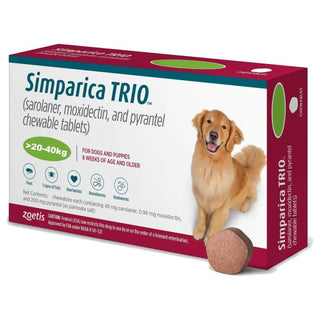
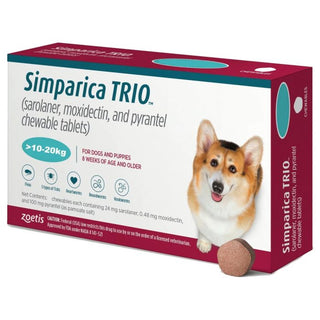


Not much to add. Dog tolerates it and price is good


Feeding your dog is one of the simplest ways to show love. A full bowl, extra treats, or a few bites from your plate may feel harmless, especially when your dog looks at you with pleading eyes. But giving too much food too often can slowly lead to weight gain and health problems.
Overfeeding dogs is more common than many pet owners realize. It does not always happen because of large meals. Sometimes it comes from small daily habits, such as guessing portion sizes, giving too many treats, feeding table scraps, or not adjusting food when a dog becomes less active.
The good news is that overfeeding can often be corrected with better portion control, a balanced routine, and guidance from your veterinarian when needed.
Overfeeding means your dog is regularly eating more calories than their body needs. These extra calories may come from regular dog food, treats, chews, leftovers, or snacks given throughout the day.
Every dog has different calorie needs. A young, active dog may need more food than an older dog that sleeps most of the day. Breed, size, activity level, age, metabolism, health condition, and whether your dog is neutered or spayed can all affect how much food they need.
This is why feeding only by habit or guessing can become a problem over time.
Many owners scoop food into a bowl without measuring it. Even a small extra amount each day can add up over weeks and months. Dry kibble is calorie-dense, so a little more than the recommended amount may make a big difference.
Measuring your dog’s food with a proper measuring cup or kitchen scale can make portion control more accurate and help prevent accidental overfeeding.
Treats are useful for training and bonding, but they should not become a large part of your dog’s daily food intake. If your dog receives treats several times a day, those calories should be counted toward their total daily intake.
A good rule is to keep treats limited and purposeful.
Many foods made for people contain added fat, salt, sugar, spices, or seasonings that may not be suitable for dogs. Even small bites from the table can add unnecessary calories. Some foods may also upset your dog’s stomach or be unsafe for dogs.
Feeding from the table can also encourage begging and make it harder to control your dog’s diet.
In some homes, one person gives breakfast, another gives treats, and someone else shares leftovers. Without communication, your dog may be eating much more than anyone realizes.
A simple feeding chart or family rule can help prevent double-feeding.
If your dog is walking less, recovering from illness, aging, or spending more time indoors, their calorie needs may decrease. If the amount of food stays the same, weight gain can occur gradually.
Food portions should match your dog’s current lifestyle, not just their past routine.
Some pet owners give food when they feel guilty, busy, or worried their dog is bored. While this comes from love, food should not be the only way to comfort or entertain a dog.
Play, walks, grooming, puzzle toys, and attention can also make your dog feel loved.
Overfeeding does not always show immediately. Some signs may appear slowly.
Common signs include:
Weight gain is the most obvious sign, but changes in movement, stamina, and body shape can also be important clues.
You do not need to rely only on the number on the scale. Body condition is also important.
Place your hands gently along your dog’s sides. You should be able to feel the ribs without pressing hard. If the ribs are difficult to feel because of a thick fat layer, your dog may be overweight.
Look at your dog from above. A healthy dog usually has a visible waist behind the ribs. If the body looks straight or round from the shoulders to the hips, your dog may be carrying extra weight.
When viewed from the side, your dog’s belly should rise gently behind the ribs. A low-hanging or rounded abdomen may indicate that your dog is carrying extra weight.
These checks are helpful, but they do not replace veterinary advice. Some breeds naturally have different body shapes, so your vet can help you understand what is normal for your dog.
Overfeeding may cause your dog to become overweight, which can reduce their overall comfort and quality of life. Extra body weight can put more pressure on the joints, muscles, and organs, making normal activities like walking, playing, or climbing stairs harder.
Possible health risks include:
Extra weight increases pressure on the joints. This can worsen arthritis, stiffness, and pain, especially in older dogs or in breeds prone to joint issues.
Overweight dogs may tire faster during walks or play. They may become less active, which can lead to even more weight gain.
Extra weight can make breathing more difficult. Overweight dogs may also struggle more in hot weather or after exercise.
Obesity may increase the risk of conditions such as diabetes, heart strain, and other long-term health problems.
Carrying extra weight can reduce a dog’s overall health and may shorten their life. Maintaining a healthy weight is one of the best ways to support long-term wellbeing.
Some dogs act hungry even when they are getting enough food. This does not always mean they need more.
Dogs may beg because:
If your dog suddenly becomes extremely hungry, starts stealing food, loses weight despite eating more, drinks more water than usual, or has vomiting or diarrhea, speak with your veterinarian. Increased appetite can sometimes be linked to health issues.
Avoid estimating your dog’s food by eye. Measure each meal with a proper measuring cup or kitchen scale, and use the feeding instructions on the package as a general guide. Your dog’s ideal portion may vary based on their weight, body condition, age, and activity level.
Treats should be counted as part of your dog’s total daily food allowance, not given in addition to regular meals. If your dog gets several treats, slightly reduce the meal portion to keep the total balanced.
You can also use small pieces of your dog’s regular kibble as training rewards.
Free-feeding means leaving food out all day. This can make it harder to know how much your dog is eating. Scheduled meals are usually better for portion control.
Most adult dogs do well with two measured meals per day, but your veterinarian can suggest the best routine for your dog.
Food is not the only reward. Try praise, play, walks, toys, brushing, or attention. If you use treats, choose small, dog-safe options and avoid high-calorie snacks.
Avoid giving table scraps as a daily habit. If you want to share dog-safe foods occasionally, keep portions small and avoid anything cooked with onion, garlic, heavy oil, salt, or rich sauces.
Daily movement helps support a healthy weight. Walks, gentle play, fetch, swimming, or puzzle games can help your dog stay active.
If your dog is overweight, older, or has joint problems, start slowly. Too much exercise too quickly can cause strain.
Weigh your dog regularly, or ask your vet to check their weight at each visit. Small changes are easier to manage when you notice them early.
If your dog has gained weight, do not suddenly cut their food drastically. Rapid or poorly planned weight loss can leave your dog hungry, stressed, or short on important nutrients.
Instead:
Your vet may recommend a specific diet, calorie target, or feeding schedule based on your dog’s needs.
Contact your veterinarian if your dog:
These signs may point to a medical issue and should not be ignored.
Overfeeding dogs often starts with good intentions, but too much food can affect your dog’s comfort, movement, energy, and long-term health. The best approach is to feed with care, not guesswork.
Measure your dog’s food carefully, keep treats to a reasonable amount, avoid making table scraps a daily habit, support regular exercise, and keep an eye on your dog’s body shape. With consistent feeding habits and veterinary advice when necessary, you can help your dog stay at a healthy weight and live a more comfortable, active life.
Overall rating: 4.8 / 5 from 1134 reviews.
Not much to add. Dog tolerates it and price is good

This is the only flea medication that works for us where we live.

This on-line company is such a good find. They provide quality products at a good price with delivering them efficiently. Definitely recommend purchasing from them.

Items arrived on time and work great!

Love stronghold

Same product at a great price

Fast shipping great quality and price

We are happy with Heartgard Plus

I’ve been using Symperica Trio for a yr now. Love it. 79 pets ships fast and prices are more affordable. Thank You

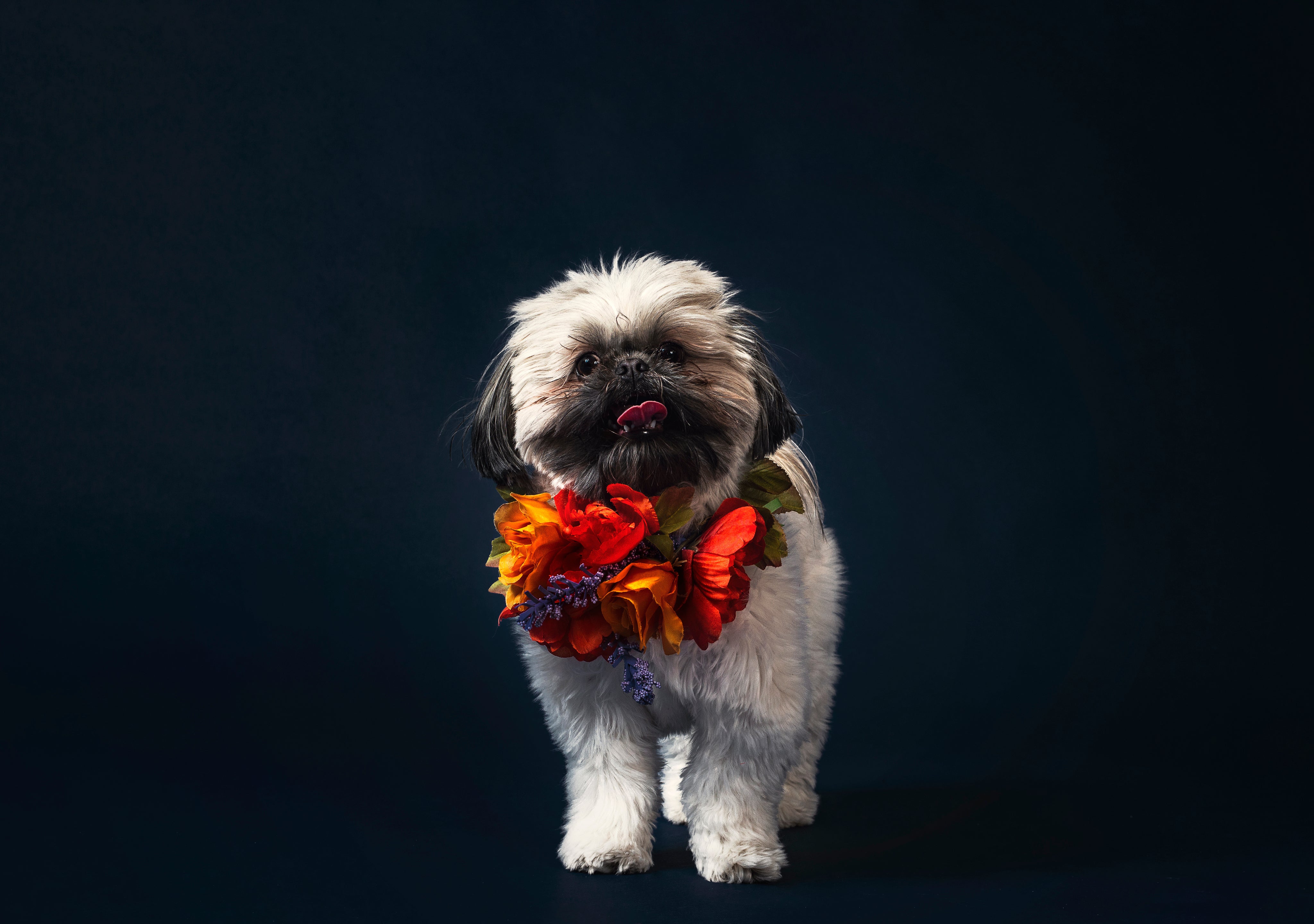
Right after a haircut. 6 year old dashund/shih Tzu mix

Great deal on flea/tick. Helps take care of my pup
Stronghold Violet For Dogs 5-10lbs (2.6-5kg)

Two sweet girlies decided to make our deck their home. Mosquitoes are a big problem where we live and we had to get them protected. This was the best bang for the buck. I’ve ordered from 79Pets several times and while delivery is not fast it is very consistent.
Revolution Plus For Medium Cats 5.6-11 lbs (2.6-5kg)

As a retired veterinary technician I was extremely happy to finally see a flea and heartworm medication that actually does tapeworms too!!!!!!! This is a 1st to my knowledge....I live in a tropical climate where fleas never die so this is heaven sent.
Nexgard Combo For Cats 5.5-16.5 lbs (2.5-7.5 kg)

Great for free delivery worldwide and it took shorter time than I expected. Thanks
Simparica Trio For Dogs 5.6-11 lbs (2.5-5 kg)

My dog is excited to have her Advocate given every month! Great customer service and we're already a returned customer!
Advocate (Advantage Multi) For Small Dog Upto 4kg 8.8lbs (4kg)

Great price, authentic quality and reliable shipping. Shipping takes a bit longer, since it is being shipped from abroad. But still a reliable service.
NexGard & Heartgard (Green) Combo Dogs 24-60 lbs (10-25 kg)

79 pets has great service, they resolved my issue when I purchased by mistake . Thank you!
Simparica Trio For Dogs 22.1-44 lbs (10-20 kg)

Very happy with the price of Stronghold heart worm med for my dog. Seems to be working well.
Stronghold Teal For Dogs 44-88lbs (20-40kg)

My dog loves this product, never got any issue. Good price , deliver on time. We will definitely keep purchasing with 79 pets.com. Thanks!
Simparica Trio For Dogs 22.1-44 lbs (10-20 kg)

Great customer service! Would definitely purchase from them again!
Advocate (Advantage Multi) For Small Dog Upto 4kg 8.8lbs (4kg)

My fur babies love being protected from fleas!
Stronghold Blue For Cats 5.7-15.5lbs (2.6-7.5kg)

No more fleas! I love it and my pets love it!
Stronghold Teal For Dogs 44-88lbs (20-40kg)

I have 3 of these little rascals so Michigan flea/tick season can be financially brutal! Thank you for keeping NexGard so affordable.
NexGard Chew For Small Dogs 10-24lbs (4-10kg)

it is so easy to order
NexGard & Heartgard (Brown) Combo Dogs 60-121 lbs (25-50 kg)

I have no difficulty to give the tablet to my dog. I want my shipping to come faster by the way.
NexGard Spectra For Small Dog 8-16 lbs (3.5-7.5kg)

Stronghold Plus keep my baby safe
Stronghold Plus For Large Cats 11 lbs to 22 lbs (5-10kg)

Thank You 79pets
Stronghold Plus For Medium Cats 5.5 lbs to 11 lbs (2.5-5kg)

Advocate can only be found here n it's easier to order online. Thanks 79!
Advocate (Advantage Multi) For Cats Over 8.8lbs (4kg)

Great product and price. Shipping updates helped, since product comes from abroad. I would definitely recommend and use it again.
NexGard & Heartgard (Green) Combo Dogs 24-60 lbs (10-25 kg)

Easy to give!
NexGard Spectra For Small Dog 8-16 lbs (3.5-7.5kg)

Stronghold Plus does exactly what it was advertised for. Effective and best product. Would highly recommend Stronghold Plus.
Stronghold Plus For Cats 5.5 lbs to 11 lbs (2.5-5kg) 3 Pack

After Seresto collars failed to get rid of fleas, I didn't know where to turn. I saw a post on a page I follow (Kentucky Kitty Cats) saying that they use Nexgard Combo for the cats they shelter. I decided to try it and IT WORKS!
Nexgard Combo for Cats 5.5-16.5 lbs (2.5-7.5 kg)

My kitty love Revolution. One of the best product for flea & ticks. Good price will definitely recommend this website.
Revolution Plus For Medium Cats 5.6-11 lbs (2.6-5kg)

Tried this the first time and the correct medication was sent on time to me. Will definitely use this site again. Thanks!
Simparica Chewables For Very Small Dogs 5.6-11 lbs (2.5-5kg)

Happy Kitty
Revolution Plus For Medium Cats 5.6-11 lbs (2.6-5kg)

As described. Value for money
Nexgard Chew Red for Large Dogs Flea & Tick 60-121 lbs. (25-50kg)

This is Lexi Marie! She was wondering why mom was so excited for buying flea medicine. I explained to her that we saved $100 and that she would understand some day when she grows up.
Revolution Plus For Large Cats 11.1-22lbs (5-10kg)

Received on time. Thank You 79Pets
Nexgard Chew Red for Large Dogs Flea & Tick 60-121 lbs. (25-50kg)

Very good experience!
Revolution Plus For Large Cats 11.1-22lbs (5-10kg)

Last year, I made a visit to the vet. I told them that Kattie/cat had ear mites. They gave me an ointment costing $80canadian. I used it up and purchased another bottle. $160. total not including the cost of the vet visit. No results. The ear mites have been there for a long time. Canadian vets have control of what is sold in Pet stores and you cannot purchase off the shelf products not recognized by them. I jumped at the chance to purchase your produce with a recommended 100% effectivity. I was willing to try, but was suspicions. After a month there was still a little scratching but after 6 weeks, the mites are gone and the scratching is gone. Thank you very much for this mite solution. I recommend it heartily. Harry P.S. Do not tell the Canadian vets as they will outlaw your product.
Revolution Plus For Medium Cats 5.6-11 lbs (2.6-5kg)