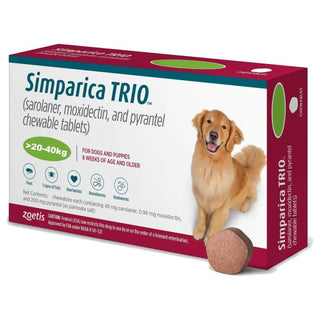
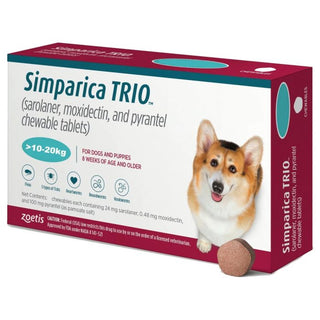


Not much to add. Dog tolerates it and price is good


That little bottom shake before a leap is one of the cutest things a cat can do. Cats wiggle before they pounce because their bodies and minds are preparing for a quick, focused jump.
Whether your cat is stalking a feather toy, watching a ball roll across the floor, or waiting to ambush a toy mouse, the behavior is closely linked to natural hunting instincts. The wiggle may help your cat shift their weight, prepare their muscles, judge the distance, and focus on the target before launching forward.
Although every cat is different, this pre-pounce movement is usually a normal sign of an alert, playful, and engaged cat.
A successful pounce needs good balance. Before jumping forward, sideways, or upward, cats need to control where their body weight is placed.
When cats wiggle before they pounce, they may be shifting their weight between their back legs to find a stable position. Their hind legs provide much of the force needed for the jump, so getting the stance right can help them launch with better control.
This movement may help your cat:
You may notice more wiggling when your cat is on carpet, rugs, bedding, or soft furniture. These surfaces can feel less stable than hard floors, so your cat may take an extra moment to prepare.
A cat may also wiggle more when they are excited or when the target is moving in an unpredictable way. The body needs to be ready to react fast.
Cats are naturally built for short, fast bursts of movement. Their powerful back legs help them spring forward quickly and jump impressive distances in one swift movement.
The small wiggle before a pounce may help activate muscles in the hips, thighs, legs, and lower back. It is a brief physical preparation before an explosive leap.
Think of it as your cat loading energy before launching.
Cats wiggle before they pounce because the jump itself needs power. Whether they are stalking a toy mouse under the sofa or preparing to leap toward a feather teaser, their body needs to move quickly and accurately.
This is also why many cats pause for a few seconds before jumping. They are not losing interest. They are concentrating and preparing for the right moment.
Kittens often make this movement look especially dramatic. They are still learning how to control their bodies, judge distance, and land safely. Adult cats may perform a smaller and quicker wiggle because they are more experienced.
Even the most pampered indoor cat still has strong hunting instincts.
Domestic cats may not need to catch food to survive, but they still enjoy behaviors linked to stalking, chasing, catching, biting, and kicking. Playtime gives them a safe and healthy way to use these natural instincts.
The usual hunting sequence often looks like this:
This is why many cats prefer toys that move in an unexpected way. A toy that hides, slides, flutters, rolls, or changes direction can feel much more exciting than a toy that stays still.
When cats wiggle before they pounce, they are often following the same instinctive pattern they would use while hunting. For indoor cats, interactive play helps satisfy this need without exposing them to outdoor risks.
Interactive wand toys, toy mice, rolling balls, cat tunnels, and kick toys can all help recreate this natural hunting sequence in a safe home environment. Puzzle feeders are also useful because they give cats a chance to work for part of their meal or treats.
Before making a jump, cats often become completely focused on what they are watching. Their eyes may widen, ears may point forward, and whiskers may angle toward the toy or moving object.
The small wiggle may help your cat prepare to judge the distance, timing, speed, and direction of the target. A cat needs to decide the best moment to leap, especially when the toy is moving unpredictably.
Cats wiggle before they pounce when they are fully engaged with the game. They may be working out:
This intense concentration is why cats can look so serious during playtime. To your cat, a feather wand, rolling ball, or toy mouse can feel like a real hunting challenge.
Try moving toys in short, natural bursts rather than waving them continuously in front of your cat’s face. Let the toy pause, hide behind furniture, and move away slowly. This encourages stalking and keeps play more interesting.
The pre-pounce wiggle is not only practical. It can also be a sign that your cat is excited and enjoying the activity.
Hunting-style play can be rewarding for cats. Chasing and catching toys provide a healthy outlet for their energy, curiosity, and natural predatory behavior.
Cats wiggle before they pounce when they are highly interested in what they see. You may notice this most often when your cat is playful, alert, confident, and ready to interact.
Some cats wiggle a lot, while others make only a small shift in their back legs. Both can be normal. Your cat’s personality, age, confidence level, and the type of surface they are standing on can all affect how noticeable the movement is.
A young kitten may jump too early, miss the toy, or land awkwardly. This is normal while they are learning. With regular safe play, kittens develop better coordination, balance, and confidence.
The rear-end wiggle is only one part of the picture. Your cat may show several other signals before launching toward a toy.
Common pre-pounce signs include:
When these signs appear together, your cat is usually in playful hunting mode.
Yes, it is completely normal.
Indoor cats may never hunt real prey, but they still benefit from activities that allow them to stalk, chase, jump, and catch. Play is not only entertainment. It supports exercise, confidence, coordination, mental stimulation, and a stronger bond between cats and their people.
Without enough stimulation, some cats may become bored, restless, overly demanding, or more likely to chase hands, feet, curtains, or household objects.
A short daily play routine can make a big difference. Many cats enjoy two or three short play sessions each day, especially before mealtimes.
A helpful routine is:
Hunt → Catch → Eat → Rest
For example, let your cat chase a wand toy for five to ten minutes. Allow them to catch it several times, then offer a small meal or treat. This can make play feel satisfying and complete.
If your cat loves stalking and leaping, choose toys that allow them to use their natural movement patterns safely.
Wand toys with feathers, ribbons, or fabric attachments can imitate the movement of birds, insects, or small prey. Move the toy low across the floor, hide it behind furniture, and pause occasionally to give your cat time to stalk.
Soft toy mice are great for cats that enjoy chasing, carrying, and batting objects around the home. Choose toys that are the right size for your cat and do not contain loose pieces.
Cat tunnels create hiding spaces where cats can crouch, wait, and suddenly jump out. They are especially useful for playful kittens and multi-cat homes.
Long plush toys allow cats to grab with their front paws and kick with their back legs. This can be especially satisfying after they have “caught” their toy.
Puzzle feeders encourage cats to work for small portions of food or treats. They can provide mental enrichment and help slow down cats that eat too quickly.
Playtime should be fun, but it should also be safe.
Avoid using your hands or feet as toys. While it may seem cute when a kitten pounces on fingers, it can teach them that human hands are acceptable targets.
Instead, use a toy that keeps your hands at a comfortable distance from your cat’s claws and teeth.
Helpful playtime tips include:
The goal is not to frustrate your cat. Letting them successfully catch the toy makes the game more rewarding.
In most cases, the pre-pounce wiggle is normal and healthy.
However, it is a good idea to speak with a veterinarian if your cat suddenly stops jumping, appears reluctant to use their back legs, cries during play, limps, falls frequently, or seems uncomfortable when crouching or preparing to leap.
Senior cats, overweight cats, or cats with joint discomfort may still want to play but may need gentler activities. Ground-level toys, slow-moving teaser toys, and food puzzles can be easier and more comfortable for them.
A behavior change is often more important than the wiggle itself. If your normally playful cat becomes withdrawn, inactive, unusually aggressive, or seems painful during movement, a veterinary check-up is recommended.
Cats wiggle before they pounce because their bodies and minds are getting ready for action. The little shake may help with balance, muscle preparation, focus, timing, and excitement before a fast leap.
It is one of the clearest reminders that even indoor cats still have the instincts of skilled little hunters.
By offering safe toys, regular interactive play, and opportunities to stalk and chase, you can help your cat use these instincts in a healthy and enjoyable way. The next time you see that adorable wiggle, you will know your cat is preparing for their next great hunt.
Your cat is likely preparing to pounce. The movement may help them shift their weight, position their back legs, improve balance, and build power before jumping.
Not every cat does it in the same way. Some cats make a dramatic wiggle, while others make only a small shift in their back legs before jumping.
Kittens are still developing coordination and practicing hunting behavior. Their movements may look more exaggerated because they are learning how to stalk, jump, and land.
It is better to redirect pouncing behavior toward toys. Avoid encouraging your cat to chase hands or feet, as this can lead to scratching or biting during play.
Interactive wand toys, toy mice, cat tunnels, kick toys, puzzle feeders, and safe ball toys are good choices for cats that enjoy stalking and jumping.
Overall rating: 4.8 / 5 from 1134 reviews.
Not much to add. Dog tolerates it and price is good

This is the only flea medication that works for us where we live.

This on-line company is such a good find. They provide quality products at a good price with delivering them efficiently. Definitely recommend purchasing from them.

Items arrived on time and work great!

Love stronghold

Same product at a great price

Fast shipping great quality and price

We are happy with Heartgard Plus

I’ve been using Symperica Trio for a yr now. Love it. 79 pets ships fast and prices are more affordable. Thank You

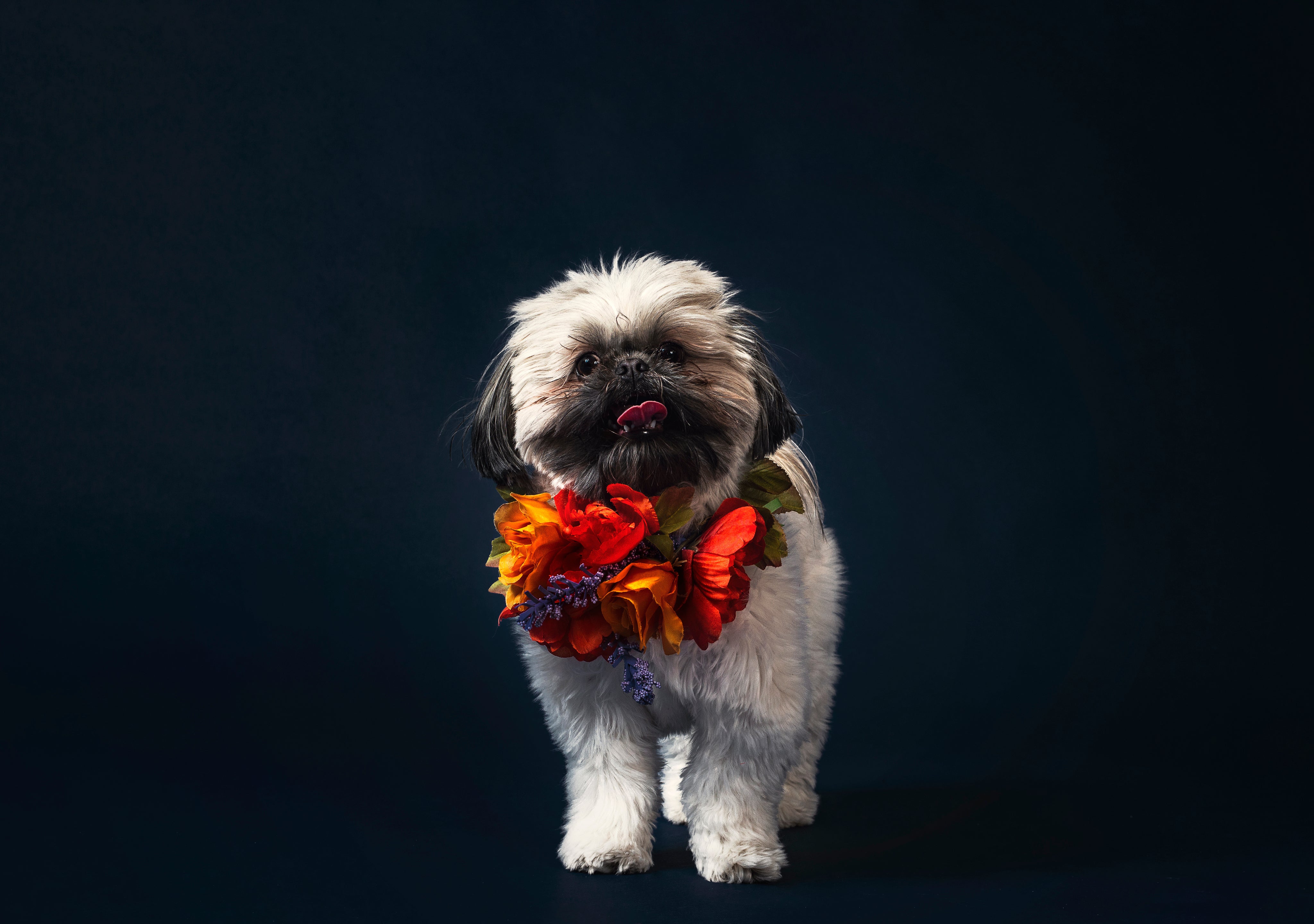
Right after a haircut. 6 year old dashund/shih Tzu mix

Great deal on flea/tick. Helps take care of my pup
Stronghold Violet For Dogs 5-10lbs (2.6-5kg)

Two sweet girlies decided to make our deck their home. Mosquitoes are a big problem where we live and we had to get them protected. This was the best bang for the buck. I’ve ordered from 79Pets several times and while delivery is not fast it is very consistent.
Revolution Plus For Medium Cats 5.6-11 lbs (2.6-5kg)

As a retired veterinary technician I was extremely happy to finally see a flea and heartworm medication that actually does tapeworms too!!!!!!! This is a 1st to my knowledge....I live in a tropical climate where fleas never die so this is heaven sent.
Nexgard Combo For Cats 5.5-16.5 lbs (2.5-7.5 kg)

Great for free delivery worldwide and it took shorter time than I expected. Thanks
Simparica Trio For Dogs 5.6-11 lbs (2.5-5 kg)

My dog is excited to have her Advocate given every month! Great customer service and we're already a returned customer!
Advocate (Advantage Multi) For Small Dog Upto 4kg 8.8lbs (4kg)

Great price, authentic quality and reliable shipping. Shipping takes a bit longer, since it is being shipped from abroad. But still a reliable service.
NexGard & Heartgard (Green) Combo Dogs 24-60 lbs (10-25 kg)

79 pets has great service, they resolved my issue when I purchased by mistake . Thank you!
Simparica Trio For Dogs 22.1-44 lbs (10-20 kg)

Very happy with the price of Stronghold heart worm med for my dog. Seems to be working well.
Stronghold Teal For Dogs 44-88lbs (20-40kg)

My dog loves this product, never got any issue. Good price , deliver on time. We will definitely keep purchasing with 79 pets.com. Thanks!
Simparica Trio For Dogs 22.1-44 lbs (10-20 kg)

Great customer service! Would definitely purchase from them again!
Advocate (Advantage Multi) For Small Dog Upto 4kg 8.8lbs (4kg)

My fur babies love being protected from fleas!
Stronghold Blue For Cats 5.7-15.5lbs (2.6-7.5kg)

No more fleas! I love it and my pets love it!
Stronghold Teal For Dogs 44-88lbs (20-40kg)

I have 3 of these little rascals so Michigan flea/tick season can be financially brutal! Thank you for keeping NexGard so affordable.
NexGard Chew For Small Dogs 10-24lbs (4-10kg)

it is so easy to order
NexGard & Heartgard (Brown) Combo Dogs 60-121 lbs (25-50 kg)

I have no difficulty to give the tablet to my dog. I want my shipping to come faster by the way.
NexGard Spectra For Small Dog 8-16 lbs (3.5-7.5kg)

Stronghold Plus keep my baby safe
Stronghold Plus For Large Cats 11 lbs to 22 lbs (5-10kg)

Thank You 79pets
Stronghold Plus For Medium Cats 5.5 lbs to 11 lbs (2.5-5kg)

Advocate can only be found here n it's easier to order online. Thanks 79!
Advocate (Advantage Multi) For Cats Over 8.8lbs (4kg)

Great product and price. Shipping updates helped, since product comes from abroad. I would definitely recommend and use it again.
NexGard & Heartgard (Green) Combo Dogs 24-60 lbs (10-25 kg)

Easy to give!
NexGard Spectra For Small Dog 8-16 lbs (3.5-7.5kg)

Stronghold Plus does exactly what it was advertised for. Effective and best product. Would highly recommend Stronghold Plus.
Stronghold Plus For Cats 5.5 lbs to 11 lbs (2.5-5kg) 3 Pack

After Seresto collars failed to get rid of fleas, I didn't know where to turn. I saw a post on a page I follow (Kentucky Kitty Cats) saying that they use Nexgard Combo for the cats they shelter. I decided to try it and IT WORKS!
Nexgard Combo for Cats 5.5-16.5 lbs (2.5-7.5 kg)

My kitty love Revolution. One of the best product for flea & ticks. Good price will definitely recommend this website.
Revolution Plus For Medium Cats 5.6-11 lbs (2.6-5kg)

Tried this the first time and the correct medication was sent on time to me. Will definitely use this site again. Thanks!
Simparica Chewables For Very Small Dogs 5.6-11 lbs (2.5-5kg)

Happy Kitty
Revolution Plus For Medium Cats 5.6-11 lbs (2.6-5kg)

As described. Value for money
Nexgard Chew Red for Large Dogs Flea & Tick 60-121 lbs. (25-50kg)

This is Lexi Marie! She was wondering why mom was so excited for buying flea medicine. I explained to her that we saved $100 and that she would understand some day when she grows up.
Revolution Plus For Large Cats 11.1-22lbs (5-10kg)

Received on time. Thank You 79Pets
Nexgard Chew Red for Large Dogs Flea & Tick 60-121 lbs. (25-50kg)

Very good experience!
Revolution Plus For Large Cats 11.1-22lbs (5-10kg)

Last year, I made a visit to the vet. I told them that Kattie/cat had ear mites. They gave me an ointment costing $80canadian. I used it up and purchased another bottle. $160. total not including the cost of the vet visit. No results. The ear mites have been there for a long time. Canadian vets have control of what is sold in Pet stores and you cannot purchase off the shelf products not recognized by them. I jumped at the chance to purchase your produce with a recommended 100% effectivity. I was willing to try, but was suspicions. After a month there was still a little scratching but after 6 weeks, the mites are gone and the scratching is gone. Thank you very much for this mite solution. I recommend it heartily. Harry P.S. Do not tell the Canadian vets as they will outlaw your product.
Revolution Plus For Medium Cats 5.6-11 lbs (2.6-5kg)