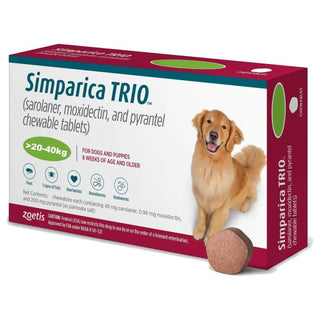
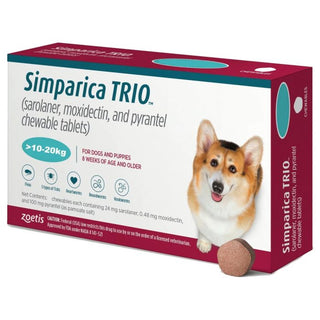


Not much to add. Dog tolerates it and price is good


Stress in Cats is more common than many pet owners realize, especially because cats often hide discomfort instead of showing obvious signs. A cat may look quiet, sleep more, hide under furniture, avoid family members, stop playing, or suddenly behave differently around food and the litter box.
Even small changes at home can have a noticeable effect on a cat’s comfort and behavior. A new pet, unfamiliar visitor, loud renovation work, moving house, a different daily routine, or tension between cats can all make a cat feel unsafe. Recognizing the early signs can help you reduce the trigger before the problem becomes more serious.
While short-term stress may happen occasionally, ongoing stress can affect your cat’s behavior, wellbeing, and overall quality of life. Creating a cat-friendly environment, keeping routines predictable, and seeking veterinary advice when needed can make a major difference.
Stress is the emotional and physical response a cat may have when they feel threatened, overwhelmed, uncomfortable, or unable to control something in their environment. Cats may become stressed by things people barely notice, such as a strong new smell, loud television sounds, unfamiliar shoes near their resting area, or another cat looking at them from outside a window.
Unlike dogs, cats do not always show stress through obvious behavior. Some may become quiet and withdrawn, while others become restless, vocal, defensive, or destructive. Each cat reacts differently depending on their personality, past experiences, health, and environment.
A stressed cat is not being “naughty” or trying to upset you. Their behavior is often their way of communicating that something does not feel safe, comfortable, or predictable.
The signs can be subtle at first. Watching for small changes in your cat’s normal habits is often more helpful than waiting for a major behavioral issue.
Common signs may include:
Stress in Cats may also look similar to pain or illness. For example, a cat that suddenly hides, eats less, urinates outside the litter box, or becomes aggressive may have a medical concern rather than only an emotional problem. Any sudden or ongoing change in behavior deserves attention.
Cats usually feel more secure when life is predictable. Even small changes can be difficult for cats that are naturally cautious, elderly, shy, recently adopted, or living in a busy household.
A move, renovation, new furniture, strong cleaning products, rearranged rooms, guests, or a new baby can disrupt your cat’s sense of safety. Cats rely heavily on familiar smells and routines, so major changes may make them feel unsettled.
Introducing another cat, dog, or small animal can create stress if the introduction is rushed. Even cats that do not fight openly may experience tension through staring, blocking doorways, guarding food bowls, or controlling access to the litter box.
In multi-cat homes, one confident cat may quietly prevent another cat from reaching important resources. This can lead to hiding, reduced appetite, inappropriate urination, or aggression.
Cats need safe areas where they can rest without being disturbed. A home with no private hiding spots, elevated resting areas, or quiet rooms can feel stressful, particularly for timid cats.
A cardboard box, a covered bed, a cat tree, a shelf, or a quiet room can give your cat a place to retreat when they need a break.
Vacuum cleaners, fireworks, construction work, loud music, children running around, doorbells, and visitors can be overwhelming for some cats. Cats may hide during these events and remain unsettled even after the noise has stopped.
Indoor cats still have natural instincts to stalk, climb, scratch, explore, and hunt. Without enough mental stimulation, some cats become frustrated, restless, or overly focused on unwanted Behaviours.
Stress in Cats can sometimes be reduced by offering safe ways to engage in these natural Behaviors, such as puzzle feeders, wand toys, scratching posts, climbing spaces, and short daily play sessions.
Dental pain, arthritis, urinary discomfort, digestive issues, skin irritation, thyroid disease, and other health conditions can change a cat’s mood and behavior. A cat may become withdrawn, irritable, unusually vocal, or reluctant to use the litter box.
Never assume a behavior problem is only emotional, especially when it starts suddenly.
The best approach is to identify possible triggers, make gradual changes, and give your cat more choice and control in their daily environment.
Feed your cat, play with them, and clean the litter box at roughly similar times each day. A regular routine can help cats feel more secure because they learn what to expect.
Try to avoid sudden changes whenever possible. When change is necessary, introduce it gradually. For example, place new furniture in the room for several days before completely rearranging the space.
Provide more than one safe resting spot, especially in a multi-pet home. Your cat should be able to choose between a quiet covered bed, a box, a high shelf, a cat tree, or a peaceful room away from household activity.
Many cats feel more secure when they have elevated places to rest and watch what is happening around them.
Avoid pulling your cat out of hiding. Let them come out at their own pace. Forcing interaction may make them feel less secure.
In homes with more than one cat, each cat should have easy access to essential resources without needing to compete. These include food bowls, water bowls, beds, scratching posts, hiding areas, and litter trays.
A useful litter box guideline is to provide one box per cat, plus one extra. For example, a two-cat household should ideally have three litter boxes in separate, quiet locations.
Keep litter boxes clean and away from noisy appliances, busy doorways, or feeding areas. A cat may avoid a litter box that feels dirty, unsafe, or difficult to access.
Short, regular play sessions can help your cat release energy and practice natural hunting behavior. Use toys that allow your cat to stalk, chase, pounce, and catch safely.
Good enrichment options include:
Finish interactive play with a small meal or treat when appropriate. This can create a satisfying “hunt, catch, eat, rest” routine.
Some cats enjoy cuddles, while others prefer affection on their own terms. Watch your cat’s body language. A twitching tail, flattened ears, tense posture, turning away, or sudden swatting may mean they need space.
Allow your cat to approach you instead of constantly picking them up or following them. Calm, positive interactions build trust over time.
Do not punish your cat for hiding, scratching, spraying, or having litter box accidents. Punishment can increase fear and damage your bond. Instead, identify the cause and make the environment easier for your cat to manage.
A rushed introduction is a common cause of Stress in Cats. Keep the new pet in a separate room at first, allowing both animals to get used to each other’s scent before face-to-face meetings.
Swap bedding or gently rub each pet with a clean cloth and place it near the other pet’s resting area. Once both animals appear calm, allow brief visual contact through a baby gate, cracked door, or screen barrier.
Gradual introductions may take days or weeks. Move at the pace of the most nervous pet.
Some cats may benefit from calming support during stressful situations such as moving home, travel, fireworks, boarding, a veterinary visit, or the arrival of a new pet.
Helpful products may include:
These products are not a replacement for veterinary care or environmental changes, but they may be useful as part of a wider stress-management plan.
When choosing calming products, make sure they are specifically made for cats. Avoid using essential oils or human calming products around cats unless your veterinarian confirms they are safe.
Many cats find travel and veterinary visits challenging. You can make the experience less stressful by leaving the carrier out at home instead of bringing it out only before appointments.
Place a soft blanket, familiar bedding, or a favorite toy inside the carrier. Offer treats near the carrier first, then gradually encourage your cat to enter voluntarily.
Choose a sturdy carrier that can be covered with a light towel during transport. Keeping the carrier stable and avoiding loud music in the car may also help.
For very anxious cats, speak to your veterinarian before the appointment. They may recommend specific handling techniques, timing strategies, or medication if appropriate.
Contact a veterinarian promptly if your cat shows sudden behavioral changes, especially when accompanied by physical symptoms.
Seek veterinary advice if your cat:
Urinary problems can become urgent, particularly in male cats. Straining to urinate, passing little or no urine, crying in the litter box, or repeated trips to the litter tray require immediate veterinary attention.
Stress in Cats is often manageable once you understand what may be making your cat uncomfortable. Small changes, such as adding a safe hiding spot, maintaining a consistent routine, providing daily enrichment, and ensuring every cat has access to food, water, litter boxes, and resting spaces, can help your cat feel more secure.
Pay attention to changes in behavior rather than waiting for a serious problem. Your cat may not be able to tell you what feels wrong, but their body language, routines, appetite, grooming, and litter box habits can provide important clues.
Overall rating: 4.8 / 5 from 1134 reviews.
Not much to add. Dog tolerates it and price is good

This is the only flea medication that works for us where we live.

This on-line company is such a good find. They provide quality products at a good price with delivering them efficiently. Definitely recommend purchasing from them.

Items arrived on time and work great!

Love stronghold

Same product at a great price

Fast shipping great quality and price

We are happy with Heartgard Plus

I’ve been using Symperica Trio for a yr now. Love it. 79 pets ships fast and prices are more affordable. Thank You

Right after a haircut. 6 year old dashund/shih Tzu mix

Great deal on flea/tick. Helps take care of my pup
Stronghold Violet For Dogs 5-10lbs (2.6-5kg)

Two sweet girlies decided to make our deck their home. Mosquitoes are a big problem where we live and we had to get them protected. This was the best bang for the buck. I’ve ordered from 79Pets several times and while delivery is not fast it is very consistent.
Revolution Plus For Medium Cats 5.6-11 lbs (2.6-5kg)

As a retired veterinary technician I was extremely happy to finally see a flea and heartworm medication that actually does tapeworms too!!!!!!! This is a 1st to my knowledge....I live in a tropical climate where fleas never die so this is heaven sent.
Nexgard Combo For Cats 5.5-16.5 lbs (2.5-7.5 kg)

Great for free delivery worldwide and it took shorter time than I expected. Thanks
Simparica Trio For Dogs 5.6-11 lbs (2.5-5 kg)

My dog is excited to have her Advocate given every month! Great customer service and we're already a returned customer!
Advocate (Advantage Multi) For Small Dog Upto 4kg 8.8lbs (4kg)

Great price, authentic quality and reliable shipping. Shipping takes a bit longer, since it is being shipped from abroad. But still a reliable service.
NexGard & Heartgard (Green) Combo Dogs 24-60 lbs (10-25 kg)

79 pets has great service, they resolved my issue when I purchased by mistake . Thank you!
Simparica Trio For Dogs 22.1-44 lbs (10-20 kg)

Very happy with the price of Stronghold heart worm med for my dog. Seems to be working well.
Stronghold Teal For Dogs 44-88lbs (20-40kg)

My dog loves this product, never got any issue. Good price , deliver on time. We will definitely keep purchasing with 79 pets.com. Thanks!
Simparica Trio For Dogs 22.1-44 lbs (10-20 kg)

Great customer service! Would definitely purchase from them again!
Advocate (Advantage Multi) For Small Dog Upto 4kg 8.8lbs (4kg)

My fur babies love being protected from fleas!
Stronghold Blue For Cats 5.7-15.5lbs (2.6-7.5kg)

No more fleas! I love it and my pets love it!
Stronghold Teal For Dogs 44-88lbs (20-40kg)

I have 3 of these little rascals so Michigan flea/tick season can be financially brutal! Thank you for keeping NexGard so affordable.
NexGard Chew For Small Dogs 10-24lbs (4-10kg)

it is so easy to order
NexGard & Heartgard (Brown) Combo Dogs 60-121 lbs (25-50 kg)

I have no difficulty to give the tablet to my dog. I want my shipping to come faster by the way.
NexGard Spectra For Small Dog 8-16 lbs (3.5-7.5kg)

Stronghold Plus keep my baby safe
Stronghold Plus For Large Cats 11 lbs to 22 lbs (5-10kg)

Thank You 79pets
Stronghold Plus For Medium Cats 5.5 lbs to 11 lbs (2.5-5kg)

Advocate can only be found here n it's easier to order online. Thanks 79!
Advocate (Advantage Multi) For Cats Over 8.8lbs (4kg)

Great product and price. Shipping updates helped, since product comes from abroad. I would definitely recommend and use it again.
NexGard & Heartgard (Green) Combo Dogs 24-60 lbs (10-25 kg)

Easy to give!
NexGard Spectra For Small Dog 8-16 lbs (3.5-7.5kg)

Stronghold Plus does exactly what it was advertised for. Effective and best product. Would highly recommend Stronghold Plus.
Stronghold Plus For Cats 5.5 lbs to 11 lbs (2.5-5kg) 3 Pack

After Seresto collars failed to get rid of fleas, I didn't know where to turn. I saw a post on a page I follow (Kentucky Kitty Cats) saying that they use Nexgard Combo for the cats they shelter. I decided to try it and IT WORKS!
Nexgard Combo for Cats 5.5-16.5 lbs (2.5-7.5 kg)

My kitty love Revolution. One of the best product for flea & ticks. Good price will definitely recommend this website.
Revolution Plus For Medium Cats 5.6-11 lbs (2.6-5kg)

Tried this the first time and the correct medication was sent on time to me. Will definitely use this site again. Thanks!
Simparica Chewables For Very Small Dogs 5.6-11 lbs (2.5-5kg)

Happy Kitty
Revolution Plus For Medium Cats 5.6-11 lbs (2.6-5kg)

As described. Value for money
Nexgard Chew Red for Large Dogs Flea & Tick 60-121 lbs. (25-50kg)

This is Lexi Marie! She was wondering why mom was so excited for buying flea medicine. I explained to her that we saved $100 and that she would understand some day when she grows up.
Revolution Plus For Large Cats 11.1-22lbs (5-10kg)

Received on time. Thank You 79Pets
Nexgard Chew Red for Large Dogs Flea & Tick 60-121 lbs. (25-50kg)

Very good experience!
Revolution Plus For Large Cats 11.1-22lbs (5-10kg)

Last year, I made a visit to the vet. I told them that Kattie/cat had ear mites. They gave me an ointment costing $80canadian. I used it up and purchased another bottle. $160. total not including the cost of the vet visit. No results. The ear mites have been there for a long time. Canadian vets have control of what is sold in Pet stores and you cannot purchase off the shelf products not recognized by them. I jumped at the chance to purchase your produce with a recommended 100% effectivity. I was willing to try, but was suspicions. After a month there was still a little scratching but after 6 weeks, the mites are gone and the scratching is gone. Thank you very much for this mite solution. I recommend it heartily. Harry P.S. Do not tell the Canadian vets as they will outlaw your product.
Revolution Plus For Medium Cats 5.6-11 lbs (2.6-5kg)