

Not much to add. Dog tolerates it and price is good


A small parasite hidden beneath your pet’s coat can be easy to miss. Ticks attach to the skin, feed on blood, and may expose pets to disease-causing organisms. Dogs and outdoor cats face greater exposure, but ticks can also enter homes on people or other animals.
Knowing the common tick species that affect dogs and cats can help you recognize possible exposure and choose appropriate preventive care. Tick populations vary according to location, climate, season, and wildlife activity.
Ticks belong to the arachnid family, which also includes spiders and mites. Before feeding, some can be as small as a seed. After taking a blood meal, their bodies become larger and more rounded.
An attached tick may feel like a small bump with visible legs close to the skin. Color alone cannot confirm the species because its appearance can change according to age, sex, and feeding status.
The following common tick species that affect dogs and cats are particularly relevant in the United States. However, not every species occurs in every state, and their geographic ranges may change.
The brown dog tick, scientifically known as Rhipicephalus sanguineus, is reddish-brown and mainly feeds on dogs.
Unlike most ticks, it can reproduce inside homes, kennels, and boarding facilities. It is associated with canine ehrlichiosis, babesiosis, and Rocky Mountain spotted fever in certain regions.
Cats are not its preferred host but may occasionally be exposed.
The American dog tick, or Dermacentor variabilis, has a brown body with pale or silvery markings.
It is commonly found along walking trails, in grassy areas, and near woodland edges. Dogs are frequent hosts, although cats and people may also be bitten.
This tick may transmit organisms associated with Rocky Mountain spotted fever and tularemia.
The blacklegged tick, commonly known as the deer tick, is scientifically known as Ixodes scapularis. It has dark legs and a dark shield on its back.
Its immature nymph stage is extremely small, making it difficult to notice beneath thick or dark fur.
The blacklegged tick is best known for transmitting the bacteria associated with Lyme disease. It may also carry organisms linked to anaplasmosis and other infections.
The western blacklegged tick, or Ixodes pacificus, is found mainly along the Pacific side of North America.
Pets may encounter it in wooded, grassy, or brushy environments. Like the eastern blacklegged tick, it may transmit organisms associated with Lyme disease and anaplasmosis.
Dogs and cats that hike, camp, or explore areas with leaf litter may have greater exposure.
The adult female lone star tick, scientifically called Amblyomma americanum, usually has a single pale spot on her back. Males have lighter markings around the edges of their bodies.
This active species feeds on dogs, cats, wildlife, and people. It is associated with ehrlichiosis in dogs and cytauxzoonosis, a potentially life-threatening disease in cats.
The Gulf Coast tick, or Amblyomma maculatum, has patterned markings and noticeably long mouthparts.
It commonly attaches around a pet’s ears, head, neck, or shoulders. Its bite may leave an irritated or slow-healing wound.
Dogs can develop American canine hepatozoonosis after swallowing an infected Gulf Coast tick while grooming or biting at their skin.
The Asian longhorned tick, scientifically known as Haemaphysalis longicornis, is an invasive species that can feed on pets, wildlife, livestock, and people.
Female ticks can reproduce without mating, allowing populations to increase quickly. Heavy infestations may cause irritation, weakness, blood loss, or anemia.
The common tick species that affect dogs and cats may attach almost anywhere. Owners should pay particular attention to:
Run your fingers slowly through your pet’s coat after walks, hikes, or outdoor play. Examine unfamiliar lumps carefully rather than immediately pulling on them.
An attached tick may initially cause only a small bump or mild skin irritation. Contact your veterinarian if your pet develops:
Symptoms may appear after the tick has detached or been removed. Tell your veterinarian about recent travel, walks, boarding, or known tick exposure.
Severe weakness, collapse, breathing difficulty, or very pale gums require urgent veterinary attention.
Protection against common tick species that affect dogs and cats requires consistent care. Helpful steps include:
Tick preventives are available as topical treatments, oral medicines, sprays, and collars. Coverage varies, so check which tick species are listed on the product label and how long each dose remains effective.
Never apply a dog-only tick treatment to a cat. Certain ingredients that are suitable for dogs can be dangerous to cats.
The right treatment depends on your pet’s species, weight, age, health, lifestyle, and local tick risk.
Some products also protect against fleas, mites, heartworms, or intestinal parasites. However, protection varies between products, so read the label carefully.
Explore flea and tick treatments for dogs and cats at 79Pets, and select the exact product made for your pet’s species and weight range. Speak with your veterinarian before treating a young, pregnant, unwell, or medicated animal.
Learning about common tick species that affect dogs and cats makes it easier to recognize possible exposure and respond promptly.
Identification cannot confirm whether an individual tick carries disease. Regular inspections and dependable parasite prevention therefore remain important.
Check your pet after outdoor activities, remove attached ticks carefully, and watch for changes in behavior or health. Consistent, species-appropriate protection can reduce infestations and help keep your pet comfortable throughout the year.
This article is intended for general educational purposes and does not replace professional veterinary diagnosis, treatment, or advice.

Overall rating: 4.8 / 5 from 1134 reviews.
Not much to add. Dog tolerates it and price is good

This is the only flea medication that works for us where we live.

This on-line company is such a good find. They provide quality products at a good price with delivering them efficiently. Definitely recommend purchasing from them.

Items arrived on time and work great!

Love stronghold

Same product at a great price

Fast shipping great quality and price

We are happy with Heartgard Plus

I’ve been using Symperica Trio for a yr now. Love it. 79 pets ships fast and prices are more affordable. Thank You

Right after a haircut. 6 year old dashund/shih Tzu mix

Great deal on flea/tick. Helps take care of my pup
Stronghold Violet For Dogs 5-10lbs (2.6-5kg)

Two sweet girlies decided to make our deck their home. Mosquitoes are a big problem where we live and we had to get them protected. This was the best bang for the buck. I’ve ordered from 79Pets several times and while delivery is not fast it is very consistent.
Revolution Plus For Medium Cats 5.6-11 lbs (2.6-5kg)

As a retired veterinary technician I was extremely happy to finally see a flea and heartworm medication that actually does tapeworms too!!!!!!! This is a 1st to my knowledge....I live in a tropical climate where fleas never die so this is heaven sent.
Nexgard Combo For Cats 5.5-16.5 lbs (2.5-7.5 kg)

Great for free delivery worldwide and it took shorter time than I expected. Thanks
Simparica Trio For Dogs 5.6-11 lbs (2.5-5 kg)

My dog is excited to have her Advocate given every month! Great customer service and we're already a returned customer!
Advocate (Advantage Multi) For Small Dog Upto 4kg 8.8lbs (4kg)

Great price, authentic quality and reliable shipping. Shipping takes a bit longer, since it is being shipped from abroad. But still a reliable service.
NexGard & Heartgard (Green) Combo Dogs 24-60 lbs (10-25 kg)

79 pets has great service, they resolved my issue when I purchased by mistake . Thank you!
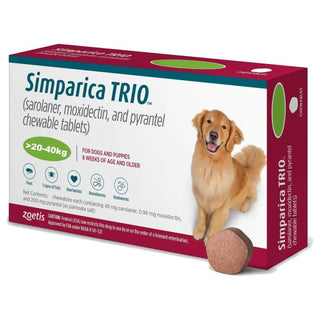
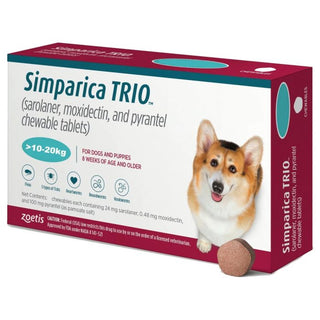
Simparica Trio For Dogs 22.1-44 lbs (10-20 kg)

Very happy with the price of Stronghold heart worm med for my dog. Seems to be working well.
Stronghold Teal For Dogs 44-88lbs (20-40kg)

My dog loves this product, never got any issue. Good price , deliver on time. We will definitely keep purchasing with 79 pets.com. Thanks!
Simparica Trio For Dogs 22.1-44 lbs (10-20 kg)

Great customer service! Would definitely purchase from them again!
Advocate (Advantage Multi) For Small Dog Upto 4kg 8.8lbs (4kg)

My fur babies love being protected from fleas!
Stronghold Blue For Cats 5.7-15.5lbs (2.6-7.5kg)

No more fleas! I love it and my pets love it!
Stronghold Teal For Dogs 44-88lbs (20-40kg)

I have 3 of these little rascals so Michigan flea/tick season can be financially brutal! Thank you for keeping NexGard so affordable.
NexGard Chew For Small Dogs 10-24lbs (4-10kg)

it is so easy to order
NexGard & Heartgard (Brown) Combo Dogs 60-121 lbs (25-50 kg)

I have no difficulty to give the tablet to my dog. I want my shipping to come faster by the way.
NexGard Spectra For Small Dog 8-16 lbs (3.5-7.5kg)

Stronghold Plus keep my baby safe
Stronghold Plus For Large Cats 11 lbs to 22 lbs (5-10kg)

Thank You 79pets
Stronghold Plus For Medium Cats 5.5 lbs to 11 lbs (2.5-5kg)

Advocate can only be found here n it's easier to order online. Thanks 79!
Advocate (Advantage Multi) For Cats Over 8.8lbs (4kg)

Great product and price. Shipping updates helped, since product comes from abroad. I would definitely recommend and use it again.
NexGard & Heartgard (Green) Combo Dogs 24-60 lbs (10-25 kg)

Easy to give!
NexGard Spectra For Small Dog 8-16 lbs (3.5-7.5kg)

Stronghold Plus does exactly what it was advertised for. Effective and best product. Would highly recommend Stronghold Plus.
Stronghold Plus For Cats 5.5 lbs to 11 lbs (2.5-5kg) 3 Pack

After Seresto collars failed to get rid of fleas, I didn't know where to turn. I saw a post on a page I follow (Kentucky Kitty Cats) saying that they use Nexgard Combo for the cats they shelter. I decided to try it and IT WORKS!
Nexgard Combo for Cats 5.5-16.5 lbs (2.5-7.5 kg)

My kitty love Revolution. One of the best product for flea & ticks. Good price will definitely recommend this website.
Revolution Plus For Medium Cats 5.6-11 lbs (2.6-5kg)

Tried this the first time and the correct medication was sent on time to me. Will definitely use this site again. Thanks!
Simparica Chewables For Very Small Dogs 5.6-11 lbs (2.5-5kg)

Happy Kitty
Revolution Plus For Medium Cats 5.6-11 lbs (2.6-5kg)

As described. Value for money
Nexgard Chew Red for Large Dogs Flea & Tick 60-121 lbs. (25-50kg)

This is Lexi Marie! She was wondering why mom was so excited for buying flea medicine. I explained to her that we saved $100 and that she would understand some day when she grows up.
Revolution Plus For Large Cats 11.1-22lbs (5-10kg)

Received on time. Thank You 79Pets
Nexgard Chew Red for Large Dogs Flea & Tick 60-121 lbs. (25-50kg)

Very good experience!
Revolution Plus For Large Cats 11.1-22lbs (5-10kg)

Last year, I made a visit to the vet. I told them that Kattie/cat had ear mites. They gave me an ointment costing $80canadian. I used it up and purchased another bottle. $160. total not including the cost of the vet visit. No results. The ear mites have been there for a long time. Canadian vets have control of what is sold in Pet stores and you cannot purchase off the shelf products not recognized by them. I jumped at the chance to purchase your produce with a recommended 100% effectivity. I was willing to try, but was suspicions. After a month there was still a little scratching but after 6 weeks, the mites are gone and the scratching is gone. Thank you very much for this mite solution. I recommend it heartily. Harry P.S. Do not tell the Canadian vets as they will outlaw your product.
Revolution Plus For Medium Cats 5.6-11 lbs (2.6-5kg)