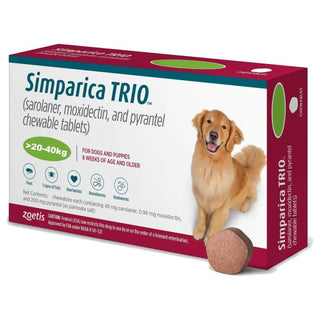
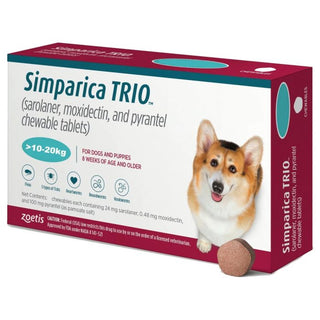


Not much to add. Dog tolerates it and price is good


Caring for a dog is more than feeding, walking, and giving belly rubs. A healthy dog needs a steady routine that supports their body, mind, hygiene, safety, and emotional well-being. Whether you are a new dog parent or want to improve your current routine, this complete dog care guide will help you build simple daily, weekly, and monthly habits for a happier, healthier companion.
Dogs feel more secure when life is predictable. Regular mealtimes, exercise, grooming, play, and health checks help your dog understand what to expect each day. A good routine can also help you notice changes early, such as appetite loss, weight gain, skin problems, dental issues, or unusual behavior.
Routine care does not need to be complicated. The goal is consistency. Small habits done regularly can make a big difference in your dog’s long-term health.
Proper nutrition plays a vital role in keeping your dog healthy and active. Select a complete, balanced dog food that matches your dog’s life stage, size, breed, activity level, and any specific health requirements. Puppies, adult dogs, senior dogs, pregnant dogs, and very active dogs often have different nutritional needs.
Measure each meal carefully instead of estimating by eye. Too much food can cause unhealthy weight gain, while too little may affect your dog’s energy, growth, and overall well-being. The feeding instructions on the food label can guide you, but they should not be treated as a fixed rule. Your dog’s ideal serving size may change based on weight, body condition, daily activity, and health status.
Clean, fresh water should always be available. Wash your dog’s water bowl every day to help prevent the buildup of saliva, dirt, and bacteria.
Feed meals at regular times each day. Avoid giving too many table scraps, as human food can upset your dog’s stomach or add extra calories. Treats should be limited and included as part of your dog’s daily calorie intake. If your dog has food allergies, stomach sensitivities, ongoing health issues, or takes medication, consult your veterinarian before making any diet changes.
Exercise helps your dog maintain a healthy weight, strong muscles, good joints, and better behavior. Dogs that do not get enough movement may become bored, restless, anxious, or destructive.
Daily walks are important, but the right amount of exercise depends on your dog’s age, breed, size, health, and energy level. Some dogs are happy with short walks and gentle play, while others need longer walks, running, fetch, swimming, agility, or scent games.
Puppies need shorter, controlled exercise because their bones and joints are still developing. Senior dogs may need slower walks and softer activities. Dogs with arthritis, heart disease, breathing problems, or obesity should follow a vet-approved exercise plan.
A healthy dog needs more than physical activity. Mental stimulation keeps your dog’s brain active and helps prevent boredom-related behavior problems.
Puzzle feeders, treat-dispensing toys, training games, hide-and-seek, sniffing walks, and basic obedience practice are excellent ways to keep your dog engaged. Even a few minutes of training each day can improve your dog’s focus and strengthen your bond.
Let your dog sniff during walks when it is safe. Sniffing is naturally enriching and helps dogs explore the world around them.
Grooming is not just about appearance. Grooming helps your dog feel clean and comfortable while giving you a chance to spot skin irritation, fleas or ticks, unusual lumps, cuts, injuries, or changes in the coat.
Brush your dog regularly based on their coat type. Long-haired dogs may need brushing several times a week or daily, while short-haired dogs may need less frequent brushing. Regular brushing helps reduce shedding, prevents mats, and keeps the coat cleaner.
Bathing should be done when needed using a dog-safe shampoo. Avoid using human shampoo, as it may irritate your dog’s skin. Always rinse well because leftover shampoo can cause itching or dryness.
Check your dog’s ears for redness, smell, discharge, or excessive wax. Trim nails before they become too long. Long nails can affect how your dog walks and may cause discomfort. Clean around the eyes gently if there is mild discharge. Inspect paws for cuts, swelling, cracked pads, or objects stuck between the toes.
If your dog dislikes grooming, start slowly and use positive reinforcement. For difficult nail trims, heavy matting, or ear problems, ask your vet or a professional groomer for help.
Dental care is often forgotten, but it is an important part of routine dog care. When plaque and tartar are not controlled, they can cause unpleasant breath, irritated gums, mouth pain, loose or missing teeth, and possible oral infections.
Brush your dog’s teeth with dog-safe toothpaste. Never use human toothpaste because it can contain ingredients that are unsafe for pets. If daily brushing is not possible, aim for several times a week and use vet-approved dental chews, dental diets, or oral rinses as additional support.
Signs of dental trouble include bad breath, red gums, drooling, chewing on one side, dropping food, pawing at the mouth, or refusing hard food. If you see any of these symptoms, arrange a checkup with your veterinarian.
Fleas, ticks, heartworms, and intestinal worms can cause serious health problems in dogs. Some parasites can also affect humans, so prevention is important for the whole household.
Use flea, tick, and worm prevention recommended by your veterinarian. The best product depends on your dog’s age, weight, health history, lifestyle, and the parasites common in your area.
Never use dog parasite products on cats unless your vet says it is safe. Certain ingredients that are suitable for dogs may be harmful to cats and, in some cases, can be life-threatening.
Regular veterinary checkups can help find health concerns in the early stages, before they develop into bigger problems. Most healthy adult dogs should visit the vet at least once a year for a wellness exam, while puppies, senior dogs, and dogs with ongoing health conditions may need checkups more often.
Your vet can help with vaccinations, parasite prevention, dental care, nutrition, weight management, blood tests, and early disease screening. Keep a record of vaccinations, medications, allergies, and any past medical problems.
Contact your vet sooner if your dog has vomiting, diarrhea, coughing, breathing problems, sudden weight loss, increased thirst, appetite changes, limping, skin sores, seizures, or unusual behavior.
Vaccines help protect dogs from serious diseases. Your dog’s vaccine schedule depends on age, health, lifestyle, travel, local risks, and legal requirements.
Core vaccines are commonly recommended for most dogs, while non-core vaccines may be suggested based on exposure risk. Your veterinarian can guide you on the right vaccination plan for your dog.
Do not skip booster appointments. Keeping vaccines current is an important part of responsible dog care.
Your dog’s home should be clean, comfortable, and safe. Provide a quiet resting area with a clean bed or blanket. Wash bedding regularly to reduce dirt, odor, allergens, and parasites.
Keep harmful items out of reach, including human medications, cleaning products, pesticides, toxic plants, chocolate, grapes, raisins, onions, alcohol, and small objects that could be swallowed.
Use secure gates, fences, and leashes to prevent accidents. If your dog spends time outdoors, make sure they have shade, fresh water, and protection from extreme weather.
Training teaches your dog what behavior is appropriate and helps make everyday routines smoother. Begin with simple commands like sit, come, stay, leave it, and walking politely on a leash.
Reward-based training works best for most dogs. Use treats, praise, toys, or gentle affection to encourage good behavior. Avoid severe punishment, as it can make dogs fearful, anxious, stressed, or defensive.
Training should be short, consistent, and enjoyable. A few minutes each day is often better than one long session. If your dog has fear, reactivity, separation anxiety, or aggression, consider working with a qualified dog trainer or behavior professional.
Socialization helps dogs become more relaxed and confident around different people, sounds, places, and everyday situations. For puppies, safe socialization during early development is especially important. Adult dogs can also benefit from gradual, positive exposure.
Do not force your dog into stressful situations. Let them move at their own pace. Watch their body language and give them space when they seem uncomfortable.
A stressed dog may show signals such as repeated yawning, licking the lips, looking away, lowering or tucking the tail, flattening the ears, trembling, growling, hiding, or attempting to move away.
A dog’s weight can change slowly, so it is easy to miss early signs of weight gain or weight loss. Check your dog’s body condition regularly. You should usually be able to feel the ribs with light pressure, but they should not be sharply visible in most healthy dogs.
If your dog is gaining weight, review meal portions, treats, table scraps, and exercise. If your dog is losing weight without trying, eating more than usual, drinking more, vomiting, or acting weak, contact your veterinarian.
Healthy weight management helps protect your dog’s joints, heart, energy levels, and overall quality of life.
A simple daily routine can help your dog stay healthy and happy.
Give fresh water. Feed measured meals. Take your dog for walks or bathroom breaks. Provide exercise and playtime. Offer mental stimulation. Check your dog’s mood, appetite, and energy level. Clean food and water bowls. Give medications or preventives if scheduled. Spend calm bonding time with your dog.
Weekly care helps you stay ahead of common problems.
Brush the coat. Check the ears, eyes, paws, skin, and teeth. Wash bedding if needed. Clean toys and food bowls. Review treat intake. Practice training commands. Look for fleas, ticks, lumps, scratches, or unusual odors.
Monthly checks are helpful for tracking long-term health.
Weigh your dog or assess body condition. Apply or give parasite prevention if prescribed monthly. Check nail length. Review your dog’s diet and activity level. Inspect collars, leashes, tags, harnesses, and bedding. Make sure your dog’s ID tag and microchip details are current.
Dogs are social animals. They need affection, attention, and companionship to feel secure. Spending time with your dog helps reduce stress and strengthens your relationship.
Simple moments matter. Talk to your dog, play together, groom gently, go for walks, or relax in the same room. A loved dog is often a more confident and emotionally balanced dog.
A complete dog care routine does not need to be perfect. It needs to be consistent, thoughtful, and suited to your dog’s individual needs. Balanced food, fresh water, exercise, grooming, dental care, parasite prevention, training, safety, and regular vet visits all work together to support your dog’s health.
By building small daily habits and paying attention to changes, you can help your dog live a healthier, happier, and more comfortable life.

Overall rating: 4.8 / 5 from 1134 reviews.
Not much to add. Dog tolerates it and price is good

This is the only flea medication that works for us where we live.

This on-line company is such a good find. They provide quality products at a good price with delivering them efficiently. Definitely recommend purchasing from them.

Items arrived on time and work great!

Love stronghold

Same product at a great price

Fast shipping great quality and price

We are happy with Heartgard Plus

I’ve been using Symperica Trio for a yr now. Love it. 79 pets ships fast and prices are more affordable. Thank You

Right after a haircut. 6 year old dashund/shih Tzu mix

Great deal on flea/tick. Helps take care of my pup
Stronghold Violet For Dogs 5-10lbs (2.6-5kg)

Two sweet girlies decided to make our deck their home. Mosquitoes are a big problem where we live and we had to get them protected. This was the best bang for the buck. I’ve ordered from 79Pets several times and while delivery is not fast it is very consistent.
Revolution Plus For Medium Cats 5.6-11 lbs (2.6-5kg)

As a retired veterinary technician I was extremely happy to finally see a flea and heartworm medication that actually does tapeworms too!!!!!!! This is a 1st to my knowledge....I live in a tropical climate where fleas never die so this is heaven sent.
Nexgard Combo For Cats 5.5-16.5 lbs (2.5-7.5 kg)

Great for free delivery worldwide and it took shorter time than I expected. Thanks
Simparica Trio For Dogs 5.6-11 lbs (2.5-5 kg)

My dog is excited to have her Advocate given every month! Great customer service and we're already a returned customer!
Advocate (Advantage Multi) For Small Dog Upto 4kg 8.8lbs (4kg)

Great price, authentic quality and reliable shipping. Shipping takes a bit longer, since it is being shipped from abroad. But still a reliable service.
NexGard & Heartgard (Green) Combo Dogs 24-60 lbs (10-25 kg)

79 pets has great service, they resolved my issue when I purchased by mistake . Thank you!
Simparica Trio For Dogs 22.1-44 lbs (10-20 kg)

Very happy with the price of Stronghold heart worm med for my dog. Seems to be working well.
Stronghold Teal For Dogs 44-88lbs (20-40kg)

My dog loves this product, never got any issue. Good price , deliver on time. We will definitely keep purchasing with 79 pets.com. Thanks!
Simparica Trio For Dogs 22.1-44 lbs (10-20 kg)

Great customer service! Would definitely purchase from them again!
Advocate (Advantage Multi) For Small Dog Upto 4kg 8.8lbs (4kg)

My fur babies love being protected from fleas!
Stronghold Blue For Cats 5.7-15.5lbs (2.6-7.5kg)

No more fleas! I love it and my pets love it!
Stronghold Teal For Dogs 44-88lbs (20-40kg)

I have 3 of these little rascals so Michigan flea/tick season can be financially brutal! Thank you for keeping NexGard so affordable.
NexGard Chew For Small Dogs 10-24lbs (4-10kg)

it is so easy to order
NexGard & Heartgard (Brown) Combo Dogs 60-121 lbs (25-50 kg)

I have no difficulty to give the tablet to my dog. I want my shipping to come faster by the way.
NexGard Spectra For Small Dog 8-16 lbs (3.5-7.5kg)

Stronghold Plus keep my baby safe
Stronghold Plus For Large Cats 11 lbs to 22 lbs (5-10kg)

Thank You 79pets
Stronghold Plus For Medium Cats 5.5 lbs to 11 lbs (2.5-5kg)

Advocate can only be found here n it's easier to order online. Thanks 79!
Advocate (Advantage Multi) For Cats Over 8.8lbs (4kg)

Great product and price. Shipping updates helped, since product comes from abroad. I would definitely recommend and use it again.
NexGard & Heartgard (Green) Combo Dogs 24-60 lbs (10-25 kg)

Easy to give!
NexGard Spectra For Small Dog 8-16 lbs (3.5-7.5kg)

Stronghold Plus does exactly what it was advertised for. Effective and best product. Would highly recommend Stronghold Plus.
Stronghold Plus For Cats 5.5 lbs to 11 lbs (2.5-5kg) 3 Pack

After Seresto collars failed to get rid of fleas, I didn't know where to turn. I saw a post on a page I follow (Kentucky Kitty Cats) saying that they use Nexgard Combo for the cats they shelter. I decided to try it and IT WORKS!
Nexgard Combo for Cats 5.5-16.5 lbs (2.5-7.5 kg)

My kitty love Revolution. One of the best product for flea & ticks. Good price will definitely recommend this website.
Revolution Plus For Medium Cats 5.6-11 lbs (2.6-5kg)

Tried this the first time and the correct medication was sent on time to me. Will definitely use this site again. Thanks!
Simparica Chewables For Very Small Dogs 5.6-11 lbs (2.5-5kg)

Happy Kitty
Revolution Plus For Medium Cats 5.6-11 lbs (2.6-5kg)

As described. Value for money
Nexgard Chew Red for Large Dogs Flea & Tick 60-121 lbs. (25-50kg)

This is Lexi Marie! She was wondering why mom was so excited for buying flea medicine. I explained to her that we saved $100 and that she would understand some day when she grows up.
Revolution Plus For Large Cats 11.1-22lbs (5-10kg)

Received on time. Thank You 79Pets
Nexgard Chew Red for Large Dogs Flea & Tick 60-121 lbs. (25-50kg)

Very good experience!
Revolution Plus For Large Cats 11.1-22lbs (5-10kg)

Last year, I made a visit to the vet. I told them that Kattie/cat had ear mites. They gave me an ointment costing $80canadian. I used it up and purchased another bottle. $160. total not including the cost of the vet visit. No results. The ear mites have been there for a long time. Canadian vets have control of what is sold in Pet stores and you cannot purchase off the shelf products not recognized by them. I jumped at the chance to purchase your produce with a recommended 100% effectivity. I was willing to try, but was suspicions. After a month there was still a little scratching but after 6 weeks, the mites are gone and the scratching is gone. Thank you very much for this mite solution. I recommend it heartily. Harry P.S. Do not tell the Canadian vets as they will outlaw your product.
Revolution Plus For Medium Cats 5.6-11 lbs (2.6-5kg)