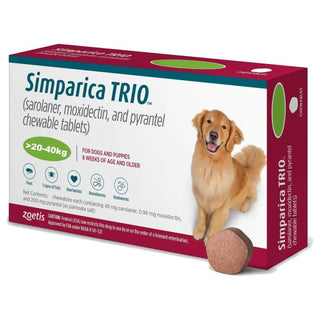


Not much to add. Dog tolerates it and price is good


Summer can be a fun season for pets, with longer walks, outdoor play, garden time, beach visits, and sunny naps. However, hot weather can also bring skin problems for dogs and cats. Strong sunlight, heat, humidity, dry skin, allergies, fleas, ticks, and hot surfaces can all affect your pet’s skin and comfort.
Pets also need special attention when the weather gets warmer, as heat, sunlight, and humidity can affect their skin, coat, and overall comfort. Their coat, paws, nose, ears, belly, and skin can become sensitive when the weather is hot. Some pets may develop itching, redness, rashes, sunburn, dry skin, hot spots, or irritated paws if proper care is not taken.
The good news is that a simple summer skincare routine can help your pet stay comfortable, healthy, and protected. Here are essential summer skincare tips for dogs and cats.
Many pet owners do not realize that cats and dogs can also get sunburned. Pets with pale fur, short coats, sparse hair, or visible skin are more vulnerable to sun damage. Sensitive spots like the nose, ear edges, belly, lips, and recently shaved areas can burn more easily when exposed to strong sunlight.
If your pet spends time outdoors, ask your veterinarian about a pet-safe sunscreen. Never use human sunscreen unless your vet says it is safe, because some ingredients may be harmful if pets lick them.
Apply sunscreen to exposed areas before outdoor activity, especially if your pet is going to the beach, park, or garden. Reapply as directed on the product label.
For cats, sunscreen should be used very carefully because cats groom themselves often. Always choose a product that is suitable for cats and approved by your vet.
One of the easiest ways to protect your pet’s skin is to limit sun exposure during the hottest part of the day. Late morning to afternoon is usually when sunlight and heat are strongest.
Try to schedule walks, playtime, or outdoor activities in the early morning or late evening. This helps reduce the risk of sunburn, paw burns, dehydration, and heat stress.
If your pet is outside, make sure they have access to shade at all times. A shaded patio, tree-covered area, pet tent, or indoor cooling space can help keep them comfortable.
Hydration is important for your pet’s overall health, but it also supports healthy skin. When pets do not drink enough water, their skin may become dry and their body may struggle to handle heat.
Always keep clean, fresh water available. During summer, check water bowls more often because water can become warm or dirty quickly.
You can also encourage hydration by offering wet food, adding a small amount of water to meals, or giving pet-safe cooling treats. If your pet refuses water, seems weak, pants heavily, vomits, or acts unusual, contact your veterinarian.
Regular brushing is one of the best summer skincare habits for dogs and cats. Brushing helps remove loose fur, dirt, dead skin, and tangles. It also helps air move through the coat and allows you to spot skin problems early.
Long-haired pets may develop mats more easily in summer, especially if they sweat, swim, or spend time outdoors. Mats can trap heat and moisture, which may lead to skin irritation.
Choose a brushing routine that matches your pet’s coat. Pets with short hair may only need brushing a few times weekly, while long-haired dogs and cats often benefit from daily grooming to prevent tangles and loose fur buildup.
For cats, regular brushing also helps reduce hairballs and keeps the coat cleaner during shedding season.
It may seem like shaving your pet will keep them cooler, but this is not always a good idea. A pet’s coat helps protect the skin from sun damage, insects, and temperature changes.
Instead of shaving your pet completely, focus on proper grooming. Trimming long hair may help some pets feel more comfortable, but it should be done carefully.
For pets with dense fur or a double-layered coat, speak with a professional groomer or veterinarian before cutting it short. Shaving the wrong type of coat can affect natural protection and may increase the risk of sunburn.
Hot pavement, sand, concrete, and metal surfaces can burn your pet’s paw pads. Paw burns can be painful and may cause redness, peeling, limping, blisters, or licking.
Before walking your dog, place the back of your hand on the ground for a few seconds. If it feels too hot for your hand, it is too hot for your pet’s paws.
Walk your dog during cooler hours and choose grass or shaded paths when possible. You can also use pet-safe paw balm or protective booties if your dog accepts them.
Cats that go outdoors can also injure their paws on hot surfaces, so check their paw pads regularly.
Fleas, ticks, mites, and other parasites are more active in warm weather. These parasites can cause itching, redness, hair loss, scabs, skin infections, and allergic reactions.
Check your pet’s coat after walks, outdoor play, or travel. Look around the ears, neck, belly, tail base, legs, and between the toes.
Choose a flea and tick treatment recommended by your veterinarian and make sure it matches your pet’s species, age, weight, and overall health needs. Avoid using flea products made only for dogs on cats, as certain ingredients can be harmful or even toxic to felines.
If your pet starts scratching excessively, or you notice black flea dirt, red bumps, thinning fur, or irritated skin, contact your veterinarian for proper advice.
Summer can bring pollen, grass, dust, mold, insect bites, and environmental allergens. These can trigger itching and skin irritation in both dogs and cats.
Common signs of skin allergies include:
If your pet has mild irritation after outdoor time, gently wipe their paws and coat with a damp cloth. This may help remove pollen and dust. For ongoing itching, do not rely on home remedies. Your Veterinarian can find out what is behind the issue and guide you toward a safe, effective treatment option for your pet.
Bathing can help remove dirt, allergens, sweat, and odor, but over-bathing can dry out your pet’s skin. Too many baths may strip natural oils from the coat and make itching worse.
Use a mild, pet-safe shampoo. Avoid harsh soaps, human shampoos, or strongly scented products. After bathing, rinse thoroughly because leftover shampoo can irritate the skin.
Dogs may need baths more often during summer if they swim, roll in dirt, or spend time outdoors. Cats usually do not need frequent baths unless recommended by a vet or groomer.
Swimming can be a great summer activity for dogs, but wet fur can sometimes lead to skin problems if not dried properly. Moisture trapped in the coat can encourage irritation, odor, or hot spots.
Once your pet is done swimming, wash their coat with fresh water to clear away chlorine, salt, sand, dirt, or lake residue. Gently dry them afterward, paying close attention to moisture-prone areas such as the ears, under the collar, belly, armpits, and between the toes.
If your dog starts to smell unpleasant, develops redness, or keeps licking their skin after a swim, it is best to contact your veterinarian.
Warm, damp weather can raise the chances of ear irritation in pets, particularly in dogs with floppy ears and animals that swim frequently. Allergies may also play a role in recurring ear problems.
Check your pet’s ears for redness, odor, discharge, swelling, or frequent head shaking. Do not insert cotton swabs deep into the ear canal.
Use a vet-approved ear cleaner if your pet needs regular ear care. If you notice pain, bad smell, or discharge, visit your veterinarian.
Hot spots are red, moist, painful skin patches that can appear suddenly. They are more common in warm and humid weather and may be triggered by scratching, licking, allergies, fleas, or trapped moisture.
Signs of hot spots include:
Because hot spots can worsen and enlarge in a short time, prompt care is important. If you see any of these symptoms, reach out to your veterinarian for advice.
Healthy skin starts from within. A balanced diet with good-quality protein, essential fatty acids, vitamins, and minerals helps support your pet’s skin and coat.
If your pet has dry skin, dull fur, frequent itching, or recurring skin problems, ask your vet whether diet, allergies, or supplements may be involved.
Avoid giving your pet supplements unless your veterinarian recommends them, particularly if your pet has an existing health issue or is currently taking medication.
A cool indoor environment can help reduce heat-related skin discomfort. Make sure your pet has a clean, shaded, and well-ventilated place to rest.
Wash bedding regularly, especially in summer, because sweat, dirt, fleas, pollen, and dust can collect in blankets and beds.
For pets with sensitive skin, choose soft bedding and avoid strong detergents or heavily scented sprays.
Some summer skin issues can be managed with simple care, but others need veterinary attention. Contact your vet if your pet has:
You should also seek veterinary advice quickly if your pet is very young, elderly, pregnant, sick, or has a history of allergies or skin disease.
Dogs usually spend more time outdoors, go for walks, swim, and play on hot surfaces. Their summer skincare routine often needs more focus on paw protection, sunscreen, parasite prevention, swimming care, and grooming.
Cats may spend more time indoors, but they can still get sun exposure near windows, balconies, gardens, or outdoor spaces. Cats also groom themselves frequently, so products used on their skin must be chosen carefully. Never apply dog skincare or flea products to cats unless the label clearly says it is safe for cats.
Summer skincare for pets does not have to be complicated. A simple routine of sun protection, regular grooming, hydration, paw care, parasite prevention, and early skin checks can make a big difference.
Every pet is different, so pay attention to your dog or cat’s coat type, lifestyle, skin sensitivity, and outdoor exposure. With the right care and veterinary guidance when needed, you can help your pet enjoy summer safely and comfortably.

Overall rating: 4.8 / 5 from 1134 reviews.
Not much to add. Dog tolerates it and price is good

This is the only flea medication that works for us where we live.

This on-line company is such a good find. They provide quality products at a good price with delivering them efficiently. Definitely recommend purchasing from them.

Items arrived on time and work great!

Love stronghold

Same product at a great price

Fast shipping great quality and price

We are happy with Heartgard Plus

I’ve been using Symperica Trio for a yr now. Love it. 79 pets ships fast and prices are more affordable. Thank You

Right after a haircut. 6 year old dashund/shih Tzu mix

Great deal on flea/tick. Helps take care of my pup
Stronghold Violet For Dogs 5-10lbs (2.6-5kg)

Two sweet girlies decided to make our deck their home. Mosquitoes are a big problem where we live and we had to get them protected. This was the best bang for the buck. I’ve ordered from 79Pets several times and while delivery is not fast it is very consistent.
Revolution Plus For Medium Cats 5.6-11 lbs (2.6-5kg)

As a retired veterinary technician I was extremely happy to finally see a flea and heartworm medication that actually does tapeworms too!!!!!!! This is a 1st to my knowledge....I live in a tropical climate where fleas never die so this is heaven sent.
Nexgard Combo For Cats 5.5-16.5 lbs (2.5-7.5 kg)

Great for free delivery worldwide and it took shorter time than I expected. Thanks
Simparica Trio For Dogs 5.6-11 lbs (2.5-5 kg)

My dog is excited to have her Advocate given every month! Great customer service and we're already a returned customer!
Advocate (Advantage Multi) For Small Dog Upto 4kg 8.8lbs (4kg)

Great price, authentic quality and reliable shipping. Shipping takes a bit longer, since it is being shipped from abroad. But still a reliable service.
NexGard & Heartgard (Green) Combo Dogs 24-60 lbs (10-25 kg)

79 pets has great service, they resolved my issue when I purchased by mistake . Thank you!
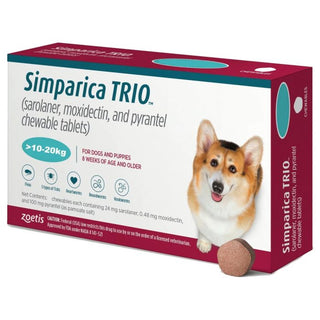
Simparica Trio For Dogs 22.1-44 lbs (10-20 kg)

Very happy with the price of Stronghold heart worm med for my dog. Seems to be working well.
Stronghold Teal For Dogs 44-88lbs (20-40kg)

My dog loves this product, never got any issue. Good price , deliver on time. We will definitely keep purchasing with 79 pets.com. Thanks!
Simparica Trio For Dogs 22.1-44 lbs (10-20 kg)

Great customer service! Would definitely purchase from them again!
Advocate (Advantage Multi) For Small Dog Upto 4kg 8.8lbs (4kg)

My fur babies love being protected from fleas!
Stronghold Blue For Cats 5.7-15.5lbs (2.6-7.5kg)

No more fleas! I love it and my pets love it!
Stronghold Teal For Dogs 44-88lbs (20-40kg)

I have 3 of these little rascals so Michigan flea/tick season can be financially brutal! Thank you for keeping NexGard so affordable.
NexGard Chew For Small Dogs 10-24lbs (4-10kg)

it is so easy to order
NexGard & Heartgard (Brown) Combo Dogs 60-121 lbs (25-50 kg)

I have no difficulty to give the tablet to my dog. I want my shipping to come faster by the way.
NexGard Spectra For Small Dog 8-16 lbs (3.5-7.5kg)

Stronghold Plus keep my baby safe
Stronghold Plus For Large Cats 11 lbs to 22 lbs (5-10kg)

Thank You 79pets
Stronghold Plus For Medium Cats 5.5 lbs to 11 lbs (2.5-5kg)

Advocate can only be found here n it's easier to order online. Thanks 79!
Advocate (Advantage Multi) For Cats Over 8.8lbs (4kg)

Great product and price. Shipping updates helped, since product comes from abroad. I would definitely recommend and use it again.
NexGard & Heartgard (Green) Combo Dogs 24-60 lbs (10-25 kg)

Easy to give!
NexGard Spectra For Small Dog 8-16 lbs (3.5-7.5kg)

Stronghold Plus does exactly what it was advertised for. Effective and best product. Would highly recommend Stronghold Plus.
Stronghold Plus For Cats 5.5 lbs to 11 lbs (2.5-5kg) 3 Pack

After Seresto collars failed to get rid of fleas, I didn't know where to turn. I saw a post on a page I follow (Kentucky Kitty Cats) saying that they use Nexgard Combo for the cats they shelter. I decided to try it and IT WORKS!
Nexgard Combo for Cats 5.5-16.5 lbs (2.5-7.5 kg)

My kitty love Revolution. One of the best product for flea & ticks. Good price will definitely recommend this website.
Revolution Plus For Medium Cats 5.6-11 lbs (2.6-5kg)

Tried this the first time and the correct medication was sent on time to me. Will definitely use this site again. Thanks!
Simparica Chewables For Very Small Dogs 5.6-11 lbs (2.5-5kg)

Happy Kitty
Revolution Plus For Medium Cats 5.6-11 lbs (2.6-5kg)

As described. Value for money
Nexgard Chew Red for Large Dogs Flea & Tick 60-121 lbs. (25-50kg)

This is Lexi Marie! She was wondering why mom was so excited for buying flea medicine. I explained to her that we saved $100 and that she would understand some day when she grows up.
Revolution Plus For Large Cats 11.1-22lbs (5-10kg)

Received on time. Thank You 79Pets
Nexgard Chew Red for Large Dogs Flea & Tick 60-121 lbs. (25-50kg)

Very good experience!
Revolution Plus For Large Cats 11.1-22lbs (5-10kg)

Last year, I made a visit to the vet. I told them that Kattie/cat had ear mites. They gave me an ointment costing $80canadian. I used it up and purchased another bottle. $160. total not including the cost of the vet visit. No results. The ear mites have been there for a long time. Canadian vets have control of what is sold in Pet stores and you cannot purchase off the shelf products not recognized by them. I jumped at the chance to purchase your produce with a recommended 100% effectivity. I was willing to try, but was suspicions. After a month there was still a little scratching but after 6 weeks, the mites are gone and the scratching is gone. Thank you very much for this mite solution. I recommend it heartily. Harry P.S. Do not tell the Canadian vets as they will outlaw your product.
Revolution Plus For Medium Cats 5.6-11 lbs (2.6-5kg)