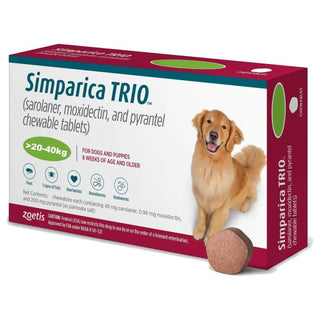
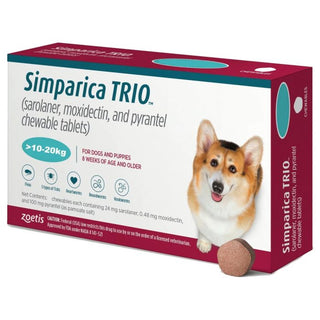


Not much to add. Dog tolerates it and price is good


Flea treatment can feel frustrating when you apply a product, wait patiently, and still see fleas on your dog or cat. Many pet owners quickly assume the treatment has failed, but in many cases, the real problem is not the product itself. It is how the treatment is used, how often it is given, or whether the home environment is also being managed.
Fleas are persistent parasites. They do not only live on your pet. Adult fleas may be seen on your dog or cat, but flea eggs, larvae, and pupae can hide in carpets, bedding, sofas, cracks in flooring, and outdoor resting areas. This means that treating your pet once may kill many adult fleas, but new fleas can still continue to appear from the environment.
If your flea treatment is not working as expected, here are the most common mistakes pet owners make and what you can do to fix them.
One of the biggest misunderstandings about flea treatment is expecting instant results. Some products start killing fleas quickly, but that does not mean every flea problem disappears in one day.
If your home already has flea eggs or larvae, new adult fleas may continue to emerge for several weeks. These newly hatched fleas can jump onto your pet even after treatment. This can make it look like the product is not working, when in reality, the treatment is killing fleas as they appear.
The key is consistency. Continue using flea prevention exactly as directed. Stopping too early allows the flea life cycle to restart.
If you have more than one dog or cat, all pets in the home may need flea protection. Treating only the pet that is scratching is often not enough.
Fleas can move between animals. One untreated pet can act as a safe place for fleas to feed, survive, and continue laying eggs. Even indoor cats can be affected if another pet goes outside and brings fleas into the home.
Ask your veterinarian which products are safe for each pet. Do not apply flea treatment made for dogs to a cat unless your veterinarian has clearly said it is safe. Some flea treatments made for dogs contain ingredients that cats cannot safely tolerate. Using them on cats may lead to severe poisoning and, in serious cases, can become life-threatening.
Not all flea products work the same way. Some only kill adult fleas. Some target flea eggs or larvae. Some protect against ticks, mites, or worms as well. The right choice depends on your pet’s species, weight, age, health condition, lifestyle, and local parasite risk.
A product that works well for one pet may not be suitable for another. Puppies, kittens, pregnant pets, senior pets, and pets with medical conditions may need special care when choosing flea control.
Always check the product label carefully and use the correct treatment for your pet’s species and weight range. If you are unsure, speak with your veterinarian before applying anything.
Spot-on flea treatments must be applied properly to work well. A common mistake is putting the product on the fur instead of the skin. If the liquid stays on the hair, it may not spread or absorb correctly.
With many spot-on treatments, the fur should be gently separated so the liquid can be placed directly on the skin. Depending on the product directions, this is often done between the shoulder blades or along the pet’s back.
Avoid bathing your pet immediately before or after applying topical flea treatment unless the product label says it is safe. Some products need time to spread through the skin’s natural oils. Washing too soon may reduce effectiveness.
Flea treatments are often based on weight. Using a product made for a smaller pet may not provide enough protection. Using a product made for a larger pet can increase the risk of side effects.
Never split a large-dose product between pets unless your veterinarian tells you to do so. The medication may not be mixed evenly throughout the dose, so dividing it can lead to too much or too little being given, making the treatment unsafe or less effective.
Weigh your pet regularly and choose the correct product size. If your pet is near the edge of a weight range, ask your vet which option is best.
Many flea treatments need to be given monthly, while others last longer. If you miss a dose or apply it late, your pet may become vulnerable again.
Fleas can reproduce quickly. A small gap in protection may be enough for a new infestation to begin. This is especially common in warm climates, humid areas, or households with pets that go outdoors.
Set a reminder on your phone or mark the treatment date on your calendar. Consistent prevention is much easier than trying to remove a full flea infestation later.
Fleas do not only live on pets. In fact, much of the flea population may be hiding in your home as eggs, larvae, or pupae. If you only treat your pet and ignore the environment, fleas may keep coming back.
To help control fleas at home:
In heavy infestations, your vet may recommend a home-safe environmental flea treatment. Always follow label directions carefully, and keep pets away from treated areas until it is safe.
Your pet may be picking up fleas from outside. Fleas can live in shaded, warm, and humid areas such as gardens, patios, kennels, under decks, or places where stray animals pass through.
If your pet keeps getting fleas despite regular treatment, check outdoor resting spots. Keep grass trimmed, remove piles of leaves, and discourage wildlife or stray animals from entering your pet’s area.
Outdoor control may be especially important for dogs that spend time in the yard, visit parks, or interact with other animals.
Flea treatments can lose effectiveness if they are expired or stored incorrectly. Heat, moisture, and damaged packaging may affect some products.
Always check the expiry date before use. Store flea treatments according to the instructions on the package. Avoid using products that look damaged, separated, leaking, or unusually discolored.
Applying extra flea treatment is not a safe solution. More product does not mean faster results. It can increase the risk of poisoning, skin irritation, vomiting, drooling, tremors, seizures, or other serious reactions.
Never combine flea products unless your veterinarian recommends it. For example, using a flea collar, spot-on treatment, spray, and oral medication together may expose your pet to too many active ingredients.
If fleas are still present, contact your vet instead of adding more products on your own.
A flea’s life cycle has four main stages: egg, larva, pupa, and adult flea. Adult fleas are the ones you see on your pet, but they are only part of the problem.
Flea pupae are especially difficult because they can stay hidden and protected for a long time. When conditions are right, they emerge as adult fleas and jump onto your pet. This is why you may continue seeing fleas even after starting treatment.
Successful flea control usually requires breaking the life cycle. That means treating pets consistently and cleaning the home environment regularly.
If your pet keeps scratching after flea treatment, it does not always mean the treatment failed. Flea bites can cause skin irritation that lasts even after the fleas are gone. Some animals are sensitive to flea saliva, and even a few bites can trigger flea allergy dermatitis. This condition may lead to severe itching, red or irritated skin, hair loss, scabbing, and sometimes secondary skin infections.
Other problems can also cause itching, including food allergies, environmental allergies, mites, skin infections, dry skin, or grooming issues.
If your pet is still very itchy, losing hair, developing sores, or seems uncomfortable, book a veterinary checkup.
Some home remedies may sound natural, but they are not always safe or effective. Essential oils, garlic, vinegar, lemon sprays, and homemade flea mixtures can irritate your pet’s skin or cause poisoning, especially in cats.
Natural does not always mean safe. Fleas can also carry disease and cause anemia in severe infestations, especially in young, small, or weak animals.
Use veterinarian-approved flea products and ask your vet before trying any home remedy.
A few fleas can quickly become a serious problem. Signs of a flea infestation may include:
To check for flea dirt, comb your pet and place the black specks on a wet white tissue. If they turn reddish-brown, it may be digested blood from fleas.
If you have used flea treatment correctly and still see fleas, your veterinarian can help identify the reason. Your pet may need a different product, a better dosing schedule, treatment for skin irritation, or a plan for the home environment.
Speak with your veterinarian before using flea treatment if your pet is a puppy or kitten, senior, pregnant, unwell, underweight, taking medication, or has ever had seizures or other nervous system problems.
Certain flea and tick preventives, including some isoxazoline-based products, may need extra caution in pets with a history of neurological concerns. Your Veterinarian can recommend the safest and most suitable option for your pet.
If you are still seeing fleas, do not panic and do not overdose your pet. Instead, follow these steps:
When flea treatment does not seem to work, the cause is often not true product failure. The problem may be missed doses, wrong application, untreated pets, hidden fleas in the home, or unrealistic expectations about how long flea control takes.
Flea control works best when it is consistent, safe, and complete. Treat your pet, manage the environment, follow the product instructions, and ask your veterinarian for help when needed. With the right approach, you can break the flea life cycle and help your pet feel comfortable again.

Overall rating: 4.8 / 5 from 1134 reviews.
Not much to add. Dog tolerates it and price is good

This is the only flea medication that works for us where we live.

This on-line company is such a good find. They provide quality products at a good price with delivering them efficiently. Definitely recommend purchasing from them.

Items arrived on time and work great!

Love stronghold

Same product at a great price

Fast shipping great quality and price

We are happy with Heartgard Plus

I’ve been using Symperica Trio for a yr now. Love it. 79 pets ships fast and prices are more affordable. Thank You

Right after a haircut. 6 year old dashund/shih Tzu mix

Great deal on flea/tick. Helps take care of my pup
Stronghold Violet For Dogs 5-10lbs (2.6-5kg)

Two sweet girlies decided to make our deck their home. Mosquitoes are a big problem where we live and we had to get them protected. This was the best bang for the buck. I’ve ordered from 79Pets several times and while delivery is not fast it is very consistent.
Revolution Plus For Medium Cats 5.6-11 lbs (2.6-5kg)

As a retired veterinary technician I was extremely happy to finally see a flea and heartworm medication that actually does tapeworms too!!!!!!! This is a 1st to my knowledge....I live in a tropical climate where fleas never die so this is heaven sent.
Nexgard Combo For Cats 5.5-16.5 lbs (2.5-7.5 kg)

Great for free delivery worldwide and it took shorter time than I expected. Thanks
Simparica Trio For Dogs 5.6-11 lbs (2.5-5 kg)

My dog is excited to have her Advocate given every month! Great customer service and we're already a returned customer!
Advocate (Advantage Multi) For Small Dog Upto 4kg 8.8lbs (4kg)

Great price, authentic quality and reliable shipping. Shipping takes a bit longer, since it is being shipped from abroad. But still a reliable service.
NexGard & Heartgard (Green) Combo Dogs 24-60 lbs (10-25 kg)

79 pets has great service, they resolved my issue when I purchased by mistake . Thank you!
Simparica Trio For Dogs 22.1-44 lbs (10-20 kg)

Very happy with the price of Stronghold heart worm med for my dog. Seems to be working well.
Stronghold Teal For Dogs 44-88lbs (20-40kg)

My dog loves this product, never got any issue. Good price , deliver on time. We will definitely keep purchasing with 79 pets.com. Thanks!
Simparica Trio For Dogs 22.1-44 lbs (10-20 kg)

Great customer service! Would definitely purchase from them again!
Advocate (Advantage Multi) For Small Dog Upto 4kg 8.8lbs (4kg)

My fur babies love being protected from fleas!
Stronghold Blue For Cats 5.7-15.5lbs (2.6-7.5kg)

No more fleas! I love it and my pets love it!
Stronghold Teal For Dogs 44-88lbs (20-40kg)

I have 3 of these little rascals so Michigan flea/tick season can be financially brutal! Thank you for keeping NexGard so affordable.
NexGard Chew For Small Dogs 10-24lbs (4-10kg)

it is so easy to order
NexGard & Heartgard (Brown) Combo Dogs 60-121 lbs (25-50 kg)

I have no difficulty to give the tablet to my dog. I want my shipping to come faster by the way.
NexGard Spectra For Small Dog 8-16 lbs (3.5-7.5kg)

Stronghold Plus keep my baby safe
Stronghold Plus For Large Cats 11 lbs to 22 lbs (5-10kg)

Thank You 79pets
Stronghold Plus For Medium Cats 5.5 lbs to 11 lbs (2.5-5kg)

Advocate can only be found here n it's easier to order online. Thanks 79!
Advocate (Advantage Multi) For Cats Over 8.8lbs (4kg)

Great product and price. Shipping updates helped, since product comes from abroad. I would definitely recommend and use it again.
NexGard & Heartgard (Green) Combo Dogs 24-60 lbs (10-25 kg)

Easy to give!
NexGard Spectra For Small Dog 8-16 lbs (3.5-7.5kg)

Stronghold Plus does exactly what it was advertised for. Effective and best product. Would highly recommend Stronghold Plus.
Stronghold Plus For Cats 5.5 lbs to 11 lbs (2.5-5kg) 3 Pack

After Seresto collars failed to get rid of fleas, I didn't know where to turn. I saw a post on a page I follow (Kentucky Kitty Cats) saying that they use Nexgard Combo for the cats they shelter. I decided to try it and IT WORKS!
Nexgard Combo for Cats 5.5-16.5 lbs (2.5-7.5 kg)

My kitty love Revolution. One of the best product for flea & ticks. Good price will definitely recommend this website.
Revolution Plus For Medium Cats 5.6-11 lbs (2.6-5kg)

Tried this the first time and the correct medication was sent on time to me. Will definitely use this site again. Thanks!
Simparica Chewables For Very Small Dogs 5.6-11 lbs (2.5-5kg)

Happy Kitty
Revolution Plus For Medium Cats 5.6-11 lbs (2.6-5kg)

As described. Value for money
Nexgard Chew Red for Large Dogs Flea & Tick 60-121 lbs. (25-50kg)

This is Lexi Marie! She was wondering why mom was so excited for buying flea medicine. I explained to her that we saved $100 and that she would understand some day when she grows up.
Revolution Plus For Large Cats 11.1-22lbs (5-10kg)

Received on time. Thank You 79Pets
Nexgard Chew Red for Large Dogs Flea & Tick 60-121 lbs. (25-50kg)

Very good experience!
Revolution Plus For Large Cats 11.1-22lbs (5-10kg)

Last year, I made a visit to the vet. I told them that Kattie/cat had ear mites. They gave me an ointment costing $80canadian. I used it up and purchased another bottle. $160. total not including the cost of the vet visit. No results. The ear mites have been there for a long time. Canadian vets have control of what is sold in Pet stores and you cannot purchase off the shelf products not recognized by them. I jumped at the chance to purchase your produce with a recommended 100% effectivity. I was willing to try, but was suspicions. After a month there was still a little scratching but after 6 weeks, the mites are gone and the scratching is gone. Thank you very much for this mite solution. I recommend it heartily. Harry P.S. Do not tell the Canadian vets as they will outlaw your product.
Revolution Plus For Medium Cats 5.6-11 lbs (2.6-5kg)