

Not much to add. Dog tolerates it and price is good


Fleas can turn a comfortable cat into an itchy, restless pet, while ticks may expose cats to infections and painful skin problems. Choosing the best flea and tick treatments for cats is therefore not simply about killing visible parasites—it is about selecting reliable, ongoing protection that suits your cat’s age, weight, lifestyle, health history, and temperament.
No single medication is ideal for every cat. Some cats need broad protection against fleas, ticks, heartworms, mites, and intestinal worms, while others may only need targeted flea control. A veterinarian can assess local parasite risks and recommend the safest option for your individual pet.
Indoor cats are not completely protected from parasites. Fleas may enter a home on another pet, clothing, shoes, luggage, or visitors. Ticks may also be carried indoors before attaching to a cat. Once fleas become established, eggs and immature stages can remain in carpets, furniture, bedding, and gaps in floors.
Flea bites can cause itching, hair loss, skin infections, flea allergy dermatitis, and—when infestations are heavy—anemia. Cats may also swallow infected fleas while grooming and develop tapeworms. Ticks can irritate the skin and may transmit disease, although the exact risks vary by country and tick species.
The best flea and tick treatments for cats are most effective when given at the correct dose and repeated on schedule throughout the year.
|
Treatment |
Form |
Typical Schedule |
Main Coverage |
Best Suited For |
|
NexGard COMBO |
Topical |
Monthly |
Fleas, ticks, heartworm, roundworms, hookworms and tapeworms |
Broad all-in-one parasite protection |
|
Revolution Plus |
Topical |
Monthly |
Fleas, selected ticks, heartworm, ear mites, roundworms and hookworms |
Cats needing broad monthly coverage |
|
Bravecto Plus |
Topical |
Every two months |
Fleas, selected ticks, heartworm, roundworms and hookworms |
Owners wanting fewer applications |
|
Bravecto Topical |
Topical |
Up to 12 weeks |
Fleas and selected ticks |
Long-lasting flea and tick control |
|
Credelio CAT |
Oral chewable |
Monthly |
Fleas and black-legged ticks |
Cats that tolerate oral medicine better |
|
Frontline Plus |
Topical |
Monthly |
Adult fleas, flea eggs and larvae, ticks and chewing lice |
Non-prescription flea life-cycle control |
|
Seresto Collar |
Collar |
Up to 7–8 months |
Fleas and ticks |
Long-duration, low-maintenance protection |
|
Cheristin |
Topical |
Monthly |
Fleas only |
Fast, targeted flea control |
This comparison can help narrow down the best flea and tick treatments for cats, but it cannot replace an individual veterinary recommendation.
Product indications, minimum ages, weight ranges, tick species, and availability vary by country. Always follow the label supplied with the product and your veterinarian’s directions.
The products below were evaluated according to the factors veterinarians commonly consider: parasite coverage, duration, ease of use, age and weight restrictions, safety information, and the likelihood that owners can administer each dose consistently.
The best flea and tick treatments for cats should come from reputable manufacturers, have clear dosing instructions, and match the parasites your cat is actually likely to encounter. Broader coverage is not automatically better if your cat does not need it, while a flea-only product may be insufficient for an outdoor cat living in a high-tick or heartworm-risk area.
NexGard COMBO is frequently mentioned when veterinarians discuss the best flea and tick treatments for cats that require broad-spectrum protection. It is a monthly topical medication containing esafoxolaner, eprinomectin, and praziquantel.
It protects against fleas and selected ticks, helps prevent heartworm disease, and treats or controls roundworms, hookworms, and tapeworms.
This broad coverage can simplify parasite prevention by combining multiple protections into a single application. It may be especially useful for cats that go outdoors, hunt, live with other pets, or have exposure to mosquitoes and intestinal parasites.
Apply the full dose directly to visible skin that your cat cannot easily lick. Keep treated pets apart until the application site has fully dried.
Revolution Plus combines selamectin and sarolaner in a monthly spot-on treatment. It covers fleas, selected tick species, ear mites, roundworms, hookworms, and heartworm prevention.
For many households, it offers a practical balance between broad coverage and easy monthly dosing. It is widely considered one of the best flea and tick treatments for cats that need more than basic flea control.
Because sarolaner belongs to the isoxazoline class, discuss any history of tremors, seizures, incoordination, or other neurological problems with your veterinarian before use.
Bravecto Plus combines fluralaner and moxidectin. One topical dose protects eligible cats against fleas, selected ticks, and heartworm for two months while also treating roundworms and hookworms.
Its longer dosing interval may suit owners who find monthly applications difficult. Fewer applications can also reduce stress for cats that dislike being restrained.
Bravecto Plus is not the same as regular Bravecto Topical. Check the exact product name and packaging carefully before applying it to your cat.
Regular Bravecto Topical contains fluralaner and focuses on flea and tick protection. Depending on the tick species listed on the local label, one dose can provide protection for up to 12 weeks.
This makes it one of the best flea and tick treatments for cats whose owners want fewer doses but do not need the additional worm and heartworm coverage supplied by combination products.
The duration of protection against individual tick species may differ. Extended efficacy may also not be established for young kittens, so confirm the age and weight requirements with your veterinarian.
For cats that strongly resist spot-on liquids, Credelio CAT may be one of the best flea and tick treatments for cats to discuss with a veterinarian. It contains lotilaner and is given as a small monthly chewable tablet.
It treats and prevents flea infestations and controls black-legged ticks in cats meeting the labeled age and weight requirements.
An oral medicine leaves no wet residue on the coat, making it useful in homes with children or pets that groom one another. It can also be a good choice for cats that react poorly to liquid on their skin.
Tick coverage is more limited than with some broad-spectrum topicals, and the tablet generally needs to be given with food. Ask your veterinarian whether the tick species found in your area are covered.
Frontline Plus uses fipronil and an insect growth regulator to kill adult fleas and ticks while helping stop flea eggs and larvae from developing. It is usually applied once a month.
It remains a practical option for households seeking non-prescription protection, particularly when breaking the flea life cycle is a priority. However, effectiveness can vary depending on local parasite pressure, application quality, bathing habits, and whether the home environment is treated as well.
Apply it directly to your cat’s skin rather than the fur. Do not split one applicator between multiple cats, and never estimate a cat’s dose using a dog product.
The Seresto collar gradually releases imidacloprid and flumethrin to control fleas and ticks for approximately seven to eight months, depending on the market label and conditions of use.
Among the best flea and tick treatments for cats, a genuine long-lasting collar may appeal to owners who regularly forget monthly doses. Proper fit is essential: the collar should remain in contact with the coat while leaving enough room for two fingers to fit underneath.
Inspect your cat’s neck regularly for redness, hair loss, or irritation and replace the collar according to its label.
Cheristin contains spinetoram and is designed specifically for cats. It starts killing fleas quickly and is typically used once a month, though its flea-killing activity may persist for up to 4 weeks.
This is a targeted flea product rather than a complete flea-and-tick protection product. It may be appropriate where fleas are the primary concern and a veterinarian determines that separate tick, heartworm, or intestinal worm coverage is unnecessary.
Because it does not provide tick protection, it should not be selected solely from a list of the best flea and tick treatments for cats without first assessing your cat’s complete parasite risk.
Never guess your cat’s weight or use a dose based on an old measurement. Kittens grow quickly, and many parasite products have strict minimum age and weight requirements.
Weigh your cat before purchasing a treatment and make sure the selected package matches the correct weight range.
Tick species and parasite risks vary by location. A medication that controls one type of tick may not protect against every tick found in your area.
Cats exposed to mosquitoes may also need heartworm prevention, while hunting cats may require protection against tapeworms and other intestinal parasites.
A topical treatment may be easiest for a cat that refuses tablets. An oral chew may be better for a cat that dislikes wet medication on its coat. A collar may be convenient, but only if your cat tolerates wearing it safely.
Selecting a treatment that you can administer correctly is more important than choosing the product with the longest list of features.
Tell your veterinarian about:
These details can affect which medication and active ingredient are most appropriate.
The most expensive or broadest product will not help if doses are repeatedly missed. The best flea and tick treatments for cats are those that provide adequate coverage and can be administered reliably.
Use phone reminders, calendar alerts, or a written parasite-treatment schedule to prevent gaps in protection.
Never apply a dog flea or tick product to a cat. Some dog treatments contain concentrated permethrin, which can cause severe and potentially fatal poisoning in cats.
Signs of permethrin poisoning may include:
Contact an emergency veterinarian immediately if a dog product is accidentally applied to your cat or if your cat has close contact with a recently treated dog before the application area is dry.
Several modern prescription treatments contain an isoxazoline ingredient. Most cats tolerate these medications well, and they are generally effective when used correctly, but neurological reactions such as tremors, incoordination, and seizures have been reported.
Your veterinarian should review your cat’s medical history before choosing an isoxazoline product, particularly if your cat has experienced seizures or another neurological condition.
After any flea or tick treatment, contact a veterinarian promptly if your cat develops:
Always follow these safety precautions:
There is no universal winner. The best flea and tick treatments for cats depend on the parasites present, your cat’s age and weight, medical history, lifestyle, local disease risk, and your ability to give each dose correctly.
Broad-spectrum options may be useful for cats exposed to several parasites, while targeted flea control may be sufficient for other cats.
Many indoor cats still benefit from parasite prevention. Fleas and ticks can enter a home on people, other animals, clothing, bags, and shoes.
Indoor cats may also be exposed during veterinary appointments, boarding, grooming, travel, or time spent on a balcony or catio.
Both can be effective when correctly selected and administered.
Oral treatments avoid coat residue and are not affected by bathing. However, they may be difficult to give to cats that refuse tablets.
Topical products may be easier for cats that cannot take pills, but they must reach the skin and should be allowed to dry before the area is touched or groomed.
Many essential oils and homemade flea remedies are ineffective or unsafe for cats. Cats process certain chemicals differently from humans and dogs, making some seemingly natural substances potentially toxic.
Tea tree oil, concentrated citrus oils, and other essential oils should not be applied without veterinary direction. Use a veterinarian-approved, cat-specific treatment instead.
Only combine products with veterinary approval. Using two medications may duplicate active ingredients, cause an overdose, or increase the risk of side effects.
When a treatment appears ineffective, first confirm that:
No. The medication’s active ingredients may not be evenly mixed throughout the solution, and each cat may receive an inaccurate dose. Purchase the correct individual dose for every cat.
The schedule depends on the product. Some treatments are applied monthly; Bravecto Plus is generally given every two months, regular Bravecto Topical may last up to 12 weeks, and selected collars may provide several months of protection.
Always follow the schedule printed on the exact product label.
The best flea and tick treatments for cats in 2026 include broad-spectrum topicals such as NexGard COMBO and Revolution Plus; longer-duration options such as Bravecto Plus or Bravecto Topical; an oral option such as Credelio CAT; and select non-prescription products for specific needs.
The right choice is the product that safely matches your cat’s parasite risks and can be used consistently. Speak with your vet before starting or changing treatment, then purchase the correct cat formulation and weight range from a trustworthy supplier.
Consistent prevention is usually easier, safer, and less expensive than managing a serious flea infestation or parasite-related illness after it develops.

Overall rating: 4.8 / 5 from 1134 reviews.
Not much to add. Dog tolerates it and price is good

This is the only flea medication that works for us where we live.

This on-line company is such a good find. They provide quality products at a good price with delivering them efficiently. Definitely recommend purchasing from them.

Items arrived on time and work great!

Love stronghold

Same product at a great price

Fast shipping great quality and price

We are happy with Heartgard Plus

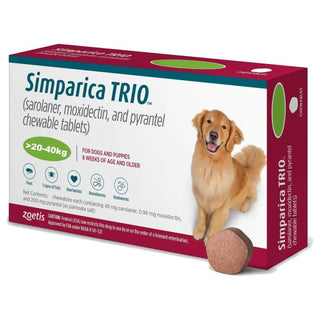
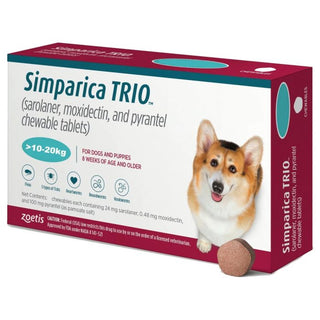
I’ve been using Symperica Trio for a yr now. Love it. 79 pets ships fast and prices are more affordable. Thank You

Right after a haircut. 6 year old dashund/shih Tzu mix

Great deal on flea/tick. Helps take care of my pup
Stronghold Violet For Dogs 5-10lbs (2.6-5kg)

Two sweet girlies decided to make our deck their home. Mosquitoes are a big problem where we live and we had to get them protected. This was the best bang for the buck. I’ve ordered from 79Pets several times and while delivery is not fast it is very consistent.
Revolution Plus For Medium Cats 5.6-11 lbs (2.6-5kg)

As a retired veterinary technician I was extremely happy to finally see a flea and heartworm medication that actually does tapeworms too!!!!!!! This is a 1st to my knowledge....I live in a tropical climate where fleas never die so this is heaven sent.
Nexgard Combo For Cats 5.5-16.5 lbs (2.5-7.5 kg)

Great for free delivery worldwide and it took shorter time than I expected. Thanks
Simparica Trio For Dogs 5.6-11 lbs (2.5-5 kg)

My dog is excited to have her Advocate given every month! Great customer service and we're already a returned customer!
Advocate (Advantage Multi) For Small Dog Upto 4kg 8.8lbs (4kg)

Great price, authentic quality and reliable shipping. Shipping takes a bit longer, since it is being shipped from abroad. But still a reliable service.
NexGard & Heartgard (Green) Combo Dogs 24-60 lbs (10-25 kg)

79 pets has great service, they resolved my issue when I purchased by mistake . Thank you!
Simparica Trio For Dogs 22.1-44 lbs (10-20 kg)

Very happy with the price of Stronghold heart worm med for my dog. Seems to be working well.
Stronghold Teal For Dogs 44-88lbs (20-40kg)

My dog loves this product, never got any issue. Good price , deliver on time. We will definitely keep purchasing with 79 pets.com. Thanks!
Simparica Trio For Dogs 22.1-44 lbs (10-20 kg)

Great customer service! Would definitely purchase from them again!
Advocate (Advantage Multi) For Small Dog Upto 4kg 8.8lbs (4kg)

My fur babies love being protected from fleas!
Stronghold Blue For Cats 5.7-15.5lbs (2.6-7.5kg)

No more fleas! I love it and my pets love it!
Stronghold Teal For Dogs 44-88lbs (20-40kg)

I have 3 of these little rascals so Michigan flea/tick season can be financially brutal! Thank you for keeping NexGard so affordable.
NexGard Chew For Small Dogs 10-24lbs (4-10kg)

it is so easy to order
NexGard & Heartgard (Brown) Combo Dogs 60-121 lbs (25-50 kg)

I have no difficulty to give the tablet to my dog. I want my shipping to come faster by the way.
NexGard Spectra For Small Dog 8-16 lbs (3.5-7.5kg)

Stronghold Plus keep my baby safe
Stronghold Plus For Large Cats 11 lbs to 22 lbs (5-10kg)

Thank You 79pets
Stronghold Plus For Medium Cats 5.5 lbs to 11 lbs (2.5-5kg)

Advocate can only be found here n it's easier to order online. Thanks 79!
Advocate (Advantage Multi) For Cats Over 8.8lbs (4kg)

Great product and price. Shipping updates helped, since product comes from abroad. I would definitely recommend and use it again.
NexGard & Heartgard (Green) Combo Dogs 24-60 lbs (10-25 kg)

Easy to give!
NexGard Spectra For Small Dog 8-16 lbs (3.5-7.5kg)

Stronghold Plus does exactly what it was advertised for. Effective and best product. Would highly recommend Stronghold Plus.
Stronghold Plus For Cats 5.5 lbs to 11 lbs (2.5-5kg) 3 Pack

After Seresto collars failed to get rid of fleas, I didn't know where to turn. I saw a post on a page I follow (Kentucky Kitty Cats) saying that they use Nexgard Combo for the cats they shelter. I decided to try it and IT WORKS!
Nexgard Combo for Cats 5.5-16.5 lbs (2.5-7.5 kg)

My kitty love Revolution. One of the best product for flea & ticks. Good price will definitely recommend this website.
Revolution Plus For Medium Cats 5.6-11 lbs (2.6-5kg)

Tried this the first time and the correct medication was sent on time to me. Will definitely use this site again. Thanks!
Simparica Chewables For Very Small Dogs 5.6-11 lbs (2.5-5kg)

Happy Kitty
Revolution Plus For Medium Cats 5.6-11 lbs (2.6-5kg)

As described. Value for money
Nexgard Chew Red for Large Dogs Flea & Tick 60-121 lbs. (25-50kg)

This is Lexi Marie! She was wondering why mom was so excited for buying flea medicine. I explained to her that we saved $100 and that she would understand some day when she grows up.
Revolution Plus For Large Cats 11.1-22lbs (5-10kg)

Received on time. Thank You 79Pets
Nexgard Chew Red for Large Dogs Flea & Tick 60-121 lbs. (25-50kg)

Very good experience!
Revolution Plus For Large Cats 11.1-22lbs (5-10kg)

Last year, I made a visit to the vet. I told them that Kattie/cat had ear mites. They gave me an ointment costing $80canadian. I used it up and purchased another bottle. $160. total not including the cost of the vet visit. No results. The ear mites have been there for a long time. Canadian vets have control of what is sold in Pet stores and you cannot purchase off the shelf products not recognized by them. I jumped at the chance to purchase your produce with a recommended 100% effectivity. I was willing to try, but was suspicions. After a month there was still a little scratching but after 6 weeks, the mites are gone and the scratching is gone. Thank you very much for this mite solution. I recommend it heartily. Harry P.S. Do not tell the Canadian vets as they will outlaw your product.
Revolution Plus For Medium Cats 5.6-11 lbs (2.6-5kg)