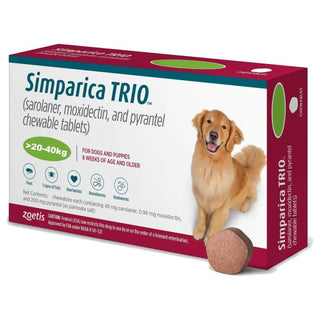
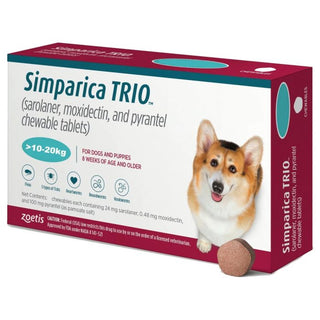


Not much to add. Dog tolerates it and price is good


Fleas and ticks are more than a seasonal nuisance; they can affect a cat’s skin, comfort, and overall health. A consistent flea and tick prevention routine for cats helps stop infestations before parasites spread through your pet and home.
Even cats that live entirely indoors can be exposed. Fleas may enter on another pet, a visitor’s clothing, second-hand furniture, or items brought in from outside. Ticks can also be carried indoors by dogs or people. The safest approach is to choose a cat-specific product that suits your cat’s age, weight, health, and lifestyle.
A few flea bites can cause intense itching, especially in cats with flea allergy dermatitis. This makes flea and tick prevention for cats important even when no parasites are immediately visible.
Repeated scratching and grooming may lead to broken skin, hair loss, scabs, and secondary infection. Heavy flea burdens can contribute to blood loss and anemia, which is particularly dangerous for kittens or unwell cats.
Fleas may also transmit the tapeworm Dipylidium caninum when a cat swallows an infected flea while grooming.
Ticks attach to the skin and feed on blood. They can cause irritation at the bite site and may carry infectious organisms. Removing a visible tick is helpful, but it does not replace reliable flea and tick prevention for cats, as ticks may attach in hard-to-see places.
Some cats have visible fleas, while others groom so thoroughly that the parasites are difficult to find. Watch for:
To check for flea dirt, comb your cat’s coat over a white surface. Place any collected dark specks on a damp white tissue. Flea dirt may dissolve into a reddish-brown stain because it contains digested blood.
Ticks may look like small, rounded bumps attached to the skin. They are often found around the:
Check long-haired cats carefully by separating the fur with your fingers.
Contact a veterinarian if your cat develops a fever, unusual tiredness, loss of appetite, pale gums, weakness, changes in breathing, or difficulty walking after exposure to ticks. These symptoms can have several possible causes and should not be diagnosed at home.
There is no single product that is ideal for every cat. Routine flea and tick prevention for cats should be tailored to the animal rather than chosen solely for convenience.
The right option depends on the parasites in your area, your cat’s lifestyle, medical history, age, weight, and ability to tolerate different treatment options.
Spot-on treatments are liquid medicines applied directly to the skin, usually on the back of the neck, where the cat cannot easily lick them.
Depending on the active ingredients, a topical treatment may control:
Topicals can be convenient for cats that resist tablets. Correct application matters—the liquid should reach the skin rather than remain on the fur.
Keep treated pets separated until the application area is dry when directed by the label. This helps prevent another pet from licking or touching the wet product.
Some flea or flea-and-tick medicines are given by mouth. Oral products do not leave liquid residue on the coat, but the cat must swallow and retain the complete dose.
Product availability and approved parasite coverage vary by country. Some oral medicines control fleas but only selected tick species, while others may not provide tick protection at all.
Certain oral and topical treatments belong to the isoxazoline class. These products are considered safe and effective for most appropriately selected pets, but neurologic reactions such as tremors, poor coordination, and seizures have been reported.
Discuss your cat’s medical history with a veterinarian before selecting one, particularly if your cat has experienced seizures or another neurologic condition.
A properly fitted cat collar may provide longer-lasting protection, depending on its active ingredients and approved duration.
Only use a collar specifically labeled for cats. Ideally, it should include an appropriate safety-release feature to reduce the risk of the collar becoming trapped.
The collar should be:
Purchase parasite-control collars from a reliable seller. Counterfeit, expired, damaged, or improperly stored collars may be ineffective or unsafe.
Flea shampoos, sprays, and powders may kill parasites present at the time of treatment, but many do not provide dependable long-term protection.
A flea comb can help detect and remove adult fleas, but it cannot control the eggs, larvae, and pupae developing around your home.
These options may support a broader control program, but they should usually not replace ongoing flea and tick prevention for cats.
Dog and cat parasite treatments are not interchangeable. A safe flea and tick prevention for cats plan never includes a dog-only product.
Some dog flea products contain concentrated permethrin, which can be extremely toxic to cats. Exposure may occur through:
Signs of poisoning may include:
Treat suspected exposure as an emergency and contact a veterinarian immediately. Do not wait to see whether the symptoms improve without treatment.
Check the product instructions and apply the next dose as directed once you remember. Do not double the dose or shorten the interval unless a veterinarian specifically tells you to do so.
If the delay has been long, inspect your cat for fleas and ticks and consider whether additional household control is necessary.
Using phone reminders, calendar alerts, or repeat-delivery services can help prevent future gaps.
Mild, temporary irritation may occur with some topical treatments. However, contact a veterinarian promptly if your cat develops:
Keep the packaging so the veterinarian can identify the treatment and active ingredients. Follow any emergency directions printed on the label.
Do not apply another parasite treatment until the situation has been reviewed by a veterinarian.
In many regions, year-round protection is recommended because heated homes and changing weather conditions can keep fleas and ticks active beyond the traditional warmer months.
Your veterinarian can recommend a schedule based on your cat’s location, lifestyle, and exposure risk.
Follow the treatment interval printed on the product label. Monthly dosing is common, but some products provide different durations of protection.
Do not combine parasite treatments unless a veterinarian recommends the specific combination. Active ingredients may overlap, increasing the risk of an overdose or harmful interaction.
When fleas are present, all suitable household pets generally need species-appropriate protection. An untreated animal can allow the infestation to continue.
It depends on the product. Check the instructions regarding bathing, swimming, or shampoo use before and after application.
Adult fleas may continue emerging from eggs, larvae, and pupae in the environment. Continue the recommended prevention schedule and household cleaning rather than applying additional doses.
Home remedies and essential oils should not automatically be considered safe for cats. Some may cause skin irritation, poisoning, or provide inadequate parasite control.
Use a properly approved cat product and speak with a veterinarian before applying any homemade or natural treatment.
The best flea and tick prevention for cats combines a suitable cat-safe product, accurate dosing, regular application, and environmental control when necessary.
Choose treatments according to your cat’s weight, age, health, lifestyle, and parasite risks—not simply by price or convenience. Purchase genuine products from a trusted source, inspect the packaging, check the expiry date, and read the label before every application.
A dependable prevention routine can protect your cat from itching, skin problems, and parasite-related illness while helping keep your home free from persistent flea infestations.
This article is intended for general educational purposes and does not replace professional veterinary diagnosis, treatment, or advice.

Overall rating: 4.8 / 5 from 1134 reviews.
Not much to add. Dog tolerates it and price is good

This is the only flea medication that works for us where we live.

This on-line company is such a good find. They provide quality products at a good price with delivering them efficiently. Definitely recommend purchasing from them.

Items arrived on time and work great!

Love stronghold

Same product at a great price

Fast shipping great quality and price

We are happy with Heartgard Plus

I’ve been using Symperica Trio for a yr now. Love it. 79 pets ships fast and prices are more affordable. Thank You

Right after a haircut. 6 year old dashund/shih Tzu mix

Great deal on flea/tick. Helps take care of my pup
Stronghold Violet For Dogs 5-10lbs (2.6-5kg)

Two sweet girlies decided to make our deck their home. Mosquitoes are a big problem where we live and we had to get them protected. This was the best bang for the buck. I’ve ordered from 79Pets several times and while delivery is not fast it is very consistent.
Revolution Plus For Medium Cats 5.6-11 lbs (2.6-5kg)

As a retired veterinary technician I was extremely happy to finally see a flea and heartworm medication that actually does tapeworms too!!!!!!! This is a 1st to my knowledge....I live in a tropical climate where fleas never die so this is heaven sent.
Nexgard Combo For Cats 5.5-16.5 lbs (2.5-7.5 kg)

Great for free delivery worldwide and it took shorter time than I expected. Thanks
Simparica Trio For Dogs 5.6-11 lbs (2.5-5 kg)

My dog is excited to have her Advocate given every month! Great customer service and we're already a returned customer!
Advocate (Advantage Multi) For Small Dog Upto 4kg 8.8lbs (4kg)

Great price, authentic quality and reliable shipping. Shipping takes a bit longer, since it is being shipped from abroad. But still a reliable service.
NexGard & Heartgard (Green) Combo Dogs 24-60 lbs (10-25 kg)

79 pets has great service, they resolved my issue when I purchased by mistake . Thank you!
Simparica Trio For Dogs 22.1-44 lbs (10-20 kg)

Very happy with the price of Stronghold heart worm med for my dog. Seems to be working well.
Stronghold Teal For Dogs 44-88lbs (20-40kg)

My dog loves this product, never got any issue. Good price , deliver on time. We will definitely keep purchasing with 79 pets.com. Thanks!
Simparica Trio For Dogs 22.1-44 lbs (10-20 kg)

Great customer service! Would definitely purchase from them again!
Advocate (Advantage Multi) For Small Dog Upto 4kg 8.8lbs (4kg)

My fur babies love being protected from fleas!
Stronghold Blue For Cats 5.7-15.5lbs (2.6-7.5kg)

No more fleas! I love it and my pets love it!
Stronghold Teal For Dogs 44-88lbs (20-40kg)

I have 3 of these little rascals so Michigan flea/tick season can be financially brutal! Thank you for keeping NexGard so affordable.
NexGard Chew For Small Dogs 10-24lbs (4-10kg)

it is so easy to order
NexGard & Heartgard (Brown) Combo Dogs 60-121 lbs (25-50 kg)

I have no difficulty to give the tablet to my dog. I want my shipping to come faster by the way.
NexGard Spectra For Small Dog 8-16 lbs (3.5-7.5kg)

Stronghold Plus keep my baby safe
Stronghold Plus For Large Cats 11 lbs to 22 lbs (5-10kg)

Thank You 79pets
Stronghold Plus For Medium Cats 5.5 lbs to 11 lbs (2.5-5kg)

Advocate can only be found here n it's easier to order online. Thanks 79!
Advocate (Advantage Multi) For Cats Over 8.8lbs (4kg)

Great product and price. Shipping updates helped, since product comes from abroad. I would definitely recommend and use it again.
NexGard & Heartgard (Green) Combo Dogs 24-60 lbs (10-25 kg)

Easy to give!
NexGard Spectra For Small Dog 8-16 lbs (3.5-7.5kg)

Stronghold Plus does exactly what it was advertised for. Effective and best product. Would highly recommend Stronghold Plus.
Stronghold Plus For Cats 5.5 lbs to 11 lbs (2.5-5kg) 3 Pack

After Seresto collars failed to get rid of fleas, I didn't know where to turn. I saw a post on a page I follow (Kentucky Kitty Cats) saying that they use Nexgard Combo for the cats they shelter. I decided to try it and IT WORKS!
Nexgard Combo for Cats 5.5-16.5 lbs (2.5-7.5 kg)

My kitty love Revolution. One of the best product for flea & ticks. Good price will definitely recommend this website.
Revolution Plus For Medium Cats 5.6-11 lbs (2.6-5kg)

Tried this the first time and the correct medication was sent on time to me. Will definitely use this site again. Thanks!
Simparica Chewables For Very Small Dogs 5.6-11 lbs (2.5-5kg)

Happy Kitty
Revolution Plus For Medium Cats 5.6-11 lbs (2.6-5kg)

As described. Value for money
Nexgard Chew Red for Large Dogs Flea & Tick 60-121 lbs. (25-50kg)

This is Lexi Marie! She was wondering why mom was so excited for buying flea medicine. I explained to her that we saved $100 and that she would understand some day when she grows up.
Revolution Plus For Large Cats 11.1-22lbs (5-10kg)

Received on time. Thank You 79Pets
Nexgard Chew Red for Large Dogs Flea & Tick 60-121 lbs. (25-50kg)

Very good experience!
Revolution Plus For Large Cats 11.1-22lbs (5-10kg)

Last year, I made a visit to the vet. I told them that Kattie/cat had ear mites. They gave me an ointment costing $80canadian. I used it up and purchased another bottle. $160. total not including the cost of the vet visit. No results. The ear mites have been there for a long time. Canadian vets have control of what is sold in Pet stores and you cannot purchase off the shelf products not recognized by them. I jumped at the chance to purchase your produce with a recommended 100% effectivity. I was willing to try, but was suspicions. After a month there was still a little scratching but after 6 weeks, the mites are gone and the scratching is gone. Thank you very much for this mite solution. I recommend it heartily. Harry P.S. Do not tell the Canadian vets as they will outlaw your product.
Revolution Plus For Medium Cats 5.6-11 lbs (2.6-5kg)