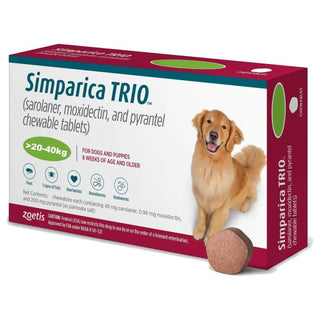
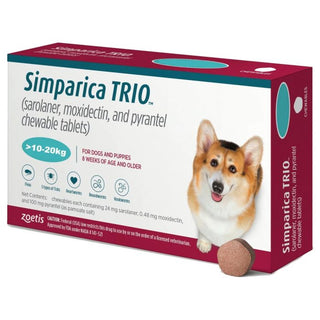


Not much to add. Dog tolerates it and price is good


Cats are naturally agile, so changes in their balance, stride, or willingness to move deserve attention. Difficult walking in cats may begin as mild stiffness or limping, but it can also appear suddenly as wobbling, weakness, leg dragging, or an inability to stand.
Some causes are minor, such as a sore paw, while others involve the joints, muscles, spine, nerves, inner ear, heart, or metabolism. Cats often hide discomfort, so even a subtle change in movement should not be ignored.
The way a cat’s movement changes can differ based on what is causing the problem. Common warning signs include:
Record a short video if you can do so safely. Your cat may move differently at the veterinary clinic, and the recording can help show what happened at home.
A torn nail, cut paw pad, splinter, bite wound, sprain, dislocation, or fracture can make a cat limp or refuse to use a limb. Look for swelling, bleeding, heat, or a wound, but do not force the leg to bend or straighten.
Restrict jumping and arrange a veterinary examination, especially after a fall, collision, or other accident. Severe injuries and fractures can leave a cat unwilling or unable to walk.
Arthritis is common in older cats, although it does not always cause an obvious limp. An affected cat may stop jumping, hesitate on stairs, sleep more, groom less, or avoid a high-sided litter box.
Hip dysplasia and kneecap disorders may also cause difficulty walking in cats. Maintaining an ideal body weight can ease the strain placed on your cat’s sore or damaged joints.
Problems affecting the brain, spinal cord, or peripheral nerves may cause weakness, poor coordination, paw dragging, tremors, abnormal posture, or paralysis.
Potential causes include trauma, inflammation, infection, tumors, congenital disorders, and diseases affecting the vertebrae or spinal discs. Neurological signs require prompt assessment, particularly when they begin suddenly or become worse quickly.
The vestibular system helps a cat remain balanced. Middle or inner ear disease can cause a head tilt, leaning, falling, circling, nausea, or rapid side-to-side eye movements.
A severely affected cat may be unable to stand even when the legs themselves are not injured.
Low potassium, low blood sugar, kidney or liver disease, toxins, nutritional deficiencies, and neuromuscular conditions can interfere with movement.
Uncontrolled diabetes can occasionally damage nerves in the hind legs, causing the cat to stand or walk with its hocks close to the floor. Severe low potassium can also cause significant muscle weakness and difficulty standing or walking.
Veterinary testing is important because different illnesses can produce similar outward signs.
Sudden difficulty walking in cats, involving one or both hind legs, may be caused by a blood clot that blocks circulation. This condition, sometimes called a saddle thrombus, is often associated with underlying heart disease.
The cat may cry in pain, breathe rapidly, drag the back legs, or have cold, pale, or bluish paw pads. This condition can be fatal and requires urgent veterinary care.
Seek urgent veterinary care without delay if your cat:
Even when walking is difficult in cats and develops gradually, book a veterinary appointment instead of assuming it is simply part of aging.
Because difficulty walking in cats can have many causes, your veterinarian will ask when the problem began, whether it appeared suddenly, and whether your cat has experienced an injury, changes in appetite, vomiting, weight loss, increased thirst, or exposure to toxins.
The examination may involve:
A veterinary neurological examination can help determine whether the problem involves the brain, spinal cord, peripheral nerves, muscles, or balance system.
Bring a video of the abnormal movement and a list of all medicines, supplements, and parasite treatments your cat receives.
Treatment depends on the diagnosis. A paw injury may need wound care and prescribed pain relief, while a fracture may require immobilization or surgery.
Arthritis may be managed through:
Ear disease may require medication, cleaning, imaging, or additional testing. Metabolic conditions are treated by correcting the underlying illness or imbalance.
Neurological disorders may require rest, rehabilitation, medication, surgery, or specialist care. A blood clot requires emergency hospital treatment and assessment for underlying heart disease.
Never give your cat human painkillers. Acetaminophen can be fatal to cats, while other human pain relievers may cause serious kidney, liver, stomach, or blood-cell damage.
Until your cat receives veterinary guidance, keep them in a quiet room and prevent them from running, jumping, or using stairs. Place food, water, soft bedding, and a low-entry litter tray nearby.
Add rugs or nonslip mats to smooth flooring. Cats with long-term mobility limitations may also benefit from ramps, pet steps, raised dishes, and easier access to their favorite resting places.
Keep your cat’s nails trimmed and monitor their body weight. Do not begin massage, stretching, or exercise unless your veterinarian confirms they are safe.
Not every cause is preventable, but routine veterinary examinations may help identify joint, heart, kidney, diabetic, or neurological problems earlier.
You can also support your cat by:
Medicines, supplements, and wellness products can support your cat’s health, but they cannot replace a veterinary diagnosis when difficulty walking in cats appears.
Sudden changes may be caused by pain, injury, balance disease, toxin exposure, a neurological condition, metabolic illness, or reduced blood flow to the limbs.
Contact a veterinarian promptly because some causes require emergency treatment.
Possible causes include arthritis, spinal or nerve disease, diabetes-related nerve damage, low potassium, trauma, muscle disorders, and blood clots.
A physical examination and diagnostic testing are needed to identify the exact cause.
Yes. Arthritis can cause stiffness, shorter steps, reduced activity, difficulty jumping, litter-box problems, or subtle posture changes.
Cats may have significant joint discomfort without showing an obvious limp.
Waiting may be unsafe if your cat cannot bear weight, appears painful, becomes unsteady or weaker, or suddenly loses the use of a leg.
Contact a veterinarian for guidance rather than trying to diagnose the problem at home.
Difficult walking in cats is a symptom, not a diagnosis. It can result from a simple paw injury or a serious condition affecting the joints, nervous system, balance organs, metabolism, heart, or circulation.
Early veterinary assessment offers the best opportunity to relieve pain, preserve mobility, and treat the underlying cause.
This content is provided for general information only and should not be used as a substitute for professional veterinary advice, diagnosis, or care.

Overall rating: 4.8 / 5 from 1134 reviews.
Not much to add. Dog tolerates it and price is good

This is the only flea medication that works for us where we live.

This on-line company is such a good find. They provide quality products at a good price with delivering them efficiently. Definitely recommend purchasing from them.

Items arrived on time and work great!

Love stronghold

Same product at a great price

Fast shipping great quality and price

We are happy with Heartgard Plus

I’ve been using Symperica Trio for a yr now. Love it. 79 pets ships fast and prices are more affordable. Thank You

Right after a haircut. 6 year old dashund/shih Tzu mix

Great deal on flea/tick. Helps take care of my pup
Stronghold Violet For Dogs 5-10lbs (2.6-5kg)

Two sweet girlies decided to make our deck their home. Mosquitoes are a big problem where we live and we had to get them protected. This was the best bang for the buck. I’ve ordered from 79Pets several times and while delivery is not fast it is very consistent.
Revolution Plus For Medium Cats 5.6-11 lbs (2.6-5kg)

As a retired veterinary technician I was extremely happy to finally see a flea and heartworm medication that actually does tapeworms too!!!!!!! This is a 1st to my knowledge....I live in a tropical climate where fleas never die so this is heaven sent.
Nexgard Combo For Cats 5.5-16.5 lbs (2.5-7.5 kg)

Great for free delivery worldwide and it took shorter time than I expected. Thanks
Simparica Trio For Dogs 5.6-11 lbs (2.5-5 kg)

My dog is excited to have her Advocate given every month! Great customer service and we're already a returned customer!
Advocate (Advantage Multi) For Small Dog Upto 4kg 8.8lbs (4kg)

Great price, authentic quality and reliable shipping. Shipping takes a bit longer, since it is being shipped from abroad. But still a reliable service.
NexGard & Heartgard (Green) Combo Dogs 24-60 lbs (10-25 kg)

79 pets has great service, they resolved my issue when I purchased by mistake . Thank you!
Simparica Trio For Dogs 22.1-44 lbs (10-20 kg)

Very happy with the price of Stronghold heart worm med for my dog. Seems to be working well.
Stronghold Teal For Dogs 44-88lbs (20-40kg)

My dog loves this product, never got any issue. Good price , deliver on time. We will definitely keep purchasing with 79 pets.com. Thanks!
Simparica Trio For Dogs 22.1-44 lbs (10-20 kg)

Great customer service! Would definitely purchase from them again!
Advocate (Advantage Multi) For Small Dog Upto 4kg 8.8lbs (4kg)

My fur babies love being protected from fleas!
Stronghold Blue For Cats 5.7-15.5lbs (2.6-7.5kg)

No more fleas! I love it and my pets love it!
Stronghold Teal For Dogs 44-88lbs (20-40kg)

I have 3 of these little rascals so Michigan flea/tick season can be financially brutal! Thank you for keeping NexGard so affordable.
NexGard Chew For Small Dogs 10-24lbs (4-10kg)

it is so easy to order
NexGard & Heartgard (Brown) Combo Dogs 60-121 lbs (25-50 kg)

I have no difficulty to give the tablet to my dog. I want my shipping to come faster by the way.
NexGard Spectra For Small Dog 8-16 lbs (3.5-7.5kg)

Stronghold Plus keep my baby safe
Stronghold Plus For Large Cats 11 lbs to 22 lbs (5-10kg)

Thank You 79pets
Stronghold Plus For Medium Cats 5.5 lbs to 11 lbs (2.5-5kg)

Advocate can only be found here n it's easier to order online. Thanks 79!
Advocate (Advantage Multi) For Cats Over 8.8lbs (4kg)

Great product and price. Shipping updates helped, since product comes from abroad. I would definitely recommend and use it again.
NexGard & Heartgard (Green) Combo Dogs 24-60 lbs (10-25 kg)

Easy to give!
NexGard Spectra For Small Dog 8-16 lbs (3.5-7.5kg)

Stronghold Plus does exactly what it was advertised for. Effective and best product. Would highly recommend Stronghold Plus.
Stronghold Plus For Cats 5.5 lbs to 11 lbs (2.5-5kg) 3 Pack

After Seresto collars failed to get rid of fleas, I didn't know where to turn. I saw a post on a page I follow (Kentucky Kitty Cats) saying that they use Nexgard Combo for the cats they shelter. I decided to try it and IT WORKS!
Nexgard Combo for Cats 5.5-16.5 lbs (2.5-7.5 kg)

My kitty love Revolution. One of the best product for flea & ticks. Good price will definitely recommend this website.
Revolution Plus For Medium Cats 5.6-11 lbs (2.6-5kg)

Tried this the first time and the correct medication was sent on time to me. Will definitely use this site again. Thanks!
Simparica Chewables For Very Small Dogs 5.6-11 lbs (2.5-5kg)

Happy Kitty
Revolution Plus For Medium Cats 5.6-11 lbs (2.6-5kg)

As described. Value for money
Nexgard Chew Red for Large Dogs Flea & Tick 60-121 lbs. (25-50kg)

This is Lexi Marie! She was wondering why mom was so excited for buying flea medicine. I explained to her that we saved $100 and that she would understand some day when she grows up.
Revolution Plus For Large Cats 11.1-22lbs (5-10kg)

Received on time. Thank You 79Pets
Nexgard Chew Red for Large Dogs Flea & Tick 60-121 lbs. (25-50kg)

Very good experience!
Revolution Plus For Large Cats 11.1-22lbs (5-10kg)

Last year, I made a visit to the vet. I told them that Kattie/cat had ear mites. They gave me an ointment costing $80canadian. I used it up and purchased another bottle. $160. total not including the cost of the vet visit. No results. The ear mites have been there for a long time. Canadian vets have control of what is sold in Pet stores and you cannot purchase off the shelf products not recognized by them. I jumped at the chance to purchase your produce with a recommended 100% effectivity. I was willing to try, but was suspicions. After a month there was still a little scratching but after 6 weeks, the mites are gone and the scratching is gone. Thank you very much for this mite solution. I recommend it heartily. Harry P.S. Do not tell the Canadian vets as they will outlaw your product.
Revolution Plus For Medium Cats 5.6-11 lbs (2.6-5kg)