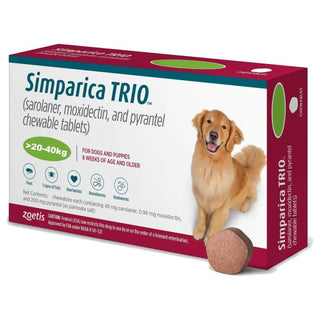
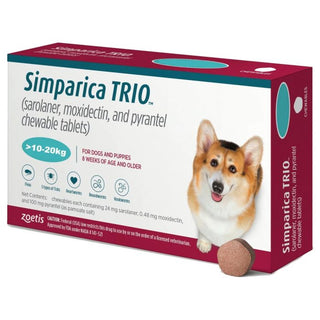


Not much to add. Dog tolerates it and price is good


Seeing a normally steady dog stumble, lean, or fall can be frightening. Balance problems may appear suddenly or develop gradually, and they can involve the inner ear, brain, spinal cord, nerves, muscles, or another health condition. A dog that loses balance should be examined promptly because some causes are temporary, while others require emergency treatment.
Loss of coordination is often called ataxia. Ataxia is not a diagnosis in itself; it is a sign that the nervous system is not controlling the body's position and movement normally.
Veterinarians generally recognize three main patterns:
These patterns can look similar at home. A veterinary examination is needed to determine why a dog losing balance is unable to coordinate its movements.
A dog losing balance may show one or more of these signs:
Note when the problem started and whether it is getting worse. A short video of your dog standing, walking, and turning can help the veterinarian assess the movement pattern.
The vestibular system helps a dog remain upright and maintain an understanding of the position of the head and body. When it stops working correctly, a dog may suddenly fall, circle, tilt the head, or appear extremely dizzy.
Idiopathic vestibular disease occurs most often in older dogs. “Idiopathic” means that no specific cause is found. The symptoms can look dramatic, but many dogs begin improving within a few days. Similar signs can also occur with more serious illnesses, so vestibular disease should not be diagnosed at home.
An infection deeper in the ear can affect the structures and nerves responsible for balance. Along with wobbling, you may notice head shaking, ear scratching, discharge, pain, facial drooping, nausea, hearing changes, or a head tilt.
Ear infections should be treated early. Never place leftover ear drops or cleaning products into the ear unless a veterinarian has confirmed that the product is appropriate and the eardrum can be treated safely.
Intervertebral disc disease, spinal injuries, inflammation, and other spinal cord disorders can interrupt communication between the brain and limbs. A dog losing balance because of a spinal problem may also have neck or back pain, weak rear legs, dragging paws, difficulty urinating, or an inability to stand.
Sudden weakness, severe pain, or loss of leg function requires urgent veterinary care. Prevent jumping and stair use while arranging safe transport.
A fall, vehicle accident, collision, or other injury can damage the brain, inner ear, spine, or limbs. Internal injuries may cause neurological signs even when there is no visible wound.
Keep your dog as still as possible and seek emergency veterinary care after any significant trauma.
Human medicines, recreational drugs, alcohol, pest-control products, spoiled food, and other toxic substances can cause wobbling, tremors, vomiting, abnormal behavior, seizures, or collapse. Medication side effects and dosing errors can also affect coordination.
If a dog is losing balance, it may have swallowed something unsafe; contact a veterinarian or animal poison control service immediately. Never try to make your dog vomit unless a veterinarian or poison-control specialist tells you to. Take the product label, container, or a clear photograph with you to the clinic.
Inflammation, infection, stroke, tumors, seizures, and other brain disorders can affect balance and coordination. Additional warning signs may include:
These conditions cannot be identified reliably from appearance alone. Advanced testing may be needed when symptoms continue, or the neurological examination reveals additional abnormalities.
Low blood sugar, electrolyte disturbances, severe anemia, liver or kidney disease, thyroid problems, and serious infections may cause weakness or neurological dysfunction. Puppies, very small dogs, senior dogs, and pets with chronic health conditions may be more vulnerable to certain metabolic problems.
Bloodwork and urinalysis can reveal whether the balance problem is linked to a broader health condition rather than an issue limited to the nervous system.
Not every unsteady gait is true ataxia. Arthritis, joint injuries, muscle weakness, severe pain, and declining vision can make a dog hesitant or unstable, especially on stairs or slippery floors.
A veterinarian can distinguish these problems from inner-ear or neurological disease.
Sudden loss of balance should always be taken seriously. Seek urgent care at an emergency veterinary hospital if your dog:
A dog losing balance after a possible toxin exposure, injury, or sudden neurological event should not be monitored at home to “see what happens.”
Your veterinarian will ask when the symptoms began and whether your dog may have experienced an injury, an ear problem, a medication change, an infection, or exposure to a toxin.
The physical and neurological examination may assess:
Depending on the findings, further testing may include:
The goal is to locate the problem and identify its underlying cause. Treatment should be based on the diagnosis rather than the appearance of the wobbling alone.
Treatment depends entirely on the cause.
An inner ear infection may require targeted medication and follow-up examinations. Toxin exposure may require decontamination and hospital monitoring. Spinal disease may be managed with strict rest, medication, rehabilitation, or surgery.
Dogs that cannot walk, eat, or drink may need intravenous fluids and supportive hospital care.
Some dogs with idiopathic vestibular disease improve with nursing care and veterinarian-prescribed medication for nausea. Never give human pain relievers, motion-sickness tablets, or other medicines unless your veterinarian has provided the exact product and dose for your dog.
Sudden wobbling can occur with vestibular disease, an inner ear infection, toxin exposure, trauma, a seizure-related event, or another neurological condition.
Arrange veterinary care promptly because the possible causes range from manageable conditions to life-threatening emergencies.
Older dogs may develop idiopathic vestibular disease, spinal degeneration, muscle weakness, vision loss, metabolic illness, or brain disease.
Age alone should not be assumed to be the cause, particularly when the change appears suddenly.
Yes. A middle or inner ear infection can disturb the vestibular system and cause a head tilt, circling, nausea, abnormal eye movements, poor coordination, and a tendency to fall toward the affected side.
Recovery depends on the underlying cause. Many dogs with idiopathic vestibular disease improve substantially, while infections, spinal disease, toxins, and brain conditions require cause-specific treatment.
Prompt veterinary assessment provides the best opportunity to identify the problem and prevent further complications.
A dog losing balance is showing a symptom, not a diagnosis. Keep your pet away from stairs and slippery surfaces, note any additional signs, and contact a veterinarian promptly.
Once the cause is identified, appropriate treatment and supportive care can help many dogs regain comfort, confidence, and mobility.
After speaking with your veterinarian, explore dog wellness essentials and parasite-prevention products at 79pets.com to support your dog’s ongoing care.
Disclaimer: This article is intended for general educational purposes and does not replace professional veterinary diagnosis, treatment, or emergency advice.
Overall rating: 4.8 / 5 from 1134 reviews.
Not much to add. Dog tolerates it and price is good

This is the only flea medication that works for us where we live.

This on-line company is such a good find. They provide quality products at a good price with delivering them efficiently. Definitely recommend purchasing from them.

Items arrived on time and work great!

Love stronghold

Same product at a great price

Fast shipping great quality and price

We are happy with Heartgard Plus

I’ve been using Symperica Trio for a yr now. Love it. 79 pets ships fast and prices are more affordable. Thank You

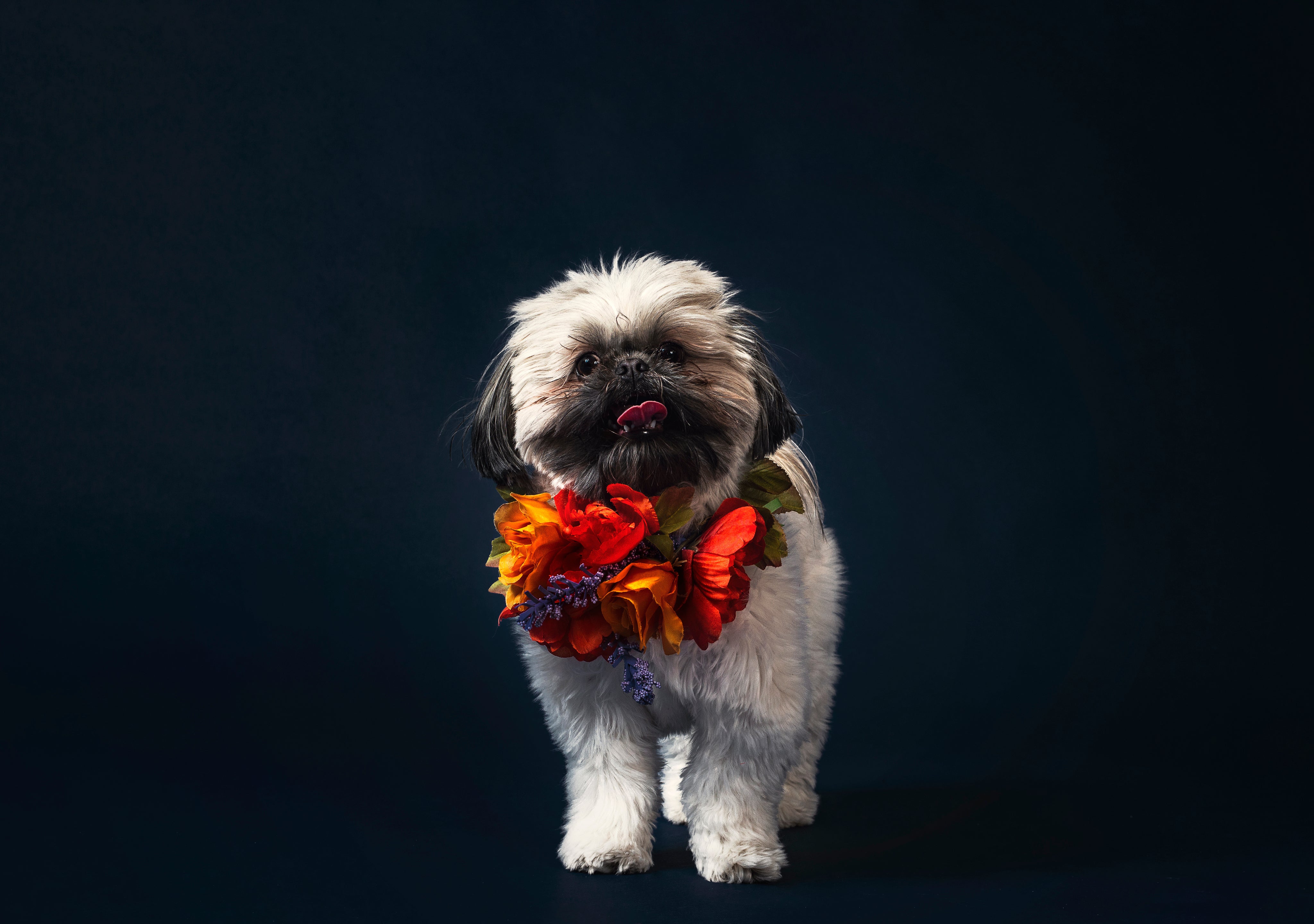
Right after a haircut. 6 year old dashund/shih Tzu mix

Great deal on flea/tick. Helps take care of my pup
Stronghold Violet For Dogs 5-10lbs (2.6-5kg)

Two sweet girlies decided to make our deck their home. Mosquitoes are a big problem where we live and we had to get them protected. This was the best bang for the buck. I’ve ordered from 79Pets several times and while delivery is not fast it is very consistent.
Revolution Plus For Medium Cats 5.6-11 lbs (2.6-5kg)

As a retired veterinary technician I was extremely happy to finally see a flea and heartworm medication that actually does tapeworms too!!!!!!! This is a 1st to my knowledge....I live in a tropical climate where fleas never die so this is heaven sent.
Nexgard Combo For Cats 5.5-16.5 lbs (2.5-7.5 kg)

Great for free delivery worldwide and it took shorter time than I expected. Thanks
Simparica Trio For Dogs 5.6-11 lbs (2.5-5 kg)

My dog is excited to have her Advocate given every month! Great customer service and we're already a returned customer!
Advocate (Advantage Multi) For Small Dog Upto 4kg 8.8lbs (4kg)

Great price, authentic quality and reliable shipping. Shipping takes a bit longer, since it is being shipped from abroad. But still a reliable service.
NexGard & Heartgard (Green) Combo Dogs 24-60 lbs (10-25 kg)

79 pets has great service, they resolved my issue when I purchased by mistake . Thank you!
Simparica Trio For Dogs 22.1-44 lbs (10-20 kg)

Very happy with the price of Stronghold heart worm med for my dog. Seems to be working well.
Stronghold Teal For Dogs 44-88lbs (20-40kg)

My dog loves this product, never got any issue. Good price , deliver on time. We will definitely keep purchasing with 79 pets.com. Thanks!
Simparica Trio For Dogs 22.1-44 lbs (10-20 kg)

Great customer service! Would definitely purchase from them again!
Advocate (Advantage Multi) For Small Dog Upto 4kg 8.8lbs (4kg)

My fur babies love being protected from fleas!
Stronghold Blue For Cats 5.7-15.5lbs (2.6-7.5kg)

No more fleas! I love it and my pets love it!
Stronghold Teal For Dogs 44-88lbs (20-40kg)

I have 3 of these little rascals so Michigan flea/tick season can be financially brutal! Thank you for keeping NexGard so affordable.
NexGard Chew For Small Dogs 10-24lbs (4-10kg)

it is so easy to order
NexGard & Heartgard (Brown) Combo Dogs 60-121 lbs (25-50 kg)

I have no difficulty to give the tablet to my dog. I want my shipping to come faster by the way.
NexGard Spectra For Small Dog 8-16 lbs (3.5-7.5kg)

Stronghold Plus keep my baby safe
Stronghold Plus For Large Cats 11 lbs to 22 lbs (5-10kg)

Thank You 79pets
Stronghold Plus For Medium Cats 5.5 lbs to 11 lbs (2.5-5kg)

Advocate can only be found here n it's easier to order online. Thanks 79!
Advocate (Advantage Multi) For Cats Over 8.8lbs (4kg)

Great product and price. Shipping updates helped, since product comes from abroad. I would definitely recommend and use it again.
NexGard & Heartgard (Green) Combo Dogs 24-60 lbs (10-25 kg)

Easy to give!
NexGard Spectra For Small Dog 8-16 lbs (3.5-7.5kg)

Stronghold Plus does exactly what it was advertised for. Effective and best product. Would highly recommend Stronghold Plus.
Stronghold Plus For Cats 5.5 lbs to 11 lbs (2.5-5kg) 3 Pack

After Seresto collars failed to get rid of fleas, I didn't know where to turn. I saw a post on a page I follow (Kentucky Kitty Cats) saying that they use Nexgard Combo for the cats they shelter. I decided to try it and IT WORKS!
Nexgard Combo for Cats 5.5-16.5 lbs (2.5-7.5 kg)

My kitty love Revolution. One of the best product for flea & ticks. Good price will definitely recommend this website.
Revolution Plus For Medium Cats 5.6-11 lbs (2.6-5kg)

Tried this the first time and the correct medication was sent on time to me. Will definitely use this site again. Thanks!
Simparica Chewables For Very Small Dogs 5.6-11 lbs (2.5-5kg)

Happy Kitty
Revolution Plus For Medium Cats 5.6-11 lbs (2.6-5kg)

As described. Value for money
Nexgard Chew Red for Large Dogs Flea & Tick 60-121 lbs. (25-50kg)

This is Lexi Marie! She was wondering why mom was so excited for buying flea medicine. I explained to her that we saved $100 and that she would understand some day when she grows up.
Revolution Plus For Large Cats 11.1-22lbs (5-10kg)

Received on time. Thank You 79Pets
Nexgard Chew Red for Large Dogs Flea & Tick 60-121 lbs. (25-50kg)

Very good experience!
Revolution Plus For Large Cats 11.1-22lbs (5-10kg)

Last year, I made a visit to the vet. I told them that Kattie/cat had ear mites. They gave me an ointment costing $80canadian. I used it up and purchased another bottle. $160. total not including the cost of the vet visit. No results. The ear mites have been there for a long time. Canadian vets have control of what is sold in Pet stores and you cannot purchase off the shelf products not recognized by them. I jumped at the chance to purchase your produce with a recommended 100% effectivity. I was willing to try, but was suspicions. After a month there was still a little scratching but after 6 weeks, the mites are gone and the scratching is gone. Thank you very much for this mite solution. I recommend it heartily. Harry P.S. Do not tell the Canadian vets as they will outlaw your product.
Revolution Plus For Medium Cats 5.6-11 lbs (2.6-5kg)