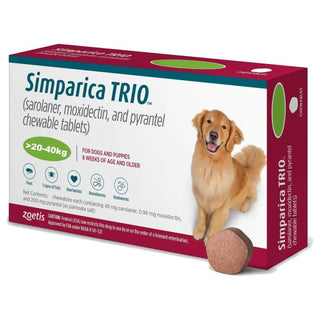
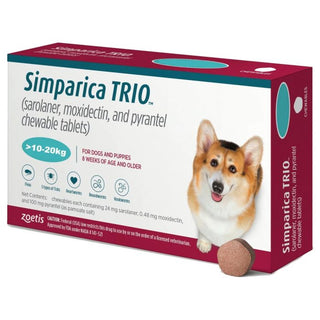


Not much to add. Dog tolerates it and price is good


A stroke is a severe medical emergency that can affect dogs just as it affects humans. Although strokes are less common in dogs than in people, they can still occur and require immediate veterinary attention. When a stroke happens, the blood supply to part of the brain is disrupted, which can damage brain cells and affect your dog’s ability to move, balance, or behave normally.
Learning about the warning signs, possible causes, and available treatments can help dog owners respond quickly and increase the likelihood of a successful recovery.
A stroke happens when the brain’s normal blood supply is disrupted or when a blood vessel ruptures, causing bleeding within the brain. Since the brain controls many vital functions, even a slight disruption in blood supply can cause noticeable neurological symptoms.
Strokes in dogs generally fall into two main categories:
1. Ischemic Stroke
This type happens when a blood clot blocks a blood vessel that supplies the brain. When a blockage occurs, it prevents oxygen and essential nutrients from reaching brain cells, which can lead to injury in the affected area.
2. Hemorrhagic Stroke
This type of stroke happens when a blood vessel breaks, causing blood to leak into the surrounding brain tissue. The leaking blood puts pressure on brain tissue and interferes with normal brain function.
Both types can lead to sudden neurological changes in dogs.
Stroke symptoms usually appear suddenly and can differ based on which part of the brain is involved.
Some common signs include:
If your dog shows any of these symptoms, seek veterinary care immediately. Early diagnosis can significantly improve the outcome.
Various underlying medical conditions can raise the likelihood of a stroke occurring in dogs. In many cases, strokes occur as a complication of another medical issue.
Common causes include:
Certain toxins, injuries, or trauma to the head may also trigger bleeding in the brain.
Older dogs are generally at higher risk, although strokes can occur at any age.
Diagnosing a stroke in dogs requires careful evaluation because several neurological conditions can produce similar symptoms.
Your veterinarian will typically begin with:
The vet will check your dog’s reflexes, coordination, eye movement, and overall neurological function.
Information about your dog’s previous health issues, medications, and recent symptoms helps guide the diagnosis.
To confirm a stroke and identify the affected brain area, the veterinarian may recommend:
These scans help veterinarians identify brain issues, including clots, bleeding, and other structural abnormalities.
Blood work may also be performed to identify underlying diseases that could have triggered the stroke.
There is no single cure that immediately reverses a stroke. Treatment focuses on stabilizing the dog, managing symptoms, and addressing the underlying cause.
Treatment may include:
Supportive Care
Dogs may need hospitalization for monitoring, oxygen therapy, or intravenous fluids.
Medications
Veterinarians may prescribe medications to:
Treatment of Underlying Conditions
Managing conditions such as high blood pressure, kidney disease, or hormonal disorders is crucial to prevent further strokes.
Recovery time can differ from one dog to another and largely depends on how serious the stroke was and how soon medical care was provided.
Some dogs begin improving within a few days, while others may take weeks to regain normal function. With proper care and rehabilitation, many dogs can recover well and return to a good quality of life.
During recovery, dogs may need:
Dogs often adapt remarkably well, even with mild neurological deficits.
While not all strokes can be prevented, maintaining your dog’s overall health can reduce the risk.
Helpful preventive steps include:
Early detection of underlying health conditions plays a key role in preventing serious complications like strokes.
Although strokes in dogs can be frightening, quick veterinary care and proper treatment can greatly improve the chances of recovery. Being aware of the warning signs and acting quickly can make a significant difference in your dog’s outcome.
If your dog suddenly develops balance issues, unusual eye movements, or signs of confusion, seek veterinary help immediately. Early intervention gives your dog the best chance for recovery and a healthy life.
Overall rating: 4.8 / 5 from 1134 reviews.
Not much to add. Dog tolerates it and price is good

This is the only flea medication that works for us where we live.

This on-line company is such a good find. They provide quality products at a good price with delivering them efficiently. Definitely recommend purchasing from them.

Items arrived on time and work great!

Love stronghold

Same product at a great price

Fast shipping great quality and price

We are happy with Heartgard Plus

I’ve been using Symperica Trio for a yr now. Love it. 79 pets ships fast and prices are more affordable. Thank You

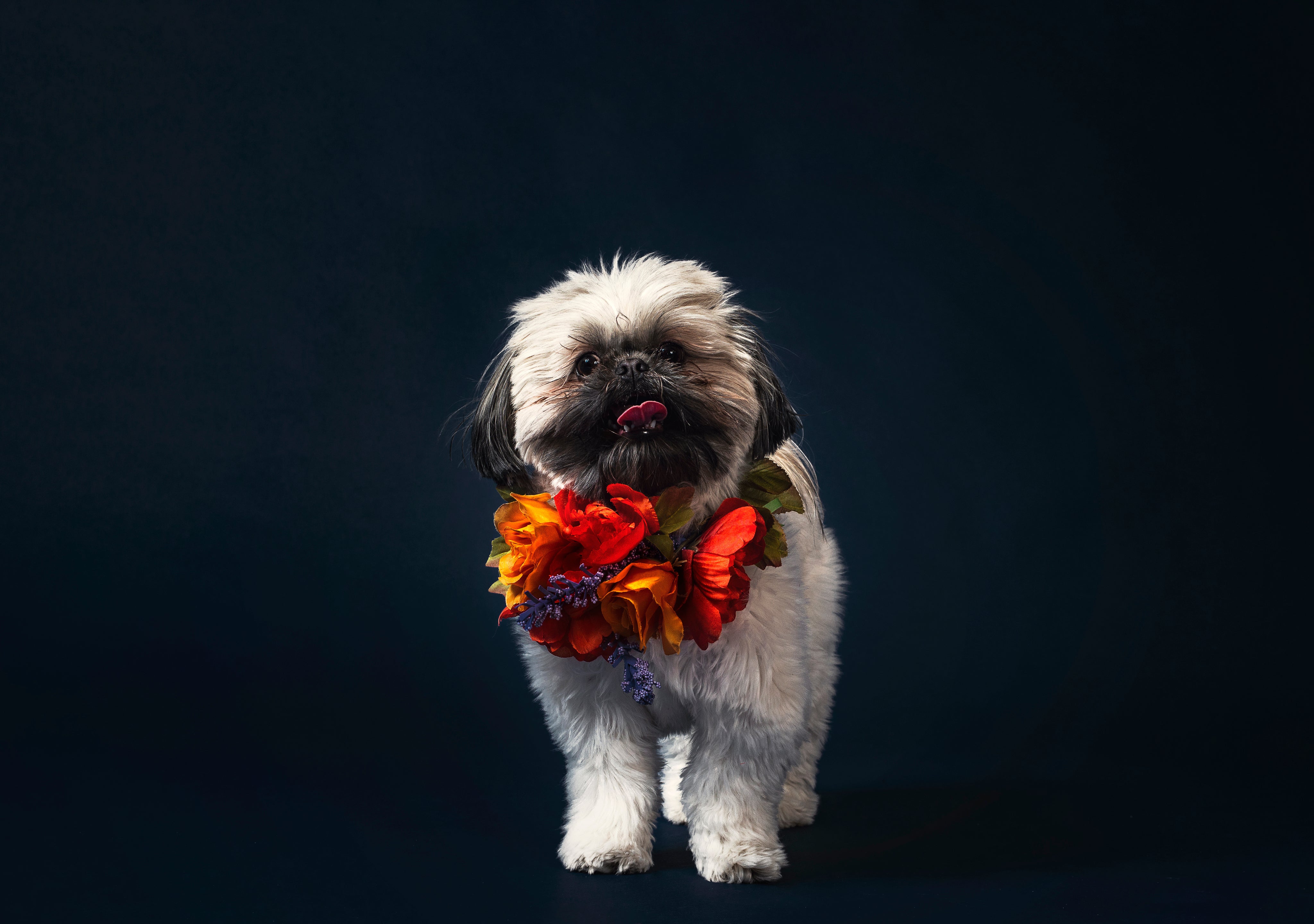
Right after a haircut. 6 year old dashund/shih Tzu mix

Great deal on flea/tick. Helps take care of my pup
Stronghold Violet For Dogs 5-10lbs (2.6-5kg)

Two sweet girlies decided to make our deck their home. Mosquitoes are a big problem where we live and we had to get them protected. This was the best bang for the buck. I’ve ordered from 79Pets several times and while delivery is not fast it is very consistent.
Revolution Plus For Medium Cats 5.6-11 lbs (2.6-5kg)

As a retired veterinary technician I was extremely happy to finally see a flea and heartworm medication that actually does tapeworms too!!!!!!! This is a 1st to my knowledge....I live in a tropical climate where fleas never die so this is heaven sent.
Nexgard Combo For Cats 5.5-16.5 lbs (2.5-7.5 kg)

Great for free delivery worldwide and it took shorter time than I expected. Thanks
Simparica Trio For Dogs 5.6-11 lbs (2.5-5 kg)

My dog is excited to have her Advocate given every month! Great customer service and we're already a returned customer!
Advocate (Advantage Multi) For Small Dog Upto 4kg 8.8lbs (4kg)

Great price, authentic quality and reliable shipping. Shipping takes a bit longer, since it is being shipped from abroad. But still a reliable service.
NexGard & Heartgard (Green) Combo Dogs 24-60 lbs (10-25 kg)

79 pets has great service, they resolved my issue when I purchased by mistake . Thank you!
Simparica Trio For Dogs 22.1-44 lbs (10-20 kg)

Very happy with the price of Stronghold heart worm med for my dog. Seems to be working well.
Stronghold Teal For Dogs 44-88lbs (20-40kg)

My dog loves this product, never got any issue. Good price , deliver on time. We will definitely keep purchasing with 79 pets.com. Thanks!
Simparica Trio For Dogs 22.1-44 lbs (10-20 kg)

Great customer service! Would definitely purchase from them again!
Advocate (Advantage Multi) For Small Dog Upto 4kg 8.8lbs (4kg)

My fur babies love being protected from fleas!
Stronghold Blue For Cats 5.7-15.5lbs (2.6-7.5kg)

No more fleas! I love it and my pets love it!
Stronghold Teal For Dogs 44-88lbs (20-40kg)

I have 3 of these little rascals so Michigan flea/tick season can be financially brutal! Thank you for keeping NexGard so affordable.
NexGard Chew For Small Dogs 10-24lbs (4-10kg)

it is so easy to order
NexGard & Heartgard (Brown) Combo Dogs 60-121 lbs (25-50 kg)

I have no difficulty to give the tablet to my dog. I want my shipping to come faster by the way.
NexGard Spectra For Small Dog 8-16 lbs (3.5-7.5kg)

Stronghold Plus keep my baby safe
Stronghold Plus For Large Cats 11 lbs to 22 lbs (5-10kg)

Thank You 79pets
Stronghold Plus For Medium Cats 5.5 lbs to 11 lbs (2.5-5kg)

Advocate can only be found here n it's easier to order online. Thanks 79!
Advocate (Advantage Multi) For Cats Over 8.8lbs (4kg)

Great product and price. Shipping updates helped, since product comes from abroad. I would definitely recommend and use it again.
NexGard & Heartgard (Green) Combo Dogs 24-60 lbs (10-25 kg)

Easy to give!
NexGard Spectra For Small Dog 8-16 lbs (3.5-7.5kg)

Stronghold Plus does exactly what it was advertised for. Effective and best product. Would highly recommend Stronghold Plus.
Stronghold Plus For Cats 5.5 lbs to 11 lbs (2.5-5kg) 3 Pack

After Seresto collars failed to get rid of fleas, I didn't know where to turn. I saw a post on a page I follow (Kentucky Kitty Cats) saying that they use Nexgard Combo for the cats they shelter. I decided to try it and IT WORKS!
Nexgard Combo for Cats 5.5-16.5 lbs (2.5-7.5 kg)

My kitty love Revolution. One of the best product for flea & ticks. Good price will definitely recommend this website.
Revolution Plus For Medium Cats 5.6-11 lbs (2.6-5kg)

Tried this the first time and the correct medication was sent on time to me. Will definitely use this site again. Thanks!
Simparica Chewables For Very Small Dogs 5.6-11 lbs (2.5-5kg)

Happy Kitty
Revolution Plus For Medium Cats 5.6-11 lbs (2.6-5kg)

As described. Value for money
Nexgard Chew Red for Large Dogs Flea & Tick 60-121 lbs. (25-50kg)

This is Lexi Marie! She was wondering why mom was so excited for buying flea medicine. I explained to her that we saved $100 and that she would understand some day when she grows up.
Revolution Plus For Large Cats 11.1-22lbs (5-10kg)

Received on time. Thank You 79Pets
Nexgard Chew Red for Large Dogs Flea & Tick 60-121 lbs. (25-50kg)

Very good experience!
Revolution Plus For Large Cats 11.1-22lbs (5-10kg)

Last year, I made a visit to the vet. I told them that Kattie/cat had ear mites. They gave me an ointment costing $80canadian. I used it up and purchased another bottle. $160. total not including the cost of the vet visit. No results. The ear mites have been there for a long time. Canadian vets have control of what is sold in Pet stores and you cannot purchase off the shelf products not recognized by them. I jumped at the chance to purchase your produce with a recommended 100% effectivity. I was willing to try, but was suspicions. After a month there was still a little scratching but after 6 weeks, the mites are gone and the scratching is gone. Thank you very much for this mite solution. I recommend it heartily. Harry P.S. Do not tell the Canadian vets as they will outlaw your product.
Revolution Plus For Medium Cats 5.6-11 lbs (2.6-5kg)