

Not much to add. Dog tolerates it and price is good


Carrots are a popular and nutritious vegetable for humans, known for their crunchy texture and impressive nutritional value. They contain a variety of essential nutrients, including vitamins, minerals, and antioxidants, which makes them a nutritious addition to many diets.
Because carrots are so beneficial for people, many dog owners wonder whether they are safe for dogs as well. The good news is that carrots can be a healthy snack for dogs when served properly. In fact, many commercial dog foods already include carrots as a natural ingredient.
In this guide, we’ll explain whether dogs can eat carrots, the health benefits they offer, and the safest ways to include them in your dog’s diet. Let’s start by exploring if carrots are suitable for dogs.
Yes, dogs can safely eat carrots. They are non-toxic and generally well-tolerated by most dogs.
Carrots can be offered to dogs in either their raw form or after cooking, depending on your dog’s preference. Many dogs enjoy raw carrot sticks for their crunchy texture, while others prefer cooked carrots.
Since carrots are low in calories and contain beneficial nutrients, they can be a healthier alternative to many processed dog treats.
Carrots provide several important nutrients that can support your dog’s overall health.
Carrots are a rich source of beta-carotene, an important nutrient for overall health that the body naturally converts into vitamin A. This important vitamin helps maintain good eyesight, strengthens the immune system, and promotes healthy skin and a glossy coat in dogs.
Vitamin A is particularly helpful for growing puppies and highly active dogs that require strong immune support.
Carrots contain dietary fiber that helps promote healthy digestion. Dietary fiber supports regular bowel movements and helps maintain a healthy digestive tract.
When fed in moderate amounts, fiber-rich vegetables like carrots can help maintain a balanced digestive system.
Many store-bought dog treats contain high levels of fat and calories. Carrots, on the other hand, are naturally low in calories and fat.
This makes them a good snack choice for dogs that need to manage their weight or follow a calorie-controlled diet.
Carrots provide beneficial antioxidants that help defend the body’s cells against damage caused by unstable molecules known as free radicals. These protective compounds may contribute to stronger immune function and better long-term health.
Regularly including antioxidant-rich foods in your dog’s diet can support overall wellness.
Although carrots are generally safe, there are a few precautions to keep in mind.
Carrots naturally contain sugars. Although these sugars are generally safe in small amounts, dogs with conditions like diabetes or weight issues should consume carrots only in limited amounts.
Large chunks of carrot can pose a choking hazard, especially for small dogs. Always cut carrots into small pieces that your dog can easily chew.
When introducing any new food, some dogs may experience mild stomach upset. Begin with a small amount and observe how your dog responds before offering more.
Dogs can safely eat carrots whether they are served raw or cooked. The choice depends on your dog’s chewing ability and digestive comfort.
Raw carrots are crunchy and can help scrape plaque from teeth during chewing. Many dogs enjoy the texture, making them a satisfying snack.
However, raw carrots should always be cut into manageable pieces to prevent choking.
Cooked carrots are softer, easier to chew, and easier to digest. They are often better suited for puppies, senior dogs, or dogs with dental issues.
If you cook carrots for your dog, keep them plain. Avoid adding salt, butter, oil, garlic, onions, or seasonings.
If you plan to add carrots to your dog’s diet, follow these simple safety tips.
Always rinse carrots thoroughly to remove dirt, pesticides, and other chemical residues.
Slice carrots into bite-sized sticks or small chunks to reduce the risk of choking.
Dogs should eat carrots without any added oils, spices, or sauces.
Start with a small amount to ensure your dog tolerates carrots without digestive issues.
Monitor your dog while eating to make sure they chew properly.
Even healthy snacks should only make up a small portion of a dog’s diet. Veterinarians generally recommend that treats account for no more than 10% of your dog’s daily food intake, while the remaining 90% should come from balanced dog food.
Below are general portion guidelines based on dog size.
|
Dog Size |
Recommended Serving |
Frequency |
|
Extra-small (2–10 lbs) |
1 slice |
Daily |
|
Small (11–20 lbs) |
2 slices |
Daily |
|
Medium (21–50 lbs) |
3–4 slices |
Daily |
|
Large (51–90 lbs) |
5–6 slices |
Daily |
|
Extra-large (91+ lbs) |
7–8 slices |
Daily |
Each slice should be roughly ¼ inch thick.
If you are introducing carrots for the first time, begin with a smaller portion and observe your dog for any unusual reactions.
Yes, puppies can eat carrots, but they should be served carefully.
Soft, cooked carrots are often the safest option for young puppies because they are easier to chew and digest. Some pet owners also offer chilled carrot sticks to help soothe teething puppies.
Always supervise puppies when offering new foods to avoid choking.
Although carrots are safe for most dogs, excessive consumption can lead to minor issues.
Choking Hazard
Big chunks can be hard for small dogs to chew safely.
Digestive Upset
Too many carrots can cause gas, stomach discomfort, or diarrhea.
Excess Vitamin A
Extremely high amounts of carrots fed regularly could lead to excessive vitamin A intake, although this is uncommon.
Moderation is essential to keep treats safe and healthy.
If your dog enjoys carrots, you can offer them in several fun and healthy ways:
These simple options can make mealtime more interesting while adding extra nutrients.
Although most dogs tolerate carrots well, some dogs may need to eat them cautiously.
Consult your veterinarian before feeding carrots if your dog:
A veterinarian can help determine whether carrots fit safely into your dog’s diet.
Carrots can be a healthy, crunchy, and low-calorie treat for dogs when served correctly. They provide valuable nutrients such as vitamin A, fiber, and antioxidants that support overall health.
By properly washing carrots, cutting them into safe portions, and feeding them in moderation, you can offer your dog a nutritious snack they will likely enjoy.
Including simple vegetables like carrots in your dog’s diet is an easy way to provide variety while supporting their long-term health and well-being.

Overall rating: 4.8 / 5 from 1134 reviews.
Not much to add. Dog tolerates it and price is good

This is the only flea medication that works for us where we live.

This on-line company is such a good find. They provide quality products at a good price with delivering them efficiently. Definitely recommend purchasing from them.

Items arrived on time and work great!

Love stronghold

Same product at a great price

Fast shipping great quality and price

We are happy with Heartgard Plus

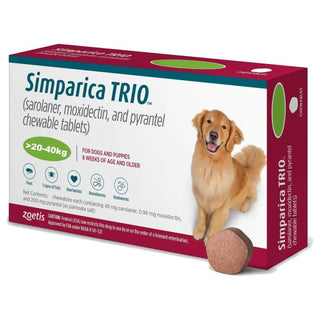
I’ve been using Symperica Trio for a yr now. Love it. 79 pets ships fast and prices are more affordable. Thank You

Right after a haircut. 6 year old dashund/shih Tzu mix

Great deal on flea/tick. Helps take care of my pup
Stronghold Violet For Dogs 5-10lbs (2.6-5kg)

Two sweet girlies decided to make our deck their home. Mosquitoes are a big problem where we live and we had to get them protected. This was the best bang for the buck. I’ve ordered from 79Pets several times and while delivery is not fast it is very consistent.
Revolution Plus For Medium Cats 5.6-11 lbs (2.6-5kg)

As a retired veterinary technician I was extremely happy to finally see a flea and heartworm medication that actually does tapeworms too!!!!!!! This is a 1st to my knowledge....I live in a tropical climate where fleas never die so this is heaven sent.
Nexgard Combo For Cats 5.5-16.5 lbs (2.5-7.5 kg)

Great for free delivery worldwide and it took shorter time than I expected. Thanks
Simparica Trio For Dogs 5.6-11 lbs (2.5-5 kg)

My dog is excited to have her Advocate given every month! Great customer service and we're already a returned customer!
Advocate (Advantage Multi) For Small Dog Upto 4kg 8.8lbs (4kg)

Great price, authentic quality and reliable shipping. Shipping takes a bit longer, since it is being shipped from abroad. But still a reliable service.
NexGard & Heartgard (Green) Combo Dogs 24-60 lbs (10-25 kg)

79 pets has great service, they resolved my issue when I purchased by mistake . Thank you!
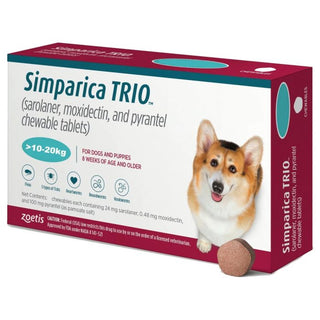
Simparica Trio For Dogs 22.1-44 lbs (10-20 kg)

Very happy with the price of Stronghold heart worm med for my dog. Seems to be working well.
Stronghold Teal For Dogs 44-88lbs (20-40kg)

My dog loves this product, never got any issue. Good price , deliver on time. We will definitely keep purchasing with 79 pets.com. Thanks!
Simparica Trio For Dogs 22.1-44 lbs (10-20 kg)

Great customer service! Would definitely purchase from them again!
Advocate (Advantage Multi) For Small Dog Upto 4kg 8.8lbs (4kg)

My fur babies love being protected from fleas!
Stronghold Blue For Cats 5.7-15.5lbs (2.6-7.5kg)

No more fleas! I love it and my pets love it!
Stronghold Teal For Dogs 44-88lbs (20-40kg)

I have 3 of these little rascals so Michigan flea/tick season can be financially brutal! Thank you for keeping NexGard so affordable.
NexGard Chew For Small Dogs 10-24lbs (4-10kg)

it is so easy to order
NexGard & Heartgard (Brown) Combo Dogs 60-121 lbs (25-50 kg)

I have no difficulty to give the tablet to my dog. I want my shipping to come faster by the way.
NexGard Spectra For Small Dog 8-16 lbs (3.5-7.5kg)

Stronghold Plus keep my baby safe
Stronghold Plus For Large Cats 11 lbs to 22 lbs (5-10kg)

Thank You 79pets
Stronghold Plus For Medium Cats 5.5 lbs to 11 lbs (2.5-5kg)

Advocate can only be found here n it's easier to order online. Thanks 79!
Advocate (Advantage Multi) For Cats Over 8.8lbs (4kg)

Great product and price. Shipping updates helped, since product comes from abroad. I would definitely recommend and use it again.
NexGard & Heartgard (Green) Combo Dogs 24-60 lbs (10-25 kg)

Easy to give!
NexGard Spectra For Small Dog 8-16 lbs (3.5-7.5kg)

Stronghold Plus does exactly what it was advertised for. Effective and best product. Would highly recommend Stronghold Plus.
Stronghold Plus For Cats 5.5 lbs to 11 lbs (2.5-5kg) 3 Pack

After Seresto collars failed to get rid of fleas, I didn't know where to turn. I saw a post on a page I follow (Kentucky Kitty Cats) saying that they use Nexgard Combo for the cats they shelter. I decided to try it and IT WORKS!
Nexgard Combo for Cats 5.5-16.5 lbs (2.5-7.5 kg)

My kitty love Revolution. One of the best product for flea & ticks. Good price will definitely recommend this website.
Revolution Plus For Medium Cats 5.6-11 lbs (2.6-5kg)

Tried this the first time and the correct medication was sent on time to me. Will definitely use this site again. Thanks!
Simparica Chewables For Very Small Dogs 5.6-11 lbs (2.5-5kg)

Happy Kitty
Revolution Plus For Medium Cats 5.6-11 lbs (2.6-5kg)

As described. Value for money
Nexgard Chew Red for Large Dogs Flea & Tick 60-121 lbs. (25-50kg)

This is Lexi Marie! She was wondering why mom was so excited for buying flea medicine. I explained to her that we saved $100 and that she would understand some day when she grows up.
Revolution Plus For Large Cats 11.1-22lbs (5-10kg)

Received on time. Thank You 79Pets
Nexgard Chew Red for Large Dogs Flea & Tick 60-121 lbs. (25-50kg)

Very good experience!
Revolution Plus For Large Cats 11.1-22lbs (5-10kg)

Last year, I made a visit to the vet. I told them that Kattie/cat had ear mites. They gave me an ointment costing $80canadian. I used it up and purchased another bottle. $160. total not including the cost of the vet visit. No results. The ear mites have been there for a long time. Canadian vets have control of what is sold in Pet stores and you cannot purchase off the shelf products not recognized by them. I jumped at the chance to purchase your produce with a recommended 100% effectivity. I was willing to try, but was suspicions. After a month there was still a little scratching but after 6 weeks, the mites are gone and the scratching is gone. Thank you very much for this mite solution. I recommend it heartily. Harry P.S. Do not tell the Canadian vets as they will outlaw your product.
Revolution Plus For Medium Cats 5.6-11 lbs (2.6-5kg)