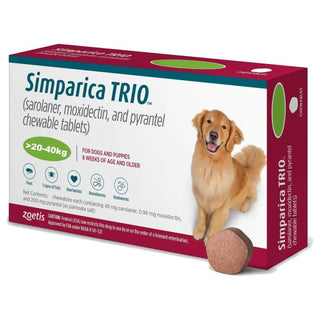
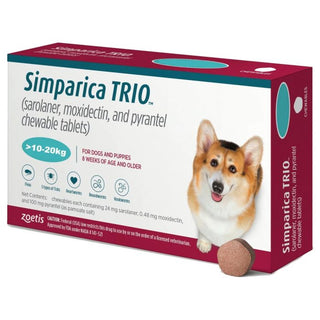


Not much to add. Dog tolerates it and price is good


A cat that vomits often, has ongoing diarrhea, itchy skin, or frequent ear problems may not simply have a “sensitive stomach.” In some cases, food intolerance in cats may be contributing to the problem.
Food-related reactions can be confusing because their symptoms often overlap with those of food allergies, parasites, hairballs, stress, inflammatory bowel disease, infections, and other health conditions. The right diagnosis matters because changing foods repeatedly without a clear plan can make it harder to identify the real cause.
This guide explains what food intolerance in cats is, how it differs from a food allergy, the signs to watch for, and how veterinarians usually investigate food-related problems safely.
Food intolerance happens when a cat’s digestive system has difficulty handling a particular ingredient, food type, additive, or dietary change. Unlike a true food allergy, food intolerance does not necessarily involve the immune system.
A cat may react poorly to a food because it is too rich, contains an ingredient that does not agree with them, includes a poorly tolerated protein source, or was introduced too quickly. Some cats may also struggle with certain additives, high-fat foods, dairy products, or abrupt changes in diet.
Food intolerance can occur after the first exposure to a food. A food allergy, on the other hand, usually develops after repeated exposure to an ingredient over time.
Although the two terms are often used interchangeably, they are not exactly the same.
Food intolerance is generally linked to digestion rather than to an immune system reaction. It may cause symptoms soon after a cat eats a particular food.
Common examples may include:
A food allergy develops when a cat’s immune system mistakenly identifies a dietary ingredient, commonly a protein, as harmful. The reaction may lead to digestive upset as well as skin-related symptoms such as itching or irritation.
Possible signs of food allergy include:
A cat can also have more than one issue at the same time. For example, a cat may have flea allergy dermatitis and food sensitivity, or inflammatory bowel disease alongside a poorly tolerated diet.
Food intolerance in cats may look mild at first, but repeated digestive upset should not be ignored. Watch for patterns that appear after eating certain foods, treats, supplements, or flavored medications.
Common signs include:
Some cats may vomit once after eating too quickly or bringing up a hairball. However, frequent vomiting is not normal and warrants veterinary attention, especially when it occurs weekly, worsens, or is accompanied by weight loss, diarrhea, or changes in appetite.
A cat may become unwell after eating a food for many reasons. It is important not to assume that one ingredient is always responsible.
Cats often have sensitive digestive systems. Switching from one food to another too quickly can lead to vomiting, loose stool, gas, or refusal to eat.
A gradual transition over several days is usually easier on the digestive system. Introduce the new food gradually by adding a small portion to your cat’s regular meal. As your cat adjusts, gradually increase the new food's share of each meal and reduce the previous food in equal stages.
High-fat foods, creamy treats, table scraps, and large amounts of unfamiliar snacks can upset a cat’s stomach. Even foods that are safe in small amounts may cause problems when offered too often.
Cats should not be regularly fed foods intended for people, especially seasoned leftovers, fried foods, dairy-heavy foods, or foods containing onion, garlic, chocolate, grapes, raisins, alcohol, or artificial sweeteners.
Many adult cats do not digest lactose well. Milk, cheese, cream, or ice cream may cause diarrhea, gas, stomach discomfort, or vomiting.
Although cats are often shown drinking milk in films and cartoons, cow’s milk is not necessary for adult cats and may create digestive problems.
Some cats may react poorly to common protein sources in their usual food. Chicken, beef, fish, dairy, and eggs are often discussed in food-related reactions, but the actual trigger varies from cat to cat.
It is not always the newest ingredient that causes the issue. A cat can react to a food they have eaten for a long time.
Artificial colors, flavor enhancers, preservatives, or highly processed ingredients may contribute to digestive upset in some cats. However, it is important not to blame additives without proper investigation, as many gastrointestinal symptoms can have unrelated medical causes.
Vomiting and diarrhea are not always caused by food intolerance. Other possible causes include:
This is why a veterinarian should assess ongoing or severe symptoms rather than relying solely on trial-and-error changes to the diet.
There is no simple home test that can reliably confirm food intolerance or food allergy. Blood, saliva, and hair tests marketed for food sensitivities may not accurately identify the cause of a cat’s symptoms.
A veterinarian will usually begin by reviewing your cat’s full history, including:
Your vet may also suggest a thorough physical check-up, fecal testing, blood work, urine testing, imaging, or other tests to rule out medical conditions.
A carefully controlled elimination diet is considered the most dependable method for assessing a possible food allergy and may also reveal whether certain foods are triggering digestive symptoms.
Your veterinarian may recommend a diet containing either:
For the trial to work, the cat must eat only the recommended diet. This means no treats, no flavored supplements, no table food, no scavenging, and no access to another pet’s food unless your veterinarian specifically approves it.
Even a small amount of another food can interfere with the results.
Many diet trials last around eight weeks, although the exact duration depends on your cat’s symptoms and your veterinarian’s plan. If the symptoms improve, the veterinarian may recommend carefully reintroducing previous ingredients one at a time to identify the likely trigger.
Once a problem ingredient or dietary pattern has been identified, the goal is to keep your cat on a complete, balanced diet that they tolerate well.
Helpful feeding tips include:
Choose a diet that provides complete, balanced nutrition for your cat’s specific age and life stage. Because cats are obligate carnivores, they depend on essential nutrients that may be missing from homemade meals or foods that are not properly formulated.
For this reason, do not feed a homemade diet long term unless it has been planned with veterinary advice, as nutrient imbalances can develop over time.
Cats with sensitive digestion often do better when their food routine stays stable. Avoid frequent rotation of brands, proteins, treats, and toppers unless advised by your veterinarian.
When changing foods, transition gradually over approximately seven to ten days unless your veterinarian recommends a different approach.
A simple transition plan may look like this:
Slow down the transition if your cat develops vomiting, diarrhea, or refuses to eat.
Record:
A detailed diary can help your veterinarian identify patterns that may otherwise be missed.
It can be tempting to change foods every time a cat vomits or has soft stool. However, frequent switching may worsen digestive upset and make diagnosis much harder.
Work with your veterinarian on one structured feeding plan rather than trying multiple foods at once.
Seek veterinary care promptly if your cat has any of the following signs:
Kittens, senior cats, and cats with chronic illnesses can become dehydrated or seriously unwell more quickly, so it is best to seek advice early.
Not every food-related reaction can be prevented, but a consistent feeding routine can reduce the chance of digestive upset.
You can help by:
Food intolerance in cats can cause vomiting, diarrhea, poor appetite, and digestive discomfort, but these signs can also point to many other health problems. Do not assume that every upset stomach is caused by food.
A veterinarian can help rule out parasites, infections, chronic intestinal disease, kidney problems, and other conditions that may look similar. When food is suspected, a carefully planned elimination diet trial is the best way to identify whether a particular ingredient or diet is contributing to your cat’s symptoms.
With the right diagnosis and a consistent, balanced feeding plan, many cats with food-related digestive issues can become more comfortable and enjoy healthier, more predictable meals.

Overall rating: 4.8 / 5 from 1134 reviews.
Not much to add. Dog tolerates it and price is good

This is the only flea medication that works for us where we live.

This on-line company is such a good find. They provide quality products at a good price with delivering them efficiently. Definitely recommend purchasing from them.

Items arrived on time and work great!

Love stronghold

Same product at a great price

Fast shipping great quality and price

We are happy with Heartgard Plus

I’ve been using Symperica Trio for a yr now. Love it. 79 pets ships fast and prices are more affordable. Thank You

Right after a haircut. 6 year old dashund/shih Tzu mix

Great deal on flea/tick. Helps take care of my pup
Stronghold Violet For Dogs 5-10lbs (2.6-5kg)

Two sweet girlies decided to make our deck their home. Mosquitoes are a big problem where we live and we had to get them protected. This was the best bang for the buck. I’ve ordered from 79Pets several times and while delivery is not fast it is very consistent.
Revolution Plus For Medium Cats 5.6-11 lbs (2.6-5kg)

As a retired veterinary technician I was extremely happy to finally see a flea and heartworm medication that actually does tapeworms too!!!!!!! This is a 1st to my knowledge....I live in a tropical climate where fleas never die so this is heaven sent.
Nexgard Combo For Cats 5.5-16.5 lbs (2.5-7.5 kg)

Great for free delivery worldwide and it took shorter time than I expected. Thanks
Simparica Trio For Dogs 5.6-11 lbs (2.5-5 kg)

My dog is excited to have her Advocate given every month! Great customer service and we're already a returned customer!
Advocate (Advantage Multi) For Small Dog Upto 4kg 8.8lbs (4kg)

Great price, authentic quality and reliable shipping. Shipping takes a bit longer, since it is being shipped from abroad. But still a reliable service.
NexGard & Heartgard (Green) Combo Dogs 24-60 lbs (10-25 kg)

79 pets has great service, they resolved my issue when I purchased by mistake . Thank you!
Simparica Trio For Dogs 22.1-44 lbs (10-20 kg)

Very happy with the price of Stronghold heart worm med for my dog. Seems to be working well.
Stronghold Teal For Dogs 44-88lbs (20-40kg)

My dog loves this product, never got any issue. Good price , deliver on time. We will definitely keep purchasing with 79 pets.com. Thanks!
Simparica Trio For Dogs 22.1-44 lbs (10-20 kg)

Great customer service! Would definitely purchase from them again!
Advocate (Advantage Multi) For Small Dog Upto 4kg 8.8lbs (4kg)

My fur babies love being protected from fleas!
Stronghold Blue For Cats 5.7-15.5lbs (2.6-7.5kg)

No more fleas! I love it and my pets love it!
Stronghold Teal For Dogs 44-88lbs (20-40kg)

I have 3 of these little rascals so Michigan flea/tick season can be financially brutal! Thank you for keeping NexGard so affordable.
NexGard Chew For Small Dogs 10-24lbs (4-10kg)

it is so easy to order
NexGard & Heartgard (Brown) Combo Dogs 60-121 lbs (25-50 kg)

I have no difficulty to give the tablet to my dog. I want my shipping to come faster by the way.
NexGard Spectra For Small Dog 8-16 lbs (3.5-7.5kg)

Stronghold Plus keep my baby safe
Stronghold Plus For Large Cats 11 lbs to 22 lbs (5-10kg)

Thank You 79pets
Stronghold Plus For Medium Cats 5.5 lbs to 11 lbs (2.5-5kg)

Advocate can only be found here n it's easier to order online. Thanks 79!
Advocate (Advantage Multi) For Cats Over 8.8lbs (4kg)

Great product and price. Shipping updates helped, since product comes from abroad. I would definitely recommend and use it again.
NexGard & Heartgard (Green) Combo Dogs 24-60 lbs (10-25 kg)

Easy to give!
NexGard Spectra For Small Dog 8-16 lbs (3.5-7.5kg)

Stronghold Plus does exactly what it was advertised for. Effective and best product. Would highly recommend Stronghold Plus.
Stronghold Plus For Cats 5.5 lbs to 11 lbs (2.5-5kg) 3 Pack

After Seresto collars failed to get rid of fleas, I didn't know where to turn. I saw a post on a page I follow (Kentucky Kitty Cats) saying that they use Nexgard Combo for the cats they shelter. I decided to try it and IT WORKS!
Nexgard Combo for Cats 5.5-16.5 lbs (2.5-7.5 kg)

My kitty love Revolution. One of the best product for flea & ticks. Good price will definitely recommend this website.
Revolution Plus For Medium Cats 5.6-11 lbs (2.6-5kg)

Tried this the first time and the correct medication was sent on time to me. Will definitely use this site again. Thanks!
Simparica Chewables For Very Small Dogs 5.6-11 lbs (2.5-5kg)

Happy Kitty
Revolution Plus For Medium Cats 5.6-11 lbs (2.6-5kg)

As described. Value for money
Nexgard Chew Red for Large Dogs Flea & Tick 60-121 lbs. (25-50kg)

This is Lexi Marie! She was wondering why mom was so excited for buying flea medicine. I explained to her that we saved $100 and that she would understand some day when she grows up.
Revolution Plus For Large Cats 11.1-22lbs (5-10kg)

Received on time. Thank You 79Pets
Nexgard Chew Red for Large Dogs Flea & Tick 60-121 lbs. (25-50kg)

Very good experience!
Revolution Plus For Large Cats 11.1-22lbs (5-10kg)

Last year, I made a visit to the vet. I told them that Kattie/cat had ear mites. They gave me an ointment costing $80canadian. I used it up and purchased another bottle. $160. total not including the cost of the vet visit. No results. The ear mites have been there for a long time. Canadian vets have control of what is sold in Pet stores and you cannot purchase off the shelf products not recognized by them. I jumped at the chance to purchase your produce with a recommended 100% effectivity. I was willing to try, but was suspicions. After a month there was still a little scratching but after 6 weeks, the mites are gone and the scratching is gone. Thank you very much for this mite solution. I recommend it heartily. Harry P.S. Do not tell the Canadian vets as they will outlaw your product.
Revolution Plus For Medium Cats 5.6-11 lbs (2.6-5kg)