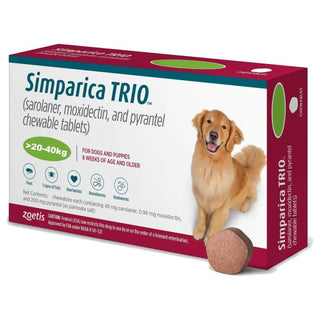
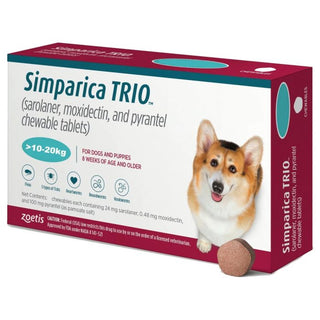


Not much to add. Dog tolerates it and price is good


Cats are naturally agile, so sudden stumbling, leaning, or falling can be frightening to watch. A cat losing balance needs veterinary attention because the problem may involve the inner ear, brain, spinal cord, nerves, circulation, or another part of the body.
Some causes are temporary and respond well to treatment, while others require urgent care. Keep your cat safe, note any additional symptoms, and contact a veterinarian rather than waiting for the problem to resolve on its own.
Loss of balance is often described as ataxia, which means uncoordinated movement. Depending on the cause, you may notice:
A cat losing balance may remain alert or appear weak, disoriented, or unusually sleepy. These differences help a veterinarian determine which part of the nervous or balance system may be affected.
There is no single cause. The timing, severity, and accompanying symptoms all matter. Sudden loss of balance may be linked to vestibular disease, poisoning, trauma, or a neurological event, while gradually worsening coordination may suggest an ongoing ear, nerve, spinal, or brain condition.
The vestibular system helps control balance, posture, and the coordinated movement of the head and eyes. Parts of this system are located in the inner ear and brainstem.
When it is not working correctly, a cat may develop a head tilt, repeatedly fall toward one side, circle, roll, or exhibit rapid eye movements called nystagmus. Dizziness can also cause nausea, vomiting, and poor appetite.
Sometimes no underlying cause is identified. This is called idiopathic vestibular disease. Signs can appear suddenly and look severe, but many affected cats begin improving after the first few days. A veterinarian must still rule out more serious causes.
An infection, inflammation, polyp, growth, or injury affecting the middle or inner ear can disturb the vestibular system. Your cat may also shake or scratch the head, have ear discharge, show pain around the ear, or respond less to sound.
Do not insert cotton swabs or apply ear medication unless a veterinarian has examined the ear. A damaged eardrum or deeper ear problem may require a different treatment approach.
A cat losing balance may have a condition affecting the brain, brainstem, spinal cord or peripheral nerves. Possible examples include inflammation, infection, head trauma, a mass, a blood-flow problem, or another neurological disorder.
Neurological problems may cause additional signs such as seizures, marked weakness, unusual behavior, unequal pupils, vision changes, circling, or reduced awareness. These symptoms require prompt veterinary assessment.
Certain household substances, human medicines, incorrectly used pet products, and some veterinary drugs can cause wobbling, tremors, or weakness. Cats are particularly sensitive to certain chemicals, including those in products intended only for dogs.
If poisoning is possible, remove your cat from the source and contact an emergency veterinarian immediately. Take the packaging or a clear photo of the product with you.
Do not give food, milk, oil, salt, or any home remedy. Do not induce vomiting unless a veterinary professional specifically instructs you to do so.
Low blood sugar, abnormal potassium or calcium levels, severe anemia, circulation problems, and other systemic illnesses can affect strength and coordination. Older cats may also have underlying kidney, thyroid, heart, or blood pressure problems that contribute to weakness or neurological signs.
Blood and urine tests can help determine whether a cat losing balance has an illness affecting the whole body rather than only the nervous system.
Cerebellar hypoplasia occurs when the part of the brain responsible for coordinating movement does not develop normally before birth or early in life. Signs usually appear when a kitten begins walking and may include:
The condition itself is generally non-progressive, meaning it does not continually worsen. Many affected cats can enjoy a good quality of life with a safe indoor environment and practical support.
A new balance problem in an adult cat should not be assumed to be cerebellar hypoplasia.
A paw injury, a painful joint, a spinal problem, or muscle weakness may make a cat appear unsteady even when the balance system itself is functioning normally. A fall or other accident can also cause both pain and neurological injury.
Avoid repeatedly testing your cat’s ability to walk or jump. Handling a painful or frightened cat may lead to further injury or a defensive bite.
A cat that loses its balance should be examined promptly, especially when the problem starts suddenly.
Go to an emergency veterinary clinic immediately if your cat:
Even when your cat seems otherwise comfortable, same-day veterinary advice is appropriate for a new or unexplained balance problem.
The veterinarian will ask about the onset of the problem, possible injuries, exposure to toxins, recent medications, appetite, and other behavioral changes.
A physical examination, an ear examination, and a neurological assessment can help identify whether the problem is vestibular, cerebellar, spinal, muscular, or systemic.
Recommended tests may include:
Not every cat needs every test. The veterinarian will choose the most appropriate investigation based on your cat’s age, medical history, symptoms and examination findings.
Treatment depends entirely on the diagnosis. Ear infections may require carefully selected medication, while toxin exposure, dehydration, abnormal blood values, trauma or neurological disease will need different care.
Supportive treatment may include:
For idiopathic vestibular disease, signs are often most intense during the first 24 to 48 hours and then begin to improve. Recovery from other causes may take longer, and some conditions can leave lasting coordination problems.
Follow-up examinations are important even when the cat appears to be doing better.
Yes. Middle- or inner-ear disease can disrupt the vestibular system, causing a head tilt, circling, falling, nausea, and abnormal eye movements. A veterinary ear examination is needed to confirm the cause and select safe treatment.
No. Vestibular disease is one possible explanation, but balance problems can also result from toxins, trauma, metabolic illness, weakness, or disorders affecting the brain, spinal cord, or nerves.
Many cats improve when the underlying cause is treatable. Idiopathic vestibular disease often improves relatively quickly, while recovery from infection, trauma or neurological disease depends on its severity and response to treatment.
Incorrectly applied products, excessive doses or treatments intended for dogs can potentially cause neurological symptoms in cats. Always check the label carefully and use a product suitable for your cat’s species, age and weight.
Contact a veterinarian immediately if your cat develops wobbling, tremors, drooling, weakness or seizures after receiving any treatment.
A new balance problem should not be ignored. Contact a veterinarian promptly and seek emergency care if your cat cannot stand, has seizures, may have ingested a toxin, or shows other severe symptoms.
Seeing a cat losing balance is alarming, but the appearance alone cannot identify the cause. Protect your cat from falls, document the symptoms, and arrange veterinary care as soon as possible.
Early assessment gives your veterinarian the best chance to identify a treatable problem, control nausea or pain, and help your cat return to safe, comfortable movement.
This article is intended for general educational purposes and does not replace professional veterinary examination, diagnosis or treatment.

Overall rating: 4.8 / 5 from 1134 reviews.
Not much to add. Dog tolerates it and price is good

This is the only flea medication that works for us where we live.

This on-line company is such a good find. They provide quality products at a good price with delivering them efficiently. Definitely recommend purchasing from them.

Items arrived on time and work great!

Love stronghold

Same product at a great price

Fast shipping great quality and price

We are happy with Heartgard Plus

I’ve been using Symperica Trio for a yr now. Love it. 79 pets ships fast and prices are more affordable. Thank You

Right after a haircut. 6 year old dashund/shih Tzu mix

Great deal on flea/tick. Helps take care of my pup
Stronghold Violet For Dogs 5-10lbs (2.6-5kg)

Two sweet girlies decided to make our deck their home. Mosquitoes are a big problem where we live and we had to get them protected. This was the best bang for the buck. I’ve ordered from 79Pets several times and while delivery is not fast it is very consistent.
Revolution Plus For Medium Cats 5.6-11 lbs (2.6-5kg)

As a retired veterinary technician I was extremely happy to finally see a flea and heartworm medication that actually does tapeworms too!!!!!!! This is a 1st to my knowledge....I live in a tropical climate where fleas never die so this is heaven sent.
Nexgard Combo For Cats 5.5-16.5 lbs (2.5-7.5 kg)

Great for free delivery worldwide and it took shorter time than I expected. Thanks
Simparica Trio For Dogs 5.6-11 lbs (2.5-5 kg)

My dog is excited to have her Advocate given every month! Great customer service and we're already a returned customer!
Advocate (Advantage Multi) For Small Dog Upto 4kg 8.8lbs (4kg)

Great price, authentic quality and reliable shipping. Shipping takes a bit longer, since it is being shipped from abroad. But still a reliable service.
NexGard & Heartgard (Green) Combo Dogs 24-60 lbs (10-25 kg)

79 pets has great service, they resolved my issue when I purchased by mistake . Thank you!
Simparica Trio For Dogs 22.1-44 lbs (10-20 kg)

Very happy with the price of Stronghold heart worm med for my dog. Seems to be working well.
Stronghold Teal For Dogs 44-88lbs (20-40kg)

My dog loves this product, never got any issue. Good price , deliver on time. We will definitely keep purchasing with 79 pets.com. Thanks!
Simparica Trio For Dogs 22.1-44 lbs (10-20 kg)

Great customer service! Would definitely purchase from them again!
Advocate (Advantage Multi) For Small Dog Upto 4kg 8.8lbs (4kg)

My fur babies love being protected from fleas!
Stronghold Blue For Cats 5.7-15.5lbs (2.6-7.5kg)

No more fleas! I love it and my pets love it!
Stronghold Teal For Dogs 44-88lbs (20-40kg)

I have 3 of these little rascals so Michigan flea/tick season can be financially brutal! Thank you for keeping NexGard so affordable.
NexGard Chew For Small Dogs 10-24lbs (4-10kg)

it is so easy to order
NexGard & Heartgard (Brown) Combo Dogs 60-121 lbs (25-50 kg)

I have no difficulty to give the tablet to my dog. I want my shipping to come faster by the way.
NexGard Spectra For Small Dog 8-16 lbs (3.5-7.5kg)

Stronghold Plus keep my baby safe
Stronghold Plus For Large Cats 11 lbs to 22 lbs (5-10kg)

Thank You 79pets
Stronghold Plus For Medium Cats 5.5 lbs to 11 lbs (2.5-5kg)

Advocate can only be found here n it's easier to order online. Thanks 79!
Advocate (Advantage Multi) For Cats Over 8.8lbs (4kg)

Great product and price. Shipping updates helped, since product comes from abroad. I would definitely recommend and use it again.
NexGard & Heartgard (Green) Combo Dogs 24-60 lbs (10-25 kg)

Easy to give!
NexGard Spectra For Small Dog 8-16 lbs (3.5-7.5kg)

Stronghold Plus does exactly what it was advertised for. Effective and best product. Would highly recommend Stronghold Plus.
Stronghold Plus For Cats 5.5 lbs to 11 lbs (2.5-5kg) 3 Pack

After Seresto collars failed to get rid of fleas, I didn't know where to turn. I saw a post on a page I follow (Kentucky Kitty Cats) saying that they use Nexgard Combo for the cats they shelter. I decided to try it and IT WORKS!
Nexgard Combo for Cats 5.5-16.5 lbs (2.5-7.5 kg)

My kitty love Revolution. One of the best product for flea & ticks. Good price will definitely recommend this website.
Revolution Plus For Medium Cats 5.6-11 lbs (2.6-5kg)

Tried this the first time and the correct medication was sent on time to me. Will definitely use this site again. Thanks!
Simparica Chewables For Very Small Dogs 5.6-11 lbs (2.5-5kg)

Happy Kitty
Revolution Plus For Medium Cats 5.6-11 lbs (2.6-5kg)

As described. Value for money
Nexgard Chew Red for Large Dogs Flea & Tick 60-121 lbs. (25-50kg)

This is Lexi Marie! She was wondering why mom was so excited for buying flea medicine. I explained to her that we saved $100 and that she would understand some day when she grows up.
Revolution Plus For Large Cats 11.1-22lbs (5-10kg)

Received on time. Thank You 79Pets
Nexgard Chew Red for Large Dogs Flea & Tick 60-121 lbs. (25-50kg)

Very good experience!
Revolution Plus For Large Cats 11.1-22lbs (5-10kg)

Last year, I made a visit to the vet. I told them that Kattie/cat had ear mites. They gave me an ointment costing $80canadian. I used it up and purchased another bottle. $160. total not including the cost of the vet visit. No results. The ear mites have been there for a long time. Canadian vets have control of what is sold in Pet stores and you cannot purchase off the shelf products not recognized by them. I jumped at the chance to purchase your produce with a recommended 100% effectivity. I was willing to try, but was suspicions. After a month there was still a little scratching but after 6 weeks, the mites are gone and the scratching is gone. Thank you very much for this mite solution. I recommend it heartily. Harry P.S. Do not tell the Canadian vets as they will outlaw your product.
Revolution Plus For Medium Cats 5.6-11 lbs (2.6-5kg)