

Not much to add. Dog tolerates it and price is good


If your dog loves lying on your chest, lap, legs, or even directly across your body, you may wonder what they are trying to say. For many dog owners, this behavior feels cute, comforting, and sometimes a little inconvenient—especially when a large dog decides they are a lap dog.
In most cases, there is no need to worry if your dog likes to lie on you. This behavior is often a natural way for dogs to show love, trust, and emotional connection. Since dogs are social animals, staying physically close to their favorite people can help them feel secure, relaxed, and bonded. However, the exact reason can vary. Depending on your dog’s mood, body language, and the situation, lying on you may also be a way for your dog to seek attention, stay warm, feel protected, cope with anxiety, or follow a familiar habit.
Understanding why your dog lies on you can help you respond appropriately and build a healthier relationship with your pet.
A major reason dogs choose to lie on their owners is that it makes them feel safe. To your dog, you may represent comfort, protection, and trust. Resting close to you can help them settle down, especially after an active day, in response to loud or unfamiliar sounds, or when they simply feel sleepy and need reassurance.
When a dog chooses to rest on you, it often means they feel comfortable enough to let their guard down. Dogs are vulnerable when they sleep or rest, so choosing your lap, chest, or side as their resting place can be a strong sign of trust.
You may notice this behavior more when your dog is sleepy, calm, or looking for reassurance.
Dogs may not express love in the same way humans do, but they have their own language. Lying on you can be your dog’s way of saying, “I like being close to you.”
Many dogs love to snuggle, lean into, or rest their body against the person they feel closest to. This kind of physical closeness can be soothing for your dog and enjoyable for you as well. Your familiar scent, body warmth, and calm presence can help your dog feel content, secure, and deeply relaxed.
If your dog lies on you with a soft face, relaxed body, loose tail, and gentle breathing, they are likely showing affection.
Sometimes dogs lie on their owners because they have learned that it gets a reaction. You may talk to them, pet them, laugh, move over, or give them cuddles. From your dog’s point of view, lying on you works.
This does not mean your dog is doing something wrong. It simply means they understand that closeness often leads to attention.
If your dog lies on you and then paws at you, nudges your hand, whines, or stares at you, they may be asking for playtime, petting, food, or a walk.
Dogs enjoy warm and comfortable places. Your body naturally gives off heat, which can make you the perfect resting spot.
This may be especially common in small dogs, short-haired breeds, puppies, senior dogs, or dogs that feel cold easily. During cooler weather, your dog may lie on your legs, stomach, or chest simply because you are warm and cozy.
If your dog often seeks warmth, make sure they have a comfortable bed, blanket, or soft sleeping area.
Dogs may lie on their owners when they feel nervous, scared, or unsure. Thunderstorms, fireworks, visitors, loud sounds, travel, or changes at home can make some dogs seek extra closeness.
In these moments, lying on you may be your dog’s way of calming themselves. Your presence can help them feel protected.
Look for other signs of stress, such as panting, trembling, pacing, hiding, yawning, licking lips, pinned-back ears, or a tucked tail. If your dog only lies on you during stressful events, they may be using you as a source of comfort.
Some dogs like to stay close because they feel protective of their family. Lying on you or near you may be their way of keeping watch.
This behavior is usually harmless when your dog remains relaxed. However, it can become a problem if your dog starts guarding you from other people or pets. Warning signs may include growling, a stiff posture, blocking others from approaching, aggressive barking, or snapping.
If your dog starts showing signs of unhealthy guarding or overprotective behavior, consider getting guidance from a certified dog trainer or veterinary behavior specialist. Professional support can help address the issue safely before it becomes more serious.
Dogs are creatures of habit. If your dog has been allowed to lie on you since puppyhood, they may continue to do so because it feels normal.
This habit can be adorable when your dog is small, but it may become uncomfortable as they grow. A large dog lying across your body can disturb sleep, make it hard to move, or accidentally hurt children, elderly family members, or people with injuries.
If the behavior no longer works for you, you can gently teach your dog where you want them to rest instead.
Some dogs become overly attached and struggle when they are away from their owners. If your dog constantly lies on you, follows you everywhere, cries when you leave, or becomes destructive when alone, separation anxiety could be a factor.
Lying on you by itself does not mean your dog has anxiety. Many happy and confident dogs enjoy close contact. But if the behavior is accompanied by panic when separated, excessive barking, house soiling, destructive chewing, or attempts to escape, it may be time to speak with a veterinarian or a qualified behavior professional.
In most situations, it is perfectly fine to let your dog lie on you, as long as you are comfortable and your dog appears calm. This close contact can help build a stronger emotional connection and make your dog feel safe, accepted, and loved.
However, boundaries are also important. You may want to limit this behavior if:
Healthy affection should feel comfortable for both you and your dog.
If you want your dog to stop lying on you all the time, avoid pushing, shouting, or punishing them. Instead, guide them calmly toward better behavior.
Place a soft dog bed or blanket near you. If your dog wants closeness, they can stay nearby without lying directly on you.
Teach simple words like “off,” “bed,” or “place.” Reward your dog when they move to the correct spot.
When your dog relaxes beside you instead of on top of you, praise them or offer a treat. This helps them understand what you prefer.
If you allow your dog to lie on you sometimes but not at other times, they may become confused. Decide what is acceptable and keep the rules consistent.
If your dog jumps on you, paws at you, or demands attention, wait until they calm down before giving affection.
A dog lying on you is usually normal, but you should pay attention if the behavior suddenly changes. Contact your veterinarian if your dog becomes unusually clingy and also shows signs such as:
Sometimes dogs become clingy when they are unwell, uncomfortable, or emotionally stressed. A sudden change in behavior should not be ignored.
Your dog lying on you is often a loving, trusting gesture. They may want affection, warmth, comfort, attention, or simply the feeling of being close to their favorite person.
Most of the time, this behavior is nothing to worry about. It is one of the many ways dogs show their bond with humans. Still, it is important to understand your dog’s body language and set gentle boundaries when needed.
A well-adjusted dog can enjoy cuddles and close contact while still feeling comfortable spending time independently. By using patience, clear boundaries, and positive reinforcement, you can show your dog affection without giving up your own personal space.
Overall rating: 4.8 / 5 from 1134 reviews.
Not much to add. Dog tolerates it and price is good

This is the only flea medication that works for us where we live.

This on-line company is such a good find. They provide quality products at a good price with delivering them efficiently. Definitely recommend purchasing from them.

Items arrived on time and work great!

Love stronghold

Same product at a great price

Fast shipping great quality and price

We are happy with Heartgard Plus

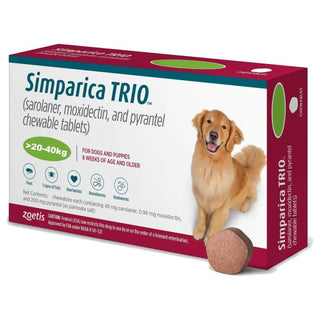
I’ve been using Symperica Trio for a yr now. Love it. 79 pets ships fast and prices are more affordable. Thank You

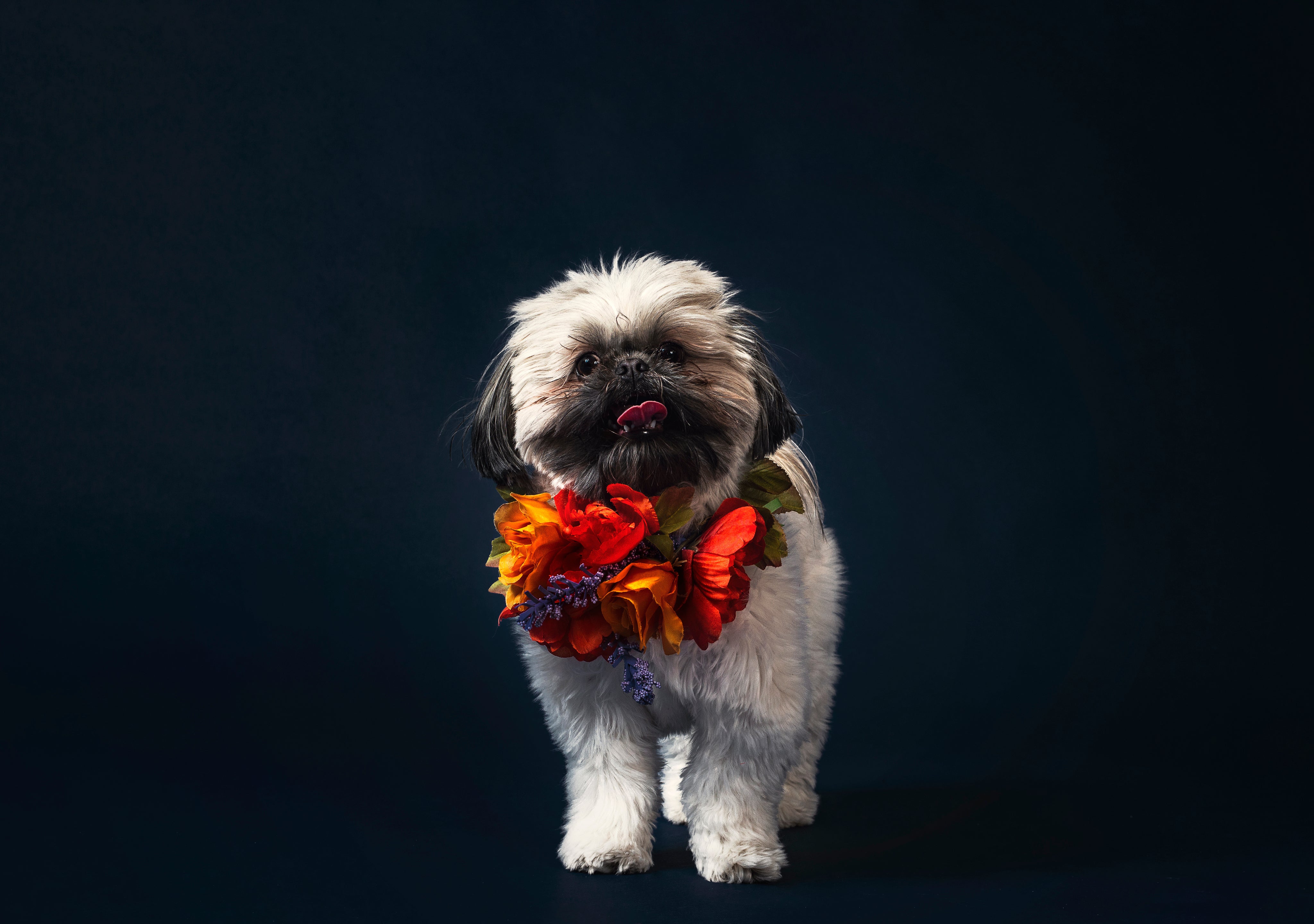
Right after a haircut. 6 year old dashund/shih Tzu mix

Great deal on flea/tick. Helps take care of my pup
Stronghold Violet For Dogs 5-10lbs (2.6-5kg)

Two sweet girlies decided to make our deck their home. Mosquitoes are a big problem where we live and we had to get them protected. This was the best bang for the buck. I’ve ordered from 79Pets several times and while delivery is not fast it is very consistent.
Revolution Plus For Medium Cats 5.6-11 lbs (2.6-5kg)

As a retired veterinary technician I was extremely happy to finally see a flea and heartworm medication that actually does tapeworms too!!!!!!! This is a 1st to my knowledge....I live in a tropical climate where fleas never die so this is heaven sent.
Nexgard Combo For Cats 5.5-16.5 lbs (2.5-7.5 kg)

Great for free delivery worldwide and it took shorter time than I expected. Thanks
Simparica Trio For Dogs 5.6-11 lbs (2.5-5 kg)

My dog is excited to have her Advocate given every month! Great customer service and we're already a returned customer!
Advocate (Advantage Multi) For Small Dog Upto 4kg 8.8lbs (4kg)

Great price, authentic quality and reliable shipping. Shipping takes a bit longer, since it is being shipped from abroad. But still a reliable service.
NexGard & Heartgard (Green) Combo Dogs 24-60 lbs (10-25 kg)

79 pets has great service, they resolved my issue when I purchased by mistake . Thank you!
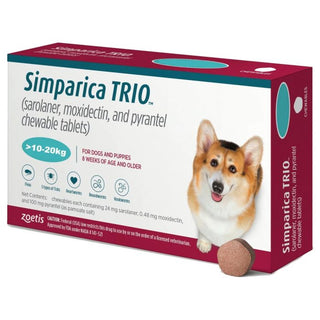
Simparica Trio For Dogs 22.1-44 lbs (10-20 kg)

Very happy with the price of Stronghold heart worm med for my dog. Seems to be working well.
Stronghold Teal For Dogs 44-88lbs (20-40kg)

My dog loves this product, never got any issue. Good price , deliver on time. We will definitely keep purchasing with 79 pets.com. Thanks!
Simparica Trio For Dogs 22.1-44 lbs (10-20 kg)

Great customer service! Would definitely purchase from them again!
Advocate (Advantage Multi) For Small Dog Upto 4kg 8.8lbs (4kg)

My fur babies love being protected from fleas!
Stronghold Blue For Cats 5.7-15.5lbs (2.6-7.5kg)

No more fleas! I love it and my pets love it!
Stronghold Teal For Dogs 44-88lbs (20-40kg)

I have 3 of these little rascals so Michigan flea/tick season can be financially brutal! Thank you for keeping NexGard so affordable.
NexGard Chew For Small Dogs 10-24lbs (4-10kg)

it is so easy to order
NexGard & Heartgard (Brown) Combo Dogs 60-121 lbs (25-50 kg)

I have no difficulty to give the tablet to my dog. I want my shipping to come faster by the way.
NexGard Spectra For Small Dog 8-16 lbs (3.5-7.5kg)

Stronghold Plus keep my baby safe
Stronghold Plus For Large Cats 11 lbs to 22 lbs (5-10kg)

Thank You 79pets
Stronghold Plus For Medium Cats 5.5 lbs to 11 lbs (2.5-5kg)

Advocate can only be found here n it's easier to order online. Thanks 79!
Advocate (Advantage Multi) For Cats Over 8.8lbs (4kg)

Great product and price. Shipping updates helped, since product comes from abroad. I would definitely recommend and use it again.
NexGard & Heartgard (Green) Combo Dogs 24-60 lbs (10-25 kg)

Easy to give!
NexGard Spectra For Small Dog 8-16 lbs (3.5-7.5kg)

Stronghold Plus does exactly what it was advertised for. Effective and best product. Would highly recommend Stronghold Plus.
Stronghold Plus For Cats 5.5 lbs to 11 lbs (2.5-5kg) 3 Pack

After Seresto collars failed to get rid of fleas, I didn't know where to turn. I saw a post on a page I follow (Kentucky Kitty Cats) saying that they use Nexgard Combo for the cats they shelter. I decided to try it and IT WORKS!
Nexgard Combo for Cats 5.5-16.5 lbs (2.5-7.5 kg)

My kitty love Revolution. One of the best product for flea & ticks. Good price will definitely recommend this website.
Revolution Plus For Medium Cats 5.6-11 lbs (2.6-5kg)

Tried this the first time and the correct medication was sent on time to me. Will definitely use this site again. Thanks!
Simparica Chewables For Very Small Dogs 5.6-11 lbs (2.5-5kg)

Happy Kitty
Revolution Plus For Medium Cats 5.6-11 lbs (2.6-5kg)

As described. Value for money
Nexgard Chew Red for Large Dogs Flea & Tick 60-121 lbs. (25-50kg)

This is Lexi Marie! She was wondering why mom was so excited for buying flea medicine. I explained to her that we saved $100 and that she would understand some day when she grows up.
Revolution Plus For Large Cats 11.1-22lbs (5-10kg)

Received on time. Thank You 79Pets
Nexgard Chew Red for Large Dogs Flea & Tick 60-121 lbs. (25-50kg)

Very good experience!
Revolution Plus For Large Cats 11.1-22lbs (5-10kg)

Last year, I made a visit to the vet. I told them that Kattie/cat had ear mites. They gave me an ointment costing $80canadian. I used it up and purchased another bottle. $160. total not including the cost of the vet visit. No results. The ear mites have been there for a long time. Canadian vets have control of what is sold in Pet stores and you cannot purchase off the shelf products not recognized by them. I jumped at the chance to purchase your produce with a recommended 100% effectivity. I was willing to try, but was suspicions. After a month there was still a little scratching but after 6 weeks, the mites are gone and the scratching is gone. Thank you very much for this mite solution. I recommend it heartily. Harry P.S. Do not tell the Canadian vets as they will outlaw your product.
Revolution Plus For Medium Cats 5.6-11 lbs (2.6-5kg)