These are my dogs Frankie, he’s 2 and Roxy, she’s 6! They are outside all the time and we have woods behind the house. They never get fleas or ticks or anything else! Very happy with this product.


Conjunctivitis — or pink eye — is a common eye problem in dogs that can cause discomfort if untreated. Recognizing signs and taking prompt action helps you protect your dog and prevent complications.
Let’s outline what you’ll find in this guide—from symptoms and causes to treatment options and prevention tips for dog conjunctivitis.
Dog conjunctivitis is inflammation of the conjunctiva, the thin, clear membrane covering the eye surface and lining the eyelids.
The conjunctiva helps protect the eye. When inflamed, the eye may look red, swollen, or irritated. Rapidly worsening cases require veterinary attention.
Dogs can't express eye pain, so spotting symptoms is crucial. Watch for these signs:
Discharge color offers clues: yellow or green may indicate bacterial infection, whereas clear may indicate allergies.
Always observe your dog closely. If symptoms persist for more than a day or the eye looks increasingly painful, see your vet right away.
There’s no single cause of conjunctivitis in dogs. Instead, numerous factors can lead to eye inflammation:
Infections are one of the most common triggers of conjunctivitis. Bacterial infections often produce pus-like discharge, while viral infections may present with other symptoms such as a runny nose or sneezing.
Environmental allergens such as pollen, dust, mold, or smoke can irritate a dog’s eyes, especially in seasonal allergy flare-ups. Chemical irritants, such as shampoos or household cleaners, may also trigger irritation.
Seeds, grass, or tiny debris can accidentally enter the eye during play or walks. These foreign bodies may scratch or irritate the conjunctiva, leading to inflammation.
Breeds with protruding eyes or additional facial folds may be more prone to ocular problems. Conditions such as dry eye, eyelid abnormalities, and other eye diseases can also contribute to conjunctivitis.
Any damage to the eye — even a light scratch — can lead to conjunctivitis. Rubbing or pawing at the eye may exacerbate the condition.
A proper diagnosis begins with a careful examination by a veterinarian. Your vet may:
Many ocular conditions appear similar, so veterinary assessment prevents misdiagnosis and ensures appropriate treatment.
Treatment depends on the underlying cause of conjunctivitis.
Use only veterinarian-prescribed medications; human eye drops can harm dogs and worsen symptoms.
If allergies are suspected, your vet may recommend antihistamines or steroid treatments. In severe cases, long-term allergy plans or environmental management may be crucial.
If debris is lodged in the eye, your vet can safely remove it and treat any subsequent irritation.
When dry eye is the underlying cause, special lubricating eye drops or tear stimulators can help maintain moisture.
While the vet will lead treatment, you can support healing at home:
✔ Gently wipe away discharge with a clean cotton ball smeared in sterile saline
✔ Keep your dog from rubbing or scratching the eye
✔ Use an Elizabethan collar (cone) if necessary to prevent self-injury
⚠ Never use human medications or eye drops unless a vet specifically tells you to.
While not all cases can be prevented, you can lower risk by:
Untreated dog conjunctivitis may indicate underlying conditions. Early recognition, prompt vet care, and home support aid recovery. With attention, most dogs recover fully.
If you notice red, itchy, or watery eyes in your dog, take action now—schedule a vet visit immediately. Prompt attention can make all the difference in protecting your dog’s eyesight and comfort.
Overall rating: 4.8 / 5 from 1136 reviews.
These are my dogs Frankie, he’s 2 and Roxy, she’s 6! They are outside all the time and we have woods behind the house. They never get fleas or ticks or anything else! Very happy with this product.

Not much to add. Dog tolerates it and price is good

This is the only flea medication that works for us where we live.

This on-line company is such a good find. They provide quality products at a good price with delivering them efficiently. Definitely recommend purchasing from them.

Items arrived on time and work great!

Love stronghold

Same product at a great price

Fast shipping great quality and price

We are happy with Heartgard Plus

I’ve been using Symperica Trio for a yr now. Love it. 79 pets ships fast and prices are more affordable. Thank You

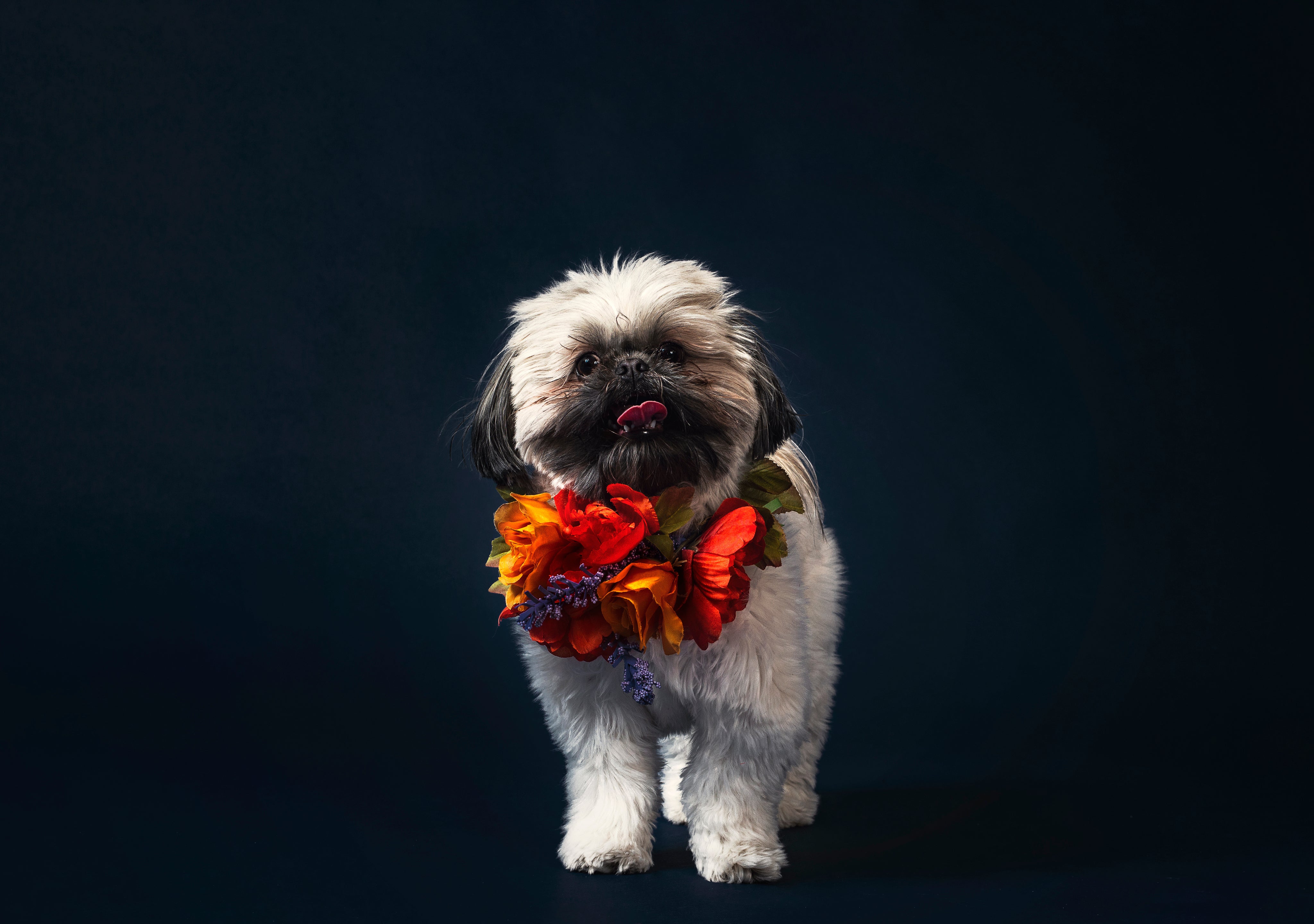
Right after a haircut. 6 year old dashund/shih Tzu mix

Great deal on flea/tick. Helps take care of my pup
Stronghold Violet For Dogs 5-10lbs (2.6-5kg)

Two sweet girlies decided to make our deck their home. Mosquitoes are a big problem where we live and we had to get them protected. This was the best bang for the buck. I’ve ordered from 79Pets several times and while delivery is not fast it is very consistent.
Revolution Plus For Medium Cats 5.6-11 lbs (2.6-5kg)

As a retired veterinary technician I was extremely happy to finally see a flea and heartworm medication that actually does tapeworms too!!!!!!! This is a 1st to my knowledge....I live in a tropical climate where fleas never die so this is heaven sent.
Nexgard Combo For Cats 5.5-16.5 lbs (2.5-7.5 kg)

Great for free delivery worldwide and it took shorter time than I expected. Thanks
Simparica Trio For Dogs 5.6-11 lbs (2.5-5 kg)

My dog is excited to have her Advocate given every month! Great customer service and we're already a returned customer!
Advocate (Advantage Multi) For Small Dog Upto 4kg 8.8lbs (4kg)

Great price, authentic quality and reliable shipping. Shipping takes a bit longer, since it is being shipped from abroad. But still a reliable service.
NexGard & Heartgard (Green) Combo Dogs 24-60 lbs (10-25 kg)

79 pets has great service, they resolved my issue when I purchased by mistake . Thank you!
Simparica Trio For Dogs 22.1-44 lbs (10-20 kg)

Very happy with the price of Stronghold heart worm med for my dog. Seems to be working well.
Stronghold Teal For Dogs 44-88lbs (20-40kg)

My dog loves this product, never got any issue. Good price , deliver on time. We will definitely keep purchasing with 79 pets.com. Thanks!
Simparica Trio For Dogs 22.1-44 lbs (10-20 kg)

Great customer service! Would definitely purchase from them again!
Advocate (Advantage Multi) For Small Dog Upto 4kg 8.8lbs (4kg)

My fur babies love being protected from fleas!
Stronghold Blue For Cats 5.7-15.5lbs (2.6-7.5kg)

No more fleas! I love it and my pets love it!
Stronghold Teal For Dogs 44-88lbs (20-40kg)

I have 3 of these little rascals so Michigan flea/tick season can be financially brutal! Thank you for keeping NexGard so affordable.
NexGard Chew For Small Dogs 10-24lbs (4-10kg)

it is so easy to order
NexGard & Heartgard (Brown) Combo Dogs 60-121 lbs (25-50 kg)

I have no difficulty to give the tablet to my dog. I want my shipping to come faster by the way.
NexGard Spectra For Small Dog 8-16 lbs (3.5-7.5kg)

Stronghold Plus keep my baby safe
Stronghold Plus For Large Cats 11 lbs to 22 lbs (5-10kg)

Thank You 79pets
Stronghold Plus For Medium Cats 5.5 lbs to 11 lbs (2.5-5kg)

Advocate can only be found here n it's easier to order online. Thanks 79!
Advocate (Advantage Multi) For Cats Over 8.8lbs (4kg)

Great product and price. Shipping updates helped, since product comes from abroad. I would definitely recommend and use it again.
NexGard & Heartgard (Green) Combo Dogs 24-60 lbs (10-25 kg)

Easy to give!
NexGard Spectra For Small Dog 8-16 lbs (3.5-7.5kg)

Stronghold Plus does exactly what it was advertised for. Effective and best product. Would highly recommend Stronghold Plus.
Stronghold Plus For Cats 5.5 lbs to 11 lbs (2.5-5kg) 3 Pack

After Seresto collars failed to get rid of fleas, I didn't know where to turn. I saw a post on a page I follow (Kentucky Kitty Cats) saying that they use Nexgard Combo for the cats they shelter. I decided to try it and IT WORKS!
Nexgard Combo for Cats 5.5-16.5 lbs (2.5-7.5 kg)

My kitty love Revolution. One of the best product for flea & ticks. Good price will definitely recommend this website.
Revolution Plus For Medium Cats 5.6-11 lbs (2.6-5kg)

Tried this the first time and the correct medication was sent on time to me. Will definitely use this site again. Thanks!
Simparica Chewables For Very Small Dogs 5.6-11 lbs (2.5-5kg)

Happy Kitty
Revolution Plus For Medium Cats 5.6-11 lbs (2.6-5kg)

As described. Value for money
Nexgard Chew Red for Large Dogs Flea & Tick 60-121 lbs. (25-50kg)

This is Lexi Marie! She was wondering why mom was so excited for buying flea medicine. I explained to her that we saved $100 and that she would understand some day when she grows up.
Revolution Plus For Large Cats 11.1-22lbs (5-10kg)

Received on time. Thank You 79Pets
Nexgard Chew Red for Large Dogs Flea & Tick 60-121 lbs. (25-50kg)

Very good experience!
Revolution Plus For Large Cats 11.1-22lbs (5-10kg)