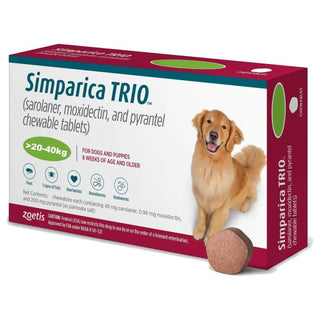
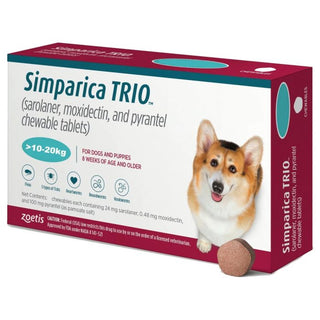


Not much to add. Dog tolerates it and price is good


Most pets use parasite preventives without developing serious neurological problems. Still, owners should know the possible warning signs before giving any flea or tick medication.
Yes, certain flea and tick medicines have been associated with seizures in some dogs and cats. The concern mainly involves the isoxazoline class of parasite preventives.
The FDA states that these products may be associated with neurological reactions, including muscle tremors, poor coordination, and seizures. However, the agency also considers them safe and effective for most pets. Seizures have been reported even in animals with no previous seizure history.
The answer to “Can Flea and Tick Medicine Cause Seizures?” depends on the product and the individual pet. A warning does not mean every animal will react, but a pet’s medical history should be considered before treatment.
Isoxazoline ingredients include:
These ingredients are found in products such as Bravecto, Credelio, NexGard, NexGard Plus, NexGard Combo, Simparica, Simparica Trio, and Revolution Plus.
Most dogs and cats use these medicines without neurological problems. The warning helps veterinarians and owners make a more informed choice for each pet.
For anyone asking “Can Flea and Tick Medicine Cause Seizures?”, the important point is that the risk can vary depending on the product and the pet’s health.
Speak with your veterinarian before starting a new treatment if your dog or cat:
Can Flea and Tick Medicine Cause Seizures in a pet with no known health problems? It is possible because the FDA notes that seizures may occur without a previous history.
However, toxins, low blood sugar, liver or kidney disease, head injuries, and epilepsy can also cause seizures. A veterinarian should assess the full situation rather than assuming the flea medicine is the only cause.
Contact a veterinarian promptly if your pet develops:
Write down the product name, active ingredients, strength, dose, your pet’s weight, and when the medicine was given. Bring the packaging to the veterinary clinic whenever possible.
Move nearby furniture and other objects away to reduce the risk of injury. Keep your hands away from your pet’s mouth; do not try to hold the tongue, and time the episode.
Take a video only when it is safe. A recording may help your veterinarian understand what happened.
Seek emergency veterinary care if the seizure continues for several minutes, happens repeatedly, or your pet does not recover normally. Cornell University advises immediate veterinary care when a seizure lasts more than five minutes because prolonged seizure activity can become life-threatening.
Do not give another dose or change products without veterinary advice. Suspected medication reactions can also be reported to the manufacturer or the FDA.
Flea and tick protection remains important because parasites can cause discomfort and spread disease. The goal is not to avoid every preventive but to choose one that suits your pet’s:
A pet with previous seizures may need a different active ingredient or another type of parasite control. Never use a dog product on a cat, divide one dose between multiple pets, or give more than the amount shown on the label.
Before giving flea and tick treatment:
After treatment, observe your pet for unusual behavior, tremors, weakness, or poor balance. Contact a veterinarian if something seems wrong rather than waiting for the symptoms to worsen.
A neurological reaction may occur after treatment, even if the pet previously used parasite prevention without a problem. Any first seizure should be discussed with a veterinarian so other possible causes can also be investigated.
Not automatically. Some topical products also contain an isoxazoline ingredient. Safety depends on the active ingredients, dosage, and individual pet.
Speak with your veterinarian first. They may recommend avoiding the same ingredient, changing the preventive, or examining your pet before giving another dose.
Can Flea and Tick Medicine Cause Seizures? Certain products may be associated with seizures or other neurological signs in some pets, although most treated animals do not experience these reactions.
Choosing the correct product, discussing your pet’s seizure history with a veterinarian, and responding quickly to unusual symptoms can help keep your pet protected.
Explore flea and tick prevention options at 79pets, and confirm with your veterinarian which treatment is appropriate for your dog or cat.
This article is provided for general educational purposes and is not a substitute for veterinary diagnosis or treatment.

Overall rating: 4.8 / 5 from 1134 reviews.
Not much to add. Dog tolerates it and price is good

This is the only flea medication that works for us where we live.

This on-line company is such a good find. They provide quality products at a good price with delivering them efficiently. Definitely recommend purchasing from them.

Items arrived on time and work great!

Love stronghold

Same product at a great price

Fast shipping great quality and price

We are happy with Heartgard Plus

I’ve been using Symperica Trio for a yr now. Love it. 79 pets ships fast and prices are more affordable. Thank You

Right after a haircut. 6 year old dashund/shih Tzu mix

Great deal on flea/tick. Helps take care of my pup
Stronghold Violet For Dogs 5-10lbs (2.6-5kg)

Two sweet girlies decided to make our deck their home. Mosquitoes are a big problem where we live and we had to get them protected. This was the best bang for the buck. I’ve ordered from 79Pets several times and while delivery is not fast it is very consistent.
Revolution Plus For Medium Cats 5.6-11 lbs (2.6-5kg)

As a retired veterinary technician I was extremely happy to finally see a flea and heartworm medication that actually does tapeworms too!!!!!!! This is a 1st to my knowledge....I live in a tropical climate where fleas never die so this is heaven sent.
Nexgard Combo For Cats 5.5-16.5 lbs (2.5-7.5 kg)

Great for free delivery worldwide and it took shorter time than I expected. Thanks
Simparica Trio For Dogs 5.6-11 lbs (2.5-5 kg)

My dog is excited to have her Advocate given every month! Great customer service and we're already a returned customer!
Advocate (Advantage Multi) For Small Dog Upto 4kg 8.8lbs (4kg)

Great price, authentic quality and reliable shipping. Shipping takes a bit longer, since it is being shipped from abroad. But still a reliable service.
NexGard & Heartgard (Green) Combo Dogs 24-60 lbs (10-25 kg)

79 pets has great service, they resolved my issue when I purchased by mistake . Thank you!
Simparica Trio For Dogs 22.1-44 lbs (10-20 kg)

Very happy with the price of Stronghold heart worm med for my dog. Seems to be working well.
Stronghold Teal For Dogs 44-88lbs (20-40kg)

My dog loves this product, never got any issue. Good price , deliver on time. We will definitely keep purchasing with 79 pets.com. Thanks!
Simparica Trio For Dogs 22.1-44 lbs (10-20 kg)

Great customer service! Would definitely purchase from them again!
Advocate (Advantage Multi) For Small Dog Upto 4kg 8.8lbs (4kg)

My fur babies love being protected from fleas!
Stronghold Blue For Cats 5.7-15.5lbs (2.6-7.5kg)

No more fleas! I love it and my pets love it!
Stronghold Teal For Dogs 44-88lbs (20-40kg)

I have 3 of these little rascals so Michigan flea/tick season can be financially brutal! Thank you for keeping NexGard so affordable.
NexGard Chew For Small Dogs 10-24lbs (4-10kg)

it is so easy to order
NexGard & Heartgard (Brown) Combo Dogs 60-121 lbs (25-50 kg)

I have no difficulty to give the tablet to my dog. I want my shipping to come faster by the way.
NexGard Spectra For Small Dog 8-16 lbs (3.5-7.5kg)

Stronghold Plus keep my baby safe
Stronghold Plus For Large Cats 11 lbs to 22 lbs (5-10kg)

Thank You 79pets
Stronghold Plus For Medium Cats 5.5 lbs to 11 lbs (2.5-5kg)

Advocate can only be found here n it's easier to order online. Thanks 79!
Advocate (Advantage Multi) For Cats Over 8.8lbs (4kg)

Great product and price. Shipping updates helped, since product comes from abroad. I would definitely recommend and use it again.
NexGard & Heartgard (Green) Combo Dogs 24-60 lbs (10-25 kg)

Easy to give!
NexGard Spectra For Small Dog 8-16 lbs (3.5-7.5kg)

Stronghold Plus does exactly what it was advertised for. Effective and best product. Would highly recommend Stronghold Plus.
Stronghold Plus For Cats 5.5 lbs to 11 lbs (2.5-5kg) 3 Pack

After Seresto collars failed to get rid of fleas, I didn't know where to turn. I saw a post on a page I follow (Kentucky Kitty Cats) saying that they use Nexgard Combo for the cats they shelter. I decided to try it and IT WORKS!
Nexgard Combo for Cats 5.5-16.5 lbs (2.5-7.5 kg)

My kitty love Revolution. One of the best product for flea & ticks. Good price will definitely recommend this website.
Revolution Plus For Medium Cats 5.6-11 lbs (2.6-5kg)

Tried this the first time and the correct medication was sent on time to me. Will definitely use this site again. Thanks!
Simparica Chewables For Very Small Dogs 5.6-11 lbs (2.5-5kg)

Happy Kitty
Revolution Plus For Medium Cats 5.6-11 lbs (2.6-5kg)

As described. Value for money
Nexgard Chew Red for Large Dogs Flea & Tick 60-121 lbs. (25-50kg)

This is Lexi Marie! She was wondering why mom was so excited for buying flea medicine. I explained to her that we saved $100 and that she would understand some day when she grows up.
Revolution Plus For Large Cats 11.1-22lbs (5-10kg)

Received on time. Thank You 79Pets
Nexgard Chew Red for Large Dogs Flea & Tick 60-121 lbs. (25-50kg)

Very good experience!
Revolution Plus For Large Cats 11.1-22lbs (5-10kg)

Last year, I made a visit to the vet. I told them that Kattie/cat had ear mites. They gave me an ointment costing $80canadian. I used it up and purchased another bottle. $160. total not including the cost of the vet visit. No results. The ear mites have been there for a long time. Canadian vets have control of what is sold in Pet stores and you cannot purchase off the shelf products not recognized by them. I jumped at the chance to purchase your produce with a recommended 100% effectivity. I was willing to try, but was suspicions. After a month there was still a little scratching but after 6 weeks, the mites are gone and the scratching is gone. Thank you very much for this mite solution. I recommend it heartily. Harry P.S. Do not tell the Canadian vets as they will outlaw your product.
Revolution Plus For Medium Cats 5.6-11 lbs (2.6-5kg)