

Not much to add. Dog tolerates it and price is good


A positive heartworm test can be surprising, especially when you have been giving your dog preventive medication regularly. Heartworm preventives provide strong protection, but no treatment can completely eliminate the risk of infection in every circumstance.
If your dog tested positive for heartworm while on prevention, there are several possible explanations. Some involve the timing of infection, while others may involve missed doses, medication administration, or, more rarely, resistant heartworms.
Heartworm disease spreads when an infected mosquito bites a dog and transmits heartworm larvae. Preventive medications primarily target immature stages of the parasite before they develop into adult heartworms.
Importantly, heartworm infection may not become detectable immediately. It generally takes about six months or longer after infection before testing can identify mature heartworms. This means a dog could have been infected months before receiving a positive result.
So, when a dog tested positive for heartworm while on prevention, the infection may actually have started before the current prevention schedule began.
One of the most important possibilities is that your dog became infected before starting heartworm prevention.
Heartworm preventives do not eliminate established adult heartworms. A dog can appear completely healthy while immature worms continue developing.
This is one reason veterinarians recommend testing dogs before starting or restarting heartworm prevention when appropriate.
Monthly heartworm medication needs to be administered according to its recommended schedule.
Even a lapse in protection can potentially allow heartworm larvae transmitted by mosquitoes to survive. If your dog tested positive for heartworm while on prevention, review the medication history and check whether any doses were forgotten or significantly delayed.
Setting monthly reminders or maintaining a treatment calendar can make staying on schedule easier.
Sometimes owners give the medication correctly, but the dog does not actually receive the complete dose.
For example, a dog may:
If your dog tested positive for heartworm while on prevention, tell your veterinarian about any vomiting, difficulty giving tablets, or other problems you remember after previous doses.
Starting prevention today cannot necessarily undo an infection that happened several months earlier.
A dog infected by a mosquito before beginning prevention could continue developing adult heartworms. The infection may only become detectable during a future heartworm test.
This delayed detection is one reason regular testing remains important even after a dog has started preventive treatment.
Some heartworm populations have demonstrated resistance to commonly used macrocyclic lactone preventive medications.
However, resistance should not automatically be assumed whenever a dog tested positive for heartworm while on prevention. Missed or delayed doses, incomplete administration, and infection before starting prevention are other important possibilities that should be investigated first.
Your veterinarian can review the dog’s medication history, travel history, and heartworm exposure risk.
Heartworm antigen tests are highly specific, but no diagnostic test is perfect.
When a dog receives an unexpected positive result, a veterinarian may perform additional testing. This can include repeating the antigen test using another testing method and checking the blood for microfilariae.
Confirmation is especially important before planning heartworm treatment.
Dogs should continue receiving routine heartworm testing even when prevention is given throughout the year.
Annual testing can identify an infection before serious heartworm disease develops. CAPC currently recommends annual testing using both heartworm antigen and microfilariae testing, including for dogs receiving preventive medication.
Dogs with particularly high mosquito exposure may sometimes require more frequent testing based on veterinary advice.
If your dog tested positive for heartworm while on prevention, contact your veterinarian rather than stopping, switching, or giving additional medication yourself.
Your veterinarian may:
Treatment should not be delayed unnecessarily because adult heartworms can progressively damage the heart, lungs, and associated blood vessels.
Do not discontinue your dog’s medication simply because of a positive result unless your veterinarian instructs you to do so.
Dogs undergoing heartworm treatment still need protection against new infections, but the exact medication and timing should be determined by the veterinarian managing the case.
Yes, although it is uncommon.
Heartworm preventives are extremely effective when the correct product and dose are administered consistently. However, no preventive medication is guaranteed to prevent every infection.
That is why heartworm protection involves both year-round prevention and regular testing, rather than relying on medication alone.
You can improve your dog’s protection by:
When purchasing parasite prevention products, choose trusted products appropriate for your dog’s species, age and weight, and always follow the product label and veterinary recommendations.
Finding out that your dog tested positive for heartworm while on prevention can be confusing, but it does not necessarily mean you did something wrong or that the medication simply stopped working. The infection may have started months earlier, there may have been a gap in protection, the full dose may not have been received, or, less commonly, resistant heartworms may be involved.
The most important step is to have the positive result evaluated promptly by your veterinarian. With appropriate testing and treatment, many heartworm-positive dogs can be successfully treated.
Consistent year-round prevention, correct dosing and routine heartworm testing remain the best ways to protect your dog.
Looking for parasite prevention for your dog? Explore the dog health and parasite-prevention range at 79pets.com, and choose products based on your veterinarian’s advice and the directions on the product label.

Overall rating: 4.8 / 5 from 1134 reviews.
Not much to add. Dog tolerates it and price is good

This is the only flea medication that works for us where we live.

This on-line company is such a good find. They provide quality products at a good price with delivering them efficiently. Definitely recommend purchasing from them.

Items arrived on time and work great!

Love stronghold

Same product at a great price

Fast shipping great quality and price

We are happy with Heartgard Plus

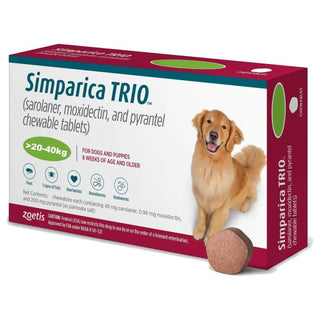
I’ve been using Symperica Trio for a yr now. Love it. 79 pets ships fast and prices are more affordable. Thank You

Right after a haircut. 6 year old dashund/shih Tzu mix

Great deal on flea/tick. Helps take care of my pup
Stronghold Violet For Dogs 5-10lbs (2.6-5kg)

Two sweet girlies decided to make our deck their home. Mosquitoes are a big problem where we live and we had to get them protected. This was the best bang for the buck. I’ve ordered from 79Pets several times and while delivery is not fast it is very consistent.
Revolution Plus For Medium Cats 5.6-11 lbs (2.6-5kg)

As a retired veterinary technician I was extremely happy to finally see a flea and heartworm medication that actually does tapeworms too!!!!!!! This is a 1st to my knowledge....I live in a tropical climate where fleas never die so this is heaven sent.
Nexgard Combo For Cats 5.5-16.5 lbs (2.5-7.5 kg)

Great for free delivery worldwide and it took shorter time than I expected. Thanks
Simparica Trio For Dogs 5.6-11 lbs (2.5-5 kg)

My dog is excited to have her Advocate given every month! Great customer service and we're already a returned customer!
Advocate (Advantage Multi) For Small Dog Upto 4kg 8.8lbs (4kg)

Great price, authentic quality and reliable shipping. Shipping takes a bit longer, since it is being shipped from abroad. But still a reliable service.
NexGard & Heartgard (Green) Combo Dogs 24-60 lbs (10-25 kg)

79 pets has great service, they resolved my issue when I purchased by mistake . Thank you!
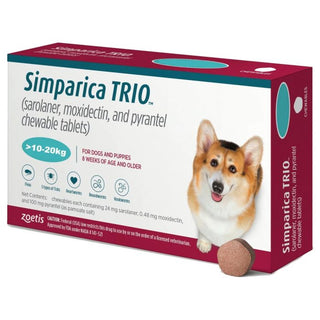
Simparica Trio For Dogs 22.1-44 lbs (10-20 kg)

Very happy with the price of Stronghold heart worm med for my dog. Seems to be working well.
Stronghold Teal For Dogs 44-88lbs (20-40kg)

My dog loves this product, never got any issue. Good price , deliver on time. We will definitely keep purchasing with 79 pets.com. Thanks!
Simparica Trio For Dogs 22.1-44 lbs (10-20 kg)

Great customer service! Would definitely purchase from them again!
Advocate (Advantage Multi) For Small Dog Upto 4kg 8.8lbs (4kg)

My fur babies love being protected from fleas!
Stronghold Blue For Cats 5.7-15.5lbs (2.6-7.5kg)

No more fleas! I love it and my pets love it!
Stronghold Teal For Dogs 44-88lbs (20-40kg)

I have 3 of these little rascals so Michigan flea/tick season can be financially brutal! Thank you for keeping NexGard so affordable.
NexGard Chew For Small Dogs 10-24lbs (4-10kg)

it is so easy to order
NexGard & Heartgard (Brown) Combo Dogs 60-121 lbs (25-50 kg)

I have no difficulty to give the tablet to my dog. I want my shipping to come faster by the way.
NexGard Spectra For Small Dog 8-16 lbs (3.5-7.5kg)

Stronghold Plus keep my baby safe
Stronghold Plus For Large Cats 11 lbs to 22 lbs (5-10kg)

Thank You 79pets
Stronghold Plus For Medium Cats 5.5 lbs to 11 lbs (2.5-5kg)

Advocate can only be found here n it's easier to order online. Thanks 79!
Advocate (Advantage Multi) For Cats Over 8.8lbs (4kg)

Great product and price. Shipping updates helped, since product comes from abroad. I would definitely recommend and use it again.
NexGard & Heartgard (Green) Combo Dogs 24-60 lbs (10-25 kg)

Easy to give!
NexGard Spectra For Small Dog 8-16 lbs (3.5-7.5kg)

Stronghold Plus does exactly what it was advertised for. Effective and best product. Would highly recommend Stronghold Plus.
Stronghold Plus For Cats 5.5 lbs to 11 lbs (2.5-5kg) 3 Pack

After Seresto collars failed to get rid of fleas, I didn't know where to turn. I saw a post on a page I follow (Kentucky Kitty Cats) saying that they use Nexgard Combo for the cats they shelter. I decided to try it and IT WORKS!
Nexgard Combo for Cats 5.5-16.5 lbs (2.5-7.5 kg)

My kitty love Revolution. One of the best product for flea & ticks. Good price will definitely recommend this website.
Revolution Plus For Medium Cats 5.6-11 lbs (2.6-5kg)

Tried this the first time and the correct medication was sent on time to me. Will definitely use this site again. Thanks!
Simparica Chewables For Very Small Dogs 5.6-11 lbs (2.5-5kg)

Happy Kitty
Revolution Plus For Medium Cats 5.6-11 lbs (2.6-5kg)

As described. Value for money
Nexgard Chew Red for Large Dogs Flea & Tick 60-121 lbs. (25-50kg)

This is Lexi Marie! She was wondering why mom was so excited for buying flea medicine. I explained to her that we saved $100 and that she would understand some day when she grows up.
Revolution Plus For Large Cats 11.1-22lbs (5-10kg)

Received on time. Thank You 79Pets
Nexgard Chew Red for Large Dogs Flea & Tick 60-121 lbs. (25-50kg)

Very good experience!
Revolution Plus For Large Cats 11.1-22lbs (5-10kg)

Last year, I made a visit to the vet. I told them that Kattie/cat had ear mites. They gave me an ointment costing $80canadian. I used it up and purchased another bottle. $160. total not including the cost of the vet visit. No results. The ear mites have been there for a long time. Canadian vets have control of what is sold in Pet stores and you cannot purchase off the shelf products not recognized by them. I jumped at the chance to purchase your produce with a recommended 100% effectivity. I was willing to try, but was suspicions. After a month there was still a little scratching but after 6 weeks, the mites are gone and the scratching is gone. Thank you very much for this mite solution. I recommend it heartily. Harry P.S. Do not tell the Canadian vets as they will outlaw your product.
Revolution Plus For Medium Cats 5.6-11 lbs (2.6-5kg)