

Not much to add. Dog tolerates it and price is good


Mosquitoes can expose puppies and adult dogs to a dangerous parasite with just one bite. Heartworm prevention for dogs helps eliminate immature larvae before they develop into adult worms that can damage the heart, lungs, and nearby blood vessels.
Early infection may cause few noticeable signs, so owners should not wait for coughing, tiredness, or breathing difficulty before acting. Starting at the correct age, keeping every dose on schedule, and arranging routine testing provide the strongest protection.
Heartworm disease is caused by Dirofilaria immitis, a parasite spread by infected mosquitoes. After larvae enter a dog’s body, they mature over several months and can settle around the heart, pulmonary arteries, and lungs.
An infected dog may eventually develop coughing, reduced stamina, weight loss, weakness, or breathing problems. Severe disease can lead to heart failure and life-threatening cardiovascular collapse. Because symptoms may appear only after the infection has progressed, prevention is safer and simpler than treating adult heartworms.
Puppies should begin heartworm prevention for dogs as early as the selected product label permits and no later than eight weeks of age. Some medicines can be used from 4 or 6 weeks, while others have later start ages or minimum weight requirements.
Very young puppies generally do not need a heartworm test before their first preventive because an infection takes several months to become detectable. Common guidance is to test about six months after prevention begins, again six months later, and annually after that.
A puppy’s dose is based on body weight rather than age. Since puppies can quickly move into a new weight range, check their weight regularly and confirm that the pack remains suitable.
Dogs older than 7 months should usually be tested before starting heartworm prevention if they have never received it, their medication history is unknown, or they have been unprotected for an extended period.
A negative result may not rule out a recent infection because heartworms need time to mature before routine tests can detect them. A veterinarian may therefore recommend repeat testing at approximately 6 and 12 months after prevention begins.
Do not restart leftover medicine without checking its expiry date, the dog’s current weight, and consulting a veterinarian.
Year-round heartworm prevention for dogs is recommended because mosquito activity can be difficult to predict. Warm weather may extend mosquito seasons, allow insects to survive in sheltered areas, and lead dogs to travel to places with greater exposure.
Stopping during colder months also increases the chance of forgetting to restart at the right time. Current veterinary parasite guidance recommends maintaining year-round parasite prevention.
Give monthly treatments on the same date each month. Long-acting injections should be scheduled before the current protection period ends.
Yes. Indoor living reduces some exposure but does not prevent mosquitoes from entering through doors, windows, balconies, or shared areas. Dogs may also encounter mosquitoes during short walks and toilet breaks.
One bite from a mosquito carrying heartworm larvae may be enough to infect a dog, so preventive decisions should not be based only on how much time the pet spends outdoors.
Annual testing remains important even when every dose appears to have been given correctly. A dog may spit out a chew, vomit shortly after taking it, receive an incorrect weight-based dose, or lose part of a topical application.
Veterinary guidance recommends annual antigen and microfilariae testing for all dogs, including those receiving prevention. Dogs with heavy or prolonged exposure to mosquitoes may need more frequent testing.
Routine screening supports heartworm prevention for dogs by identifying infections before advanced symptoms appear and allowing the veterinarian to review the dog’s weight and medication plan.
Do not give two doses together unless a veterinarian specifically instructs you to do so. Contact the clinic when:
The veterinarian may advise restarting protection and testing later because a recent infection may not yet be detectable.
Simple habits make heartworm prevention for dogs easier to maintain:
Watch your dog swallow oral medicine. For topical products, follow the label instructions regarding bathing, swimming, and contact with the application site.
Approved medicines work best when the correct product is given at the correct time. They should still be supported by regular veterinary care.
Yes. Puppies can be exposed whenever infected mosquitoes are present, which is why prevention should begin by the age allowed on the label and no later than eight weeks.
No herbal product, food, essential oil, or household remedy has been proven to replace an approved preventive. Some may also be unsafe for dogs.
The veterinarian may confirm the result, evaluate the severity of infection, and create a treatment plan. Do not change or continue medication without professional guidance.
Heartworm prevention for dogs should start early, continue year-round, and be supported by routine testing. Puppies need an age- and weight-appropriate product, while older dogs may require testing before starting or restarting medicine.
After your veterinarian recommends a suitable option, purchase the correct pack for your dog’s current weight and keep every dose on schedule. Explore trusted dog heartworm products at 79pets.com and order the next supply before the current one runs out.
This article provides general educational information and does not replace veterinary diagnosis, prescribing, or treatment. Product labels and approvals may vary by country.

Overall rating: 4.8 / 5 from 1134 reviews.
Not much to add. Dog tolerates it and price is good

This is the only flea medication that works for us where we live.

This on-line company is such a good find. They provide quality products at a good price with delivering them efficiently. Definitely recommend purchasing from them.

Items arrived on time and work great!

Love stronghold

Same product at a great price

Fast shipping great quality and price

We are happy with Heartgard Plus

I’ve been using Symperica Trio for a yr now. Love it. 79 pets ships fast and prices are more affordable. Thank You

Right after a haircut. 6 year old dashund/shih Tzu mix

Great deal on flea/tick. Helps take care of my pup
Stronghold Violet For Dogs 5-10lbs (2.6-5kg)

Two sweet girlies decided to make our deck their home. Mosquitoes are a big problem where we live and we had to get them protected. This was the best bang for the buck. I’ve ordered from 79Pets several times and while delivery is not fast it is very consistent.
Revolution Plus For Medium Cats 5.6-11 lbs (2.6-5kg)

As a retired veterinary technician I was extremely happy to finally see a flea and heartworm medication that actually does tapeworms too!!!!!!! This is a 1st to my knowledge....I live in a tropical climate where fleas never die so this is heaven sent.
Nexgard Combo For Cats 5.5-16.5 lbs (2.5-7.5 kg)

Great for free delivery worldwide and it took shorter time than I expected. Thanks
Simparica Trio For Dogs 5.6-11 lbs (2.5-5 kg)

My dog is excited to have her Advocate given every month! Great customer service and we're already a returned customer!
Advocate (Advantage Multi) For Small Dog Upto 4kg 8.8lbs (4kg)

Great price, authentic quality and reliable shipping. Shipping takes a bit longer, since it is being shipped from abroad. But still a reliable service.
NexGard & Heartgard (Green) Combo Dogs 24-60 lbs (10-25 kg)

79 pets has great service, they resolved my issue when I purchased by mistake . Thank you!
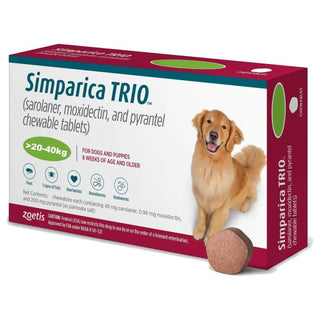
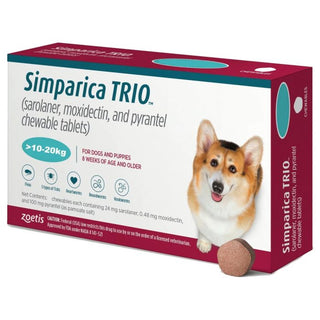
Simparica Trio For Dogs 22.1-44 lbs (10-20 kg)

Very happy with the price of Stronghold heart worm med for my dog. Seems to be working well.
Stronghold Teal For Dogs 44-88lbs (20-40kg)

My dog loves this product, never got any issue. Good price , deliver on time. We will definitely keep purchasing with 79 pets.com. Thanks!
Simparica Trio For Dogs 22.1-44 lbs (10-20 kg)

Great customer service! Would definitely purchase from them again!
Advocate (Advantage Multi) For Small Dog Upto 4kg 8.8lbs (4kg)

My fur babies love being protected from fleas!
Stronghold Blue For Cats 5.7-15.5lbs (2.6-7.5kg)

No more fleas! I love it and my pets love it!
Stronghold Teal For Dogs 44-88lbs (20-40kg)

I have 3 of these little rascals so Michigan flea/tick season can be financially brutal! Thank you for keeping NexGard so affordable.
NexGard Chew For Small Dogs 10-24lbs (4-10kg)

it is so easy to order
NexGard & Heartgard (Brown) Combo Dogs 60-121 lbs (25-50 kg)

I have no difficulty to give the tablet to my dog. I want my shipping to come faster by the way.
NexGard Spectra For Small Dog 8-16 lbs (3.5-7.5kg)

Stronghold Plus keep my baby safe
Stronghold Plus For Large Cats 11 lbs to 22 lbs (5-10kg)

Thank You 79pets
Stronghold Plus For Medium Cats 5.5 lbs to 11 lbs (2.5-5kg)

Advocate can only be found here n it's easier to order online. Thanks 79!
Advocate (Advantage Multi) For Cats Over 8.8lbs (4kg)

Great product and price. Shipping updates helped, since product comes from abroad. I would definitely recommend and use it again.
NexGard & Heartgard (Green) Combo Dogs 24-60 lbs (10-25 kg)

Easy to give!
NexGard Spectra For Small Dog 8-16 lbs (3.5-7.5kg)

Stronghold Plus does exactly what it was advertised for. Effective and best product. Would highly recommend Stronghold Plus.
Stronghold Plus For Cats 5.5 lbs to 11 lbs (2.5-5kg) 3 Pack

After Seresto collars failed to get rid of fleas, I didn't know where to turn. I saw a post on a page I follow (Kentucky Kitty Cats) saying that they use Nexgard Combo for the cats they shelter. I decided to try it and IT WORKS!
Nexgard Combo for Cats 5.5-16.5 lbs (2.5-7.5 kg)

My kitty love Revolution. One of the best product for flea & ticks. Good price will definitely recommend this website.
Revolution Plus For Medium Cats 5.6-11 lbs (2.6-5kg)

Tried this the first time and the correct medication was sent on time to me. Will definitely use this site again. Thanks!
Simparica Chewables For Very Small Dogs 5.6-11 lbs (2.5-5kg)

Happy Kitty
Revolution Plus For Medium Cats 5.6-11 lbs (2.6-5kg)

As described. Value for money
Nexgard Chew Red for Large Dogs Flea & Tick 60-121 lbs. (25-50kg)

This is Lexi Marie! She was wondering why mom was so excited for buying flea medicine. I explained to her that we saved $100 and that she would understand some day when she grows up.
Revolution Plus For Large Cats 11.1-22lbs (5-10kg)

Received on time. Thank You 79Pets
Nexgard Chew Red for Large Dogs Flea & Tick 60-121 lbs. (25-50kg)

Very good experience!
Revolution Plus For Large Cats 11.1-22lbs (5-10kg)

Last year, I made a visit to the vet. I told them that Kattie/cat had ear mites. They gave me an ointment costing $80canadian. I used it up and purchased another bottle. $160. total not including the cost of the vet visit. No results. The ear mites have been there for a long time. Canadian vets have control of what is sold in Pet stores and you cannot purchase off the shelf products not recognized by them. I jumped at the chance to purchase your produce with a recommended 100% effectivity. I was willing to try, but was suspicions. After a month there was still a little scratching but after 6 weeks, the mites are gone and the scratching is gone. Thank you very much for this mite solution. I recommend it heartily. Harry P.S. Do not tell the Canadian vets as they will outlaw your product.
Revolution Plus For Medium Cats 5.6-11 lbs (2.6-5kg)