These are my dogs Frankie, he’s 2 and Roxy, she’s 6! They are outside all the time and we have woods behind the house. They never get fleas or ticks or anything else! Very happy with this product.


Recovering from an illness does not always mean a dog is immediately ready to interact safely with other pets. Some infections can keep spreading even after coughing, diarrhea, fever, or other obvious signs improve.
How long is a dog contagious after an infectious disease? There is no single answer. The contagious period depends on the specific infection, how it spreads, the dog's immune response, and whether treatment has been effective. Some diseases are contagious for only a short period, while others may be transmitted for days or even weeks.
Different infectious organisms behave differently inside the body. Viruses, bacteria, fungi, and parasites can all have their own transmission patterns.
A dog's contagious period may depend on:
Importantly, a dog may sometimes spread an infection before symptoms appear or after visible symptoms disappear.
To understand how long a dog is contagious after an infectious disease, you must identify the illness involved.
Dogs with infectious respiratory diseases may spread pathogens through coughing, sneezing, nasal secretions, or close contact. Depending on the organism involved, a dog may remain infectious even after the cough begins to improve.
Parvovirus spreads primarily through infected feces and contaminated environments. Dogs recovering from parvovirus can continue shedding the virus after clinical recovery, and the virus can survive in contaminated environments for a long time.
Distemper can spread through respiratory secretions and other bodily fluids. Infected dogs may shed the virus for an extended period, so veterinary guidance is particularly important before allowing contact with other dogs.
Diseases such as leptospirosis, brucellosis, and some intestinal bacterial infections have different shedding periods. Treatment does not necessarily mean transmission risk disappears immediately.
Not necessarily.
A dog that has stopped coughing, vomiting, or having diarrhea may still be shedding an infectious organism. Allowing contact with other pets too soon could expose them to infection.
Instead of relying only on visible recovery, ask your veterinarian when your dog can safely return to daycare, boarding, grooming, training classes, dog parks, or other multi-dog environments.
If your veterinarian recommends isolation, keep the recovering dog away from other animals for the advised period.
During recovery, it may also help to clean food and water bowls, wash bedding, remove feces promptly, and disinfect surfaces as needed. The correct cleaning method depends on the disease because some infectious organisms survive in the environment longer than others.
Avoid sharing bowls, toys, bedding, or grooming equipment with other pets until your veterinarian says normal interaction can resume.
Vaccination can help protect dogs against several serious infectious diseases, although the recommended vaccines depend on age, lifestyle, location, and individual risk.
Routine parasite protection and good hygiene are also important parts of preventive pet care. At 79Pets, dog owners can compare parasite-control and pet-care products based on their dog's needs. Always follow product instructions and your veterinarian's recommendations.
Contact your veterinarian if symptoms return or your dog develops persistent coughing, breathing difficulty, vomiting, diarrhea, fever, severe tiredness, loss of appetite, or unusual discharge.
If you have other dogs at home, tell your veterinarian about them, too. They may recommend monitoring, testing, vaccination review, or other precautions depending on the infection.
How long is a dog contagious after an infectious disease? The answer can range from days to weeks or longer depending on the particular infection. A dog appearing healthy again does not always mean the risk of transmission has ended.
Follow your veterinarian's recommended isolation period rather than deciding based solely on symptoms. This can help protect other dogs while giving your pet enough time to recover safely.
Overall rating: 4.8 / 5 from 1136 reviews.
These are my dogs Frankie, he’s 2 and Roxy, she’s 6! They are outside all the time and we have woods behind the house. They never get fleas or ticks or anything else! Very happy with this product.

Not much to add. Dog tolerates it and price is good

This is the only flea medication that works for us where we live.

This on-line company is such a good find. They provide quality products at a good price with delivering them efficiently. Definitely recommend purchasing from them.

Items arrived on time and work great!

Love stronghold

Same product at a great price

Fast shipping great quality and price

We are happy with Heartgard Plus

I’ve been using Symperica Trio for a yr now. Love it. 79 pets ships fast and prices are more affordable. Thank You

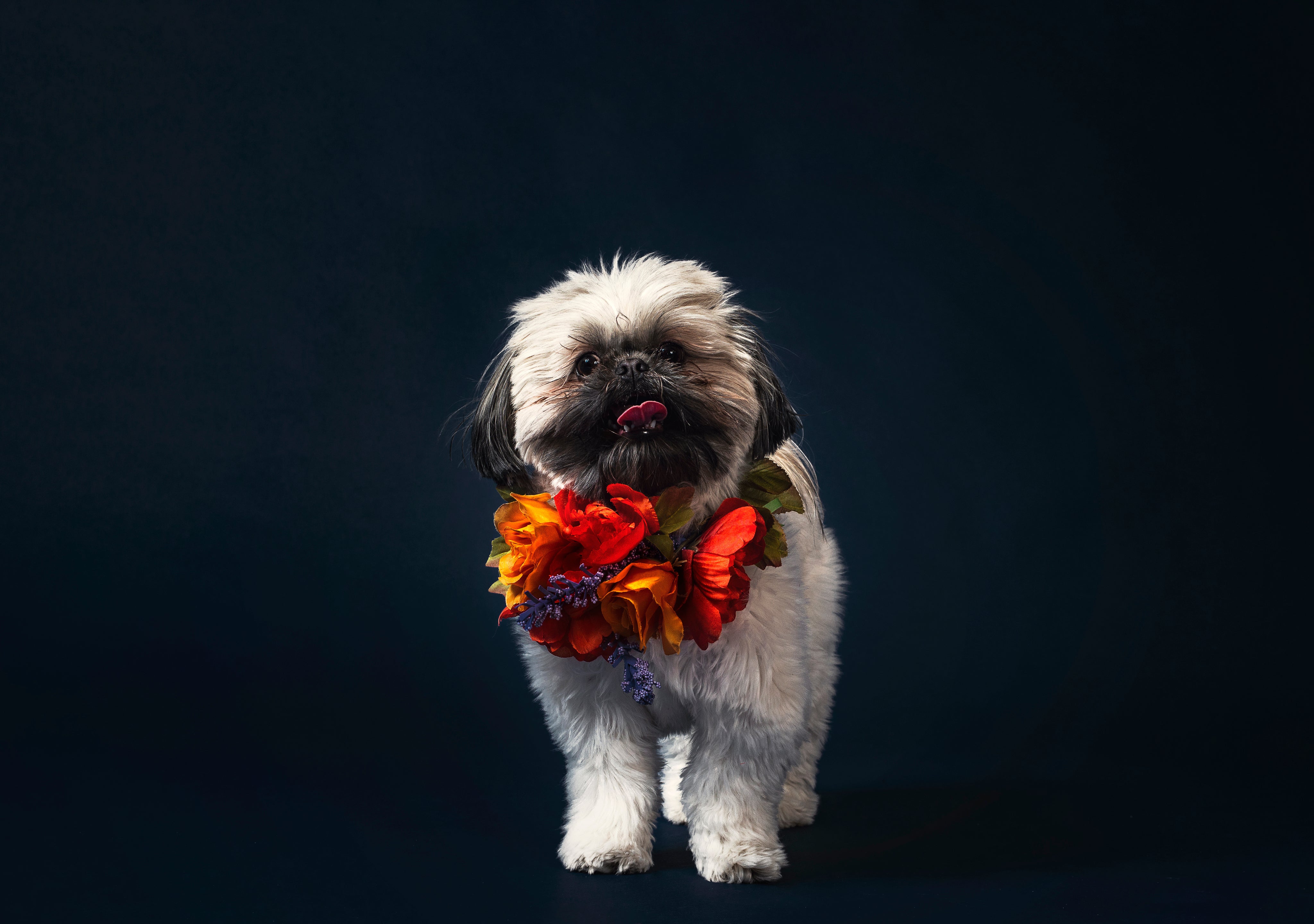
Right after a haircut. 6 year old dashund/shih Tzu mix

Great deal on flea/tick. Helps take care of my pup
Stronghold Violet For Dogs 5-10lbs (2.6-5kg)

Two sweet girlies decided to make our deck their home. Mosquitoes are a big problem where we live and we had to get them protected. This was the best bang for the buck. I’ve ordered from 79Pets several times and while delivery is not fast it is very consistent.
Revolution Plus For Medium Cats 5.6-11 lbs (2.6-5kg)

As a retired veterinary technician I was extremely happy to finally see a flea and heartworm medication that actually does tapeworms too!!!!!!! This is a 1st to my knowledge....I live in a tropical climate where fleas never die so this is heaven sent.
Nexgard Combo For Cats 5.5-16.5 lbs (2.5-7.5 kg)

Great for free delivery worldwide and it took shorter time than I expected. Thanks
Simparica Trio For Dogs 5.6-11 lbs (2.5-5 kg)

My dog is excited to have her Advocate given every month! Great customer service and we're already a returned customer!
Advocate (Advantage Multi) For Small Dog Upto 4kg 8.8lbs (4kg)

Great price, authentic quality and reliable shipping. Shipping takes a bit longer, since it is being shipped from abroad. But still a reliable service.
NexGard & Heartgard (Green) Combo Dogs 24-60 lbs (10-25 kg)

79 pets has great service, they resolved my issue when I purchased by mistake . Thank you!
Simparica Trio For Dogs 22.1-44 lbs (10-20 kg)

Very happy with the price of Stronghold heart worm med for my dog. Seems to be working well.
Stronghold Teal For Dogs 44-88lbs (20-40kg)

My dog loves this product, never got any issue. Good price , deliver on time. We will definitely keep purchasing with 79 pets.com. Thanks!
Simparica Trio For Dogs 22.1-44 lbs (10-20 kg)

Great customer service! Would definitely purchase from them again!
Advocate (Advantage Multi) For Small Dog Upto 4kg 8.8lbs (4kg)

My fur babies love being protected from fleas!
Stronghold Blue For Cats 5.7-15.5lbs (2.6-7.5kg)

No more fleas! I love it and my pets love it!
Stronghold Teal For Dogs 44-88lbs (20-40kg)

I have 3 of these little rascals so Michigan flea/tick season can be financially brutal! Thank you for keeping NexGard so affordable.
NexGard Chew For Small Dogs 10-24lbs (4-10kg)

it is so easy to order
NexGard & Heartgard (Brown) Combo Dogs 60-121 lbs (25-50 kg)

I have no difficulty to give the tablet to my dog. I want my shipping to come faster by the way.
NexGard Spectra For Small Dog 8-16 lbs (3.5-7.5kg)

Stronghold Plus keep my baby safe
Stronghold Plus For Large Cats 11 lbs to 22 lbs (5-10kg)

Thank You 79pets
Stronghold Plus For Medium Cats 5.5 lbs to 11 lbs (2.5-5kg)

Advocate can only be found here n it's easier to order online. Thanks 79!
Advocate (Advantage Multi) For Cats Over 8.8lbs (4kg)

Great product and price. Shipping updates helped, since product comes from abroad. I would definitely recommend and use it again.
NexGard & Heartgard (Green) Combo Dogs 24-60 lbs (10-25 kg)

Easy to give!
NexGard Spectra For Small Dog 8-16 lbs (3.5-7.5kg)

Stronghold Plus does exactly what it was advertised for. Effective and best product. Would highly recommend Stronghold Plus.
Stronghold Plus For Cats 5.5 lbs to 11 lbs (2.5-5kg) 3 Pack

After Seresto collars failed to get rid of fleas, I didn't know where to turn. I saw a post on a page I follow (Kentucky Kitty Cats) saying that they use Nexgard Combo for the cats they shelter. I decided to try it and IT WORKS!
Nexgard Combo for Cats 5.5-16.5 lbs (2.5-7.5 kg)

My kitty love Revolution. One of the best product for flea & ticks. Good price will definitely recommend this website.
Revolution Plus For Medium Cats 5.6-11 lbs (2.6-5kg)

Tried this the first time and the correct medication was sent on time to me. Will definitely use this site again. Thanks!
Simparica Chewables For Very Small Dogs 5.6-11 lbs (2.5-5kg)

Happy Kitty
Revolution Plus For Medium Cats 5.6-11 lbs (2.6-5kg)

As described. Value for money
Nexgard Chew Red for Large Dogs Flea & Tick 60-121 lbs. (25-50kg)

This is Lexi Marie! She was wondering why mom was so excited for buying flea medicine. I explained to her that we saved $100 and that she would understand some day when she grows up.
Revolution Plus For Large Cats 11.1-22lbs (5-10kg)

Received on time. Thank You 79Pets
Nexgard Chew Red for Large Dogs Flea & Tick 60-121 lbs. (25-50kg)

Very good experience!
Revolution Plus For Large Cats 11.1-22lbs (5-10kg)