These are my dogs Frankie, he’s 2 and Roxy, she’s 6! They are outside all the time and we have woods behind the house. They never get fleas or ticks or anything else! Very happy with this product.


Dogs sometimes encounter harmful bacteria through food, water, or contaminated surroundings. Some develop digestive problems, while others appear completely healthy despite carrying bacteria that can spread to other animals or people.
Dogs can become infected with or carry Salmonella, which may cause digestive problems such as diarrhea, vomiting, and abdominal discomfort. Understanding how dogs become infected, recognizing warning signs, and practicing good hygiene can help protect your pet and household.
Dogs may become exposed to Salmonella bacteria through contaminated food, water, or environments.
Common sources include:
Raw pet food deserves particular attention because it can contain harmful bacteria even when it looks and smells normal.
Yes. Some infected dogs remain active, eat normally, and show no noticeable signs of illness.
However, these dogs may still shed bacteria in their feces, potentially contaminating shared environments.
This makes Salmonella in dogs an important consideration for households with children, older adults, or people with weakened immune systems.
When illness develops, symptoms commonly affect the digestive system.
Possible warning signs include:
Dogs and puppies with weakened immune systems are more susceptible to serious illness and may experience more severe health complications.
Yes. Salmonella is a zoonotic bacterium, meaning it can spread between animals and humans.
People may become infected after accidentally swallowing bacteria transferred from contaminated feces, pet food, bowls, hands, or household surfaces.
Human symptoms may include diarrhea, fever, stomach cramps, and nausea.
Importantly, a dog does not need to appear sick to shed the bacteria.
Always wash your hands with soap and water after disposing of dog waste, handling pet food, or washing your pet’s bowls and feeding surfaces.
Your veterinarian may recommend stool testing if they suspect a bacterial infection.
Fecal culture or PCR testing can help detect Salmonella. However, a positive result does not always mean the bacteria are responsible for a dog’s symptoms.
Veterinarians consider test findings alongside the dog’s medical history, symptoms, and other possible causes of digestive illness.
Treatment depends on the infection's severity.
Dogs with mild illness may recover with appropriate supportive care, including hydration, nutritional support, and monitoring.
More serious cases may require veterinary hospitalization and intravenous fluids.
Veterinarians generally reserve antibiotics for selected severe or systemic infections because unnecessary use can contribute to antibiotic resistance and does not always improve uncomplicated cases.
Never give your dog human antibiotics or leftover medication without veterinary instructions.
Reducing exposure to contaminated food and environments is essential.
Helpful precautions include:
If your dog develops diarrhea, limit close contact with other pets until your veterinarian advises that normal activities can resume.
Good hygiene, appropriate nutrition, and regular veterinary care support your dog’s overall well-being.
At 79Pets, you can explore dog deworming, flea, tick, and other parasite-control products suited to your pet’s age, weight, and individual needs.
Explore dog preventive-care products at 79Pets.
Remember that dewormers and flea or tick treatments do not prevent or cure Salmonella infection. They address different health risks.
Contact your veterinarian if your dog develops ongoing diarrhea, blood in the stool, frequent vomiting, fever, loss of appetite, or unexplained weakness.
Puppies, senior dogs, and pets showing signs of dehydration should receive prompt attention.
Salmonella in dogs can cause digestive illness, but some infected dogs show no obvious symptoms and still shed bacteria.
Safe food handling, good household hygiene, and timely veterinary care help reduce infection risks.
These everyday precautions can help protect both your dog and the people who share your home.
Overall rating: 4.8 / 5 from 1136 reviews.
These are my dogs Frankie, he’s 2 and Roxy, she’s 6! They are outside all the time and we have woods behind the house. They never get fleas or ticks or anything else! Very happy with this product.

Not much to add. Dog tolerates it and price is good

This is the only flea medication that works for us where we live.

This on-line company is such a good find. They provide quality products at a good price with delivering them efficiently. Definitely recommend purchasing from them.

Items arrived on time and work great!

Love stronghold

Same product at a great price

Fast shipping great quality and price

We are happy with Heartgard Plus

I’ve been using Symperica Trio for a yr now. Love it. 79 pets ships fast and prices are more affordable. Thank You

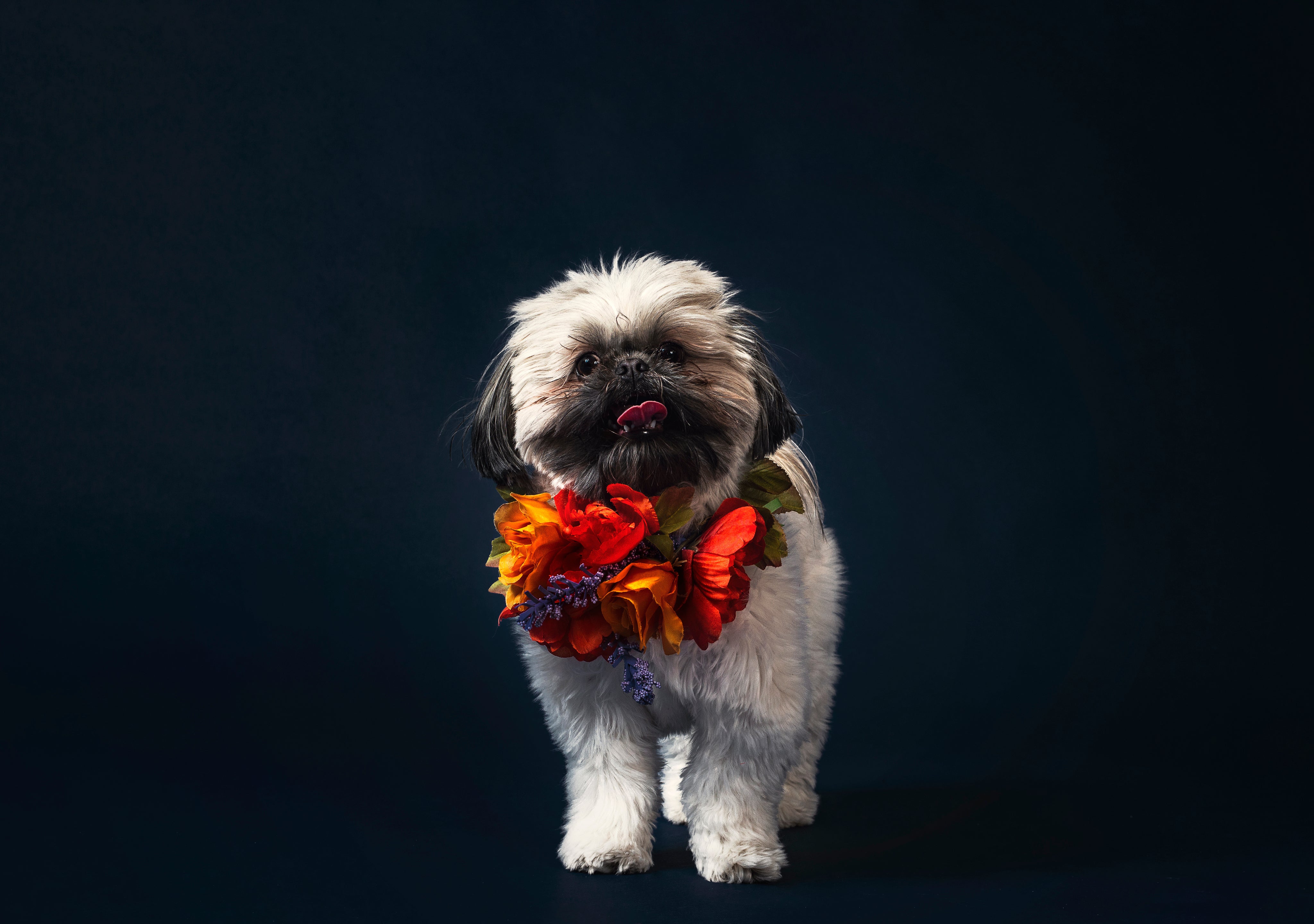
Right after a haircut. 6 year old dashund/shih Tzu mix

Great deal on flea/tick. Helps take care of my pup
Stronghold Violet For Dogs 5-10lbs (2.6-5kg)

Two sweet girlies decided to make our deck their home. Mosquitoes are a big problem where we live and we had to get them protected. This was the best bang for the buck. I’ve ordered from 79Pets several times and while delivery is not fast it is very consistent.
Revolution Plus For Medium Cats 5.6-11 lbs (2.6-5kg)

As a retired veterinary technician I was extremely happy to finally see a flea and heartworm medication that actually does tapeworms too!!!!!!! This is a 1st to my knowledge....I live in a tropical climate where fleas never die so this is heaven sent.
Nexgard Combo For Cats 5.5-16.5 lbs (2.5-7.5 kg)

Great for free delivery worldwide and it took shorter time than I expected. Thanks
Simparica Trio For Dogs 5.6-11 lbs (2.5-5 kg)

My dog is excited to have her Advocate given every month! Great customer service and we're already a returned customer!
Advocate (Advantage Multi) For Small Dog Upto 4kg 8.8lbs (4kg)

Great price, authentic quality and reliable shipping. Shipping takes a bit longer, since it is being shipped from abroad. But still a reliable service.
NexGard & Heartgard (Green) Combo Dogs 24-60 lbs (10-25 kg)

79 pets has great service, they resolved my issue when I purchased by mistake . Thank you!
Simparica Trio For Dogs 22.1-44 lbs (10-20 kg)

Very happy with the price of Stronghold heart worm med for my dog. Seems to be working well.
Stronghold Teal For Dogs 44-88lbs (20-40kg)

My dog loves this product, never got any issue. Good price , deliver on time. We will definitely keep purchasing with 79 pets.com. Thanks!
Simparica Trio For Dogs 22.1-44 lbs (10-20 kg)

Great customer service! Would definitely purchase from them again!
Advocate (Advantage Multi) For Small Dog Upto 4kg 8.8lbs (4kg)

My fur babies love being protected from fleas!
Stronghold Blue For Cats 5.7-15.5lbs (2.6-7.5kg)

No more fleas! I love it and my pets love it!
Stronghold Teal For Dogs 44-88lbs (20-40kg)

I have 3 of these little rascals so Michigan flea/tick season can be financially brutal! Thank you for keeping NexGard so affordable.
NexGard Chew For Small Dogs 10-24lbs (4-10kg)

it is so easy to order
NexGard & Heartgard (Brown) Combo Dogs 60-121 lbs (25-50 kg)

I have no difficulty to give the tablet to my dog. I want my shipping to come faster by the way.
NexGard Spectra For Small Dog 8-16 lbs (3.5-7.5kg)

Stronghold Plus keep my baby safe
Stronghold Plus For Large Cats 11 lbs to 22 lbs (5-10kg)

Thank You 79pets
Stronghold Plus For Medium Cats 5.5 lbs to 11 lbs (2.5-5kg)

Advocate can only be found here n it's easier to order online. Thanks 79!
Advocate (Advantage Multi) For Cats Over 8.8lbs (4kg)

Great product and price. Shipping updates helped, since product comes from abroad. I would definitely recommend and use it again.
NexGard & Heartgard (Green) Combo Dogs 24-60 lbs (10-25 kg)

Easy to give!
NexGard Spectra For Small Dog 8-16 lbs (3.5-7.5kg)

Stronghold Plus does exactly what it was advertised for. Effective and best product. Would highly recommend Stronghold Plus.
Stronghold Plus For Cats 5.5 lbs to 11 lbs (2.5-5kg) 3 Pack

After Seresto collars failed to get rid of fleas, I didn't know where to turn. I saw a post on a page I follow (Kentucky Kitty Cats) saying that they use Nexgard Combo for the cats they shelter. I decided to try it and IT WORKS!
Nexgard Combo for Cats 5.5-16.5 lbs (2.5-7.5 kg)

My kitty love Revolution. One of the best product for flea & ticks. Good price will definitely recommend this website.
Revolution Plus For Medium Cats 5.6-11 lbs (2.6-5kg)

Tried this the first time and the correct medication was sent on time to me. Will definitely use this site again. Thanks!
Simparica Chewables For Very Small Dogs 5.6-11 lbs (2.5-5kg)

Happy Kitty
Revolution Plus For Medium Cats 5.6-11 lbs (2.6-5kg)

As described. Value for money
Nexgard Chew Red for Large Dogs Flea & Tick 60-121 lbs. (25-50kg)

This is Lexi Marie! She was wondering why mom was so excited for buying flea medicine. I explained to her that we saved $100 and that she would understand some day when she grows up.
Revolution Plus For Large Cats 11.1-22lbs (5-10kg)

Received on time. Thank You 79Pets
Nexgard Chew Red for Large Dogs Flea & Tick 60-121 lbs. (25-50kg)

Very good experience!
Revolution Plus For Large Cats 11.1-22lbs (5-10kg)