These are my dogs Frankie, he’s 2 and Roxy, she’s 6! They are outside all the time and we have woods behind the house. They never get fleas or ticks or anything else! Very happy with this product.


Halloween brings costumes, decorations, candy, and unexpected visitors. While these celebrations can be exciting for families, they may create hidden dangers for pets.
A few simple Halloween safety tips can help protect your furry companion from harmful treats, stressful situations, and household accidents.
Chocolate is toxic to dogs, and sugar-free sweets containing xylitol can cause life-threatening poisoning.
Candy wrappers can also create choking hazards or intestinal blockages if swallowed.
Safety tip: Store Halloween treats in sealed containers beyond your dog’s reach. If your dog eats chocolate, xylitol, or another potentially harmful treat, contact a veterinarian immediately.
Halloween costumes can make your dog look adorable, but some pets may feel uncomfortable or stressed when dressed up.
Choose an outfit that:
If your dog seems uncomfortable, anxious, or keeps trying to remove the costume, skip the outfit. A simple festive bandana may be a better alternative.
Frequent doorbell ringing, unfamiliar costumes, and excited visitors can overwhelm some dogs.
One of the most useful Halloween safety tips for dogs is to create a quiet resting area away from the front door.
Provide familiar bedding, fresh water, and a favorite toy. Keep your dog away from crowded entrances to reduce the risk of accidental escapes.
Pumpkins, candles, electrical cords, and hanging decorations may attract curious dogs.
Keep lit candles out of reach, secure electrical cables, and avoid decorations with small pieces your dog could swallow.
Battery-operated candles are generally safer than open flames, but batteries must also remain inaccessible to pets.
Halloween evenings can bring crowded streets, loud noises, and unusual costumes.
Use a properly fitted collar or harness with a secure leash. Make sure your dog’s ID tag and microchip registration details are up to date.
Reflective accessories or a pet-safe light can also improve visibility during evening walks.
Your dog does not need Halloween candy to enjoy the celebration.
Choose dog-specific treats and offer them in moderation. Avoid sharing chocolate, sweets containing xylitol, raisins, or other unsafe human snacks.
For dogs with sensitive stomachs, familiar treats are often the safest choice.
Halloween celebrations should not interrupt your dog’s regular health routine.
Along with these Halloween safety tips, continue appropriate flea, tick, and worm prevention as your veterinarian recommends.
At 79Pets, you can explore dog flea, tick, and deworming products to help maintain your pet’s routine parasite protection.
Explore dog parasite protection at 79Pets and choose products suited to your dog’s weight, age, and individual needs.
Remember that parasite-control products do not prevent Halloween-related poisoning, injuries, or anxiety.
Seek immediate veterinary advice if your dog swallows something potentially toxic, experiences breathing difficulties, develops repeated vomiting, has a seizure, or appears unusually weak.
Never attempt to make your dog vomit without first receiving clear instructions from a veterinarian.
Halloween can be enjoyable for both you and your dog with a little preparation.
Following these Halloween safety tips for dogs can help protect your pet from toxic treats, uncomfortable costumes, frightening situations, and potential dangers around the home.
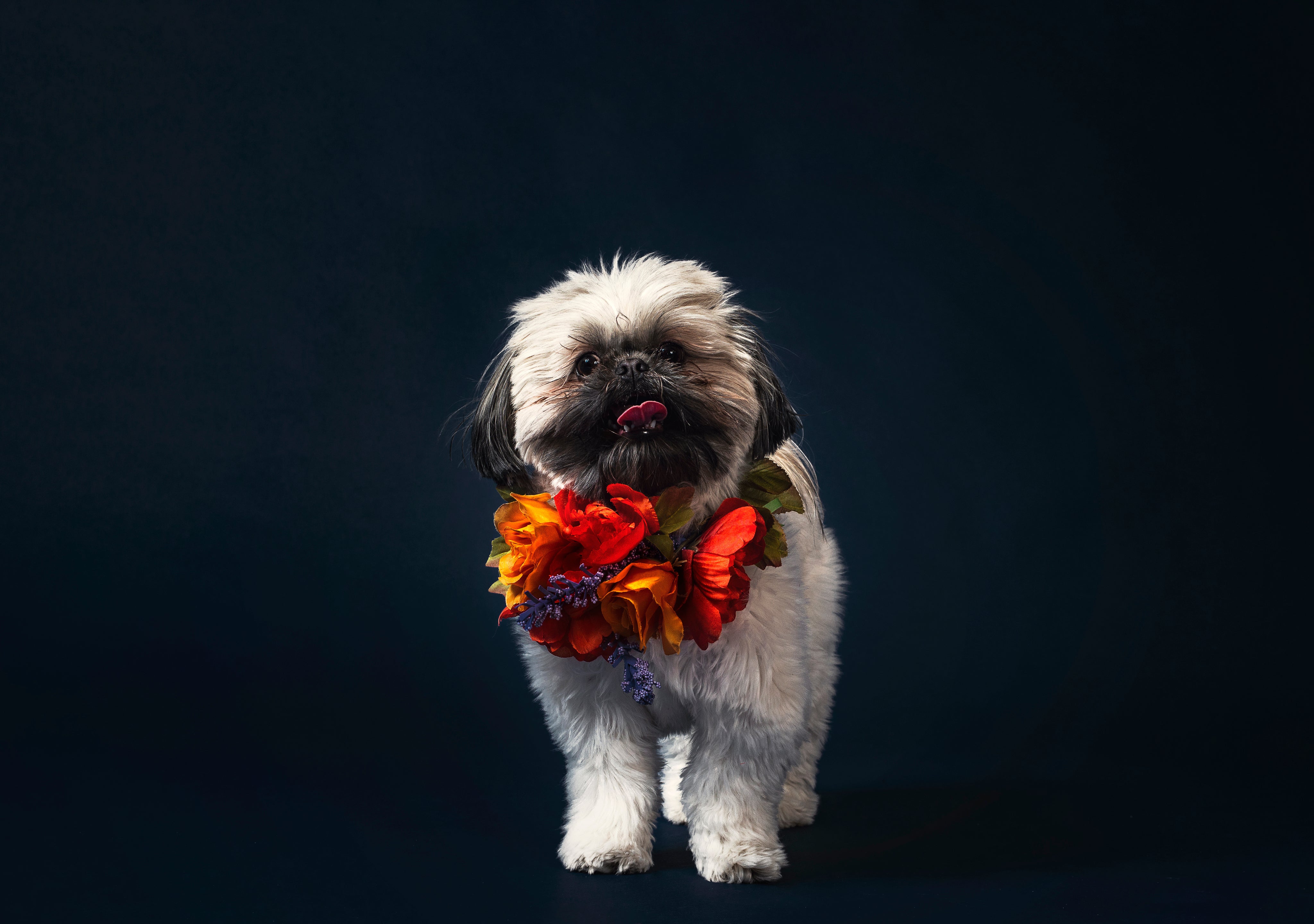
A safe, relaxed dog matters more than any costume or Halloween photo.
Overall rating: 4.8 / 5 from 1136 reviews.
These are my dogs Frankie, he’s 2 and Roxy, she’s 6! They are outside all the time and we have woods behind the house. They never get fleas or ticks or anything else! Very happy with this product.

Not much to add. Dog tolerates it and price is good

This is the only flea medication that works for us where we live.

This on-line company is such a good find. They provide quality products at a good price with delivering them efficiently. Definitely recommend purchasing from them.

Items arrived on time and work great!

Love stronghold

Same product at a great price

Fast shipping great quality and price

We are happy with Heartgard Plus

I’ve been using Symperica Trio for a yr now. Love it. 79 pets ships fast and prices are more affordable. Thank You

Right after a haircut. 6 year old dashund/shih Tzu mix

Great deal on flea/tick. Helps take care of my pup
Stronghold Violet For Dogs 5-10lbs (2.6-5kg)

Two sweet girlies decided to make our deck their home. Mosquitoes are a big problem where we live and we had to get them protected. This was the best bang for the buck. I’ve ordered from 79Pets several times and while delivery is not fast it is very consistent.
Revolution Plus For Medium Cats 5.6-11 lbs (2.6-5kg)

As a retired veterinary technician I was extremely happy to finally see a flea and heartworm medication that actually does tapeworms too!!!!!!! This is a 1st to my knowledge....I live in a tropical climate where fleas never die so this is heaven sent.
Nexgard Combo For Cats 5.5-16.5 lbs (2.5-7.5 kg)

Great for free delivery worldwide and it took shorter time than I expected. Thanks
Simparica Trio For Dogs 5.6-11 lbs (2.5-5 kg)

My dog is excited to have her Advocate given every month! Great customer service and we're already a returned customer!
Advocate (Advantage Multi) For Small Dog Upto 4kg 8.8lbs (4kg)

Great price, authentic quality and reliable shipping. Shipping takes a bit longer, since it is being shipped from abroad. But still a reliable service.
NexGard & Heartgard (Green) Combo Dogs 24-60 lbs (10-25 kg)

79 pets has great service, they resolved my issue when I purchased by mistake . Thank you!
Simparica Trio For Dogs 22.1-44 lbs (10-20 kg)

Very happy with the price of Stronghold heart worm med for my dog. Seems to be working well.
Stronghold Teal For Dogs 44-88lbs (20-40kg)

My dog loves this product, never got any issue. Good price , deliver on time. We will definitely keep purchasing with 79 pets.com. Thanks!
Simparica Trio For Dogs 22.1-44 lbs (10-20 kg)

Great customer service! Would definitely purchase from them again!
Advocate (Advantage Multi) For Small Dog Upto 4kg 8.8lbs (4kg)

My fur babies love being protected from fleas!
Stronghold Blue For Cats 5.7-15.5lbs (2.6-7.5kg)

No more fleas! I love it and my pets love it!
Stronghold Teal For Dogs 44-88lbs (20-40kg)

I have 3 of these little rascals so Michigan flea/tick season can be financially brutal! Thank you for keeping NexGard so affordable.
NexGard Chew For Small Dogs 10-24lbs (4-10kg)

it is so easy to order
NexGard & Heartgard (Brown) Combo Dogs 60-121 lbs (25-50 kg)

I have no difficulty to give the tablet to my dog. I want my shipping to come faster by the way.
NexGard Spectra For Small Dog 8-16 lbs (3.5-7.5kg)

Stronghold Plus keep my baby safe
Stronghold Plus For Large Cats 11 lbs to 22 lbs (5-10kg)

Thank You 79pets
Stronghold Plus For Medium Cats 5.5 lbs to 11 lbs (2.5-5kg)

Advocate can only be found here n it's easier to order online. Thanks 79!
Advocate (Advantage Multi) For Cats Over 8.8lbs (4kg)

Great product and price. Shipping updates helped, since product comes from abroad. I would definitely recommend and use it again.
NexGard & Heartgard (Green) Combo Dogs 24-60 lbs (10-25 kg)

Easy to give!
NexGard Spectra For Small Dog 8-16 lbs (3.5-7.5kg)

Stronghold Plus does exactly what it was advertised for. Effective and best product. Would highly recommend Stronghold Plus.
Stronghold Plus For Cats 5.5 lbs to 11 lbs (2.5-5kg) 3 Pack

After Seresto collars failed to get rid of fleas, I didn't know where to turn. I saw a post on a page I follow (Kentucky Kitty Cats) saying that they use Nexgard Combo for the cats they shelter. I decided to try it and IT WORKS!
Nexgard Combo for Cats 5.5-16.5 lbs (2.5-7.5 kg)

My kitty love Revolution. One of the best product for flea & ticks. Good price will definitely recommend this website.
Revolution Plus For Medium Cats 5.6-11 lbs (2.6-5kg)

Tried this the first time and the correct medication was sent on time to me. Will definitely use this site again. Thanks!
Simparica Chewables For Very Small Dogs 5.6-11 lbs (2.5-5kg)

Happy Kitty
Revolution Plus For Medium Cats 5.6-11 lbs (2.6-5kg)

As described. Value for money
Nexgard Chew Red for Large Dogs Flea & Tick 60-121 lbs. (25-50kg)

This is Lexi Marie! She was wondering why mom was so excited for buying flea medicine. I explained to her that we saved $100 and that she would understand some day when she grows up.
Revolution Plus For Large Cats 11.1-22lbs (5-10kg)

Received on time. Thank You 79Pets
Nexgard Chew Red for Large Dogs Flea & Tick 60-121 lbs. (25-50kg)

Very good experience!
Revolution Plus For Large Cats 11.1-22lbs (5-10kg)