

Not much to add. Dog tolerates it and price is good


Peas are a common vegetable in human diets, but can dogs eat them safely? Many dog owners want to know if peas are a healthy option. This blog will clearly explain the benefits and risks of feeding peas to dogs, how to serve them, and what to avoid for your dog's health.
Peas are small, green legumes that are rich in vitamins, minerals, and fiber. They are a staple in many diets around the world and commonly found in frozen mixes, soups, salads, and snacks. For dogs, peas could be a nutritious treat — but only when given properly.
Peas come in different varieties:
Each of these is generally safe for dogs in moderation, but preparation and serving methods matter.
Yes — dogs can eat peas, and in many cases, they can be a healthy addition to your dog’s diet. Peas can provide nutrients that support your dog’s overall health. However, like all foods outside of a dog’s regular diet, peas should be given in moderation and prepared safely.
Dogs have different digestive systems from ours, so foods that are healthy for us may not suit them. Peas are generally safe when served in moderation.
Not all peas are created equal, especially once they’re processed or seasoned. Here’s a breakdown of common pea varieties and their safety for dogs.
Plain frozen peas are safe if unseasoned. Serve cooked, thawed, or frozen as a crunchy treat; steaming aids digestion.
Canned peas are best avoided. The high sodium content can cause dehydration or kidney strain in dogs. Even a small serving may be risky, so regular feeding of canned peas is not recommended.
Cooked chickpeas are safe and nutritious for dogs. They’re rich in fiber and plant-based protein, but should always be fully cooked and served plain.
Black-eyed peas can be given to dogs once fully cooked, but adding seasoning, garlic, onion, or salt is dangerous and should always be avoided.
Snap peas provide vitamins A and C, but their outer pods can be tough. Cooking them or chopping them into small pieces helps reduce digestive issues.
Peas are loaded with nutrients that can be beneficial for dogs when served in the right form:
Peas contain vitamins A, K, and several B vitamins. These support healthy vision, strong bones, and normal metabolism.
Fiber supports digestion and can help dogs feel full, supporting healthy weight management.
Peas contain a small amount of plant-based protein, which can complement your dog’s regular protein sources.
Peas provide antioxidants, including vitamin C and vitamin E, which support immune health and help protect cells from damage.
Because peas are low in fat, they can be a suitable treat option for dogs that need to manage their weight.
Knowing how to serve peas is just as important as knowing if they are safe. Here are some simple tips to serve peas safely:
Dogs can eat peas, cooked or raw, as long as they are unseasoned, with plain steaming or boiling preferred.
Fresh or frozen peas are great options. If using frozen peas, let them thaw before serving.
Peas mixed with sauces, butter, salt, or seasonings can upset your dog's digestion or even harm their health, so keep them plain.
Feed peas only in small portions. Offering too many can lead to uncomfortable gas or digestive issues for your dog.
Peas can be a fun, low-calorie treat during training sessions.
When introducing any new food, watch your dog for signs of intolerance or allergies.
While plain peas are safe, certain types should not be given to dogs:
Some dogs can digest the soft pods of sugar snap peas, but hard pods are riskier—they may cause choking or blockages, especially in small dogs. Remove pods if you are unsure.
High salt levels in canned peas may harm dogs, leading to dehydration or kidney stress. Avoid these entirely.
Seasonings like garlic, onion, butter, or sauces are unhealthy for dogs, and some are toxic. Never feed peas with these ingredients.
Some dog foods or snacks contain high amounts of pea protein or starch. Large quantities have been linked to health issues in certain dogs, including heart problems. Always talk to your vet if your dog's diet includes many processed pea products.
The amount of peas your dog can eat depends on their size and tolerance:
| Extra-small (2–10 lbs) | 1–2 peas |
| Small (11–20 lbs) | 3–5 peas |
| Medium (21–50 lbs) | Up to 10 peas |
| Large (51–90 lbs) | 10–15 peas |
| Extra-large (91+ lbs) | 15–20 peas |
These are general guidelines. Always adjust based on your dog’s health, activity level, and dietary needs.
Though peas are safe in moderation, there are a few things to watch for:
Consuming too many peas can cause gas, bloating, or diarrhea. Begin with a small amount and carefully watch your dog's response.
Whole peas can be a choking hazard, especially for small dogs or those that gulp their food. Always supervise and consider mashing or chopping the peas first.
If your dog develops itching, vomiting, or diarrhea after eating peas, stop feeding them immediately—it could indicate an allergy or intolerance.
Peas should be a supplement — not a replacement — for balanced dog food that meets your dog’s nutritional needs.
Fresh and frozen peas are both good choices. Frozen peas retain nutrients and are convenient; just thaw before serving.
Many dog foods use peas as a source of fiber and protein. High pea or pea protein levels may be linked to certain health issues under research.
👉 If your dog eats a diet high in pea-based ingredients regularly, talk to your veterinarian to ensure it suits your dog’s health needs.
Yes — dogs can eat peas when served correctly and in moderation. Peas can be a nutritious, low-calorie treat that offers vitamins, minerals, and fiber. Just remember:
✅ Serve plain peas (fresh or thawed frozen)
✅ Avoid seasonings, salt, sauces, or added ingredients
✅ Feed in small portions
✅ Watch for digestive issues or allergies
Peas add a healthy variety to your dog's diet when served plain, in small amounts, and as a supplement to a balanced diet guided by your vet.
A - No. Pea pods can be difficult to digest and may pose a choking hazard, especially for small dogs.
A - Yes, sugar snap peas are safe in small amounts. Cooking or cutting them into pieces helps prevent digestive discomfort.
Q - Are green peas healthy for dogs?
A - Yes. Fresh or frozen green peas are nutritious when served plain and in moderation. Avoid canned varieties due to added salt.
Q - Can dogs eat black-eyed peas?
A - Yes, as long as they are cooked thoroughly and served without seasoning.

Overall rating: 4.8 / 5 from 1134 reviews.
Not much to add. Dog tolerates it and price is good

This is the only flea medication that works for us where we live.

This on-line company is such a good find. They provide quality products at a good price with delivering them efficiently. Definitely recommend purchasing from them.

Items arrived on time and work great!

Love stronghold

Same product at a great price

Fast shipping great quality and price

We are happy with Heartgard Plus

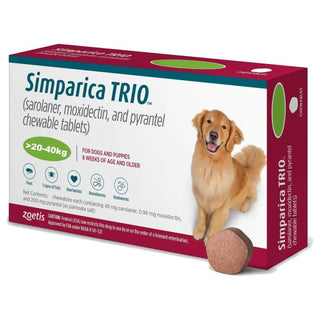
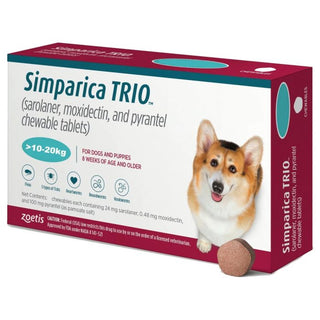
I’ve been using Symperica Trio for a yr now. Love it. 79 pets ships fast and prices are more affordable. Thank You

Right after a haircut. 6 year old dashund/shih Tzu mix

Great deal on flea/tick. Helps take care of my pup
Stronghold Violet For Dogs 5-10lbs (2.6-5kg)

Two sweet girlies decided to make our deck their home. Mosquitoes are a big problem where we live and we had to get them protected. This was the best bang for the buck. I’ve ordered from 79Pets several times and while delivery is not fast it is very consistent.
Revolution Plus For Medium Cats 5.6-11 lbs (2.6-5kg)

As a retired veterinary technician I was extremely happy to finally see a flea and heartworm medication that actually does tapeworms too!!!!!!! This is a 1st to my knowledge....I live in a tropical climate where fleas never die so this is heaven sent.
Nexgard Combo For Cats 5.5-16.5 lbs (2.5-7.5 kg)

Great for free delivery worldwide and it took shorter time than I expected. Thanks
Simparica Trio For Dogs 5.6-11 lbs (2.5-5 kg)

My dog is excited to have her Advocate given every month! Great customer service and we're already a returned customer!
Advocate (Advantage Multi) For Small Dog Upto 4kg 8.8lbs (4kg)

Great price, authentic quality and reliable shipping. Shipping takes a bit longer, since it is being shipped from abroad. But still a reliable service.
NexGard & Heartgard (Green) Combo Dogs 24-60 lbs (10-25 kg)

79 pets has great service, they resolved my issue when I purchased by mistake . Thank you!
Simparica Trio For Dogs 22.1-44 lbs (10-20 kg)

Very happy with the price of Stronghold heart worm med for my dog. Seems to be working well.
Stronghold Teal For Dogs 44-88lbs (20-40kg)

My dog loves this product, never got any issue. Good price , deliver on time. We will definitely keep purchasing with 79 pets.com. Thanks!
Simparica Trio For Dogs 22.1-44 lbs (10-20 kg)

Great customer service! Would definitely purchase from them again!
Advocate (Advantage Multi) For Small Dog Upto 4kg 8.8lbs (4kg)

My fur babies love being protected from fleas!
Stronghold Blue For Cats 5.7-15.5lbs (2.6-7.5kg)

No more fleas! I love it and my pets love it!
Stronghold Teal For Dogs 44-88lbs (20-40kg)

I have 3 of these little rascals so Michigan flea/tick season can be financially brutal! Thank you for keeping NexGard so affordable.
NexGard Chew For Small Dogs 10-24lbs (4-10kg)

it is so easy to order
NexGard & Heartgard (Brown) Combo Dogs 60-121 lbs (25-50 kg)

I have no difficulty to give the tablet to my dog. I want my shipping to come faster by the way.
NexGard Spectra For Small Dog 8-16 lbs (3.5-7.5kg)

Stronghold Plus keep my baby safe
Stronghold Plus For Large Cats 11 lbs to 22 lbs (5-10kg)

Thank You 79pets
Stronghold Plus For Medium Cats 5.5 lbs to 11 lbs (2.5-5kg)

Advocate can only be found here n it's easier to order online. Thanks 79!
Advocate (Advantage Multi) For Cats Over 8.8lbs (4kg)

Great product and price. Shipping updates helped, since product comes from abroad. I would definitely recommend and use it again.
NexGard & Heartgard (Green) Combo Dogs 24-60 lbs (10-25 kg)

Easy to give!
NexGard Spectra For Small Dog 8-16 lbs (3.5-7.5kg)

Stronghold Plus does exactly what it was advertised for. Effective and best product. Would highly recommend Stronghold Plus.
Stronghold Plus For Cats 5.5 lbs to 11 lbs (2.5-5kg) 3 Pack

After Seresto collars failed to get rid of fleas, I didn't know where to turn. I saw a post on a page I follow (Kentucky Kitty Cats) saying that they use Nexgard Combo for the cats they shelter. I decided to try it and IT WORKS!
Nexgard Combo for Cats 5.5-16.5 lbs (2.5-7.5 kg)

My kitty love Revolution. One of the best product for flea & ticks. Good price will definitely recommend this website.
Revolution Plus For Medium Cats 5.6-11 lbs (2.6-5kg)

Tried this the first time and the correct medication was sent on time to me. Will definitely use this site again. Thanks!
Simparica Chewables For Very Small Dogs 5.6-11 lbs (2.5-5kg)

Happy Kitty
Revolution Plus For Medium Cats 5.6-11 lbs (2.6-5kg)

As described. Value for money
Nexgard Chew Red for Large Dogs Flea & Tick 60-121 lbs. (25-50kg)

This is Lexi Marie! She was wondering why mom was so excited for buying flea medicine. I explained to her that we saved $100 and that she would understand some day when she grows up.
Revolution Plus For Large Cats 11.1-22lbs (5-10kg)

Received on time. Thank You 79Pets
Nexgard Chew Red for Large Dogs Flea & Tick 60-121 lbs. (25-50kg)

Very good experience!
Revolution Plus For Large Cats 11.1-22lbs (5-10kg)

Last year, I made a visit to the vet. I told them that Kattie/cat had ear mites. They gave me an ointment costing $80canadian. I used it up and purchased another bottle. $160. total not including the cost of the vet visit. No results. The ear mites have been there for a long time. Canadian vets have control of what is sold in Pet stores and you cannot purchase off the shelf products not recognized by them. I jumped at the chance to purchase your produce with a recommended 100% effectivity. I was willing to try, but was suspicions. After a month there was still a little scratching but after 6 weeks, the mites are gone and the scratching is gone. Thank you very much for this mite solution. I recommend it heartily. Harry P.S. Do not tell the Canadian vets as they will outlaw your product.
Revolution Plus For Medium Cats 5.6-11 lbs (2.6-5kg)